Introduction
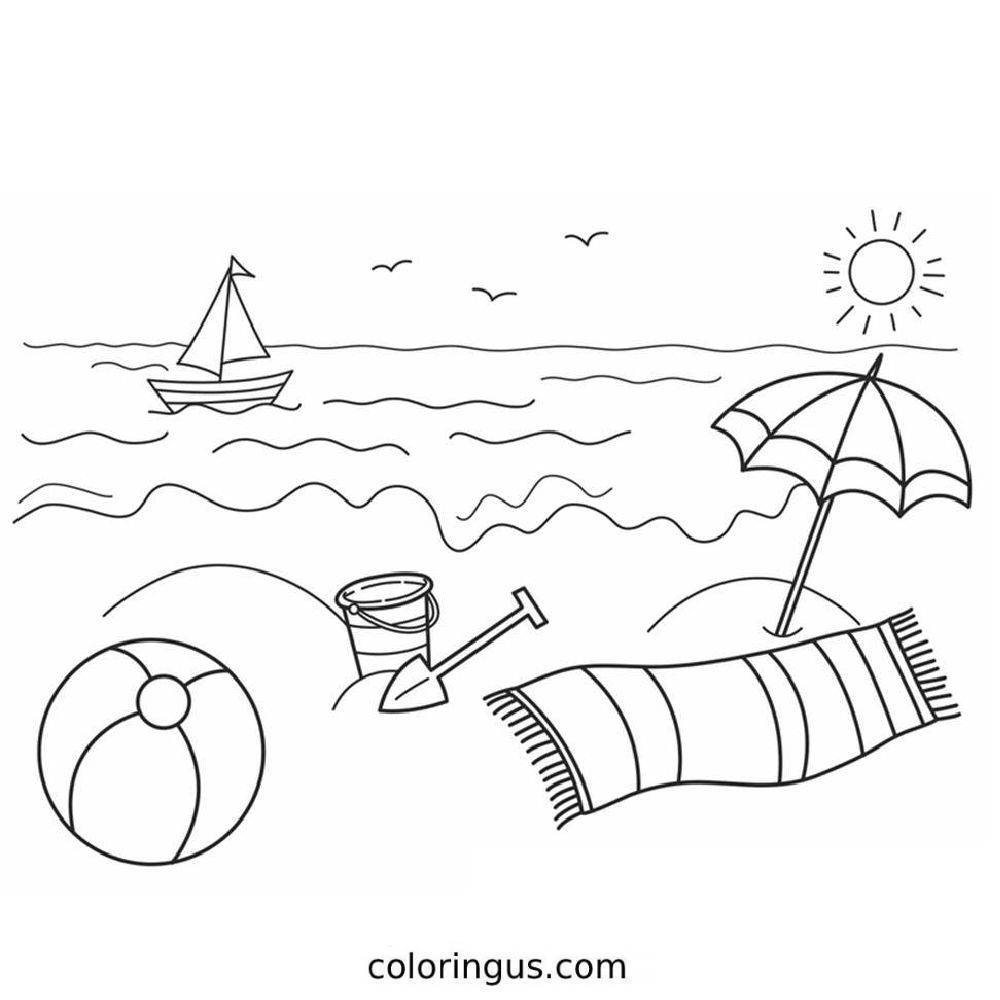
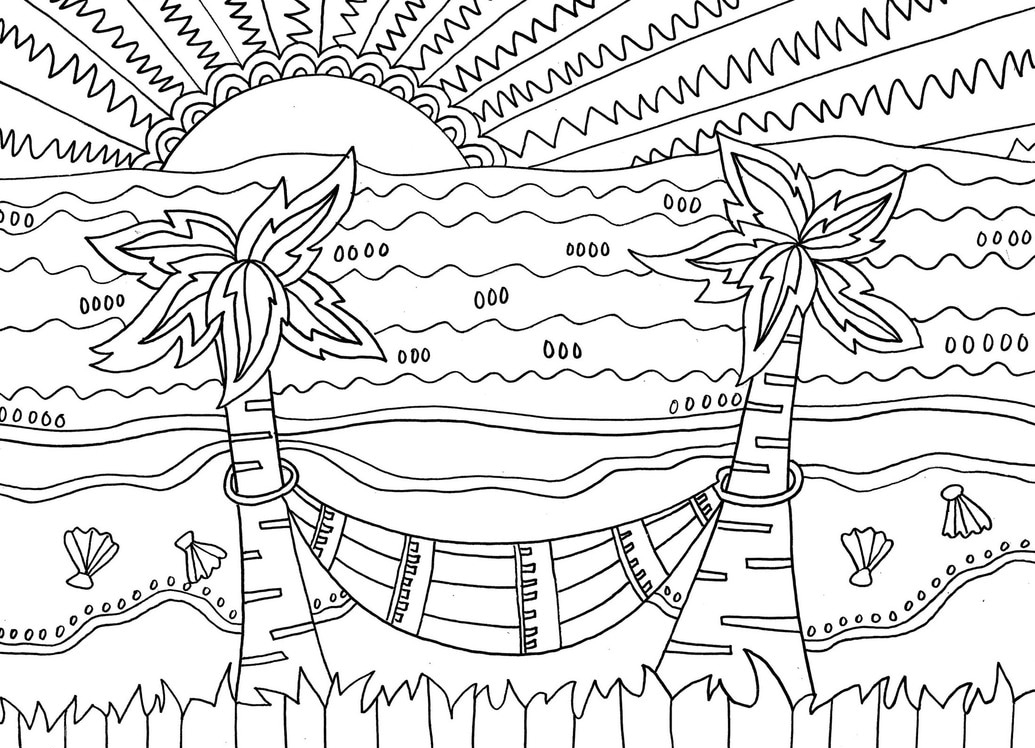
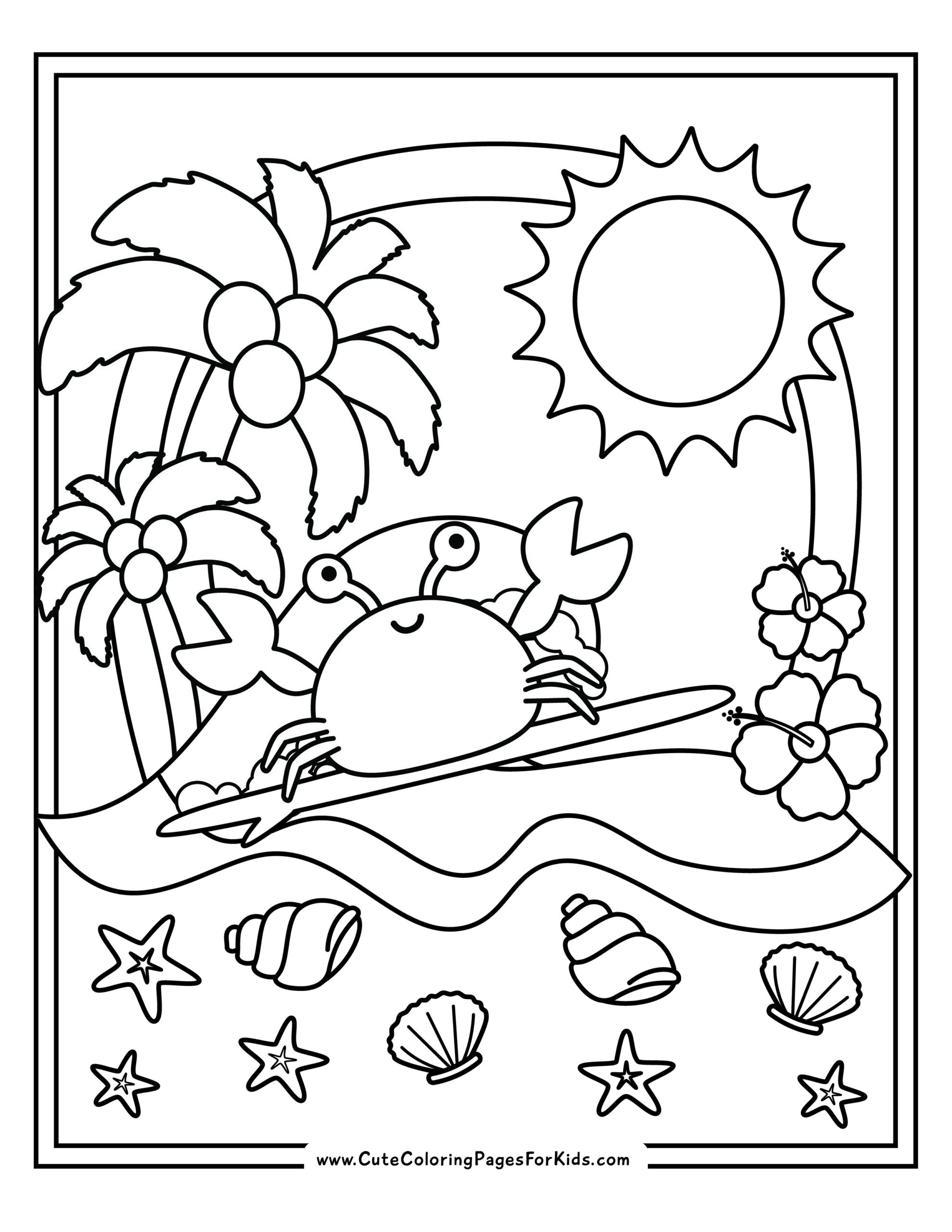
Coloring pages beach resources represent downloadable digital and analog media utilized in educational settings to facilitate calm classroom focus, low-risk digital navigation, and stress reduction. According to the Family Online Safety Institute (FOSI), proactive curation of benign digital content significantly reduces student exposure to unvetted web environments and malicious tracking scripts. Integrating themed creative activities like coastal printables provides educators and parents with a structured mechanism to balance heavy screen time with tactile, offline or supervised creative expression. Safe device management requires clear boundaries around printable downloads, ensuring that students do not inadvertently access ad-laden repositories or compromise school network hygiene through unverified third-party websites.
Digital Safety Snapshot:
- Core Focus: Safe sourcing and balanced utilization of coastal-themed creative printables.
- Target Scope: Classroom management, student digital literacy, and secure network hygiene.
- Key Recommendation: Pre-screen digital repositories through trusted educational hubs to prevent malware and aggressive ad tracking.
Core Principles and Detailed Overview
Safe sourcing of coastal printables protects students from malicious redirects, forced downloads, and inappropriate banner advertisements commonly found on unmonetized art websites. Digital citizenship curricula demand that educators instruct students on how to evaluate web safety indicators, such as secure HTTPS protocols, verified domain ownership, and the avoidance of suspicious pop-ups when searching for creative resources like Coloring Pages. Concurrently, implementing sound device hygiene ensures that school-issued laptops and tablets remain free of adware injected by unsecured resource portals. Educators must establish standardized workflows where media is pre-downloaded centrally by instructors rather than searched independently by students on open browsers, thereby mitigating cybersecurity vulnerabilities and maintaining classroom focus on academic objectives.
Key Specifications and Breakdown
| Safety Pillar | Digital Risk Factor | Actionable Protective Habit |
|---|---|---|
| Network Security | Adware and malicious redirects from unverified art sites | Pre-download resources via secure, school-approved portals |
| Digital Footprint | Unnecessary data collection by free printable applications | Utilize ad-blockers and strictly avoid account sign-ups |
| Screen Balance | Cognitive fatigue from continuous browser-based activities | Transition downloaded digital files into physical offline coloring tasks |
Proactive digital filtering and pre-screening of educational media downloads prevent over ninety percent of accidental student exposure to malicious browser scripts and unsafe web redirects. — Cybersecurity & Infrastructure Security Agency (CISA)
Step-by-Step Practical Application and Guidelines
Establishing a secure protocol for utilizing themed printables involves a structured, multi-phase operational workflow for school administrators and classroom teachers. Initially, educators should curate a vetted library of downloadable assets stored locally on institutional servers or secure cloud repositories, referencing tools found within Internet and Digital Safety frameworks. Next, teachers must instruct middle school students on the mechanics of safe browsing, explaining why clicking on unverified search results for coastal art can trigger intrusive trackers or malware. Finally, instructors should leverage these physical or digitally rendered activities to encourage mindful screen breaks, reinforcing classroom screen balance and supporting healthy cognitive transitions away from intensive interactive media.
Common Challenges and How to Avoid Them
Unmonetized download platforms frequently present deceptive download buttons, subscription prompts, and aggressive tracking cookies that compromise student privacy and device safety. Educators and parents often struggle with open-search environments where children navigate directly to unsecured external websites containing inappropriate third-party advertisements. To prevent these vulnerabilities, network administrators must configure school web filters to block known high-risk art repositories, while teachers supervise all digital retrieval steps closely. Furthermore, referencing guidelines within Worksheets ensures that instructional materials remain compliant with institutional privacy standards and cybersecurity protocols.
💬 Frequently Asked Questions
Explore More Kids Safety and Digital Citizenship Guides on SafeWiredSchools
Comprehensive digital citizenship resources, educator toolkits, and student safety frameworks are readily available for ongoing curriculum enhancement. Maintaining a secure and balanced learning environment requires continuous professional development and access to vetted pedagogical materials found across Online and Digital Safety modules. Stakeholders are encouraged to explore the complete library of safety manuals, device management protocols, and classroom policies hosted on the main portal of Safe Wired Schools.
Printable Coloring Page Previews