
Introduction
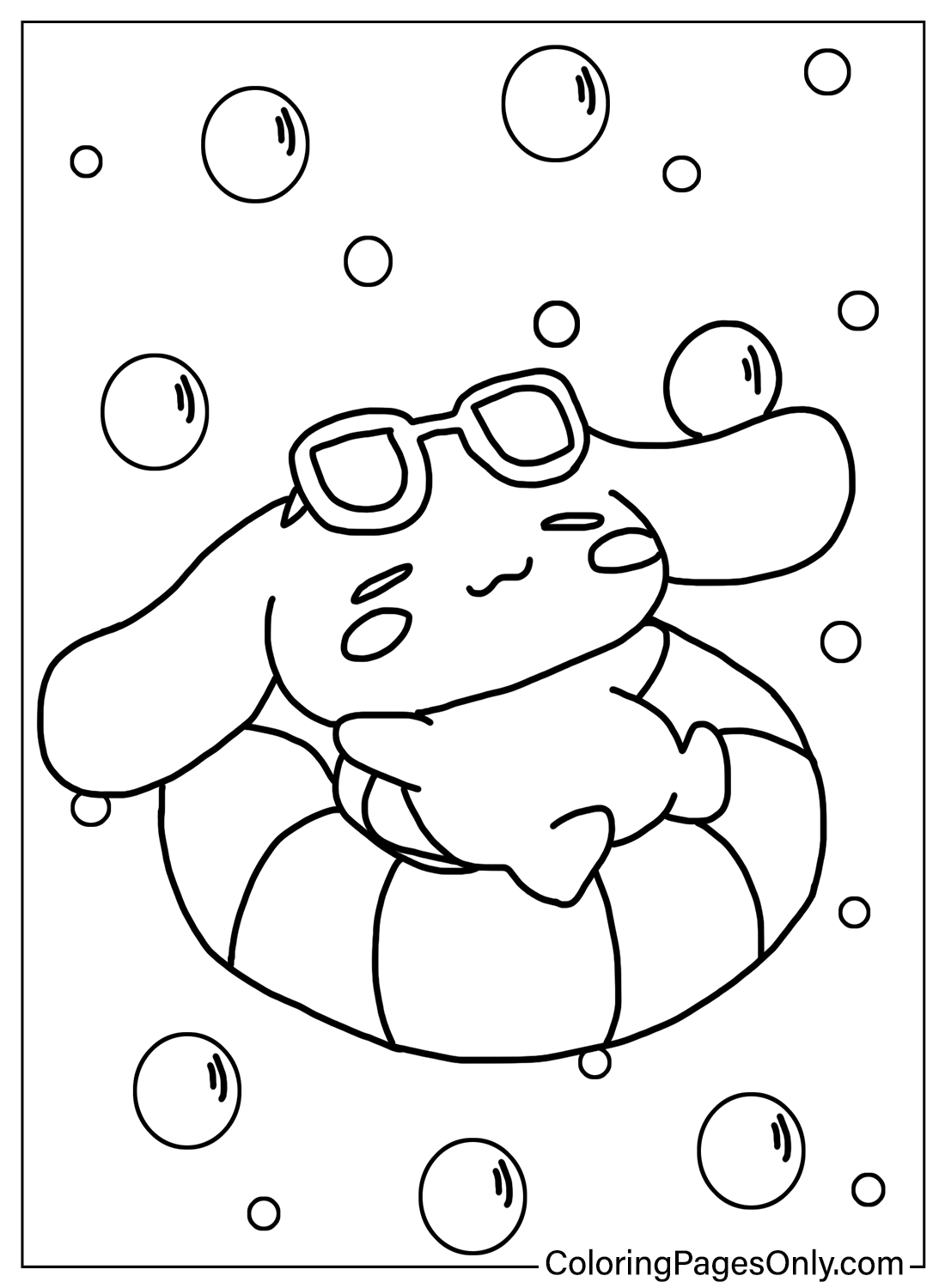
Coloring pages cinnamoroll are digital or printable illustrations of the popular Sanrio character utilized by students for creative expression and stress reduction, yet unvetted downloads present unexpected malware risks and digital footprint exposures in educational environments. According to ConnectSafely, youth online safety requires establishing balanced boundaries between unstructured internet browsing and structured digital engagement. When students search for popular characters like Cinnamoroll online, they frequently encounter unverified third-party websites that bundle malicious adware or prompt unsafe account creations. Educational communities must implement proactive device hygiene protocols to safeguard middle school students against phishing vectors hidden within seemingly harmless recreational assets found on Coloring Pages databases.
Digital Safety Snapshot:
- Core Focus: Mitigating cybersecurity risks associated with downloading third-party character illustrations like Cinnamoroll.
- Target Scope: Middle school students, classroom teachers, school IT administrators, and parents.
- Key Recommendation: Restrict student downloads to pre-vetted educational repositories and institutional asset libraries.
Core Principles and Detailed Overview
Managing student access to recreational media assets requires understanding how malicious actors exploit popular search terms to compromise school networks and harvest student data. Unregulated download portals offering character-themed printable sheets often utilize deceptive ad banners that trigger drive-by downloads or social engineering traps. Furthermore, excessive screen time spent browsing unsecured aesthetic blogs distracts students from classroom objectives and contributes to digital fatigue. Educators and school administrators must enforce strict filtering policies regarding unauthorized media procurement, directing students instead toward structured platforms like Internet and Digital Safety tools that prioritize secure browsing mechanics and data minimization.
Key Specifications and Breakdown
| Safety Pillar | Digital Risk Factor | Actionable Protective Habit |
|---|---|---|
| Network Security | Malicious redirects and pop-up adware disguised as printable file links. | Utilize institutional DNS filtering to block unverified resource repositories. |
| Digital Footprint | Accidental account registration and data harvesting on rogue art forums. | Prohibit personal sign-ups on third-party media and fan-art sharing hubs. |
| Screen Balance | Prolonged, unstructured device usage leading to classroom distraction. | Incorporate physical offline creative breaks during instructional windows. |
Maintain strict perimeter controls on student devices by restricting downloads to pre-approved educational asset portals and institutional learning management systems. — Cybersecurity and Infrastructure Security Agency (CISA)
Step-by-Step Practical Application and Guidelines
Implementing safe classroom art activities involves utilizing verified repositories and establishing clear protocols for digital asset retrieval. Teachers should curate offline printable packets ahead of time, entirely eliminating the need for students to perform open internet searches on school-issued devices. When digital distribution is necessary, files must be hosted locally on secure school servers rather than retrieved from public web domains. Additionally, incorporating lessons from Online and Digital Safety frameworks equips learners with the critical thinking skills required to independently identify deceptive download buttons, phishing traps, and unsecured URLs.
Common Challenges and How to Avoid Them
Bypassing institutional web filters to access unauthorized fan sites remains a frequent infraction among middle school students seeking trendy recreational media. Educators can prevent this circumvention by maintaining open dialogues regarding the hidden costs of free online content, emphasizing that pop-up trackers often compromise device integrity. Schools should regularly audit device browser histories and enforce strict repercussions for accessing unapproved file-sharing networks. By pairing technical blocks with robust digital citizenship education, institutions foster a resilient school culture where students willingly avoid risky search queries.
💬 Frequently Asked Questions
Explore More Kids Safety and Digital Citizenship Guides on SafeWiredSchools
Empowering educational communities with comprehensive defense strategies remains vital for navigating modern student media consumption. Discover additional expert resources, protective classroom policies, and curriculum integrations by exploring the complete library at Safe Wired Schools.
Printable Coloring Page Previews