
Introduction
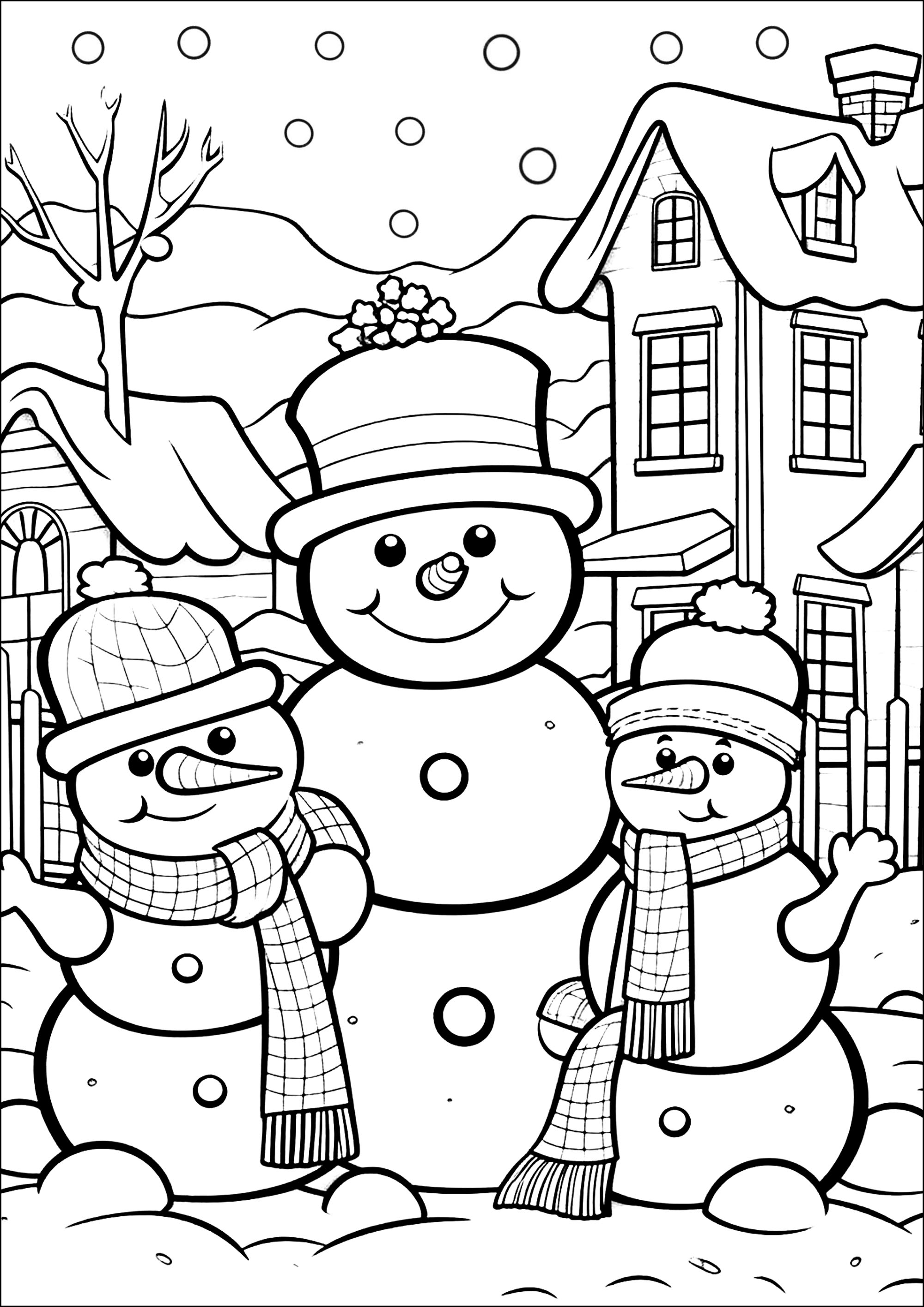
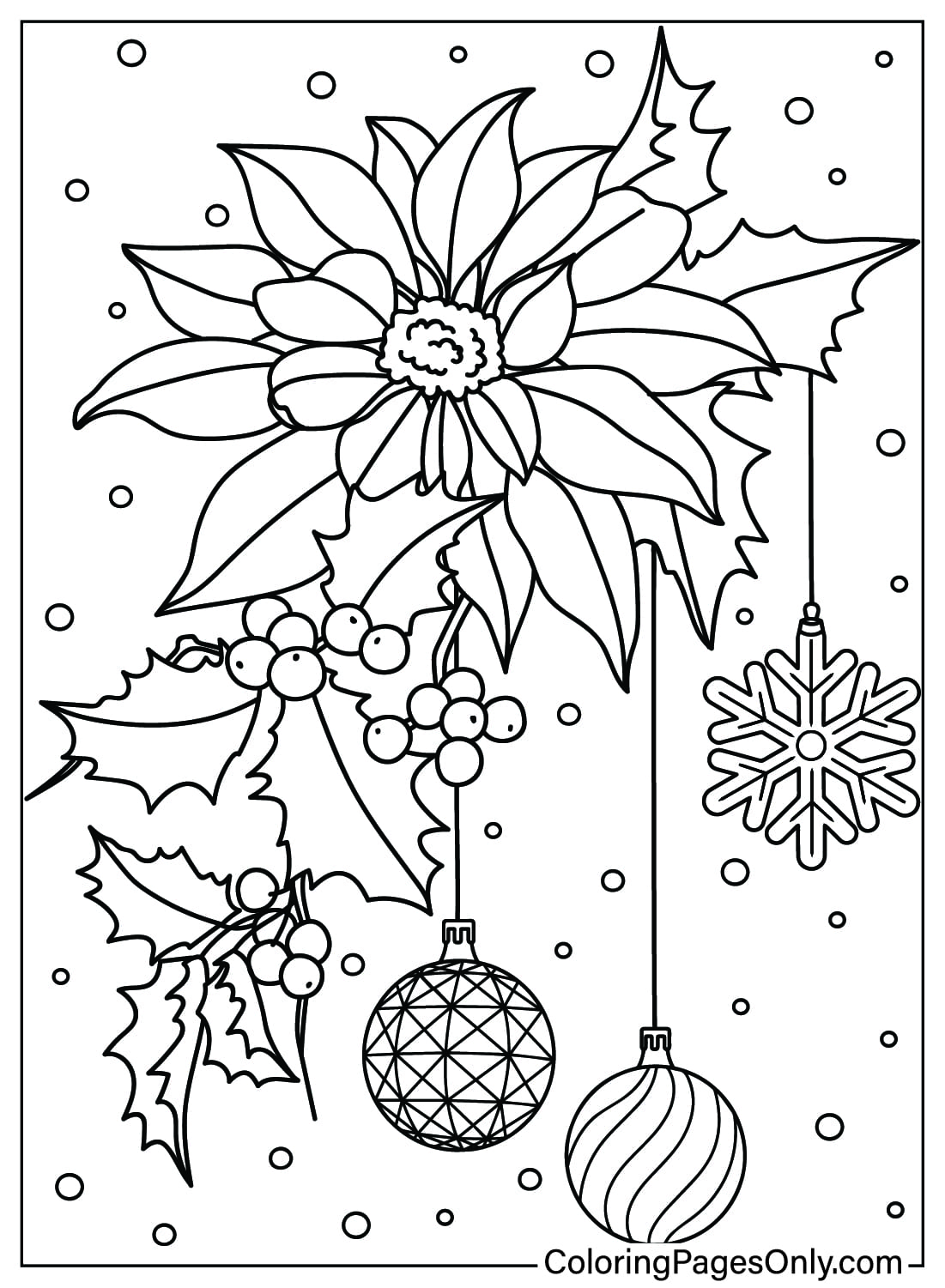
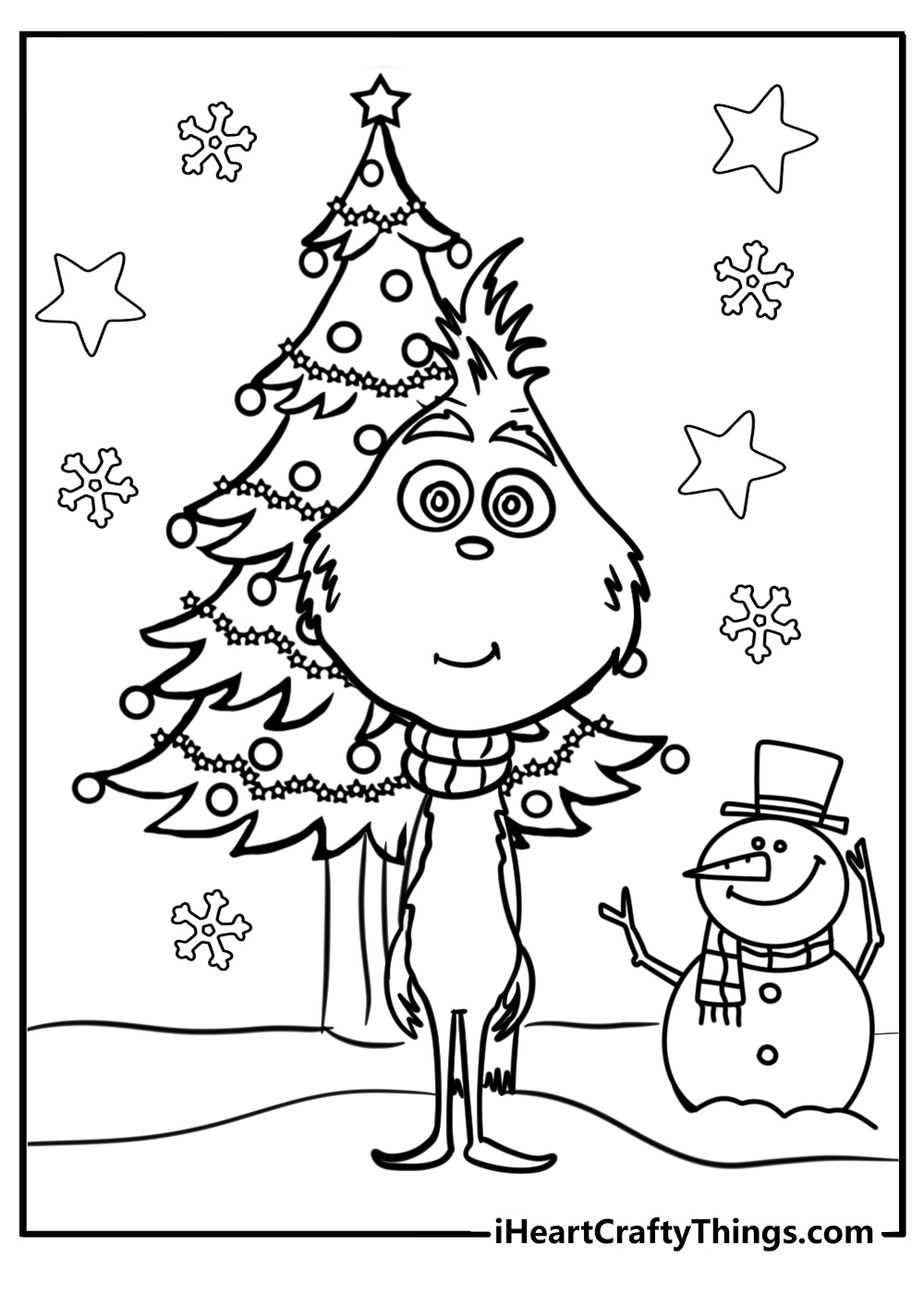
Digital holiday activities such as coloring pages christmas represent a specific category of seasonal media that requires proactive monitoring by schools and families to maintain secure digital environments. According to the Family Online Safety Institute (FOSI), digital citizenship requires active oversight of all online engagement, ensuring seasonal content downloads do not expose school networks to malware or privacy breaches. Educators and parents must balance festive classroom screen engagement with robust cybersecurity measures, safeguarding middle school students from hidden trackers, unverified executable downloads, and inappropriate targeted advertisements often found on commercial holiday activity repositories. Reviewing curated educational resources via Coloring Pages ensures that holiday engagement remains secure, productive, and free from malicious web redirects.
Digital Safety Snapshot:
- Core Focus: Ensuring holiday media downloads like coloring pages christmas meet rigorous cybersecurity standards.
- Target Scope: Applied across K-12 classrooms, school-issued devices, and home study networks.
- Key Recommendation: Restrict student access to trusted educational portals to prevent accidental malware installation.
Core Principles and Detailed Overview
Managing online holiday resources requires an understanding of how seemingly benign searches for printable activities can introduce digital vulnerabilities into institutional and domestic networks. Unverified seasonal download websites frequently employ aggressive ad networks, pop-ups, and forced downloads that compromise browser integrity and collect user data without explicit consent. Implementing strict web filtering policies, establishing protocols for device hygiene, and providing alternative Worksheets prevent unauthorized executable files from bypassing institutional firewalls. Middle school students navigating independent research must be instructed to recognize suspicious redirects, avoid entering personal details on festive download portals, and report abnormal browser behavior to technology coordinators immediately.
Key Specifications and Breakdown
| Safety Pillar | Digital Risk Factor | Actionable Protective Habit |
|---|---|---|
| Network Security | Malicious downloads disguised as PDFs | Verify URL authenticity and use district-approved educational repositories exclusively. | Data Privacy | Aggressive third-party tracking cookies | Enforce strict browser privacy settings and clear cache parameters regularly. | Classroom Balance | Excessive screen fatigue during holidays | Combine digital design tools with offline artistic mediums to maintain healthy balance. |
Proactive network defense and continuous digital literacy education remain the dual pillars of modern institutional cybersecurity resilience. — Cybersecurity and Infrastructure Security Agency (CISA)
Step-by-Step Practical Application and Guidelines
Establishing a secure workflow for holiday digital projects involves strict verification, authorized software usage, and proactive monitoring across all institutional and home systems. Teachers and administrators should pre-screen all holiday media links before deploying assignments to student devices, eliminating the risk of accidental exposure to harmful web domains. Furthermore, integrating lessons on digital footprints and safe search methodologies into the curriculum reinforces proper Internet and Digital Safety standards. Parents should supervise home printing sessions, ensuring children do not interact with deceptive banner advertisements or click-bait download buttons commonly embedded on unvetted holiday resource platforms.
Common Challenges and How to Avoid Them
Unregulated holiday web searches frequently expose students to phishing attempts, malicious pop-ups, and inappropriate content that bypasses casual supervision. Educators often face challenges when students attempt to access unverified external sites for holiday graphics, increasing the risk of malware infiltration on shared classroom hardware. Mitigating these risks requires disabling unauthorized browser extensions, blocking known high-risk ad domains at the router level, and directing students exclusively to verified educational portals found within structured Online and Digital Safety frameworks. Maintaining transparent communication between IT departments, faculty, and families ensures unified enforcement of safe device usage habits throughout the holiday season.
💬 Frequently Asked Questions
Explore More Kids Safety and Digital Citizenship Guides on SafeWiredSchools
Maintaining a secure, balanced digital environment requires continuous education, proactive oversight, and access to authoritative instructional materials. School administrators, educators, and parents can explore the complete library of cybersecurity best practices, digital footprint guides, and classroom resources by visiting Safe Wired Schools to empower the next generation of responsible digital citizens.
Printable Coloring Page Previews