Introduction
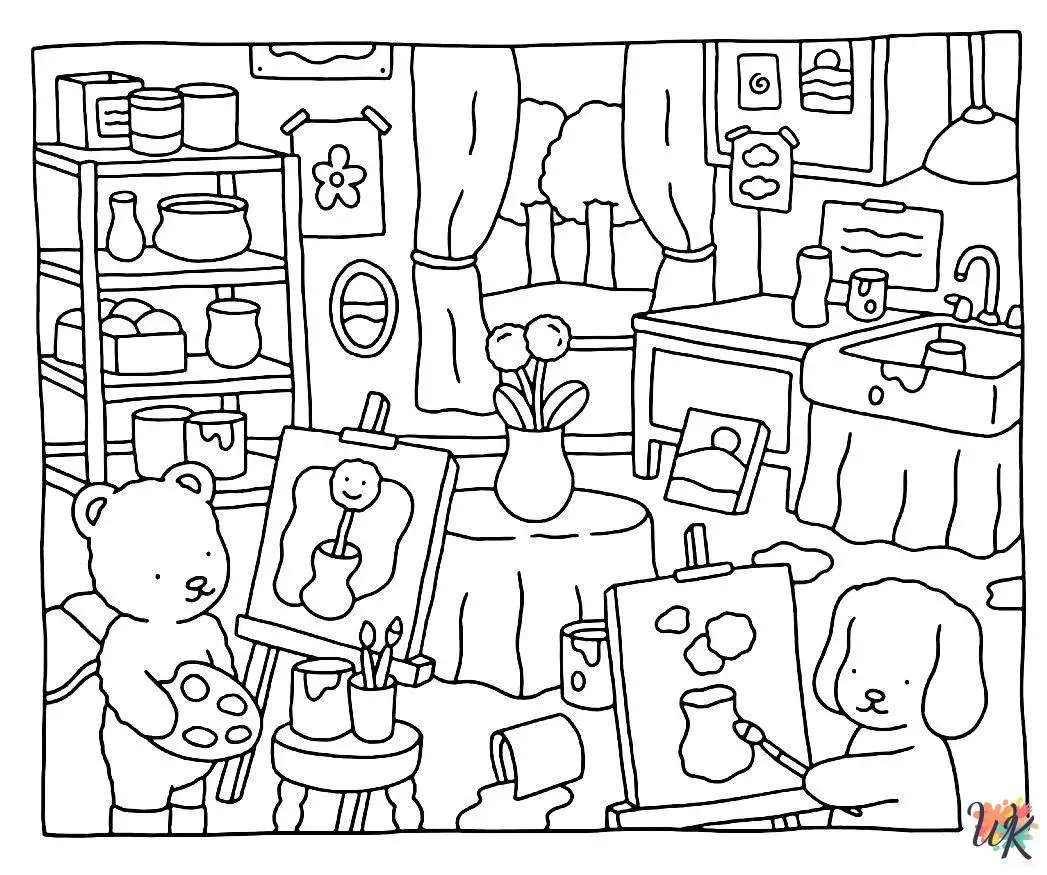
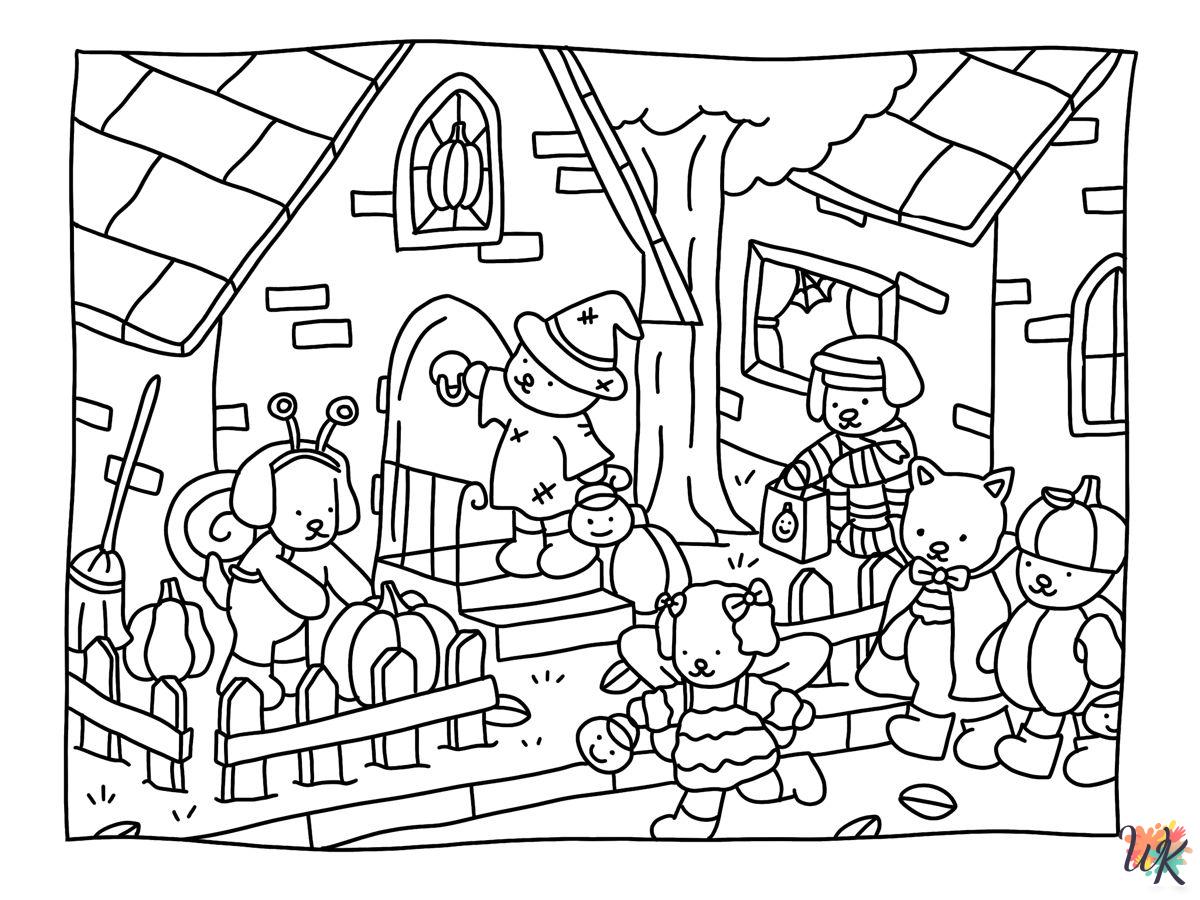
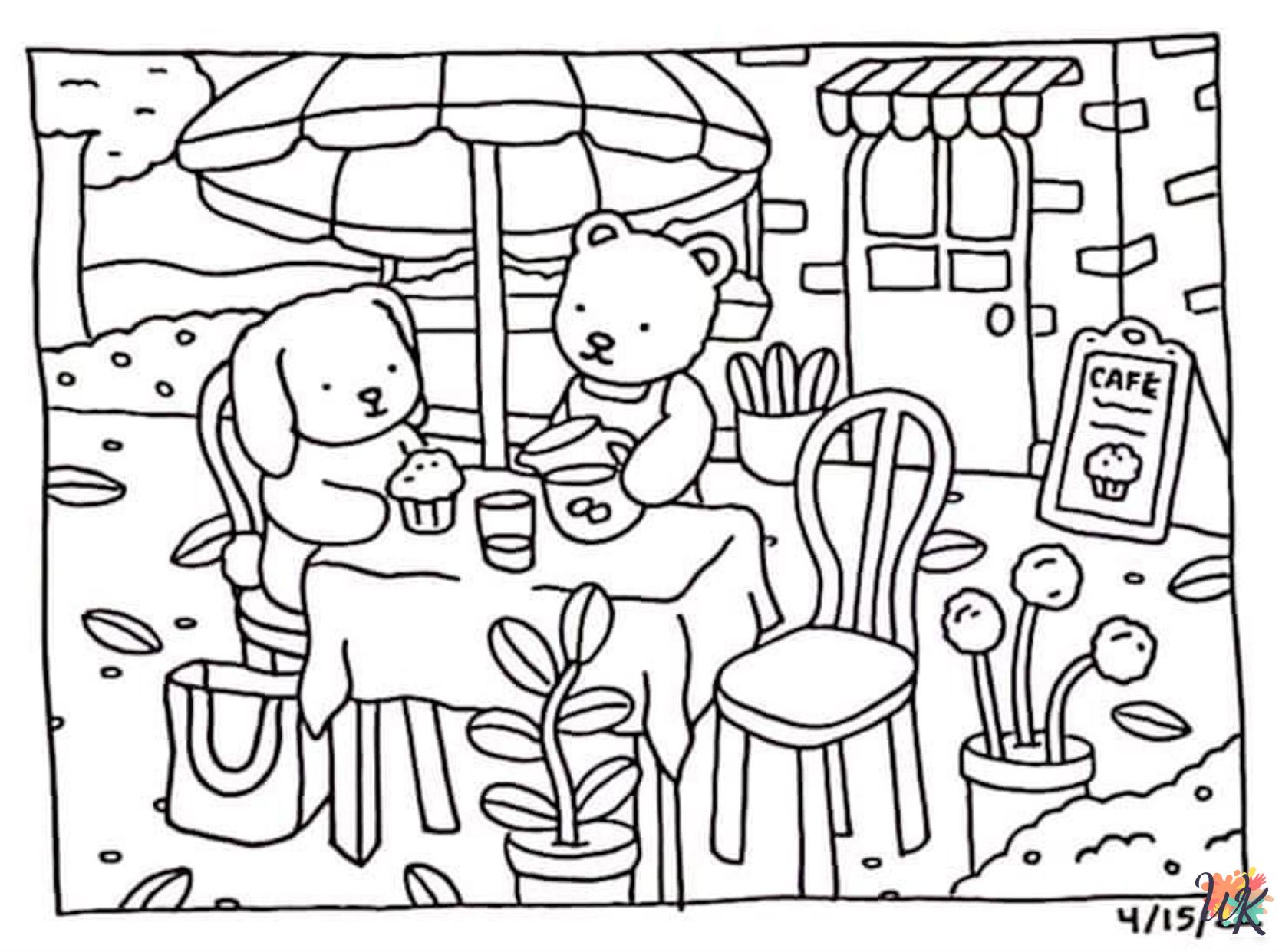
Coloring pages bobbie goods refer to downloadable artistic printables featuring whimsical, cozy aesthetics that students frequently search for online, requiring careful navigation of internet safety boundaries in educational environments. According to ConnectSafely, online searches for trending artistic content often expose students to unvetted file-sharing networks, aggressive third-party advertising, and malicious domain redirect tactics. Educators, parents, and school administrators must establish robust Internet and Digital Safety protocols to ensure safe access to these creative assets. By understanding the digital ecosystem surrounding viral artistic trends, schools can maintain device hygiene and foster productive classroom screen balance.
Digital Safety Snapshot:
- Core Focus: Safe navigation and acquisition of popular aesthetic printable illustrations.
- Target Scope: Middle school students, educators, and household networks managing school devices.
- Key Recommendation: Enforce authorized resource repositories to prevent exposure to malicious web traffic.
Core Principles and Detailed Overview
Managing student interest in coloring pages bobbie goods involves balancing creative expression with stringent device protection and comprehensive cyberbullying prevention frameworks. When students search for popular aesthetic content on school-issued Chromebooks or personal tablets, unfiltered search engines may display deceptive clickbait sites hosting malware, phishing schemes, or inappropriate sidebar advertisements. Furthermore, collaborative art platforms and public image-sharing boards often harbor unmonitored comment sections where cyberbullying or predatory grooming can occur. Educational institutions integrate safe Coloring Pages repositories into curated learning management systems to shield students from these hidden digital vulnerabilities. Maintaining proper screen balance ensures that digital artistic activities support cognitive well-being without triggering excessive screen fatigue.
Key Specifications and Breakdown
| Safety Pillar | Digital Risk Factor | Actionable Protective Habit |
|---|---|---|
| Device Hygiene | Malicious file downloads from unverified third-party coloring sites | Strictly utilize school-approved curriculum portals and secure PDF viewers |
| Digital Footprint | Accidental data sharing on public fan-art forums and chat spaces | Instruct students to avoid creating accounts on unvetted fan websites |
| Classroom Balance | Prolonged sedentary screen exposure during non-academic browsing | Implement designated offline creative intervals alongside digital art tasks |
Establish Secure Browsing Parameters for All Student-Accessed Printables and Media Files — Cybersecurity & Infrastructure Security Agency (CISA)
Step-by-Step Practical Application and Guidelines
Implementing secure access to coloring pages bobbie goods requires a systematic approach involving network filtering, explicit digital citizenship instruction, and regular device maintenance audits. Administrators must configure domain-level web filters to block unauthorized file-sharing domains while permitting access to verified educational art resources. Teachers should guide middle school students in critically evaluating search results, teaching learners to identify secure HTTPS protocols and recognize deceptive pop-up advertisements. Parents reinforce these habits at home by supervising evening web searches, ensuring that personal devices maintain active antivirus software, and encouraging physical coloring mediums to balance digital consumption. Consistent monitoring of browser extensions and download histories prevents unauthorized software installation across all student hardware.
Common Challenges and How to Avoid Them
Overcoming unexpected security alerts and behavioral distractions associated with viral search trends requires proactive troubleshooting and clear usage boundaries. A frequent challenge arises when students attempt to bypass school network filters using unofficial proxy sites to reach restricted art-download blogs. Educators and IT administrators resolve this vulnerability by conducting routine device audits, enforcing centralized policy management, and educating students on the real-world dangers of circumventing cybersecurity safeguards. Additionally, managing screen fatigue requires educators to alternate between digital design projects and physical workbook activities found across standard Worksheets repositories. Clear communication regarding acceptable use policies ensures that creative exploration remains safe, educational, and secure.
💬 Frequently Asked Questions
Explore More Kids Safety and Digital Citizenship Guides on SafeWiredSchools
Protecting students in modern digital environments requires continuous education, robust technical safeguards, and proactive community engagement. Educators, parents, and administrators are encouraged to explore the complete library of safety resources, curriculum frameworks, and policy guidelines available across Safe Wired Schools to maintain secure, balanced, and productive learning ecosystems.
Printable Coloring Page Previews