Introduction
Coloring pages garden resources are specialized botanical-themed printables designed to build foundational fine-motor skills, vocabulary, and observational awareness in early childhood settings. According to the National Association for the Education of Young Children (NAEYC), purposeful manipulation of writing and coloring implements on structured templates directly supports the development of intrinsic hand muscles essential for future academic writing. Educators and homeschool instructors leverage these botanical templates across various Worksheets collections to anchor thematic science units on plant growth, insects, and ecology. Integrating printable nature sheets into daily schedules promotes visual-spatial organization while keeping young learners intensely focused on creative execution. Practitioners seeking supplementary materials frequently consult specialized Teacher Resources to maximize the cross-curricular potential of botanical illustration printables.
Curriculum Practice Snapshot:
- Core Focus: Botanical-themed coloring pages garden sheets designed for targeted motor control practice.
- Target Scope: Early childhood classrooms, pre-K centers, and kindergarten homeschool environments.
- Key Recommendation: Pair botanical illustrations with interactive nature observation to bridge art and foundational science concepts.
Core Principles and Detailed Overview
Botanical coloring templates bridge creative artistic expression and structured cognitive development by requiring precise hand-eye coordination to navigate intricate leaf patterns, flower petals, and garden insects. Direct engagement with these printable sheets trains children to maintain a functional tripod grip while carefully controlling stroke direction and pencil pressure within distinct boundaries. When instructors integrate garden-themed sheets into multidisciplinary lesson plans, students naturally expand their descriptive vocabulary by learning botanical terms such as stem, petal, root, and stamen. Furthermore, structured art activities serve as a proven self-regulation tool, allowing young children to transition smoothly between high-energy physical education periods and focused desk-based Learning Activities.
Key Specifications and Breakdown
| Grade / Developmental Stage | Target Learning Skill | Instructional Strategy & Scaffolding |
|---|---|---|
| Pre-Kindergarten (Ages 3-4) | Gross boundary control and palm-to-finger transition | Utilize thick-lined, oversized floral shapes with minimal interior detail to build baseline pencil confidence. |
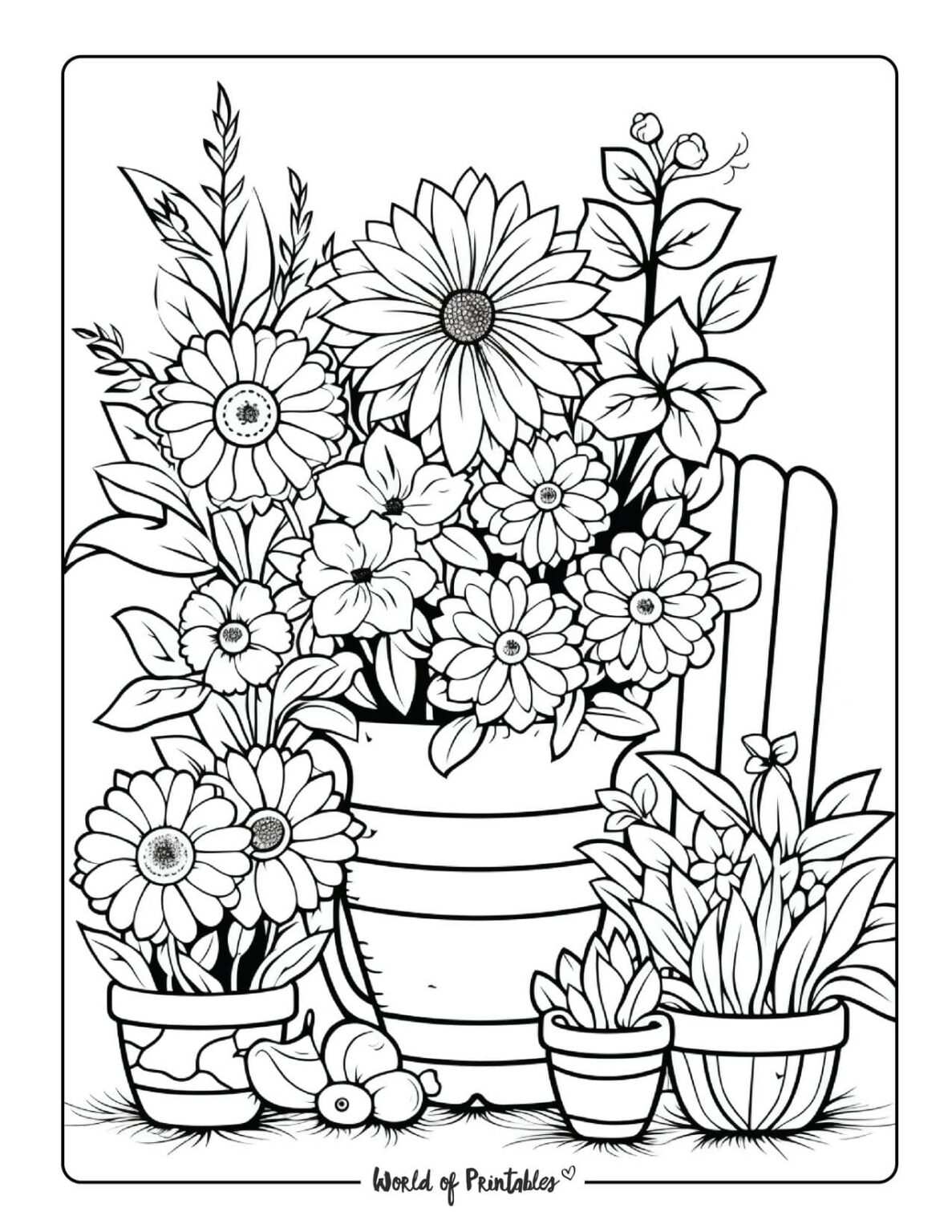
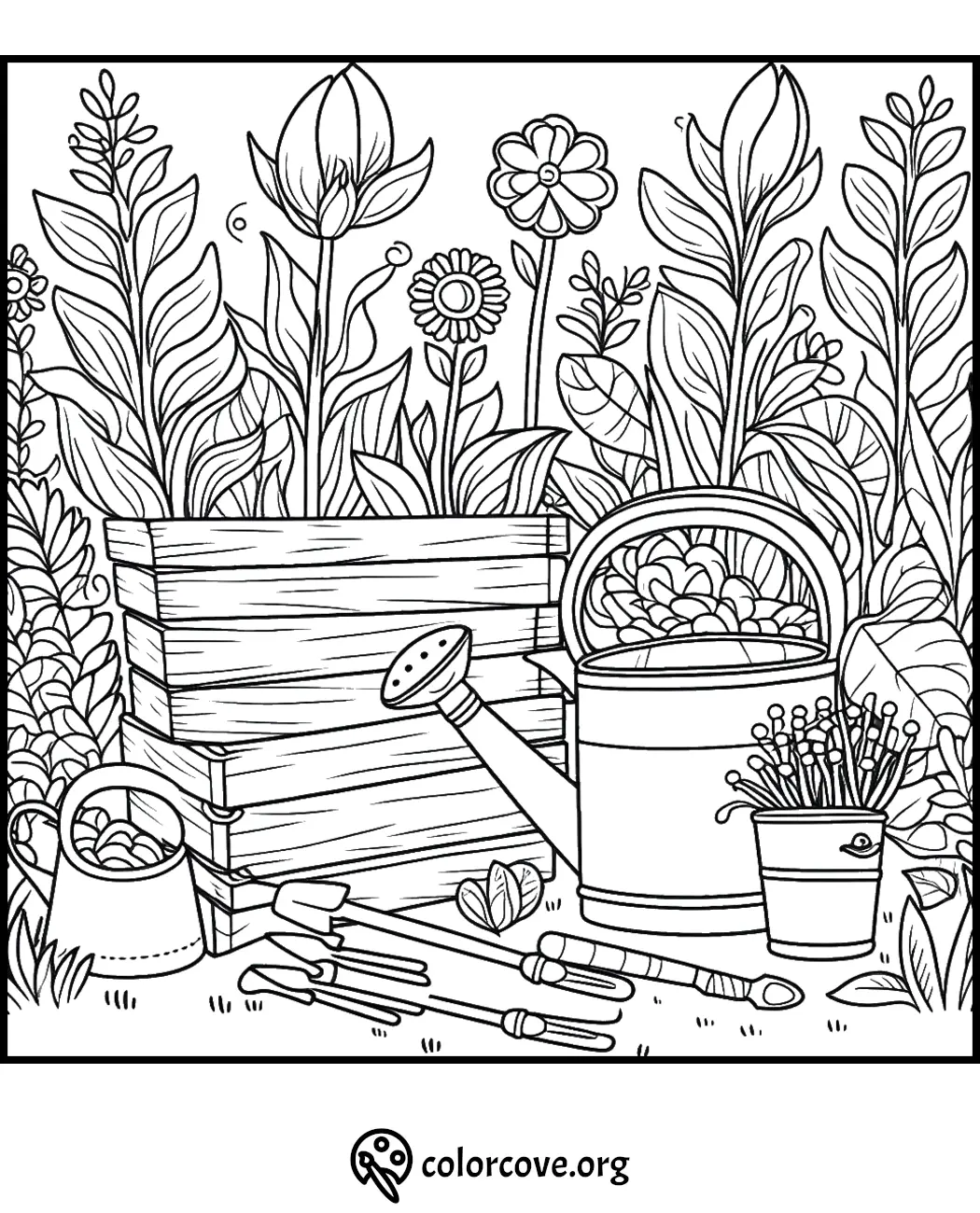
| Kindergarten (Ages 5-6) | Precision grip refinement and spatial orientation | Incorporate complex garden scenes featuring overlapping leaves and hidden insects requiring deliberate stroke restraint. |
| Early First Grade (Ages 6-7) | Bilateral coordination and descriptive vocabulary integration | Combine coloring tasks with structured labeling exercises found within broader Handwriting & Tracing modules. |
Systematic instructional practice that combines targeted fine-motor exercises with foundational visual arts improves overall task persistence and spatial awareness in early childhood learners. — Institute of Education Sciences (IES)
Step-by-Step Practical Application and Guidelines
Implementing botanical coloring sheets effectively requires a deliberate three-step sequence beginning with pre-teaching target vocabulary associated with the specific plant or insect featured on the template. First, instructors introduce the physical specimens or realistic photographs of the garden elements to establish schema and activate prior scientific knowledge before distributing any printable sheets. Second, children examine the layout of the page, identifying boundary lines and discussing deliberate color choices that reflect real-world observation rather than random filling. Third, educators monitor grip mechanics and posture during execution, offering constructive guidance on hand positioning while learners navigate the intricate contours of the chosen Coloring Pages designs.
Common Challenges and How to Avoid Them
Frustration and rushed execution often occur when young children encounter excessively intricate botanical patterns that exceed their current motor control capabilities. Instructors can prevent this obstacle by carefully matching sheet complexity to individual developmental readiness, offering simplified outlines for emerging practitioners and highly detailed scenes for advanced students. Another frequent challenge involves children viewing the task merely as passive filler activity rather than intentional skill practice. Overcome this limitation by embedding reflective discussions after completion, asking learners to describe the specific garden layers, textures, and biological features they highlighted through their careful coloring choices.
💬 Frequently Asked Questions
Explore More Early Learning and Classroom Resources on Knowalla
Educators and parents seeking comprehensive instructional materials can discover an extensive selection of printable assets designed to elevate early childhood education. Discover curated teaching tools, skill-building printables, and engaging daily exercises directly on the Knowalla homepage to support holistic student growth.
Printable Coloring Page Previews