Introduction
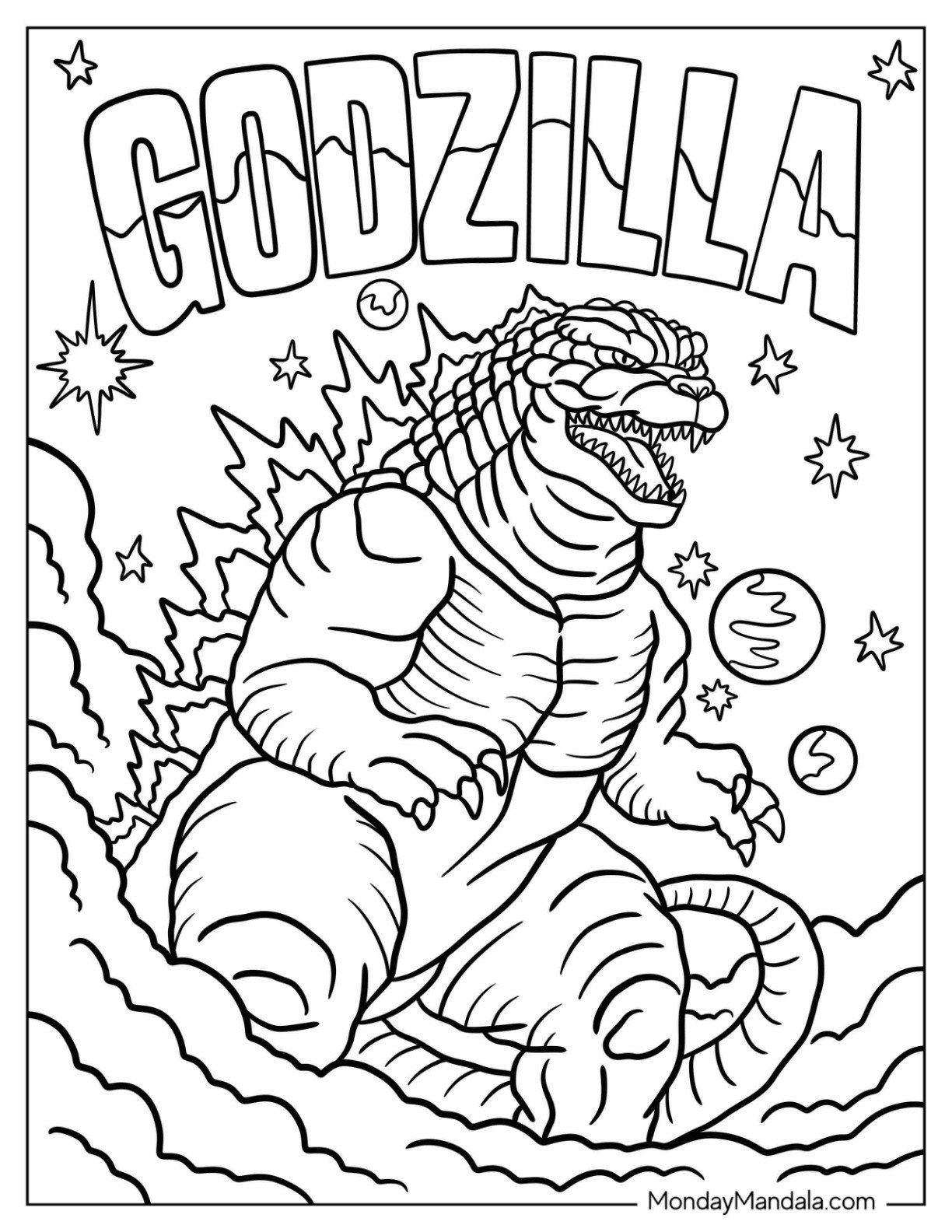
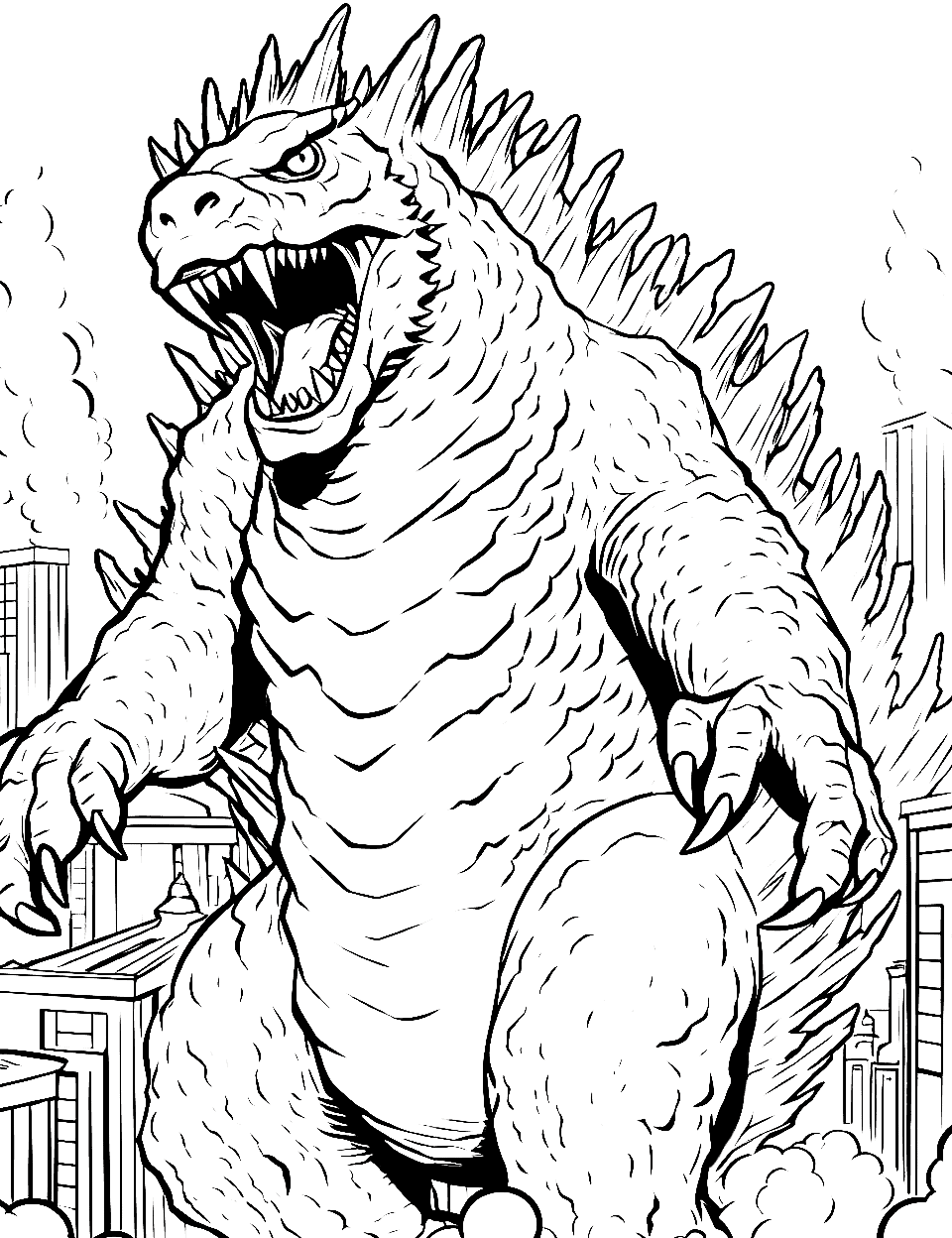
Coloring pages featuring Godzilla serve as high-interest instructional tools that effectively bridge the gap between student engagement and fine-motor skill acquisition. According to the National Association for the Education of Young Children (NAEYC), developmentally appropriate practice requires educators to utilize meaningful, culturally relevant materials that sustain child attention while supporting physical and cognitive development. Integrating pop-culture iconography into Coloring Pages provides a familiar, low-stress environment for children to practice pencil grip, spatial awareness, and color theory application, ensuring that academic tasks remain intrinsically motivating.
Curriculum Practice Snapshot:
- Core Focus: Utilizing high-interest thematic imagery to improve fine-motor control and visual-spatial coordination.
- Target Scope: Early childhood education (ages 3–7) within classroom and homeschool learning environments.
- Key Recommendation: Implement “Guided Coloring” sessions to transition from free-form play to structured visual-motor precision exercises.
Core Principles and Detailed Overview
The pedagogical value of thematic coloring exercises lies in the systematic development of distal muscle control required for future formal Handwriting & Tracing proficiency. Godzilla-themed sheets offer distinct, bold outlines that provide clear boundaries for early learners, reducing visual clutter and frustration. By incorporating these characters, educators leverage “interest-based learning” to increase the time-on-task for students who might otherwise struggle with traditional, abstract tracing worksheets. This approach ensures that fine-motor practice becomes a rewarding, habit-forming activity rather than a chore, facilitating the transition from broad arm movements to refined finger-muscle dexterity.
Key Specifications and Breakdown
| Grade / Developmental Stage | Target Learning Skill | Instructional Strategy & Scaffolding |
|---|---|---|
| Preschool (Ages 3-4) | Palmar Grasp Refinement | Use large-scale, thick-bordered images to encourage wrist stability. |
| Kindergarten (Ages 5-6) | Pincer Grasp Development | Introduce smaller, detailed sections to promote finger isolation and control. |
| Early Elementary (Ages 7+) | Spatial Boundary Adherence | Require color-coding specific body parts to improve visual planning. |
Early Learning Motor Development Principle — The What Works Clearinghouse (WWC) emphasizes that repetitive, goal-oriented motor tasks are foundational to the acquisition of early literacy and pre-writing skills in primary education settings.
Step-by-Step Practical Application and Guidelines
Effective implementation of these resources follows a structured sequence: selection, demonstration, and independent application. First, select images that match the current fine-motor developmental stage of the student, ensuring that line thickness is appropriate for the child’s grip maturity. Second, model the desired coloring technique, such as “staying inside the lines” or “using consistent stroke direction,” to provide a visual template for the student to emulate. Finally, integrate these sheets into broader Learning Activities by asking students to narrate a story about the character, thereby reinforcing narrative sequencing and oral language skills alongside physical development.
Common Challenges and How to Avoid Them
Common challenges include over-reliance on free-form scribbling and the frustration caused by overly complex imagery. To mitigate these issues, educators must provide clear, explicit instructions that emphasize the process over the final product. If a student exhibits frustration, simplify the task by pre-coloring sections of the page or providing thicker, more ergonomic drawing tools. By maintaining a focus on skill-building rather than artistic perfection, educators ensure that these Worksheets remain an effective, low-stakes intervention for motor development.
💬 Frequently Asked Questions
Explore More Early Learning and Classroom Resources on Knowalla
Enhance classroom instruction by integrating these thematic resources with a comprehensive library of developmental tools. Visit Knowalla to access a vast repository of printable assets designed to support holistic student growth, from fundamental motor skills to advanced cognitive exercises.
Printable Coloring Page Previews