Introduction
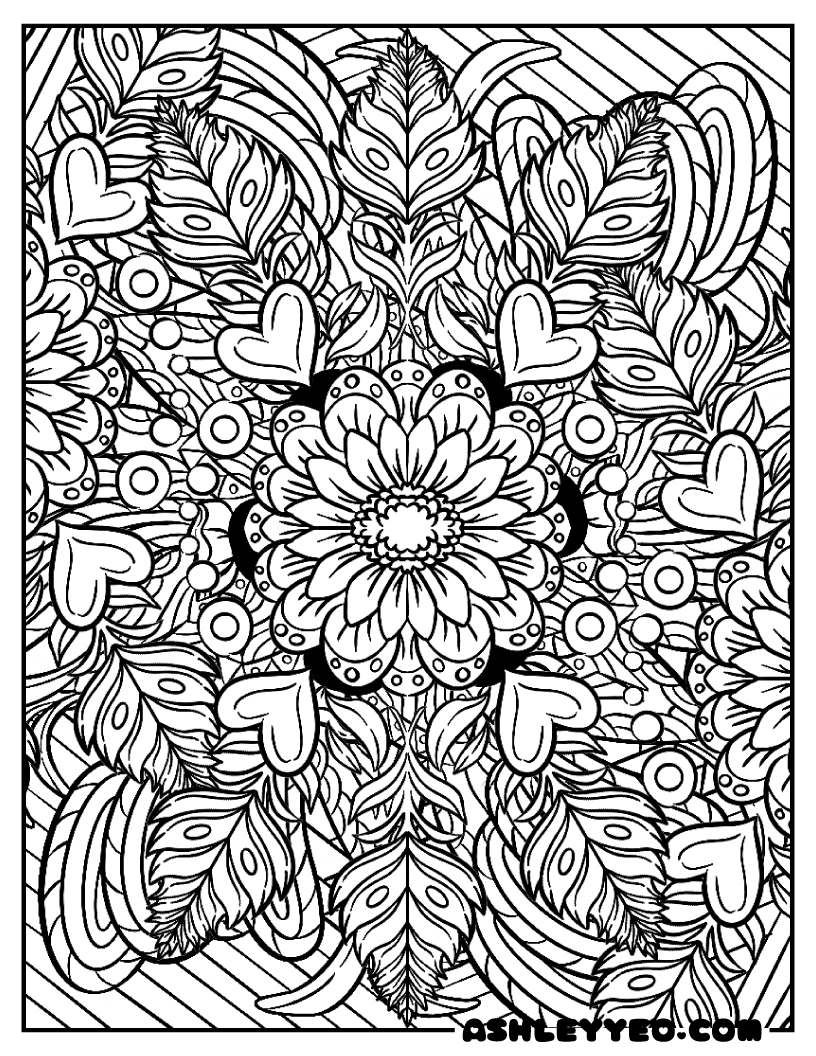
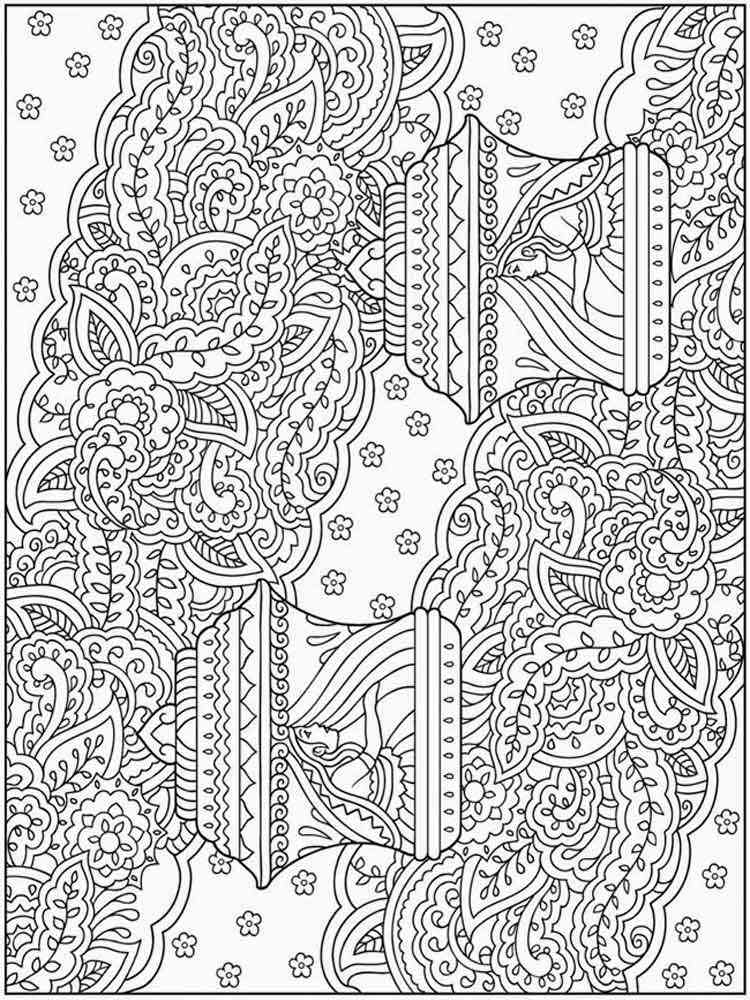
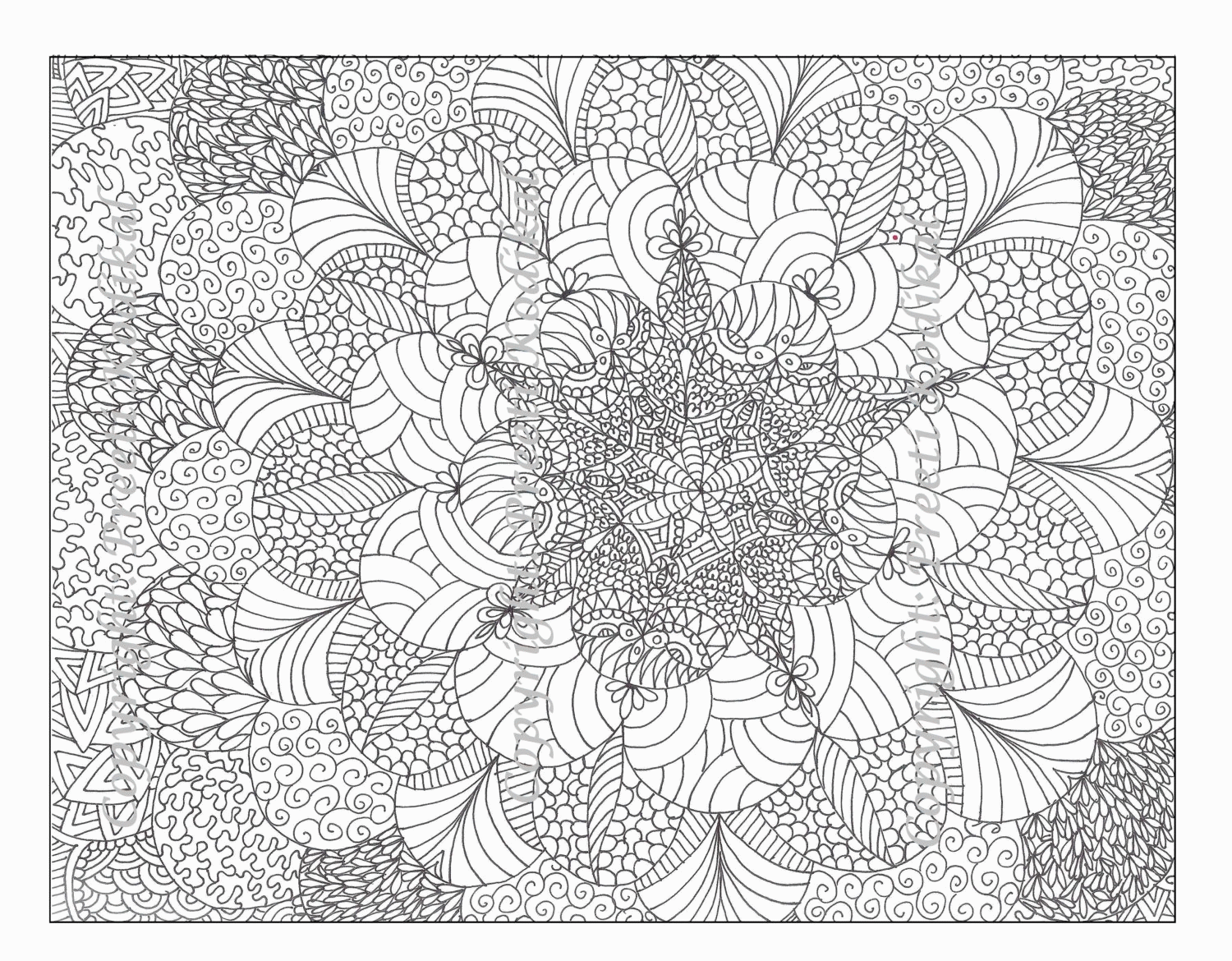
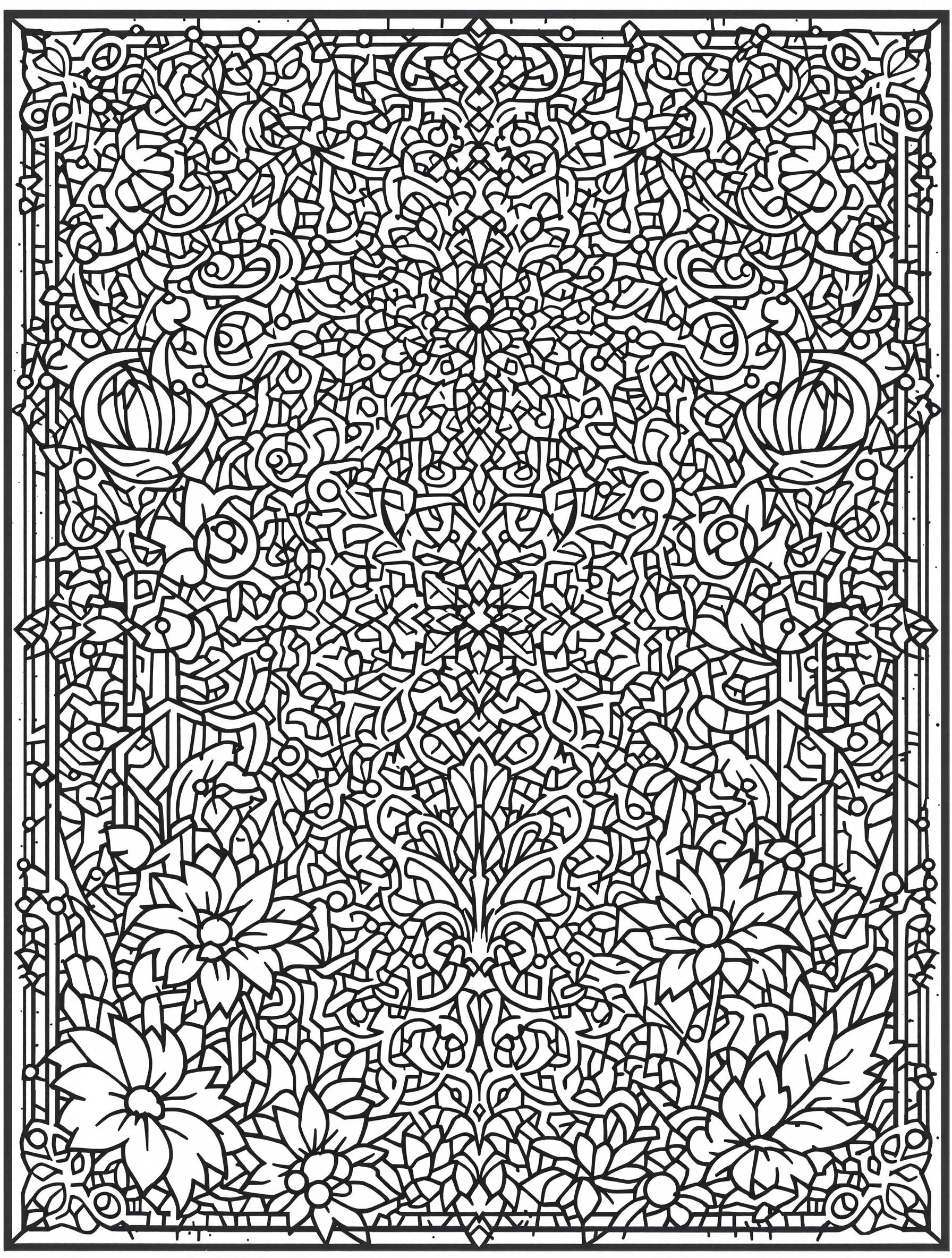
Complex coloring pages hard to complete function as advanced cognitive and fine-motor tools designed to build hand muscle strength, visual-spatial awareness, and sustained attention spans in growing children. According to the National Association for the Education of Young Children (NAEYC), purposeful fine-motor skill practice during early childhood directly correlates with enhanced neurological development and foundational readiness for academic writing tasks. Integrating these intricate printable sheets into daily lesson plans provides educators and caregivers with an effective method to challenge advanced learners beyond basic coloring sheets. Practitioners seeking diverse cognitive challenges often explore specialized Coloring Pages to maintain student engagement.
Curriculum Practice Snapshot:
- Core Focus: Detailed illustrations with intricate patterns designed to build advanced fine-motor control and sustained concentration.
- Target Scope: Upper elementary students, advanced kindergarteners, and homeschoolers requiring elevated skill practice.
- Key Recommendation: Pair complex designs with high-precision writing instruments to maximize wrist stability and grip endurance.
Core Principles and Detailed Overview
Advanced geometric patterns, tiny enclosed spaces, and detailed mandalas define coloring pages hard to navigate, requiring precise hand-eye coordination and deliberate pencil control. These high-density printables force children to modulate grip pressure, slow down pacing, and make calculated micro-movements to avoid straying outside tightly bounded lines. Beyond physical dexterity, these complex sheets stimulate cognitive endurance, encouraging children to problem-solve spatial orientation and color distribution across intricate compositions. Educators frequently supplement these design tasks with foundational Handwriting & Tracing modules to reinforce identical wrist stabilization muscles.
Key Specifications and Breakdown
| Grade / Developmental Stage | Target Learning Skill | Instructional Strategy & Scaffolding |
|---|---|---|
| Early Kindergarten | Pencil pressure modulation | Provide thicker outlines with isolated complex sections to build tolerance. |
| Late Elementary | Micro-motor spatial planning | Introduce continuous mandalas and architectural sketches requiring multi-step coloring strategies. |
| Homeschool Advanced | Sustained task focus and grit | Allocate dedicated quiet periods for independent completion without time constraints. |
Targeted fine-motor skill interventions yield measurable improvements in foundational pencil grip and spatial visualization metrics — National Center for Education Statistics (NCES)
Step-by-Step Practical Application and Guidelines
Implementing complex design sheets effectively requires a structured three-step instructional sequence beginning with instrument selection, progressing through spatial mapping, and concluding with guided execution. First, educators must supply sharp-tipped colored pencils, fine-point markers, or gel pens rather than thick wax crayons, ensuring children can physically access microscopic canvas areas. Second, instructors should guide students to identify central focal points and establish a color-blocking strategy before beginning dense patterns, reducing cognitive overload during the task. Finally, adults must monitor posture, lighting, and wrist elevation to prevent physical strain during extended periods of intense visual concentration, reinforcing habits learned through standard Worksheets.
Common Challenges and How to Avoid Them
Frustration and hand cramping represent the primary obstacles when children encounter intricate illustration tasks prematurely without adequate muscle preparation. To prevent student burnout, adults should avoid forcing completion in a single sitting, instead encouraging short, mindful intervals of concentrated coloring followed by hand-stretching exercises. Furthermore, educators must ensure that print quality remains crisp and high-resolution, as blurry or pixelated lines obscure the microscopic boundaries that make these specific activities pedagogically valuable. Pairing these detailed sheets with structured Learning Activities ensures a balanced curriculum that prevents cognitive fatigue.
💬 Frequently Asked Questions
Explore More Early Learning and Classroom Resources on Knowalla
Discovering high-quality educational materials enhances daily instruction and supports diverse student needs across every grade band. Educators and families can access a comprehensive repository of printable assets by visiting Teacher Resources or returning directly to the Knowalla homepage to elevate developmental lesson planning.
Printable Coloring Page Previews