Introduction
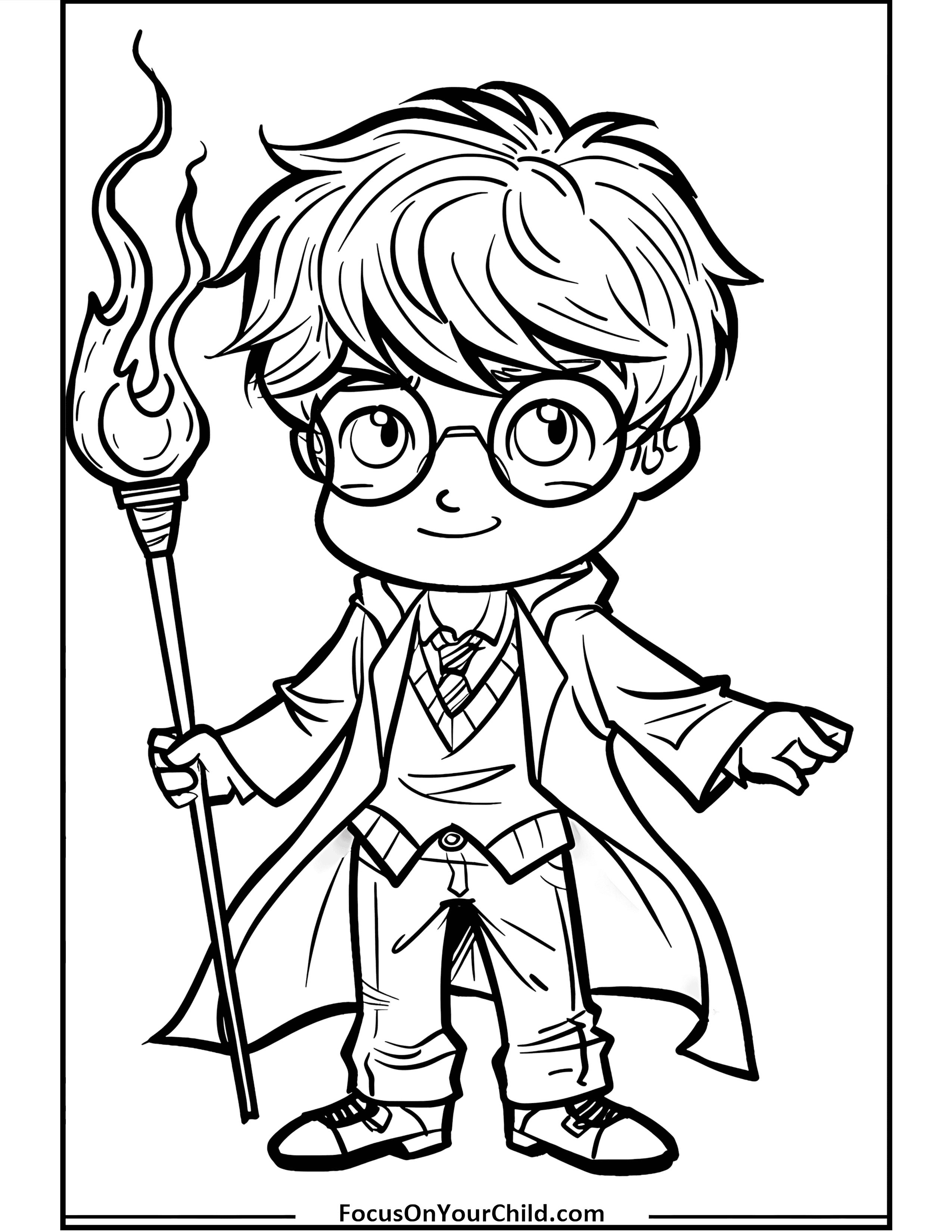
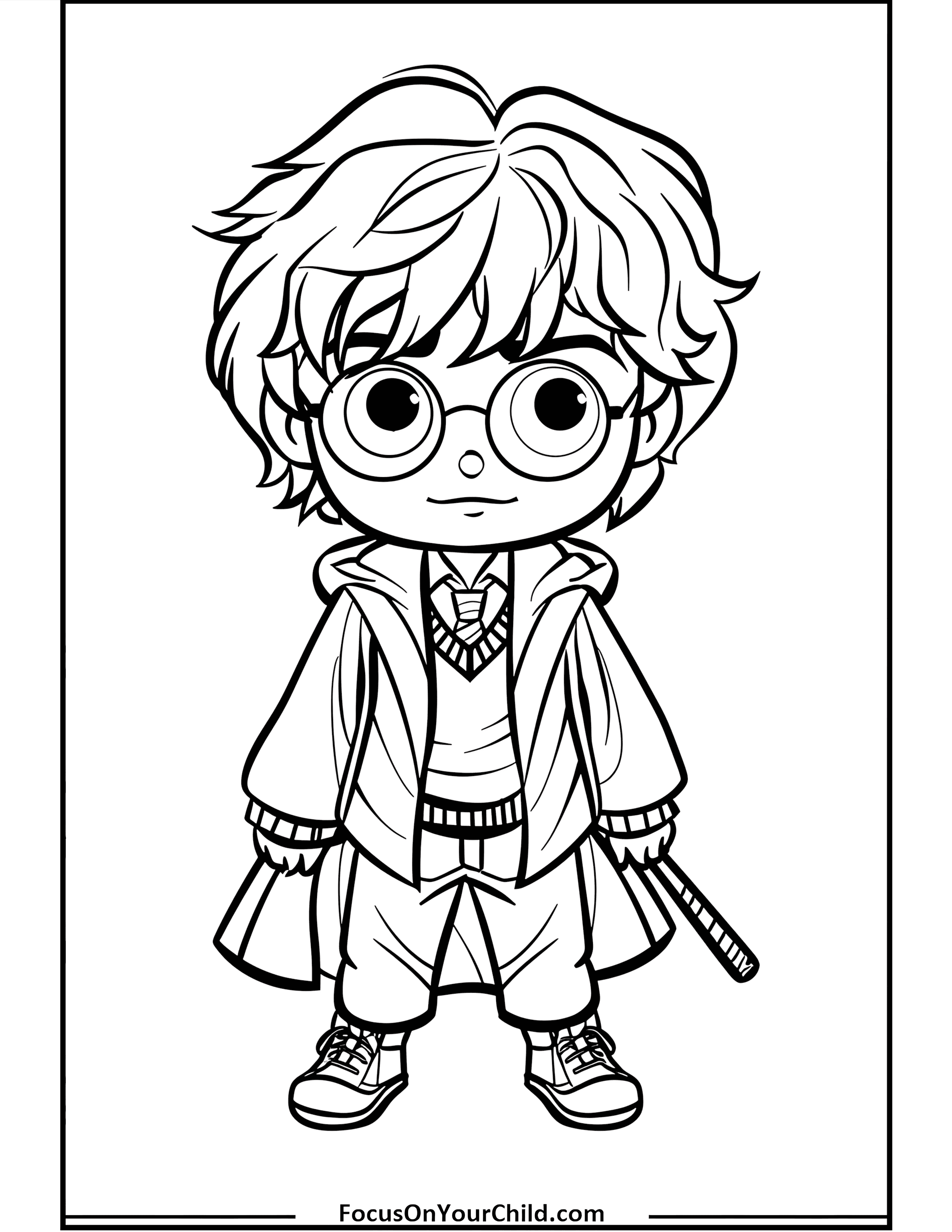
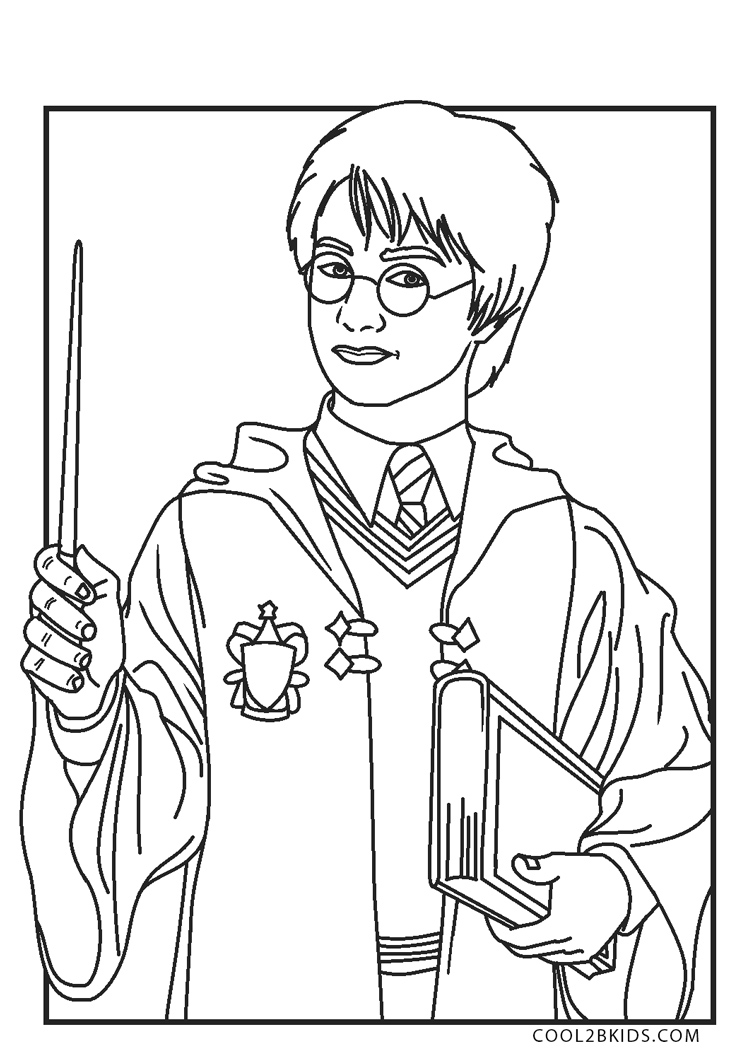
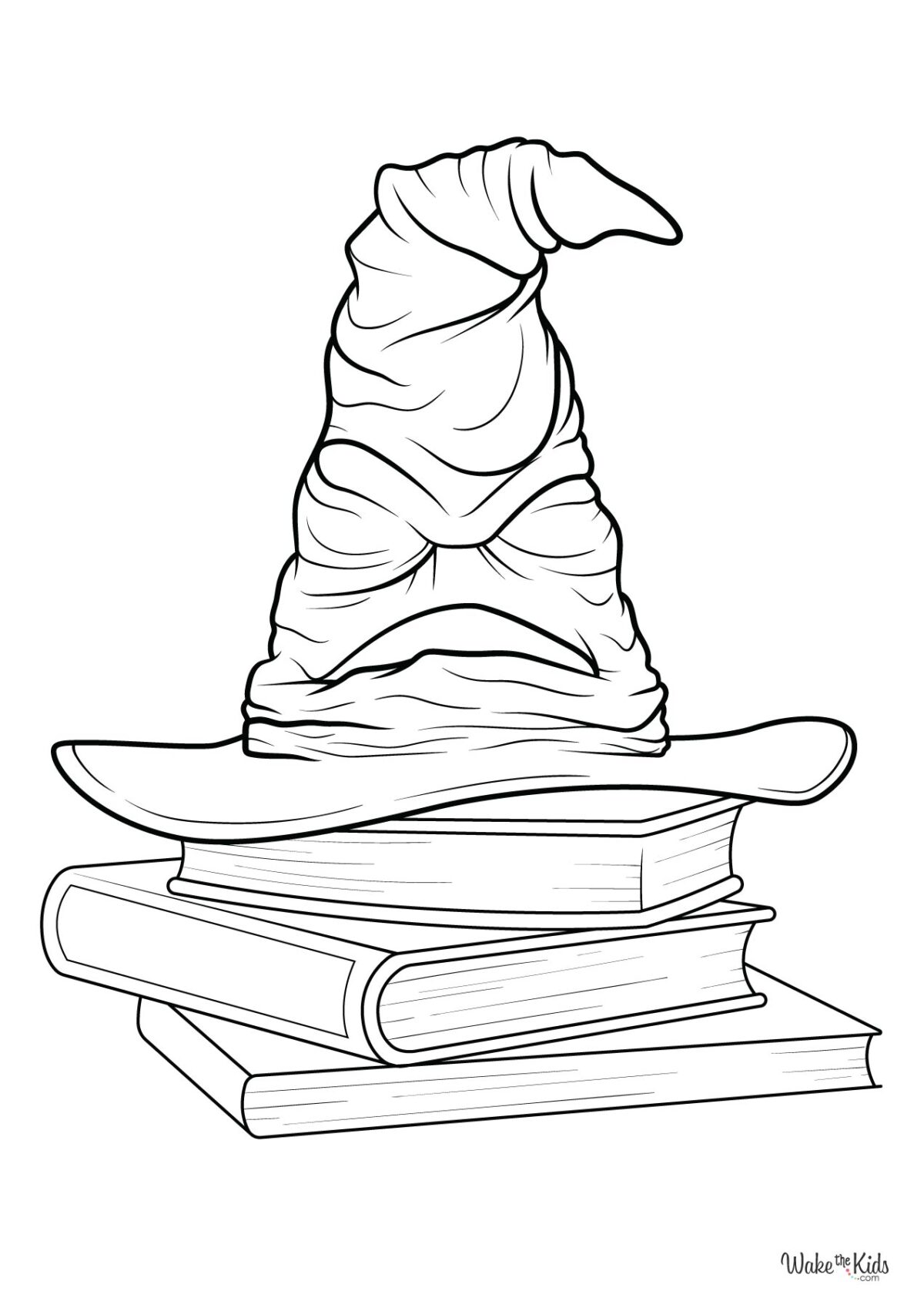
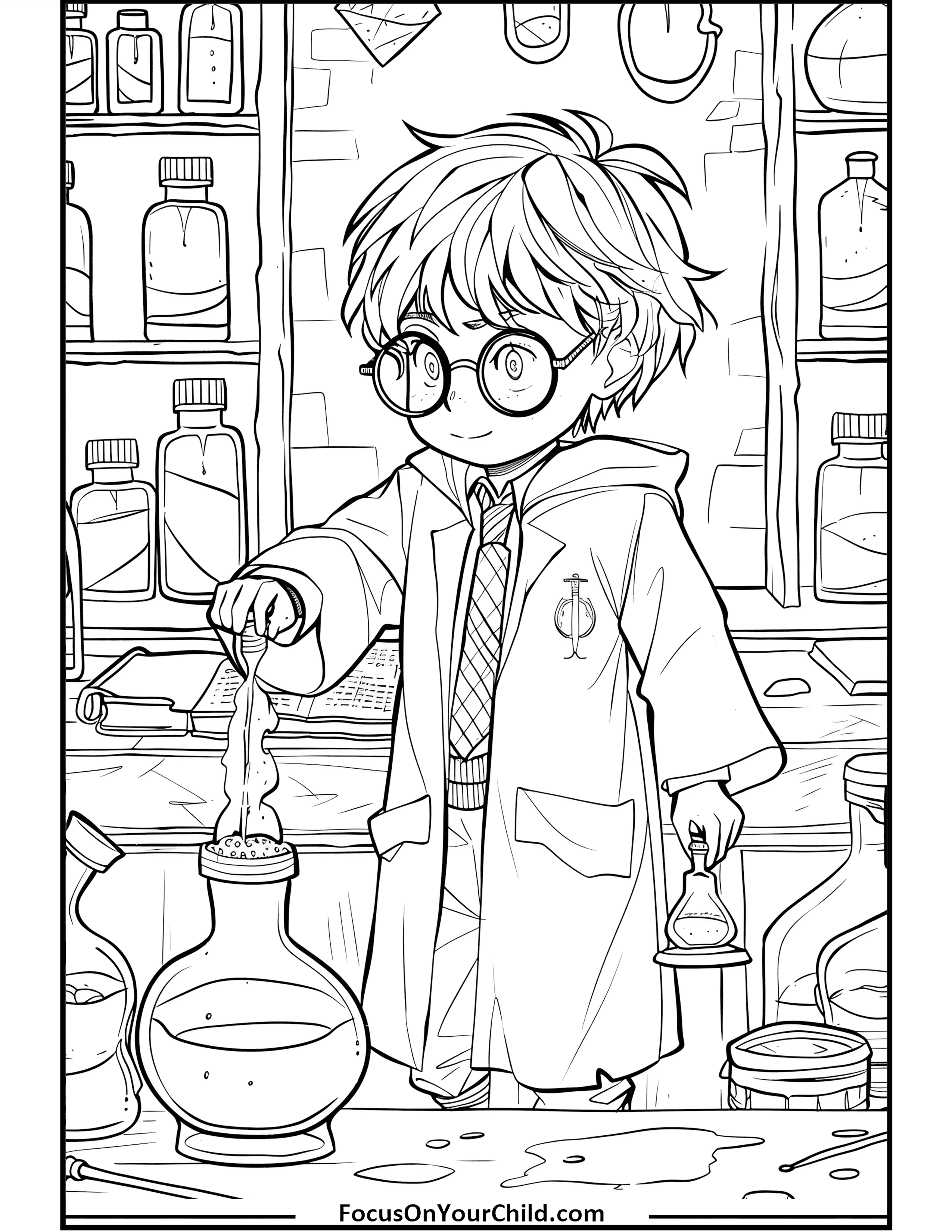
Harry Potter coloring pages serve as valuable early childhood educational tools that merge high-interest thematic engagement with essential fine-motor skill acquisition. According to the National Association for the Education of Young Children (NAEYC), purposeful artistic exploration and guided manual manipulation significantly enhance the neural pathways responsible for bilateral hand coordination and early writing readiness. Utilizing curated Coloring Pages within structured primary learning environments transforms passive entertainment into focused, skill-building pedagogy. Educators and homeschool parents leverage these printable assets to cultivate sustained attention spans, pencil control, and visual-spatial processing among developing learners.
Curriculum Practice Snapshot:
- Core Focus: Integrating thematic Harry Potter coloring worksheets to enhance early childhood fine-motor control and focus.
- Target Scope: Pre-K through Grade 3 classrooms, intervention groups, and homeschool environments.
- Key Recommendation: Pair structured coloring boundaries with explicit pencil grip correction and spatial awareness prompts.
Core Principles and Detailed Overview
Targeted coloring sheets featuring familiar literary icons provide an optimal scaffolding mechanism for foundational print mechanics and hand strength development. Direct answer: The primary developmental mechanism of Harry Potter themed coloring sheets involves strengthening the intrinsic muscles of the hand through controlled, repetitive wrist and finger movements. When children color within defined wizarding borders, they subconsciously practice visual tracking, boundary regulation, and pressure modulation. These printable assets bridge the gap between recreational imagery and rigorous Worksheets designed to build physical endurance for extended writing tasks.
Key Specifications and Breakdown
| Grade / Developmental Stage | Target Learning Skill | Instructional Strategy & Scaffolding |
|---|---|---|
| Pre-Kindergarten (Ages 3-4) | Palmar and digital grasp stability | Utilize thick-bordered illustrations paired with large crayons to build initial hand strength. |
| Kindergarten (Ages 5-6) | Pincer grip refinement and boundary control | Incorporate intricate character outlines requiring controlled directional shading and colored pencils. |
| Early Elementary (Grades 1-3) | Visual-spatial planning and endurance | Combine detailed scene coloring with descriptive Handwriting & Tracing prompts below the image. |
Structured fine-motor interventions and visual arts integration measurably accelerate foundational handwriting dexterity and spatial orientation in primary learners — What Works Clearinghouse (IES)
Step-by-Step Practical Application and Guidelines
Implementing thematic wizarding art sheets requires a structured, three-phase instructional sequence to maximize both engagement and cognitive benefit. Direct answer: Educators successfully integrate these printables by first conducting a visual literacy discussion, transitioning to guided grip observation during the coloring phase, and concluding with a reflective sharing circle. Initially, instructors introduce the page vocabulary and highlight specific sections that require intricate shading. Next, adults monitor proper tripod grasp and paper stabilization techniques while children complete the artwork. Finally, students articulate their color choices, reinforcing oral language development alongside physical coordination.
Common Challenges and How to Avoid Them
Premature hand fatigue and accidental boundary crossing frequently occur when children attempt overly complex illustrations without proper preparatory scaffolding. Direct answer: Overcome fine-motor frustration by grading the complexity of printable pages to match current physical endurance levels and providing specialized ergonomic writing tools. Educators must avoid rushing the coloring process, prioritizing steady, controlled wrist movement over completion speed. Supplementing art sessions with targeted Learning Activities ensures a balanced curriculum that protects developing hand joints from strain.
💬 Frequently Asked Questions
Explore More Early Learning and Classroom Resources on Knowalla
Optimizing early childhood education requires access to diverse, high-quality instructional materials that engage students while addressing essential developmental standards. Explore a comprehensive digital catalog designed to support educators and parents by visiting Teacher Resources and browsing the extensive archives available directly on Knowalla.
Printable Coloring Page Previews