Introduction
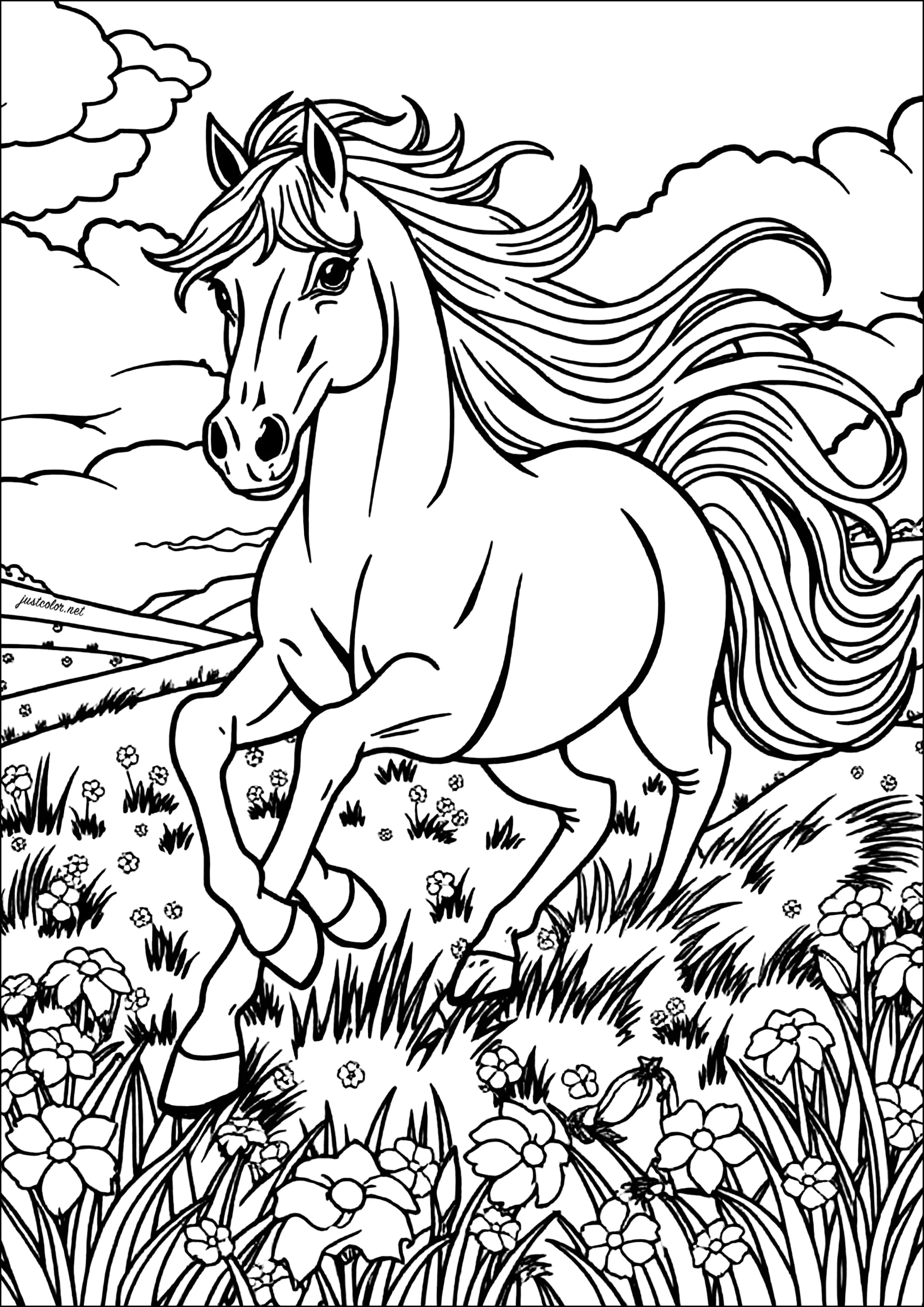
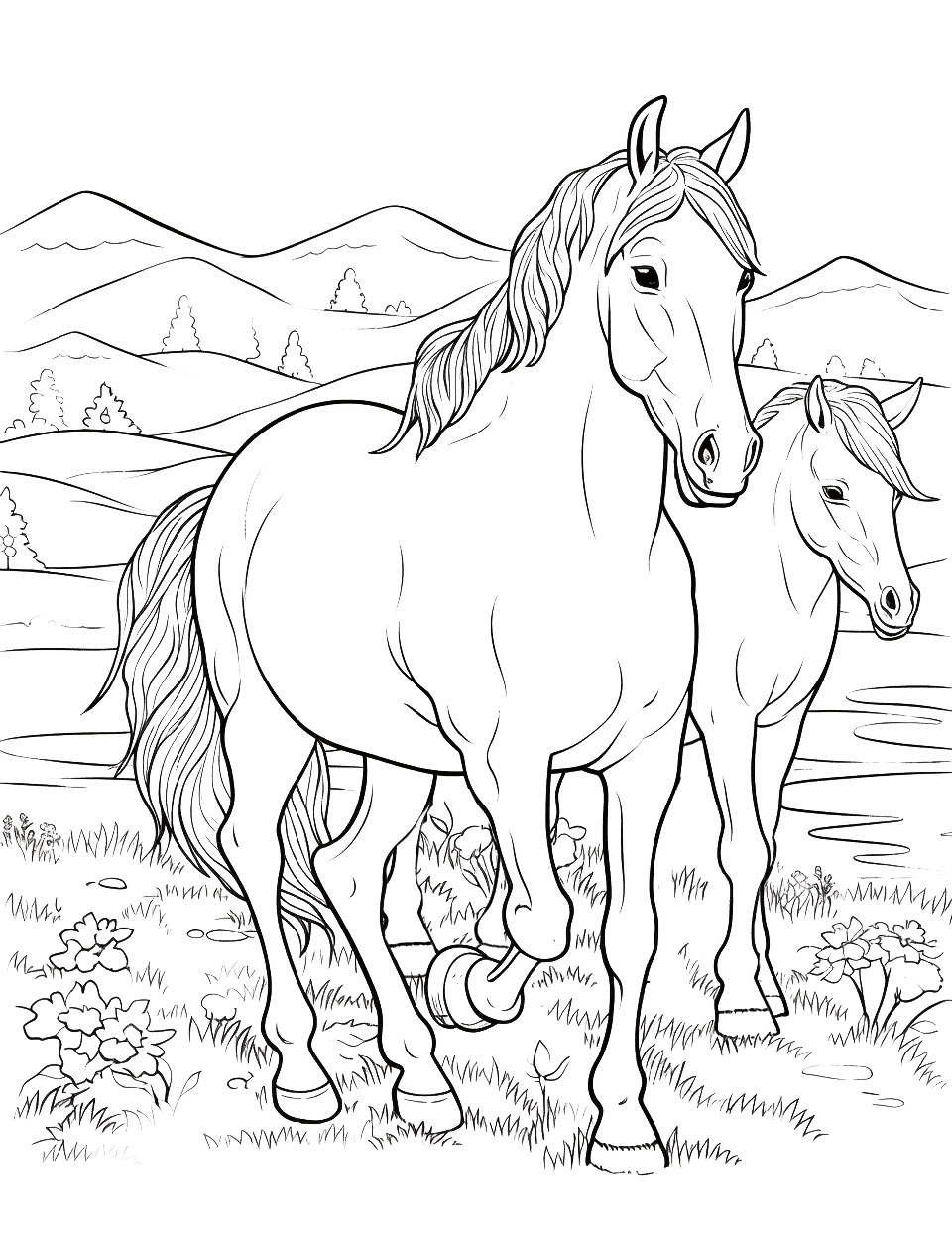
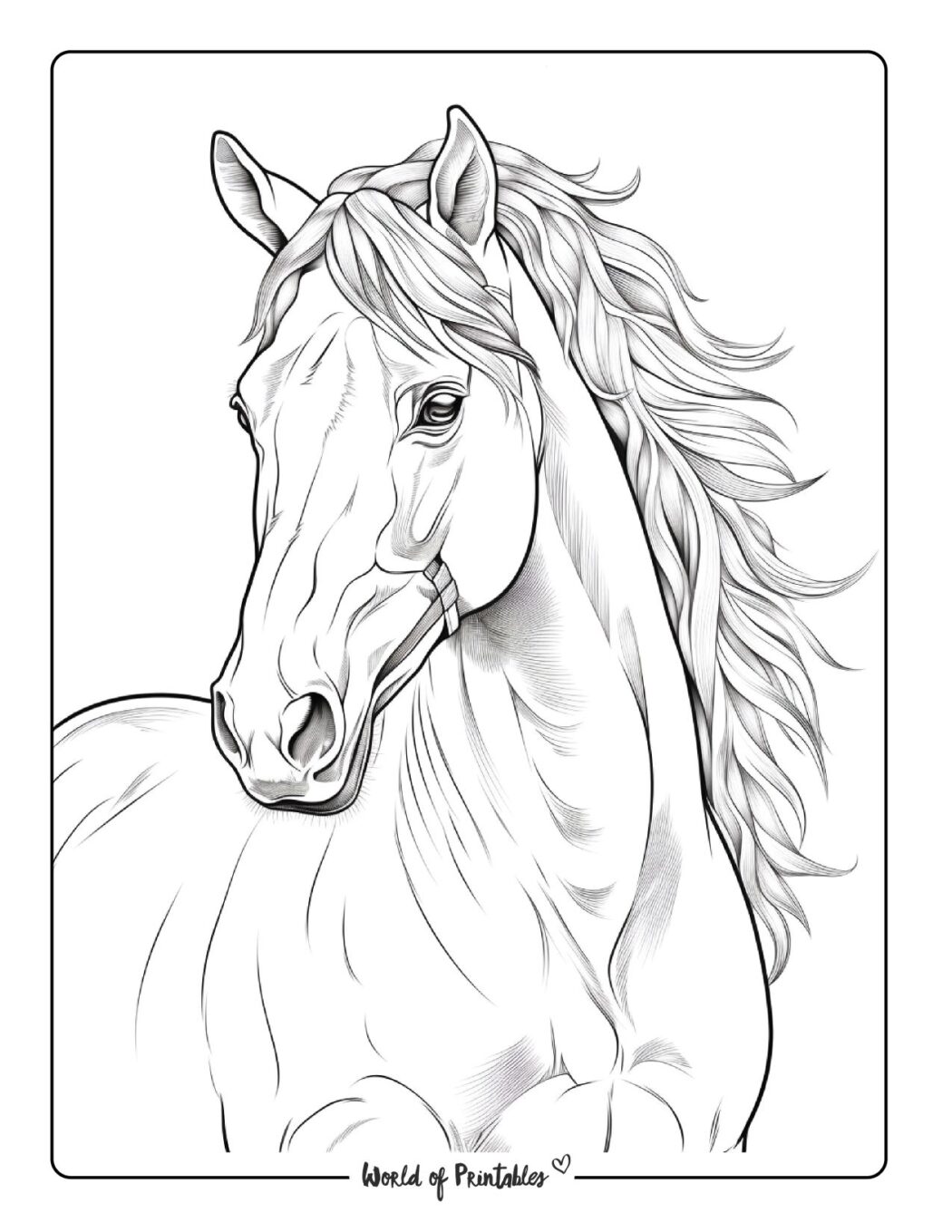
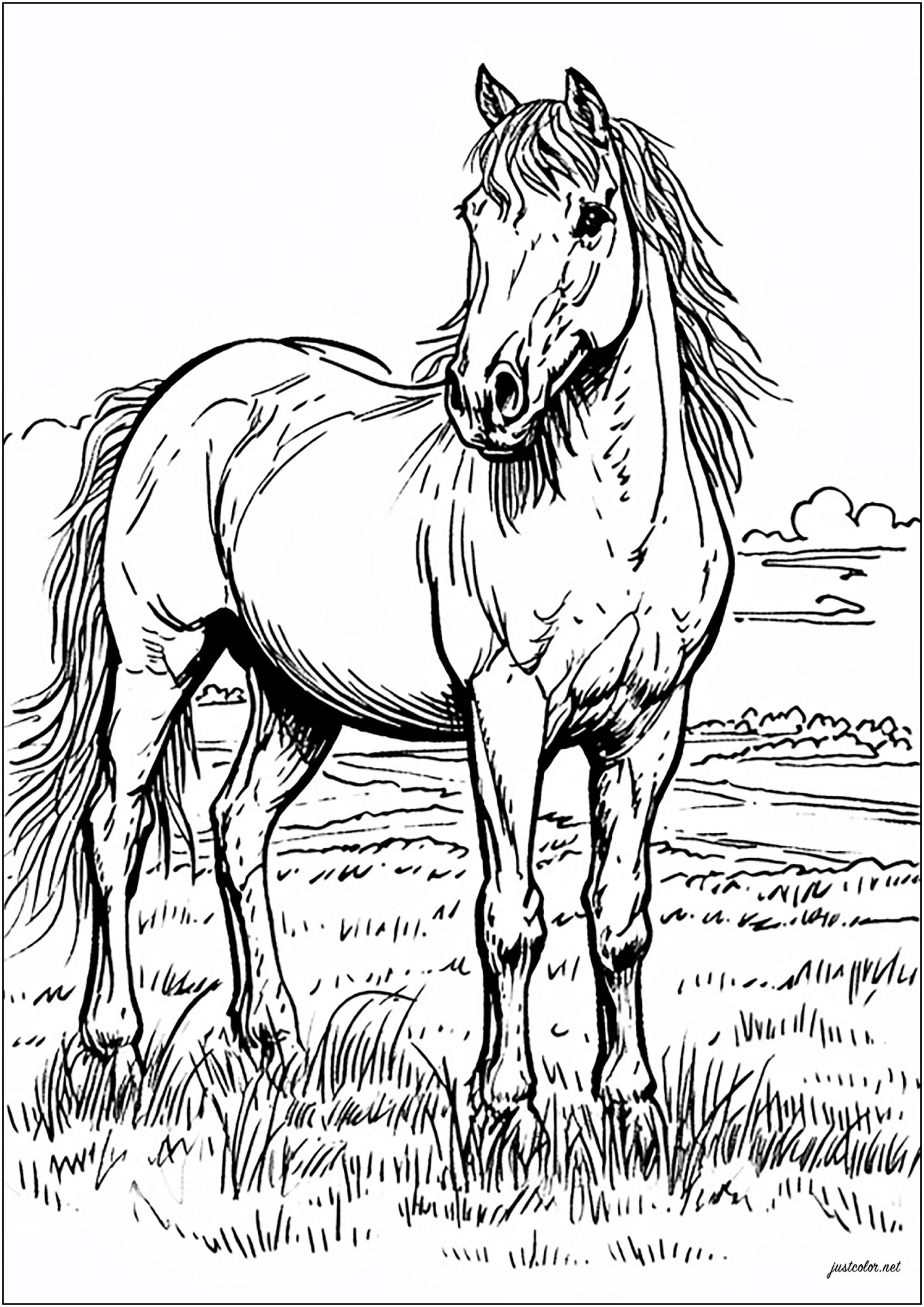
Coloring pages horses are structured early childhood printable resources specifically engineered to build fundamental fine-motor strength, hand-eye coordination, and pre-writing pencil control through targeted artistic execution. According to the National Association for the Education of Young Children (NAEYC), purposeful manipulative tasks involving crayons, colored pencils, and structured visual borders actively support the neurological development required for future academic mastery. Educators and homeschool parents frequently integrate thematic equine imagery into daily curricula because children exhibit high engagement rates when rendering animals, which naturally extends attention spans during seatwork. Utilizing printable skill practice sheets bridges recreational art and rigorous motor skill refinement, supporting essential developmental milestones in preschool and kindergarten classrooms.
Curriculum Practice Snapshot:
- Core Focus: Printable equestrian-themed graphic sheets designed for fine-motor development and pencil grip conditioning.
- Target Scope: Early childhood education settings, spanning ages three through seven.
- Key Recommendation: Pair structured boundary-following exercises with targeted Handwriting & Tracing sheets to maximize neuromuscular transfer.
Core Principles and Detailed Overview
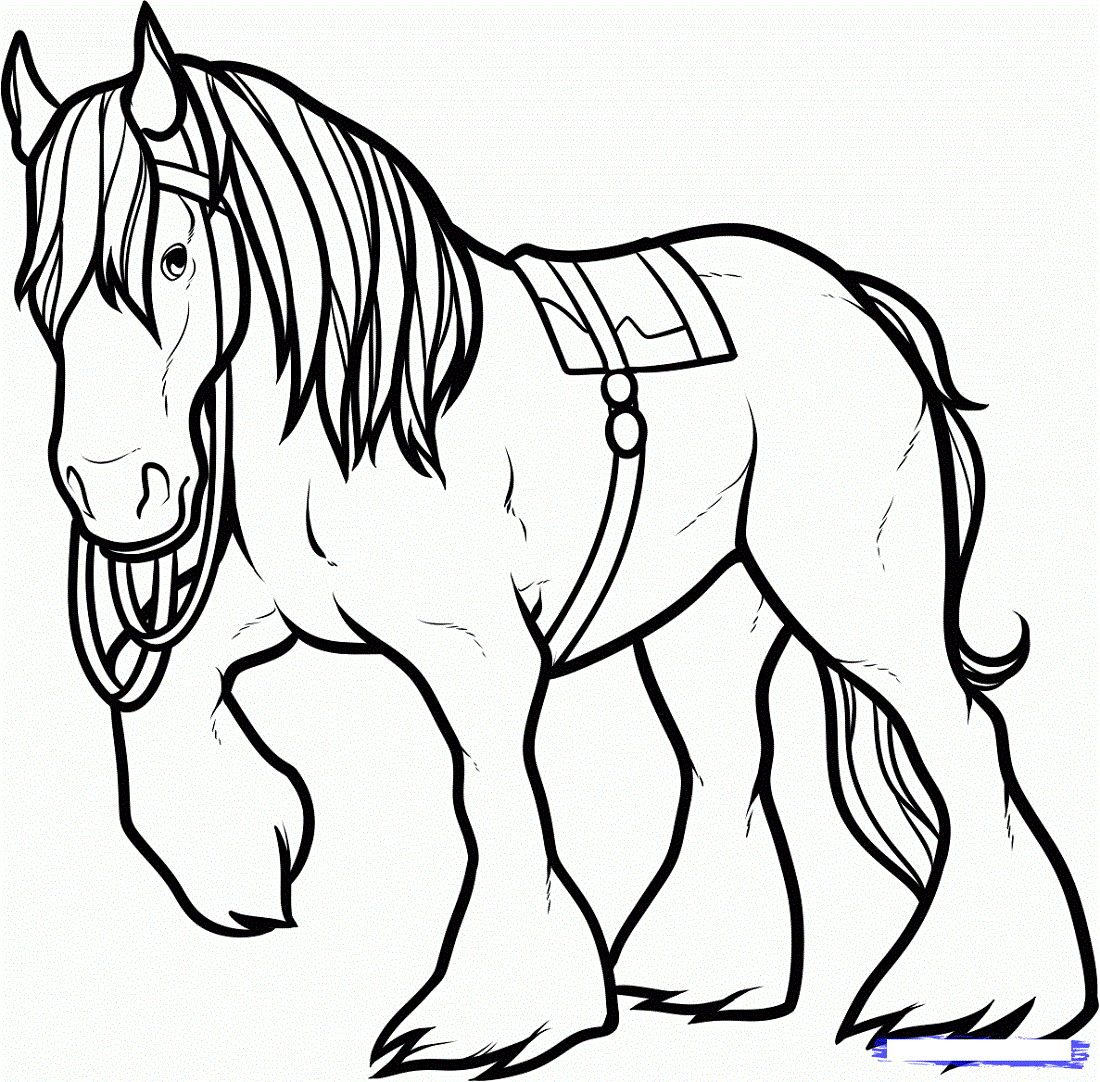
Equine-themed graphic illustrations provide an optimal visual framework for teaching directional strokes, spatial boundaries, and color theory to young learners. When children manipulate writing instruments to fill bounded shapes representing manes, hooves, and pastures, the intrinsic reward of completing a recognizable animal reinforces sustained concentration. These instructional resources integrate seamlessly into broader Learning Activities, allowing instructors to pair art sessions with vocabulary building, life science units on mammals, or storytelling prompts. Furthermore, teachers utilize differentiated versions ranging from bold, thick-lined silhouettes for toddlers to intricate geometric mane patterns for older primary students, ensuring that every learner achieves success within their current zone of proximal development.
Key Specifications and Breakdown
| Grade / Developmental Stage | Target Learning Skill | Instructional Strategy & Scaffolding |
|---|---|---|
| Pre-K (Ages 3-4) | Palmar grasp transition and gross boundary control | Deploy ultra-thick outline sheets paired with jumbo wax crayons to encourage natural hand strength. |
| Kindergarten (Ages 5-6) | Pincer grasp refinement and directional shading | Utilize medium-weight outlines featuring distinct sections like saddles and bridles for color-matching practice. |
| Early Primary (Ages 6-7) | Detailed wrist articulation and stamina | Introduce complex anatomical illustrations alongside vocabulary labels for cross-curricular writing integration. |
Explicit fine-motor instruction combined with visual-spatial manipulation yields measurable gains in early pencil dexterity and handwriting readiness — Institute of Education Sciences (IES)
Step-by-Step Practical Application and Guidelines
Implementing horse-themed artistic worksheets effectively requires a deliberate three-step pedagogical sequence that moves from tactile preparation to independent execution. First, educators introduce the vocabulary of the animal, discussing anatomical features such as the mane, tail, and hooves to activate prior knowledge and build oral language skills. Second, instructors model proper pencil or crayon grip at the whiteboard or document camera, explicitly demonstrating how to stay within closed boundary lines while utilizing smooth, controlled lateral strokes. Third, learners complete the designated sheet independently while instructors circulate the room to provide corrective feedback regarding posture, paper stabilization, and grip pressure. Supplementing this sequence with standard Worksheets reinforces cognitive retention across multiple subject areas.
Common Challenges and How to Avoid Them
Frustration regarding staying within boundaries typically stems from selecting illustrations that exceed a child’s current visual-motor integration level or utilizing writing tools that are improperly sized for small hands. Educators can easily overcome this challenge by curating a portfolio of developmental sheets that match exact grip capabilities, replacing broken crayons with triangular colored pencils that naturally enforce correct finger placement. Another common oversight is treating artistic time in isolation without connecting the visual activity back to literacy or science objectives; framing the task as part of a comprehensive animal study transforms passive coloring into an active multidisciplinary lesson. Relying on structured Teacher Resources ensures that every instructional printable aligns with established early learning standards.
💬 Frequently Asked Questions
Explore More Early Learning and Classroom Resources on Knowalla
Discover an extensive library of educational printables, creative arts, and foundational skill-builders designed to support early childhood educators and parents. Access thousands of premium materials by visiting Coloring Pages or navigating directly to the main portal at Knowalla to elevate your daily classroom instruction.
Printable Coloring Page Previews