Introduction
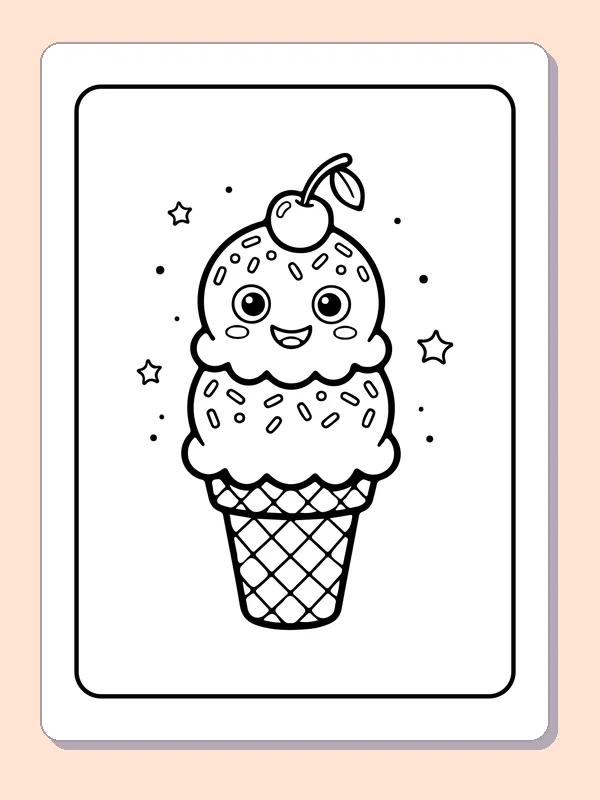
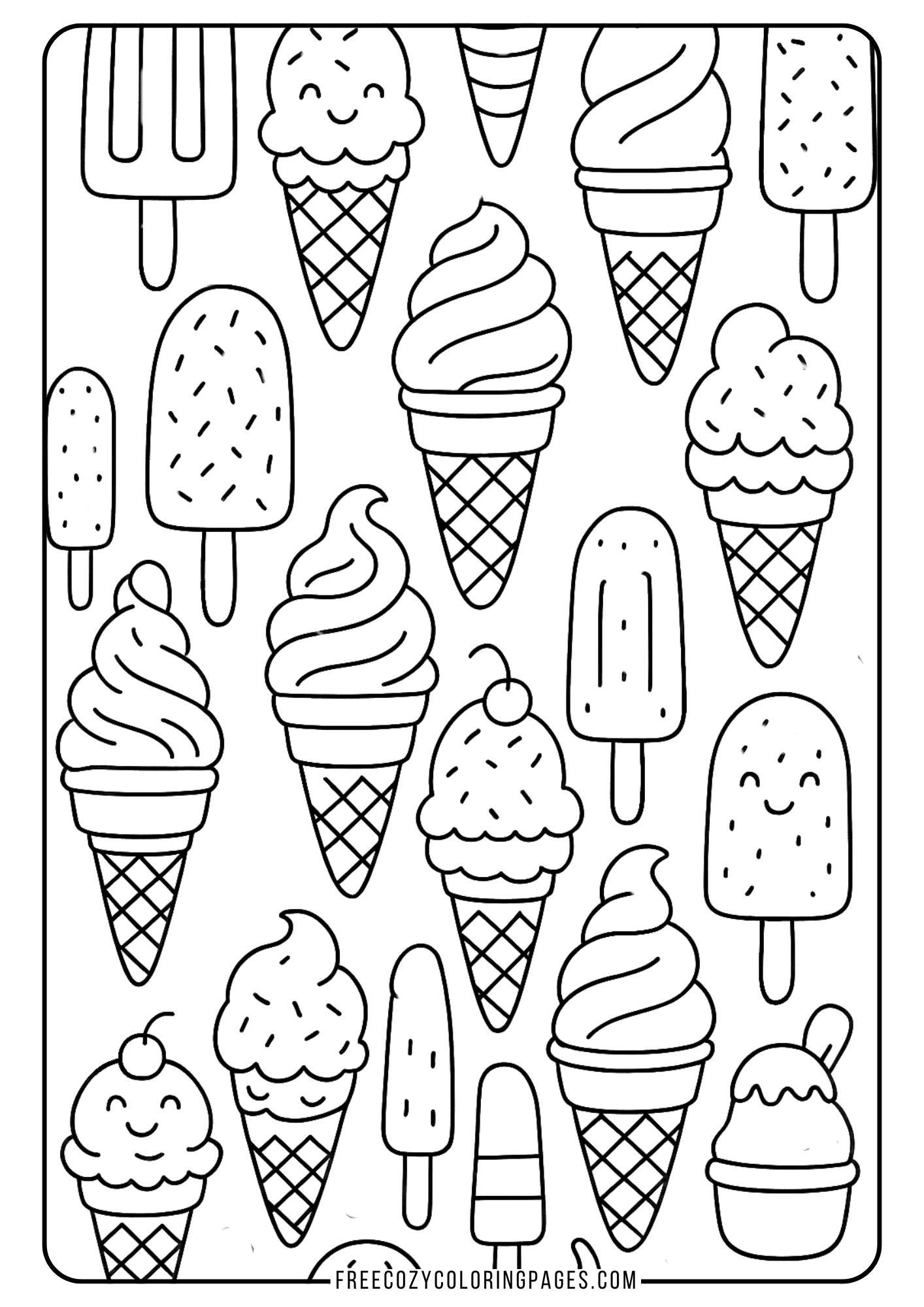
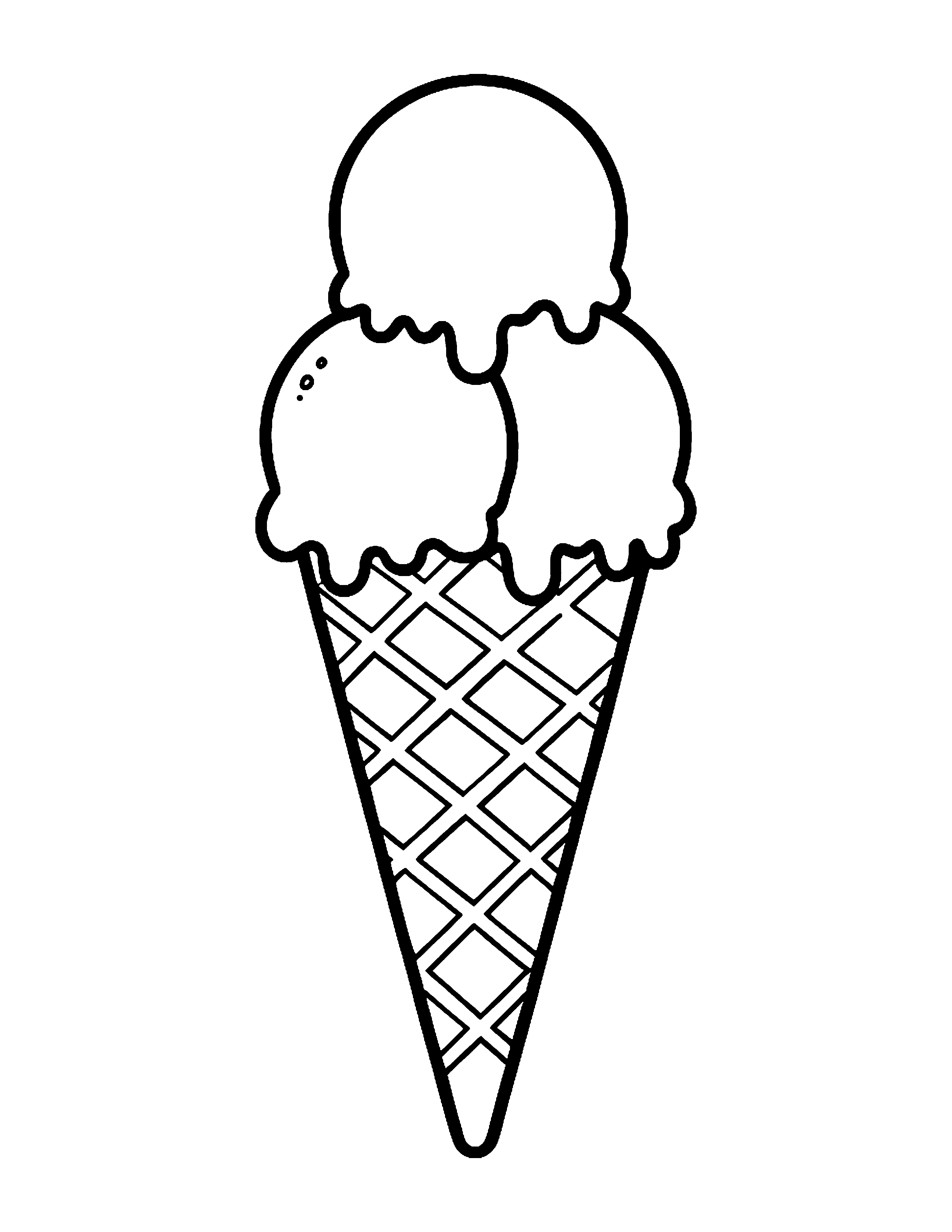
Coloring pages ice cream cone serve as targeted educational printables that combine fine-motor skill acquisition with early mathematical patterning, sorting, and creative expression. According to the National Association for the Education of Young Children (NAEYC), purposeful play and guided artistic manipulation foster critical cognitive development in early childhood curricula. Educators and homeschool parents leverage these thematic templates to build hand strength, bilateral coordination, and spatial awareness in young learners. Integrating structured visual art into daily lessons transforms basic pencil control into engaging, multi-sensory learning experiences.
Curriculum Practice Snapshot:
- Core Focus: Fine-motor control and early math scaffolding through ice cream themed coloring sheets.
- Target Scope: Pre-K through Grade 1 classrooms, early childhood centers, and homeschool environments.
- Key Recommendation: Combine visual coloring prompts with hands-on counting manipulatives to reinforce cross-curricular standards.
Core Principles and Detailed Overview
Fine-motor development relies heavily on the execution of controlled pencil strokes, boundary adherence, and sustained grip strength cultivated by structured Coloring Pages. The symmetrical geometry of a standard ice cream cone provides an optimal visual boundary for young children learning to regulate pressure and directional movement. By targeting specific grip patterns, these worksheets prepare young hands for advanced Handwriting & Tracing exercises required later in primary school. Furthermore, educators utilize the distinct sections of a multi-scoop dessert to introduce patterning, color identification, and basic sorting tasks.
Key Specifications and Breakdown
| Grade / Developmental Stage | Target Learning Skill | Instructional Strategy & Scaffolding |
|---|---|---|
| Preschool (Ages 3-4) | Palmar to pincer grip transition and boundary awareness | Provide oversized, thick-lined illustrations alongside thick crayons. |
| Pre-Kindergarten (Ages 4-5) | Color matching, sequencing, and counting scoops | Incorporate number prompts instructing children to color exact amounts of scoops. |
| Kindergarten (Ages 5-6) | Precision shading and pattern recognition (AB, ABC patterns) | Use patterned borders and demand alternating colored sections across layers. |
Structured fine-motor interventions significantly enhance early neurological pathways responsible for visual-spatial organization and pencil grip stability — What Works Clearinghouse (IES)
Step-by-Step Practical Application and Guidelines
Implementing ice cream cone coloring sheets effectively requires a scaffolded approach that connects art to foundational academic concepts. First, introduce the printable by modeling correct pencil or crayon grips, emphasizing wrist stability and finger placement over raw speed. Second, attach an academic objective to the activity, such as asking learners to color alternating scoops red and yellow to demonstrate pattern mastery. Third, integrate these art sheets into broader Learning Activities where students physically stack blocks matching the exact color sequence of their finished paper cones.
Common Challenges and How to Avoid Them
Frustration regarding staying inside designated lines often occurs when the visual stimulus lacks clear spatial differentiation or when writing utensils are ill-suited for the child’s developmental grip stage. Educators overcome this obstacle by utilizing thick-bordered printable Worksheets that naturally trap stray marks, thereby building confidence without inducing cognitive overload. Another common pitfall involves treating coloring merely as idle downtime; instructional specialists prevent this by embedding explicit counting, sorting, or vocabulary-building prompts directly onto the page margins.
💬 Frequently Asked Questions
Explore More Early Learning and Classroom Resources on Knowalla
Enhance daily instructional planning with comprehensive printables, expert guides, and specialized Teacher Resources designed to engage young minds. Discover a vast library of educational assets by visiting Knowalla today.
Printable Coloring Page Previews