Introduction
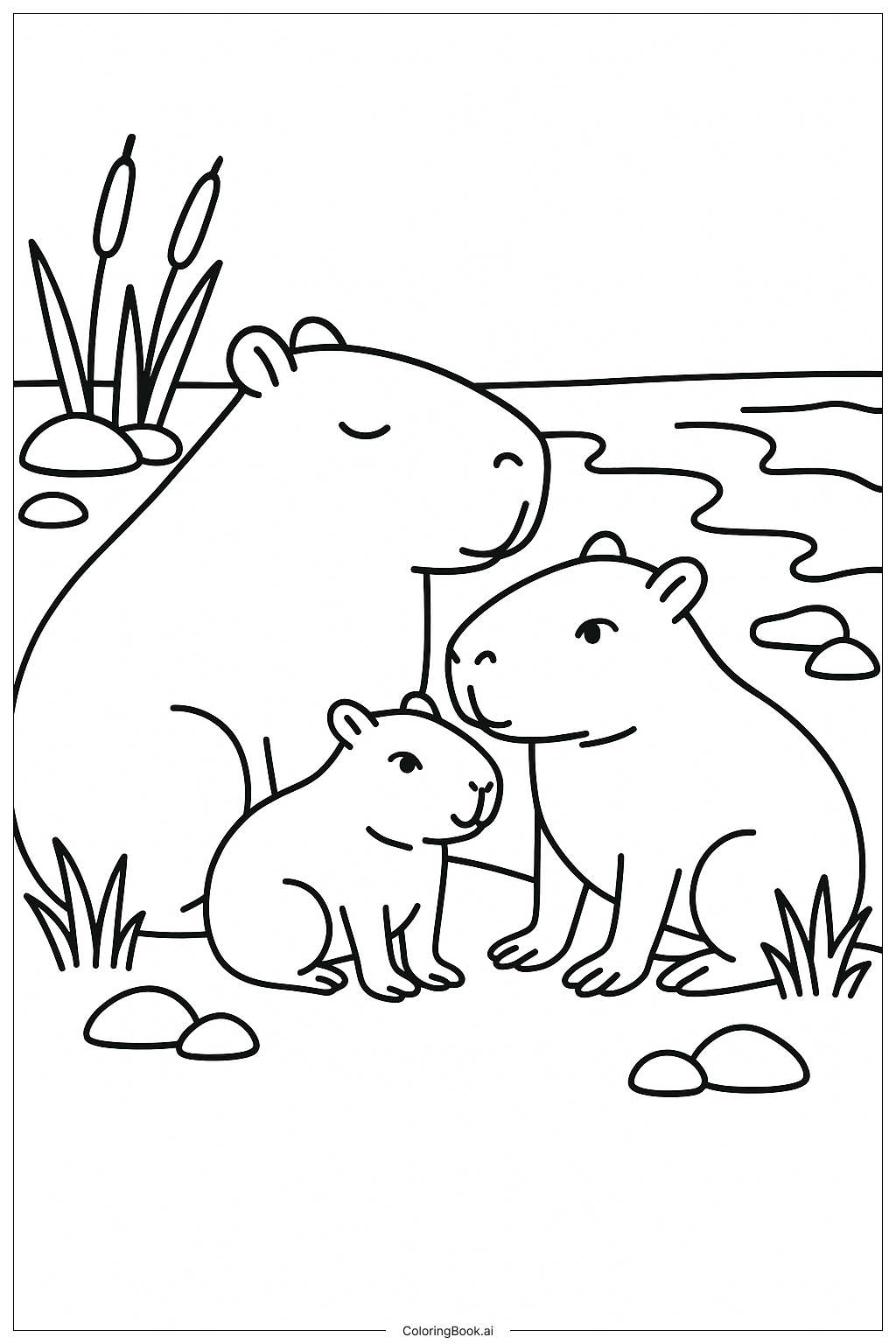
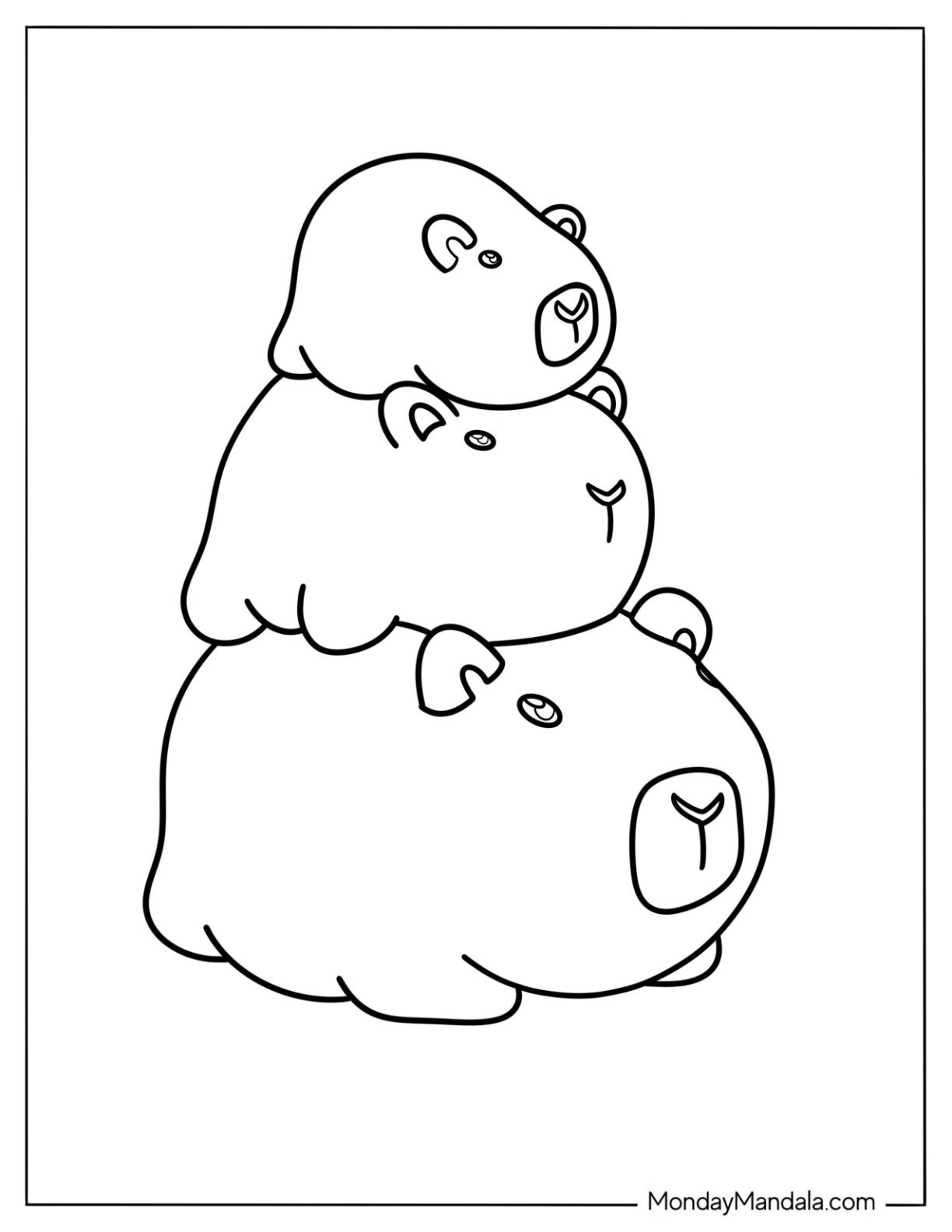
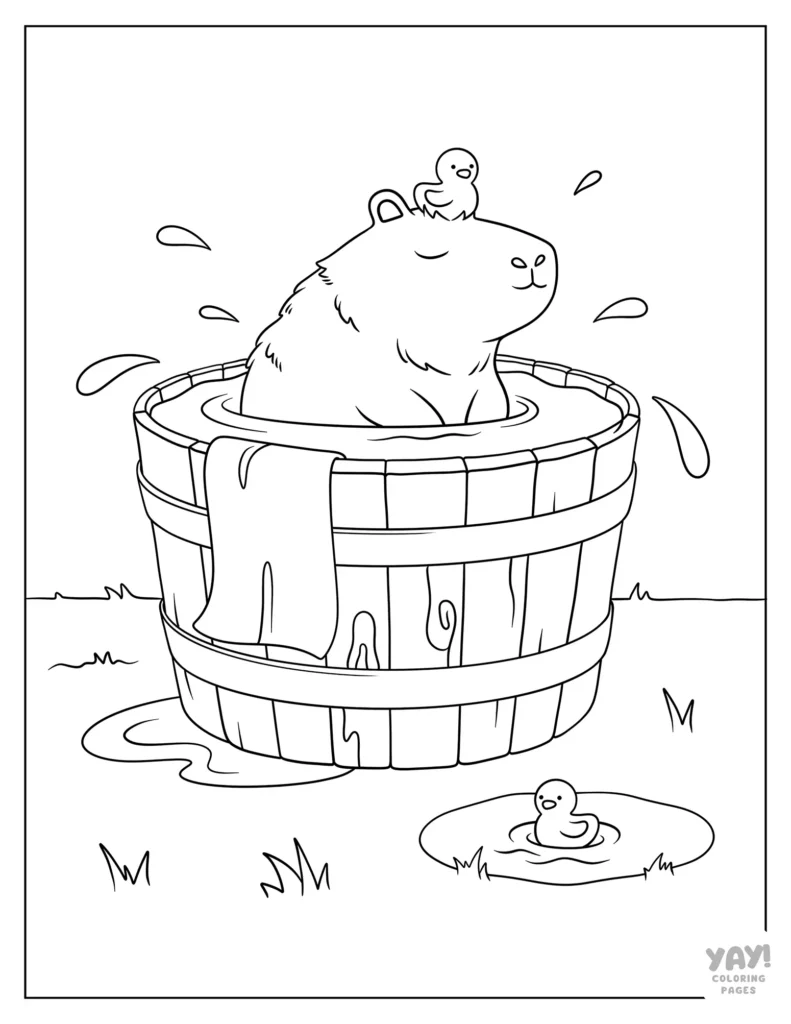
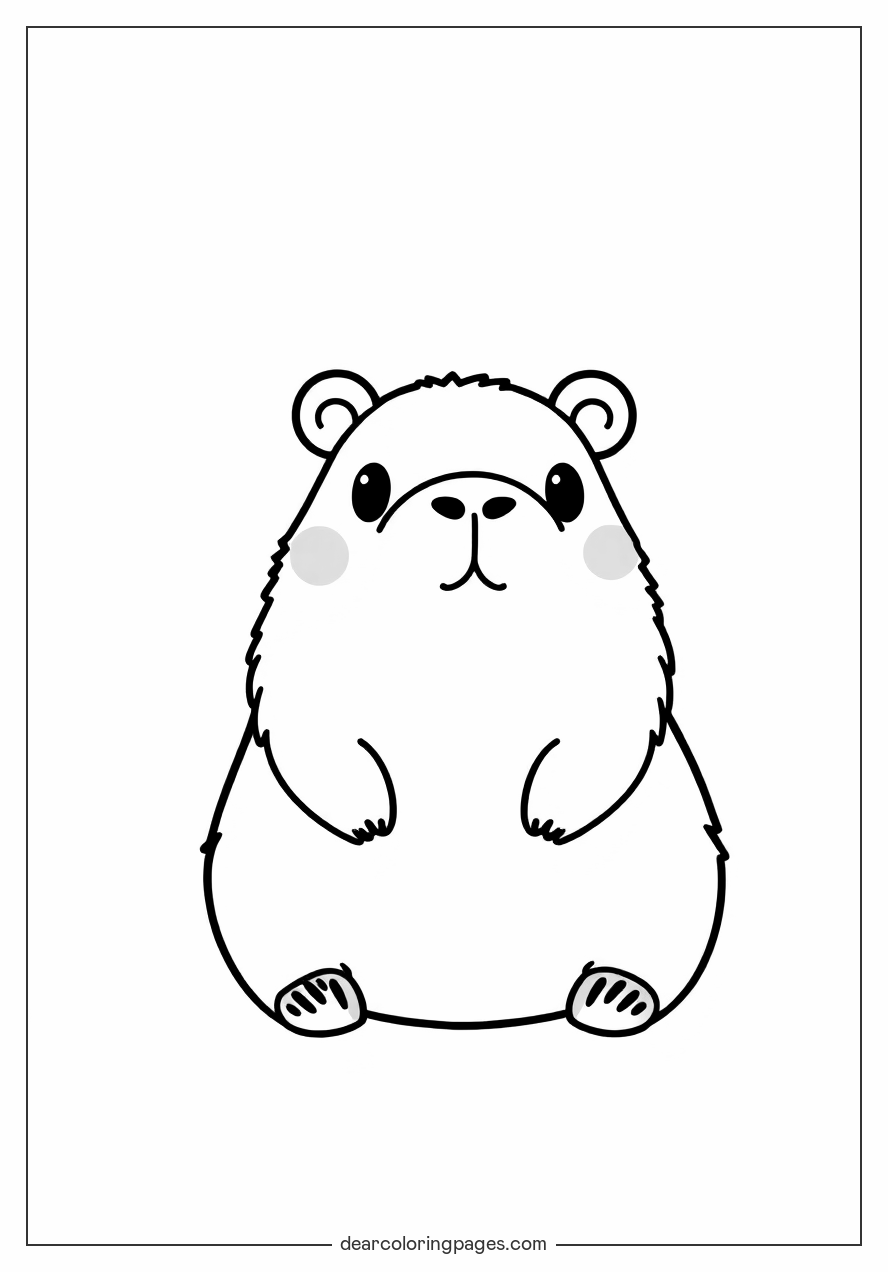
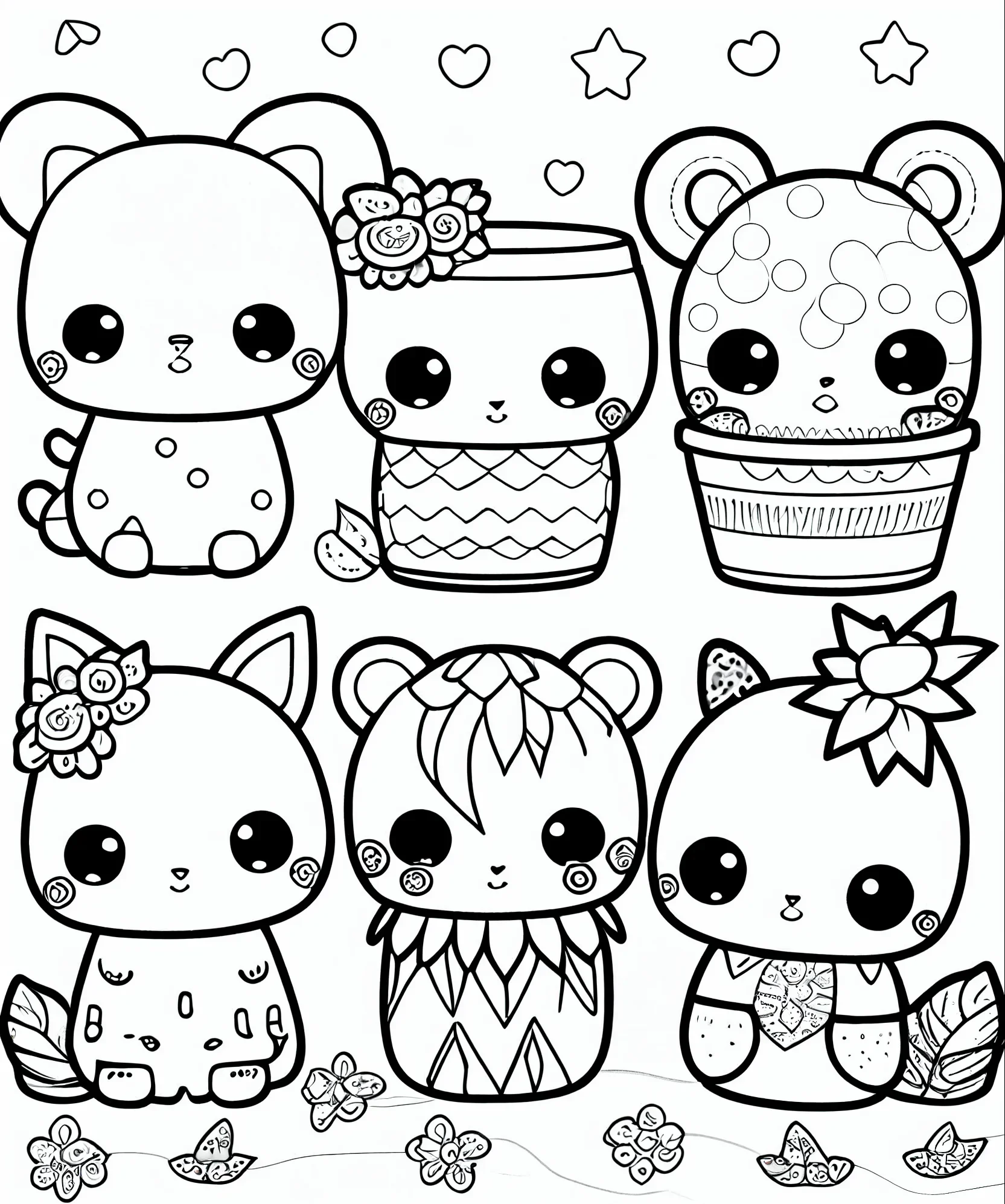
Coloring pages capybara represent a low-risk, offline-capable digital resource that serves as a bridge for teaching young students healthy device balance and fundamental media literacy. According to ConnectSafely, integrating tangible off-screen activities with structured digital tasks significantly reduces excessive screen time while reinforcing safe internet navigation habits. Educators and school administrators frequently utilize wholesome animal themes, such as printable capybara designs, to transition middle school students away from unmonitored browsing platforms and into secure, productive classroom environments. Establishing clear boundaries around digital art repositories prevents students from encountering malicious advertising, unverified trackers, and hidden malware present on predatory coloring websites.
Digital Safety Snapshot:
- Core Focus: Safe sourcing and classroom management of printable capybara art activities.
- Target Scope: Educational institutions, hybrid classrooms, and middle school digital citizenship programs.
- Key Recommendation: Restrict student device access to pre-vetted educational portals and offline PDF repositories.
Core Principles and Detailed Overview
Managing simple search queries like coloring pages capybara requires strict adherence to institutional device hygiene and student data privacy protocols. Unvetted image search engines often expose children to inappropriate banner advertisements, malicious redirect links, and data-harvesting trackers disguised as free activity sheets. Teachers and parents must curate digital art libraries centrally, ensuring that any Coloring Pages accessed on school-issued tablets originate from trusted educational domains. Maintaining a secure digital footprint involves teaching students to recognize secure HTTPS connections, avoid downloading executable files disguised as image attachments, and report suspicious pop-ups immediately to network administrators.
Key Specifications and Breakdown
| Safety Pillar | Digital Risk Factor | Actionable Protective Habit |
|---|---|---|
| Network Security | Malicious redirects from unverified printable websites | Use centralized Internet and Digital Safety protocols to whitelist approved URLs |
| Screen Balance | Excessive passive scrolling on commercial art portals | Transition students to printable Worksheets for offline engagement |
| Data Privacy | Accidental submission of personal information on pop-up forms | Enforce strict school-wide Online and Digital Safety policies regarding form completion |
Proactive web filtering and direct repository pre-loading eliminate unauthorized tracking risks during creative classroom activities. — Cybersecurity & Infrastructure Security Agency (CISA)
Step-by-Step Practical Application and Guidelines
Executing secure digital art sessions begins with educators downloading batch PDF files directly onto local school servers rather than permitting live web browsing during class hours. Instructors should demonstrate how to verify file extensions before opening any downloaded material, ensuring that malicious scripts cannot execute on district hardware. Middle school students benefit from explicit lessons on intellectual property, understanding that even simple animal drawings found online are subject to copyright and safe-sharing guidelines. Establishing routine device maintenance checks prevents cache clutter, minimizes browser vulnerabilities, and reinforces lifelong habits of responsible digital citizenship across all academic environments.
Common Challenges and How to Avoid Them
Preventing accidental exposure to inappropriate content during creative art searches demands proactive technical configuration and continuous classroom supervision. Students searching independently often bypass standard content filters by utilizing unmonitored image search engines that display unsafe external links alongside animal illustrations. Administrators eliminate this vulnerability by locking browser search parameters to restricted educational search engines and deploying automated classroom management software. Furthermore, educating parents on home network monitoring ensures that children maintain consistent digital safety standards when downloading recreational art files outside of school hours.
💬 Frequently Asked Questions
Explore More Kids Safety and Digital Citizenship Guides on SafeWiredSchools
Maintaining a secure, balanced, and engaging digital environment requires continuous education for educators, parents, and students alike. Comprehensive resources, policy templates, and classroom strategies are available anytime through the main portal at Safe Wired Schools.
Printable Coloring Page Previews