Introduction
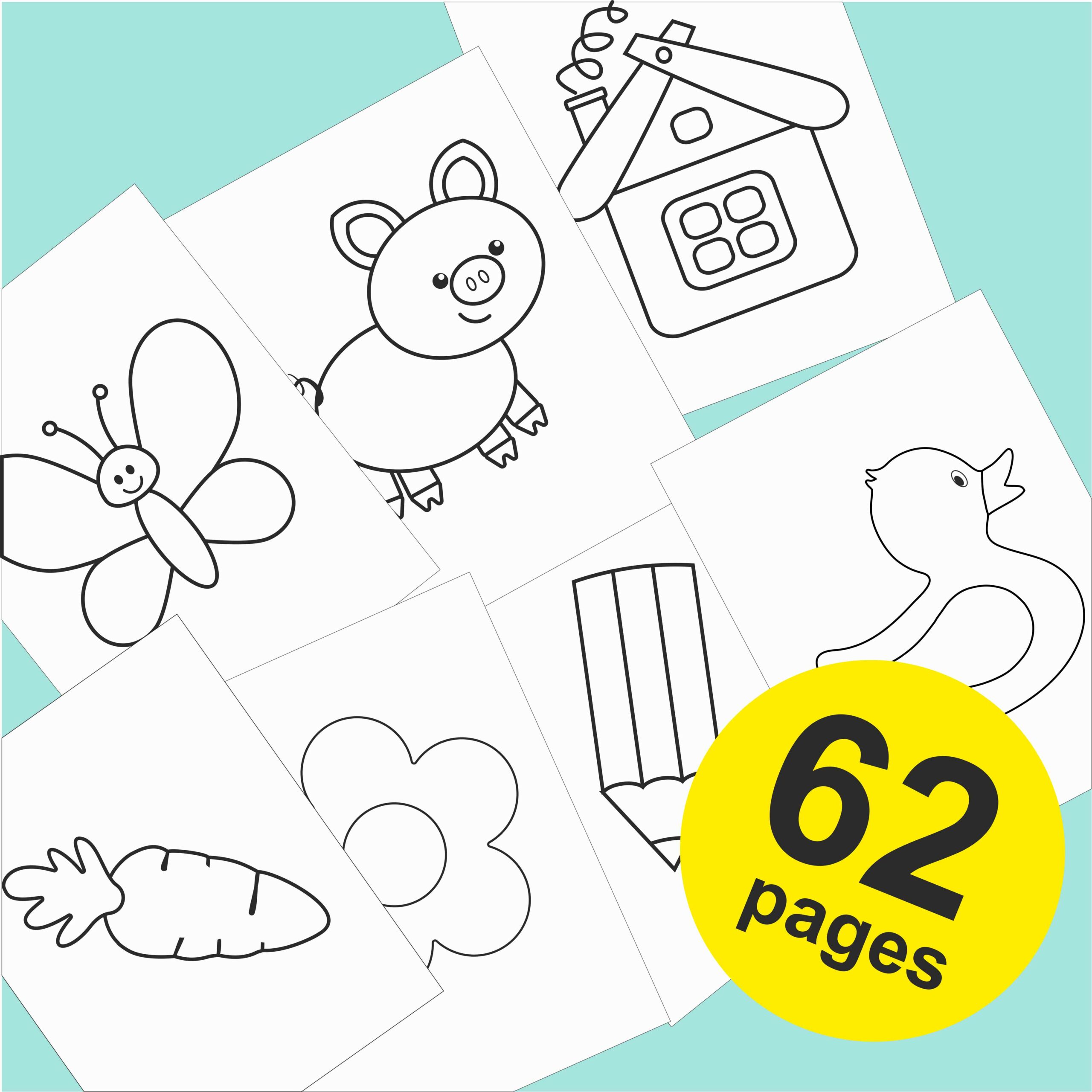
Coloring pages info encompasses the structural design, fine-motor skill benefits, and cognitive developmental metrics associated with printable graphic sheets utilized in early childhood settings. According to the National Association for the Education of Young Children (NAEYC), intentional manipulation of writing and coloring implements actively builds the intrinsic muscular strength required for long-term academic success. Educators and homeschool parents frequently leverage targeted printables to bridge the gap between creative expression and foundational pencil control. Integrating well-structured Coloring Pages into daily schedules provides young learners with structured opportunities to refine bilateral coordination and spatial awareness. Curricular success depends on selecting printables that align with specific developmental benchmarks rather than treating coloring merely as an unstructured pastime.
Curriculum Practice Snapshot:
- Core Focus: Structural analysis and pedagogical deployment of educational coloring sheets.
- Target Scope: Pre-K through Grade 2 classrooms, homeschool environments, and intervention settings.
- Key Recommendation: Pair graphic printables with deliberate Handwriting & Tracing components to maximize physical dexterity.
Core Principles and Detailed Overview
Educational coloring pages function as sophisticated cognitive tools that enhance visual discrimination, color theory comprehension, and focal endurance in early learners. Direct answer: Proper utilization of structured coloring materials requires intentional alignment with developmental milestones, ensuring children transition successfully from palmar grasps to mature dynamic tripod grips. By embedding shape recognition, thematic vocabulary, and directional arrows inside borderlines, designers transform simple line art into multidisciplinary Learning Activities. Teachers should evaluate lineweight complexity, negative space ratios, and thematic relevance before assigning printables to ensure optimal engagement and accessible physical execution for developing hands.
Key Specifications and Breakdown
| Grade / Developmental Stage | Target Learning Skill | Instructional Strategy & Scaffolding |
|---|---|---|
| Pre-Kindergarten (Ages 3-4) | Palmar grip transition and boundary awareness | Utilize thick, bold outlines with expansive coloring regions. |
| Kindergarten (Ages 5-6) | Tripod grasp reinforcement and small muscle endurance | Incorporate multi-element shapes requiring directional control. |
| Early Elementary (Grades 1-2) | Precision patterning and spatial planning | Combine intricate coloring with complementary Worksheets. |
Structured visual motor activities and guided artistic practice support fundamental neural pathway development essential for primary literacy and numeracy acquisition. — Institute of Education Sciences (IES)
Step-by-Step Practical Application and Guidelines
Executing a structured coloring lesson requires a three-phase instructional sequence focused on preparation, guided execution, and post-activity reflection. Direct answer: Instructors must first select age-appropriate graphic templates, explicitly demonstrate proper grip mechanics, and finally facilitate reflective discussions regarding color choices and spatial completion. Educators should stock designated Teacher Resources alongside printables to maintain organized centers. Establishing clear expectations regarding edge-to-edge coverage and directional shading ensures children treat the exercise as a skill-building opportunity rather than a rushed activity.
Common Challenges and How to Avoid Them
Frustration and hand fatigue frequently occur when young children attempt coloring tasks featuring overly intricate designs or improperly sized writing utensils. Direct answer: Mitigate these physical barriers by strictly matching template line complexity to the current motor abilities of the child and providing triangular jumbo crayons to encourage correct finger placement. Educators should avoid penalizing creative color choices, instead redirecting focus toward boundary control and sustained attention span. Scaffolding the difficulty level progressively prevents burnout and fosters lasting confidence during fine-motor skill acquisition.
💬 Frequently Asked Questions
Explore More Early Learning and Classroom Resources on Knowalla
Maximizing student engagement requires a diverse arsenal of printable materials tailored to every developmental milestone. Discover a vast selection of expertly designed printables, supplemental guides, and classroom assets directly by visiting Knowalla today to elevate early childhood instruction.
Printable Coloring Page Previews