Introduction
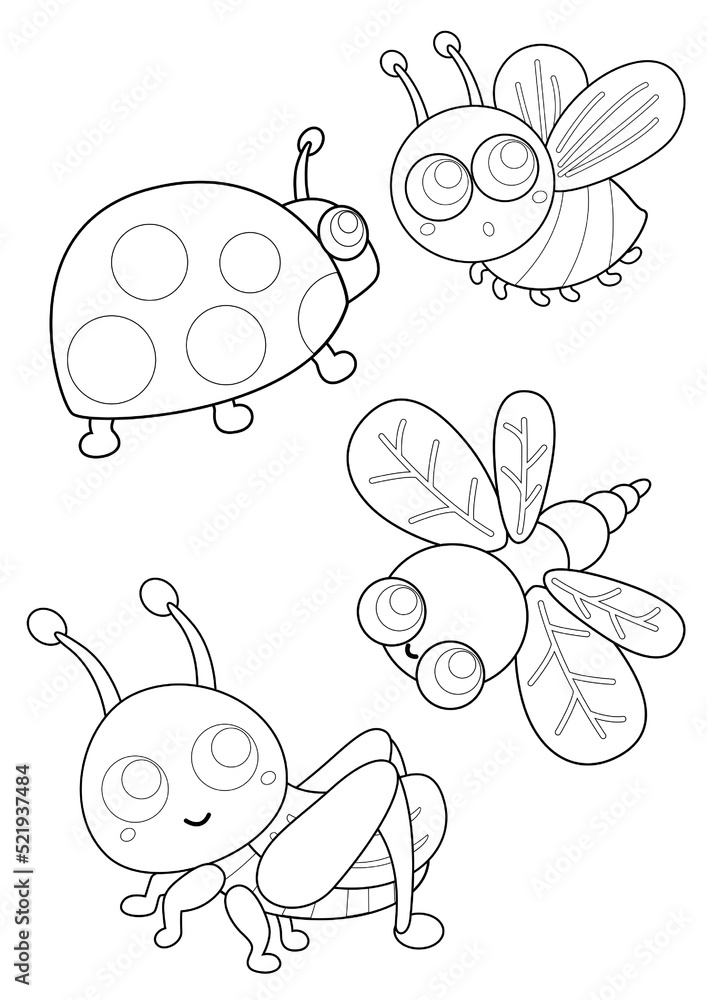
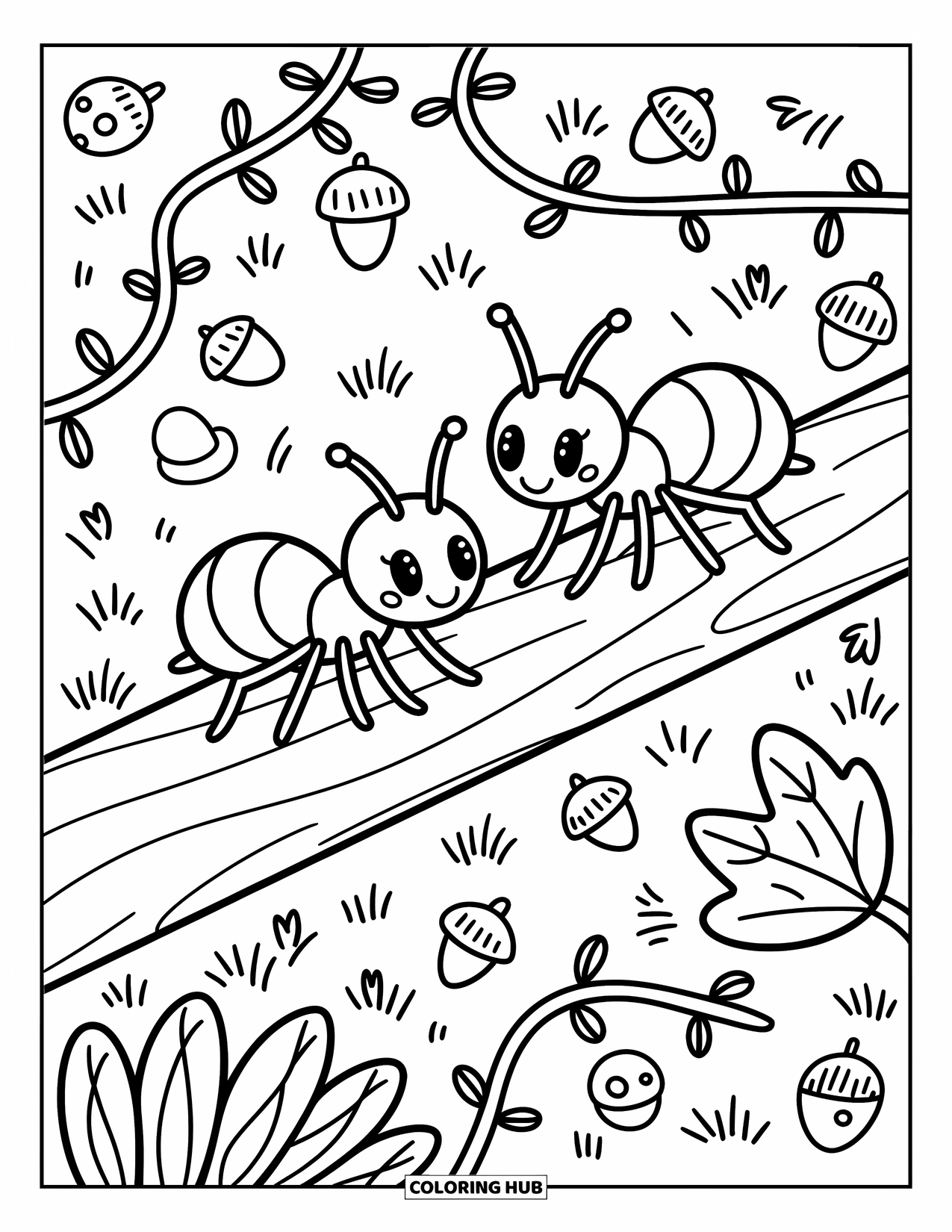
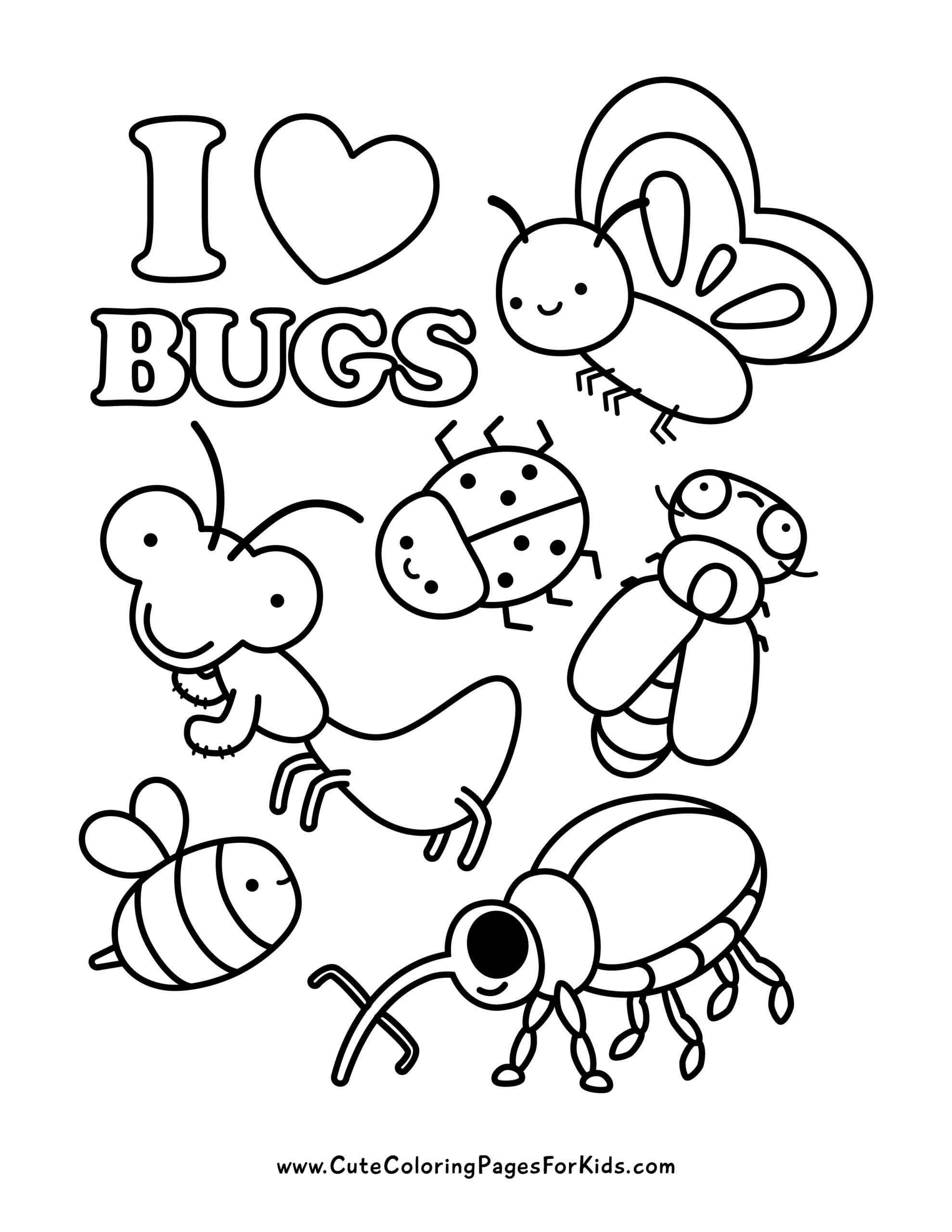
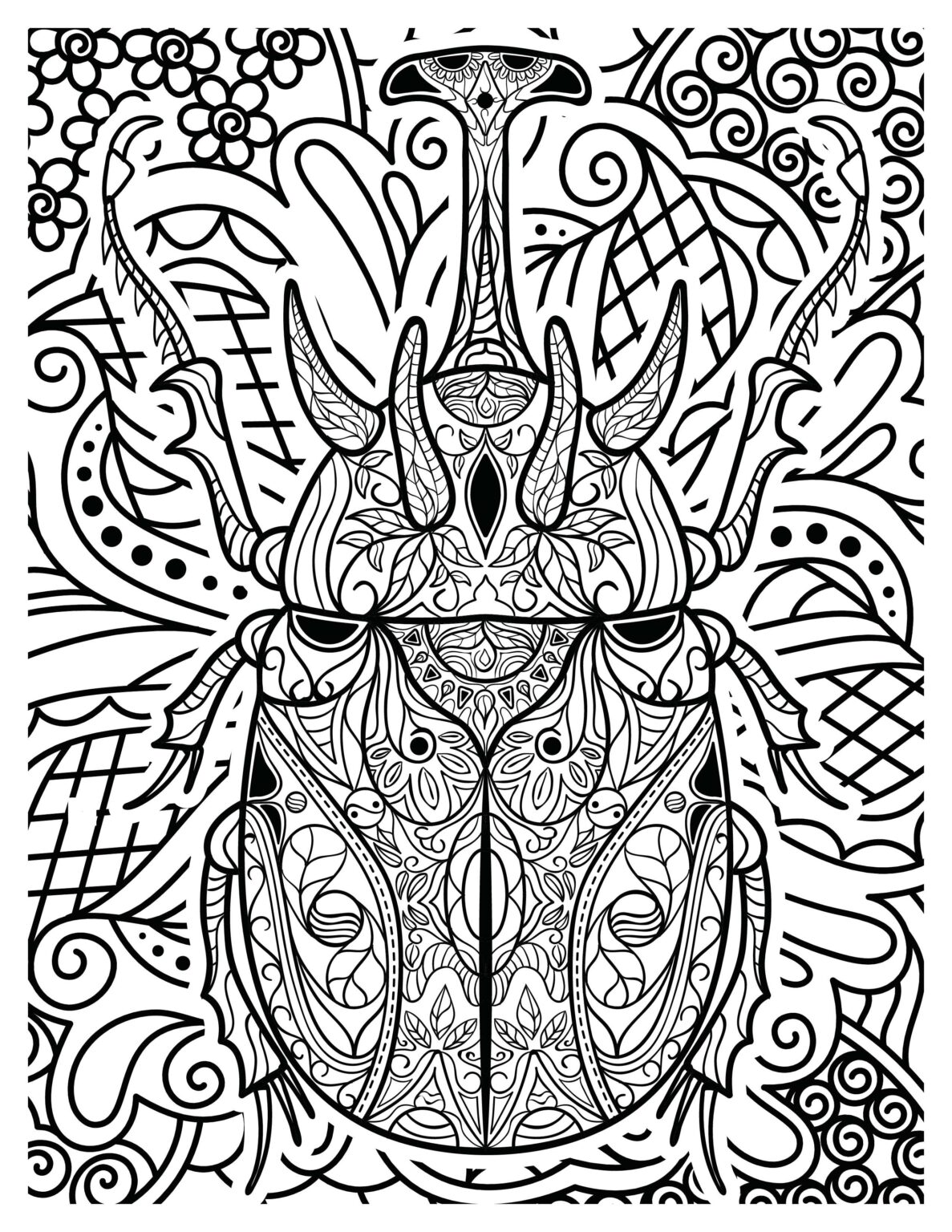
Coloring pages insects function as targeted early childhood educational printables that bridge fine-motor skill acquisition with multidisciplinary science exploration. According to the National Association for the Education of Young Children (NAEYC), purposeful artistic representation and guided coloring activities effectively foster early hand-eye coordination, bilateral hand integration, and essential pencil control in foundational learners. Educators leverage these specific thematic worksheets to transition young students from unstructured scribble phases into purposeful spatial containment and controlled stroke execution. Integrating biological themes into printable skill practice simultaneously introduces early entomology concepts, making cognitive engagement multi-layered and academically rigorous. Exploring curated collections available on Coloring Pages offers educators immediate access to scaffolded instructional assets designed for diverse early learning environments.
Curriculum Practice Snapshot:
- Core Focus: Insect-themed printable coloring sheets targeting fine-motor control and early science literacy.
- Target Scope: Preschool, kindergarten, and early primary grades within formal classrooms or home education settings.
- Key Recommendation: Pair graphic tracing elements with structural coloring tasks to maximize neuromuscular development.
Core Principles and Detailed Overview
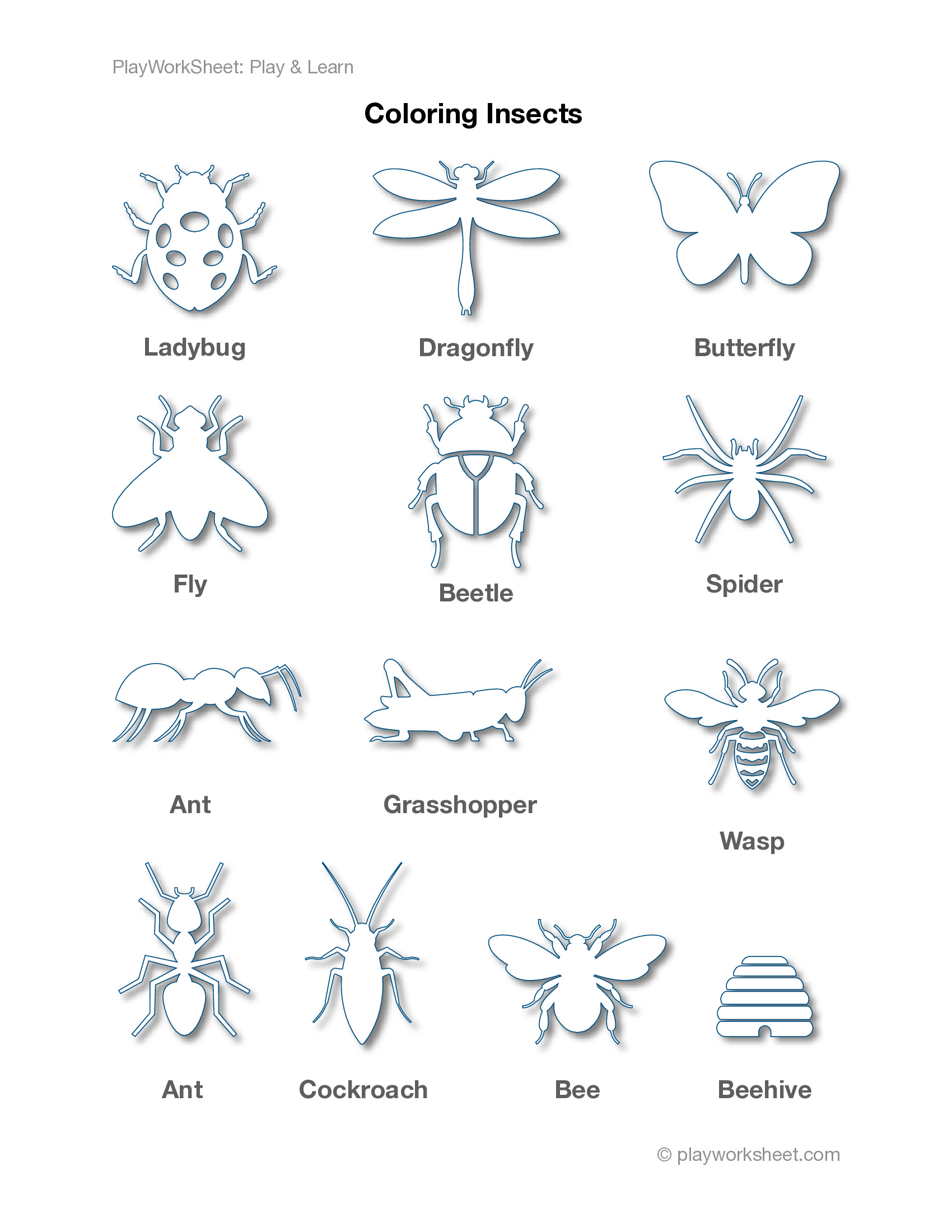
Fine-motor development serves as the primary cognitive and physical foundation required for subsequent writing mastery, and insect-themed coloring sheets supply the precise geometric variations needed for this growth. Direct answer: Insect coloring printables provide structured boundaries that compel young learners to regulate hand pressure, refine wrist mobility, and practice visual tracking across complex organic shapes. Unlike rigid geometric boxes, intricate arthropod illustrations—such as the segmented body of an ant or the radial symmetry of a butterfly wing—require dynamic adjustments in grip and directionality. When aligned with comprehensive Worksheets, these art integrations reinforce early taxonomy, insect anatomy terminology like thorax and abdomen, and visual discrimination skills. Systematic implementation of themed printables also supports bilateral coordination, requiring one hand to stabilize the paper while the dominant hand executes controlled strokes.
Key Specifications and Breakdown
| Grade / Developmental Stage | Target Learning Skill | Instructional Strategy & Scaffolding |
|---|---|---|
| Pre-K (Ages 3-4) | Contour containment and basic pincer grasp reinforcement. | Use thick, bold outlines with minimal internal detail paired with broad-tipped crayons. |
| Kindergarten (Ages 5-6) | Pencil pressure regulation and anatomical vocabulary acquisition. | Incorporate labeled diagrams alongside coloring sheets to connect art with science. |
| Early Primary (Ages 6-7) | Bilateral cutting-coloring integration and detailed stroke control. | Combine coloring pages with targeted Handwriting & Tracing sheets for sentence formation. |
Intentional motor skill practice integrated with thematic visual stimuli produces measurable gains in early childhood spatial awareness and pencil dexterity. — What Works Clearinghouse (IES)
Step-by-Step Practical Application and Guidelines
Executing an effective insect-themed coloring session requires a structured three-step pedagogical sequence to transition students from observation to fine-motor execution. Direct answer: Instructors should first introduce the biological subject matter through real-world photographs or magnified models before distributing the printable sheets. Second, guide learners to trace any dotted perimeter lines or accompanying labels using proper tripod grasps before applying color mediums. Third, encourage deliberate coloring patterns—such as alternating colors on butterfly wing segments or directional shading—to transform passive coloring into an active neuromuscular exercise. Educators seeking broader pedagogical integrations often consult specialized Teacher Resources to align these art exercises with overarching life science curricula and thematic unit plans.
Common Challenges and How to Avoid Them
Common instructional hurdles with coloring printables include rushed scribbling, hand fatigue, and student frustration over complex boundary lines. Direct answer: Educators overcome these challenges by selecting developmentally appropriate line weights and intentionally limiting session durations to match young attention spans and muscle endurance. When students encounter highly intricate insect wings or antennae, instructors should scaffold the task by demonstrating how to color small sections at a time rather than attacking the entire page at once. Additionally, transitioning from thick wax crayons to triangular pencils or short markers can naturally correct poor pencil grasps and reduce hand strain during prolonged fine-motor tasks.
💬 Frequently Asked Questions
Explore More Early Learning and Classroom Resources on Knowalla
Educators and homeschool parents can discover an extensive selection of printable assets, skill-building worksheets, and curriculum guides designed to elevate early childhood instruction by visiting Knowalla. Utilizing structured printables ensures young learners develop critical fine-motor competencies and foundational academic knowledge.
Printable Coloring Page Previews