Introduction
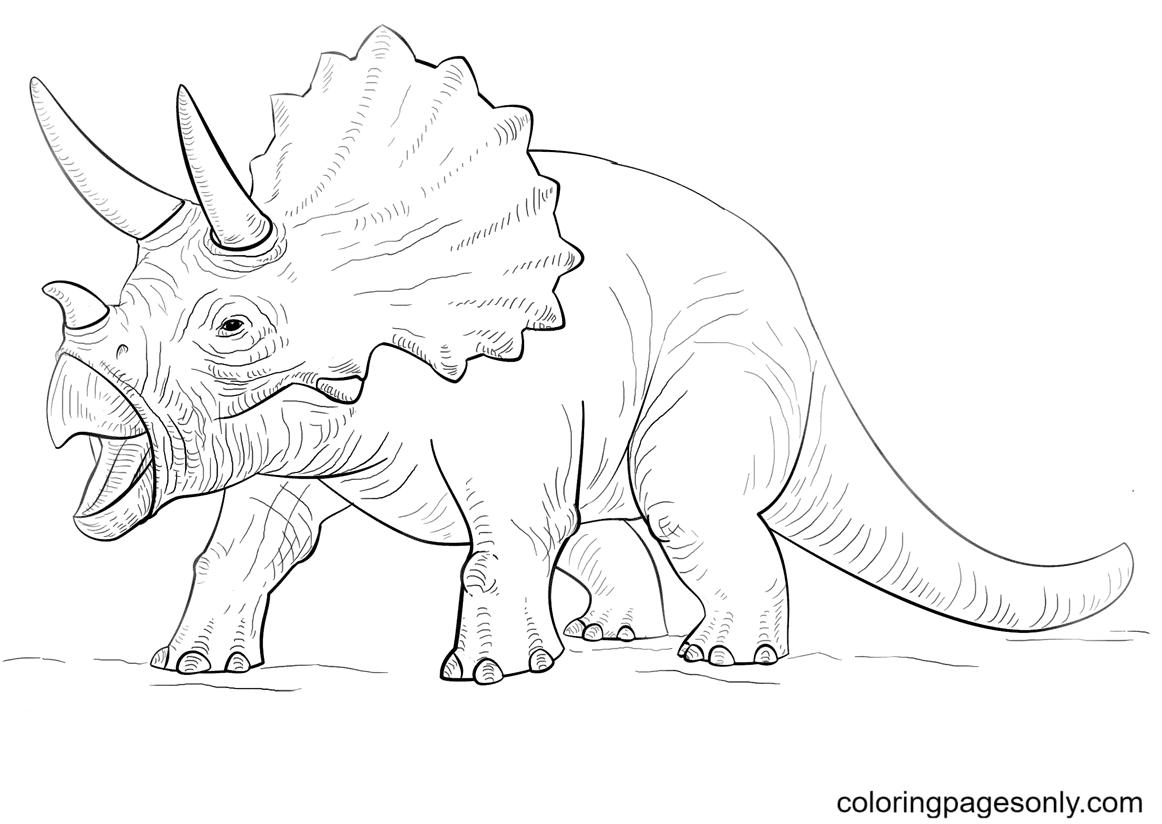
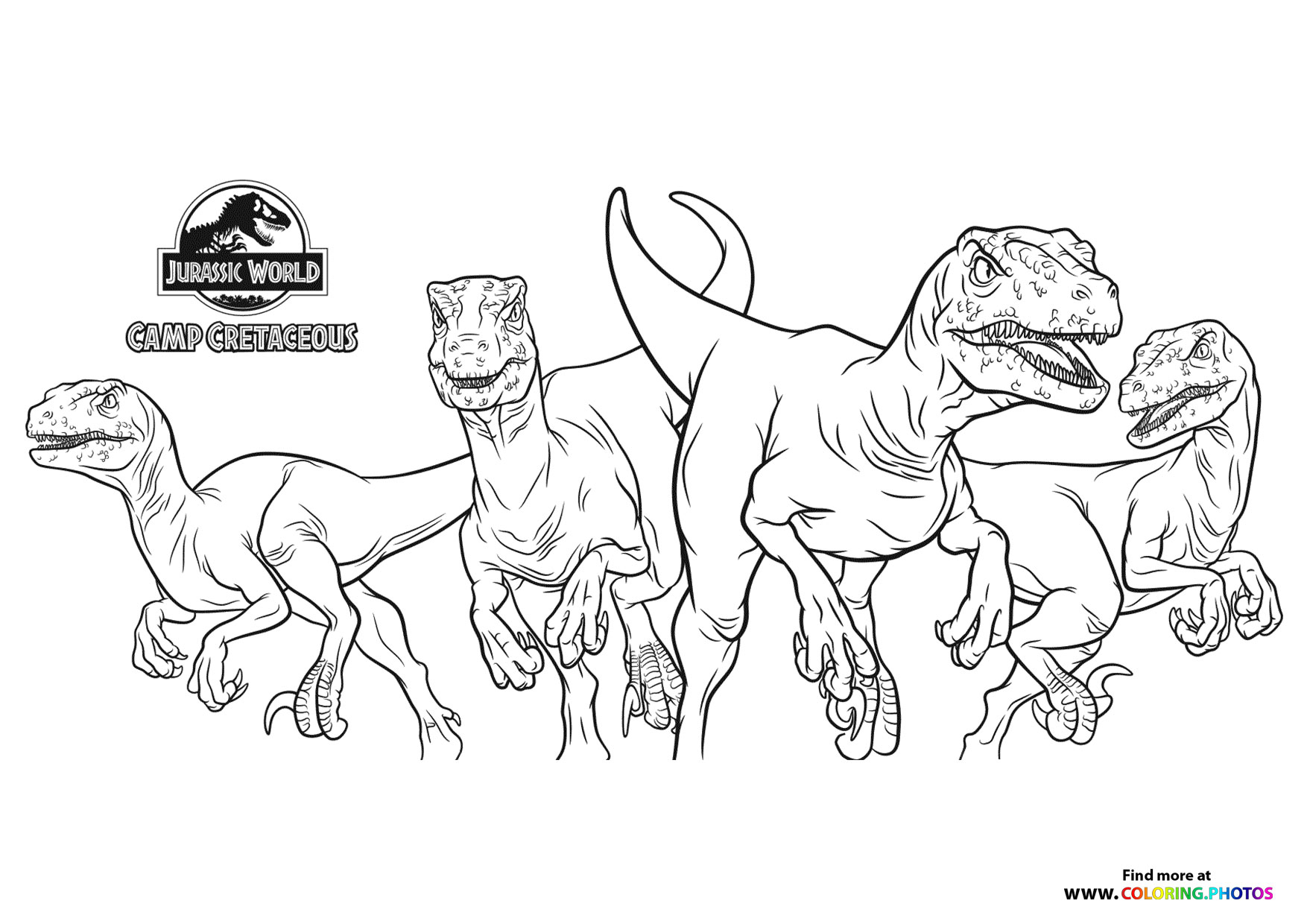
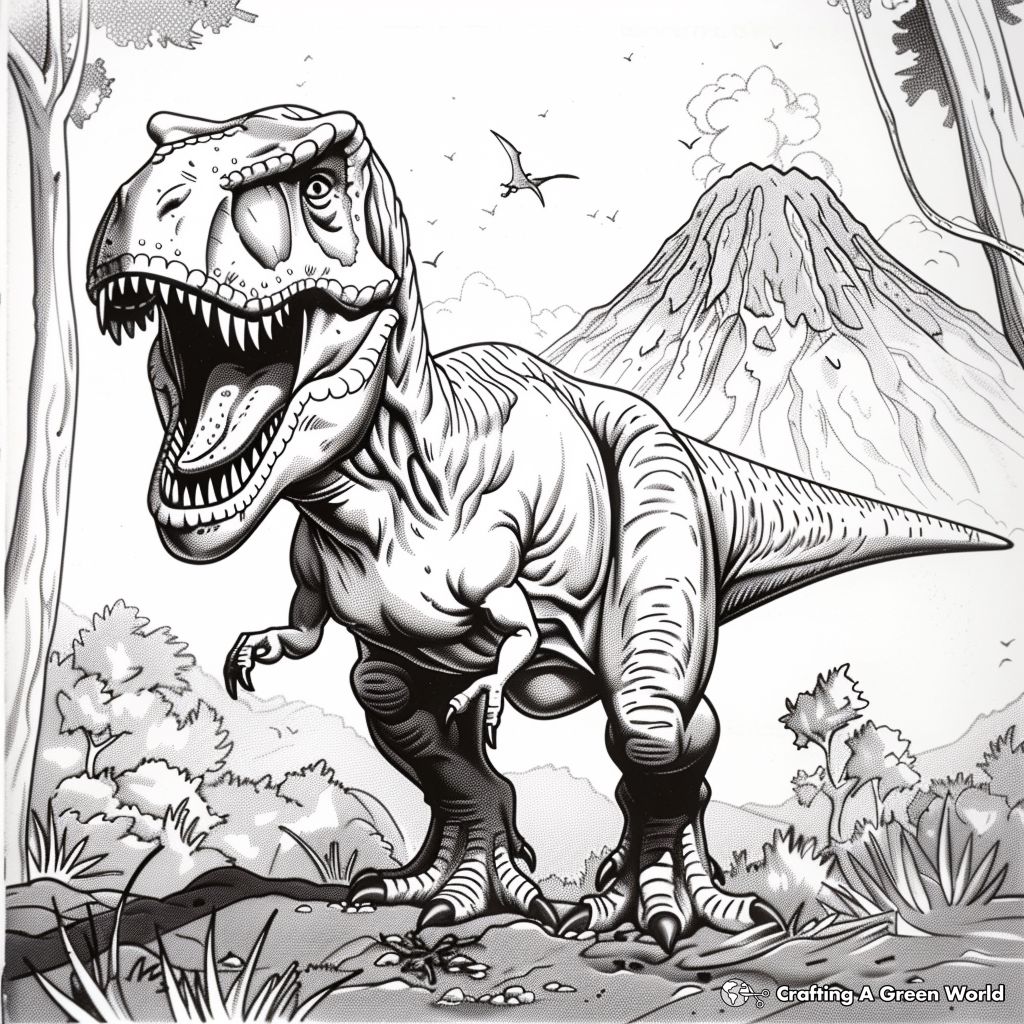
Coloring pages jurassic world leverage high-engagement prehistoric themes to systematically develop early childhood fine-motor control, bilateral coordination, and visual-spatial perception. According to the National Association for the Education of Young Children (NAEYC), purposeful play-based integration of popular cultural motifs significantly enhances sustained attention spans and task completion rates in early learners. Educators and homeschool parents frequently deploy these thematic printables to bridge independent art practice with foundational pre-writing skill acquisition. Utilizing dinosaurs as visual stimuli maintains high engagement while young learners refine pencil grips and strengthen intrinsic hand muscles. Additional support materials can be discovered within the Coloring Pages collection to expand thematic art integration.
Curriculum Practice Snapshot:
- Core Focus: Fine-motor skill development through themed dinosaur art sheets.
- Target Scope: Pre-Kindergarten through Grade 2 classrooms and home learning environments.
- Key Recommendation: Pair large-format dinosaur illustrations with targeted handwriting exercises.
Core Principles and Detailed Overview
Coloring pages jurassic world provide structured opportunities for young children to practice controlled hand movements within defined visual boundaries. Direct answer: These printable assets utilize complex prehistoric fauna outlines to challenge spatial awareness and foster pencil dexterity. Pre-writing skill progression relies heavily on a child’s ability to execute small, precise wrist and finger movements, which are actively exercised when navigating the intricate scales, sharp teeth, and environmental backgrounds characteristic of dinosaur illustrations. When integrated alongside systematic Handwriting & Tracing practice, coloring tasks reinforce the exact muscle memory required for letter formation. Furthermore, incorporating themed art activities into daily schedules supports emotional regulation by offering a calming, focused tactile experience that transitions learners effectively between high-energy physical activities and quiet academic instruction.
Key Specifications and Breakdown
| Grade / Developmental Stage | Target Learning Skill | Instructional Strategy & Scaffolding |
|---|---|---|
| Pre-Kindergarten (Ages 3-4) | Palmar-to-pincer grip transition and boundary awareness. | Utilize large, bold outlines with minimal internal detail to encourage gross coloring control. |
| Kindergarten (Ages 5-6) | Tripod grasp stabilization and directional stroke control. | Provide intricate dinosaur scenes paired with structured Worksheets for comprehensive skill building. |
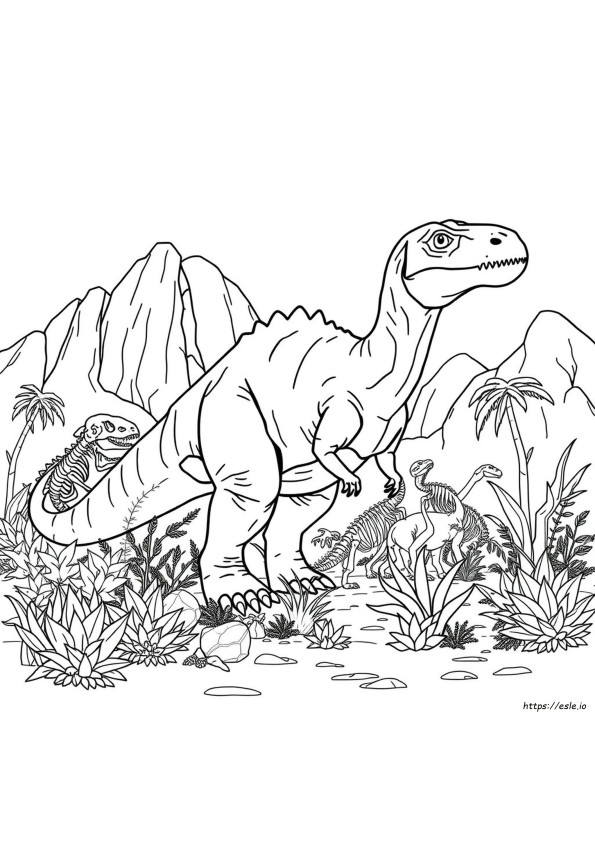
| Early Elementary (Ages 7-8) | Bilateral hand integration and stamina maintenance. | Incorporate multi-step creative prompts, such as adding detailed prehistoric habitats around the creature. |
Foundational motor control interventions must integrate consistent visual-motor tasks to measurably improve manual dexterity and handwriting readiness in early childhood settings. — What Works Clearinghouse (IES)
Step-by-Step Practical Application and Guidelines
Implementing coloring pages jurassic world effectively requires a deliberate three-step instructional progression. Step one involves selecting age-appropriate illustrations that match the precise fine-motor capability of the cohort, ensuring that younger children receive bold, simplified shapes while older students tackle detailed raptor and T-Rex graphics. Step two establishes explicit mechanical expectations, emphasizing proper pencil or crayon grip, left-to-right scanning habits, and deliberate boundary management. Step three connects the artistic output to academic goals by inviting students to label dinosaur anatomy or write short descriptive sentences below the completed artwork, leveraging comprehensive Teacher Resources to maintain rigorous academic standards.
Common Challenges and How to Avoid Them
Coloring pages jurassic world can occasionally trigger frustration or rushed execution if instructional scaffolding is omitted. Direct answer: Educators prevent hand fatigue and discouragement by monitoring grip pressure and avoiding overly complex images during initial motor skill introduction. Children frequently press down excessively hard with crayons, leading to hand cramps and rapid loss of focus; introducing softer medium-grade colored pencils or ergonomically shaped wax blocks mitigates this physical strain. Additionally, setting visual timers helps learners pace themselves, transforming a hasty scribble into a concentrated exercise in patience and sustained spatial awareness.
💬 Frequently Asked Questions
Explore More Early Learning and Classroom Resources on Knowalla
Empowering early childhood classrooms and homeschool environments requires a robust library of adaptable printables, engaging art sheets, and structured skill builders. Educators and parents can discover comprehensive instructional materials designed to support every stage of cognitive and motor development by visiting Knowalla.
Printable Coloring Page Previews