Introduction
Coloring pages kids free resources serve as foundational instructional tools that bridge creative expression with critical early childhood skill development. According to the National Association for the Education of Young Children (NAEYC), purposeful artistic exploration and motor activities significantly enhance cognitive architecture during formative developmental years. Educators and caregivers frequently seek accessible Coloring Pages to integrate structured fine-motor practice into daily schedules without incurring financial overhead. These digital assets provide immediate, equitable access to pedagogical materials that support dexterity, focus, and visual-spatial reasoning across diverse learning environments.
Curriculum Practice Snapshot:
- Core Focus: Utilizing free printable illustrations to strengthen bilateral coordination and foundational pencil grips.
- Target Scope: Early childhood classrooms, pre-K centers, and home-based educational environments.
- Key Recommendation: Select border-thickened geometric and thematic templates that explicitly match current motor-skill milestones.
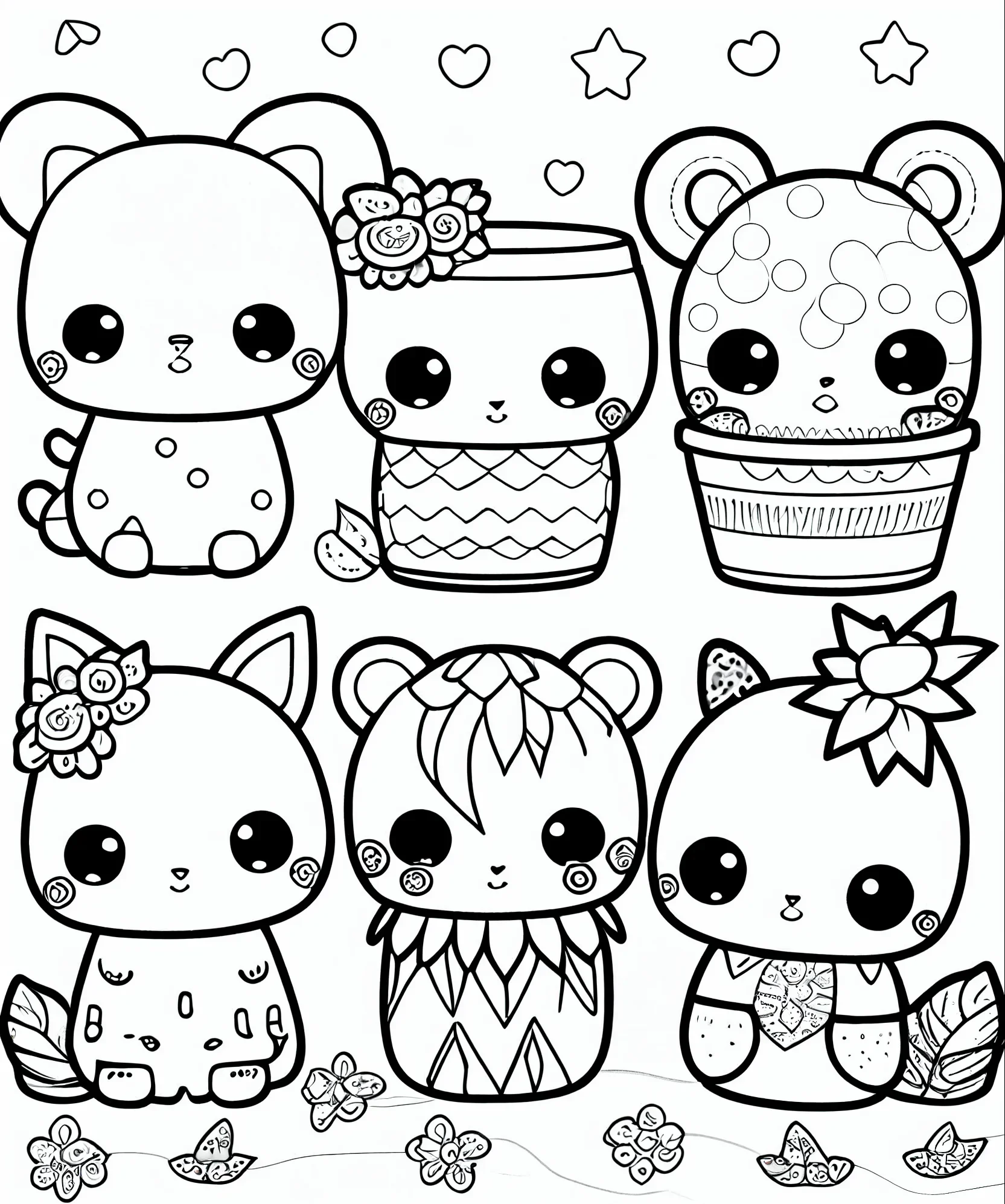
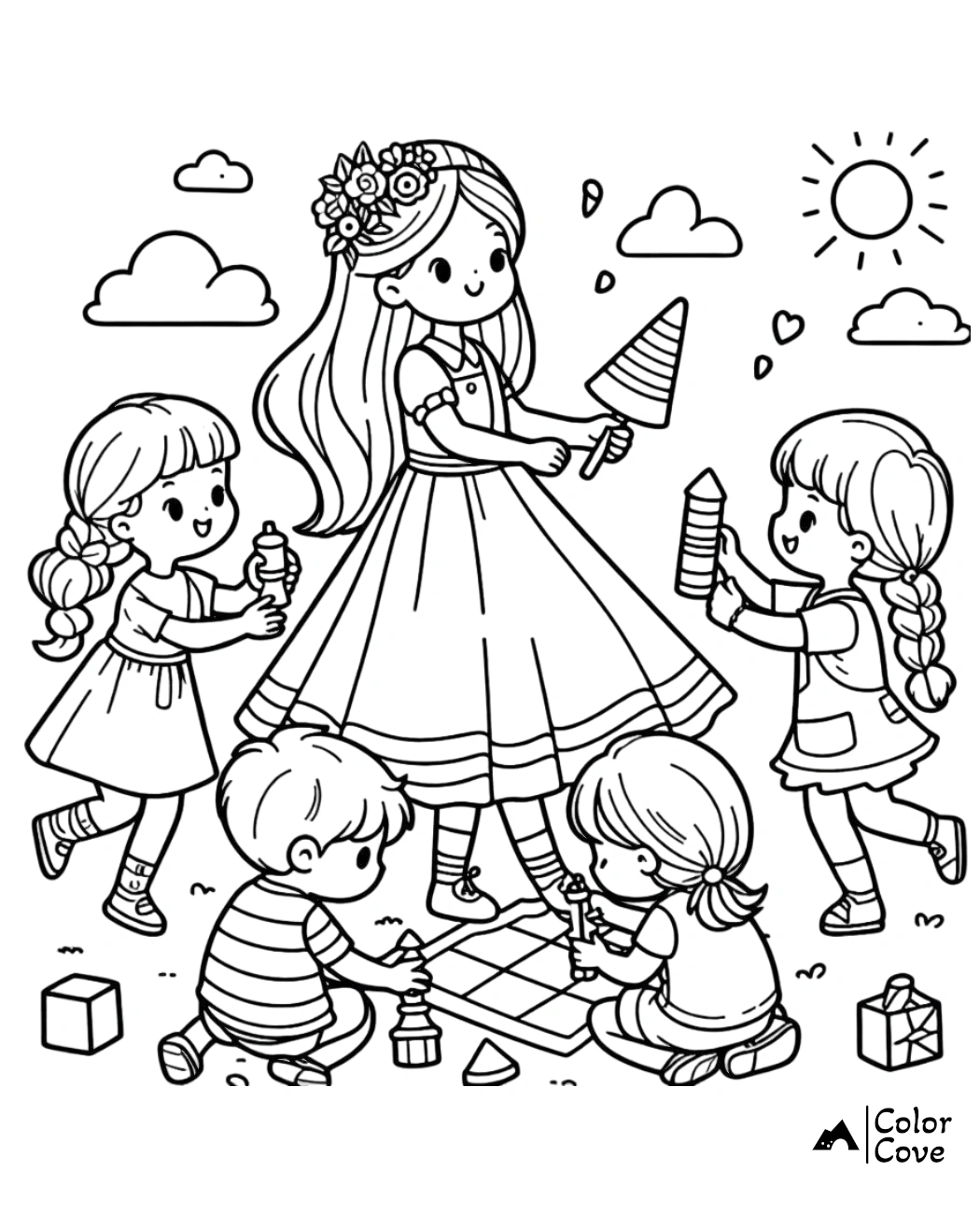
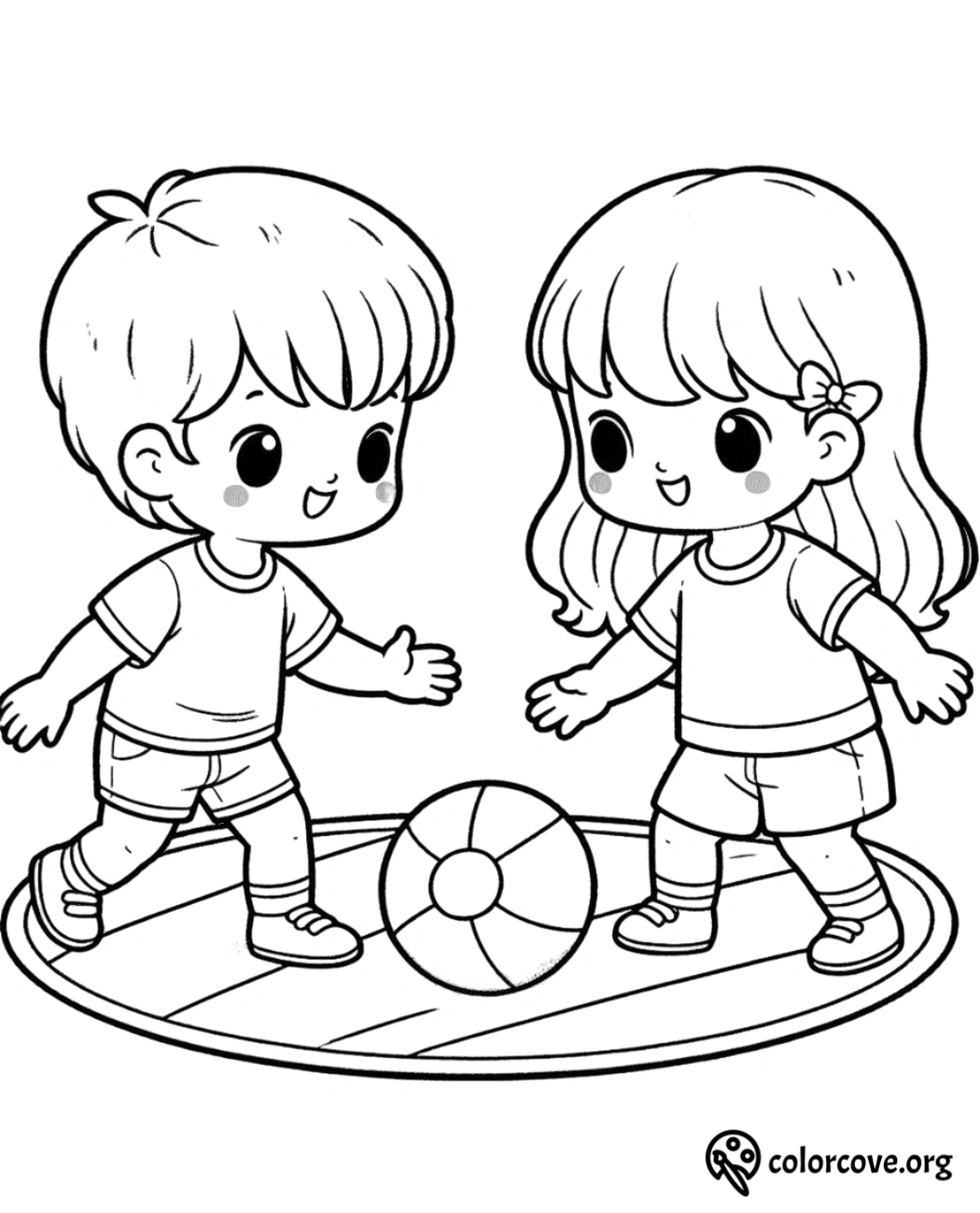
Printable Coloring Page Previews
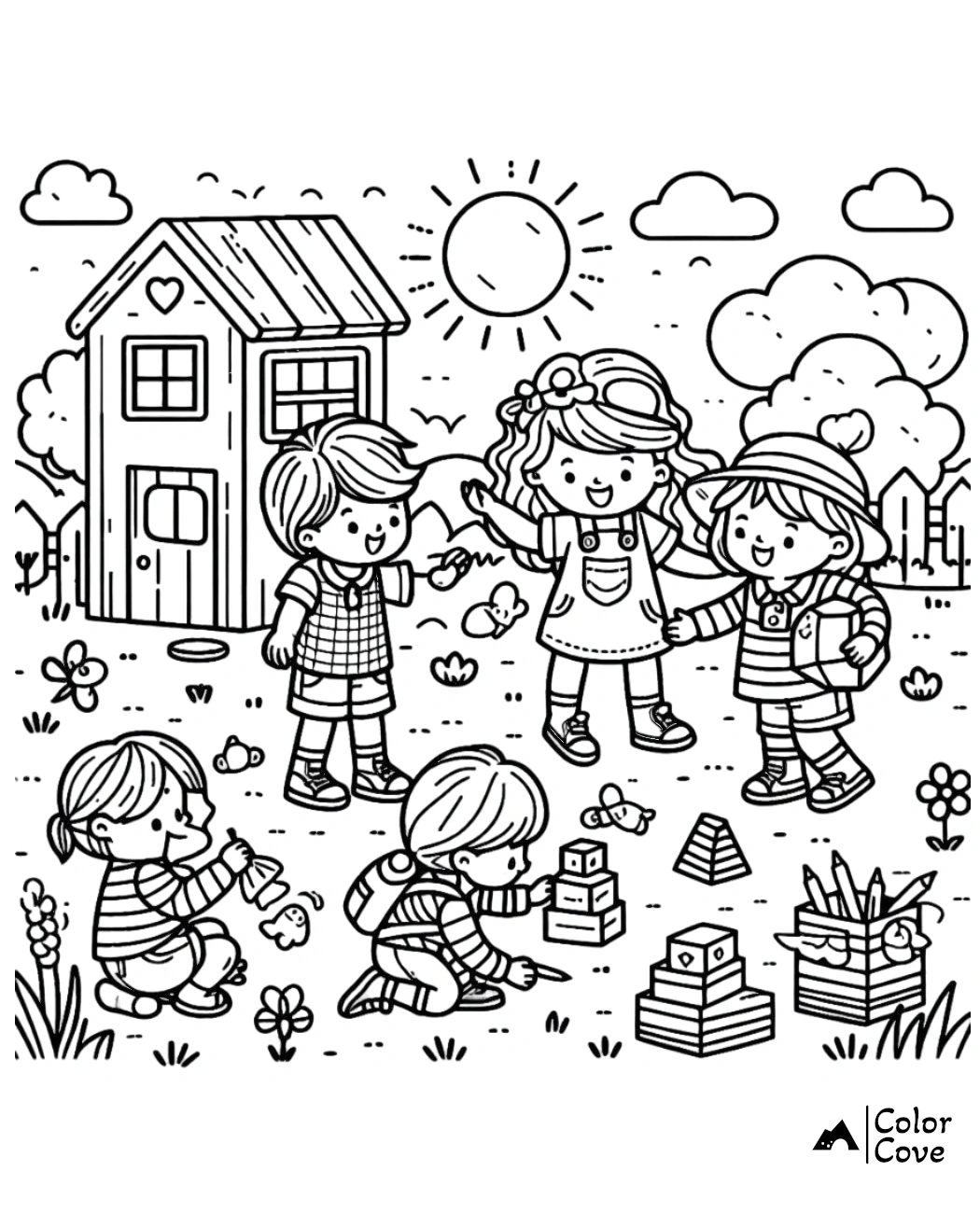



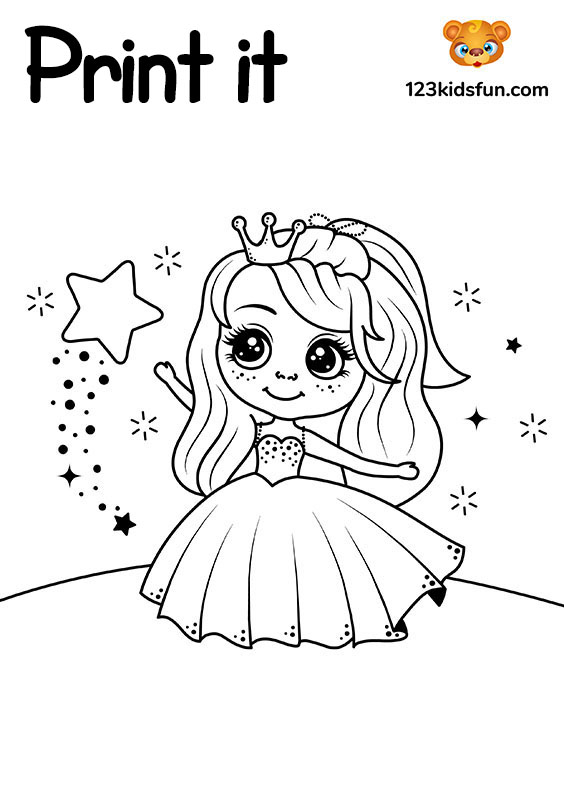

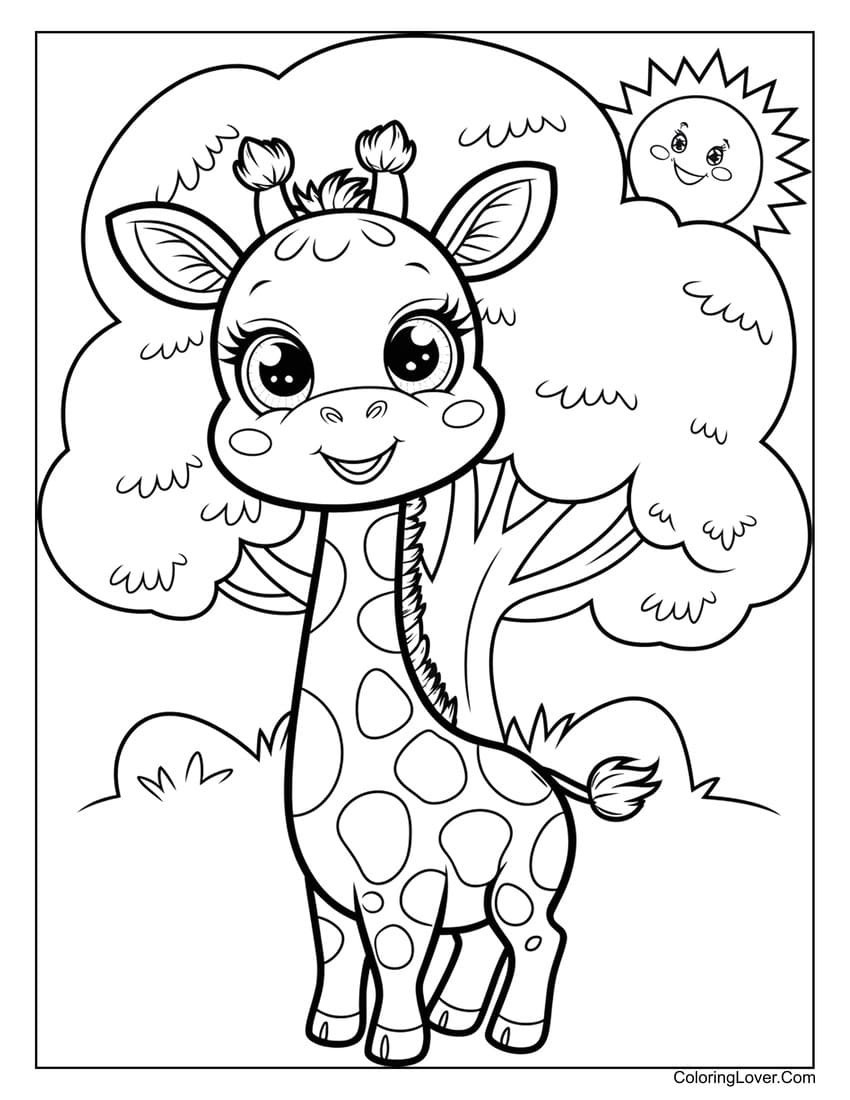

Core Principles and Detailed Overview
Free printable illustrations function as dynamic instructional assets when aligned with established curriculum standards for early learners. Structured Worksheets featuring outlined graphics require children to exercise sustained attention, hand-eye coordination, and spatial awareness while remaining inside designated boundaries. When educators pair these creative sheets with supplemental Handwriting & Tracing exercises, students reinforce the exact finger dexterity required for letter formation and numeral control. Furthermore, utilizing high-quality graphics ensures that stroke lines remain clear, reducing visual frustration for developing eyes and unsteady hands.
Key Specifications and Breakdown
| Grade / Developmental Stage | Target Learning Skill | Instructional Strategy & Scaffolding |
|---|---|---|
| Toddler / Pre-K (Ages 2-4) | Palmar grasp, large muscle movement, color recognition | Use thick, bold outlines with minimal internal detail to accommodate broad strokes. |
| Kindergarten (Ages 5-6) | Pincer grasp, boundary control, spatial persistence | Incorporate thematic scenes that correspond with weekly vocabulary units. |
| Early Elementary (Ages 6-8) | Bilateral coordination, intricate shading, stamina | Introduce multi-element designs paired with guided writing prompts. |