Introduction
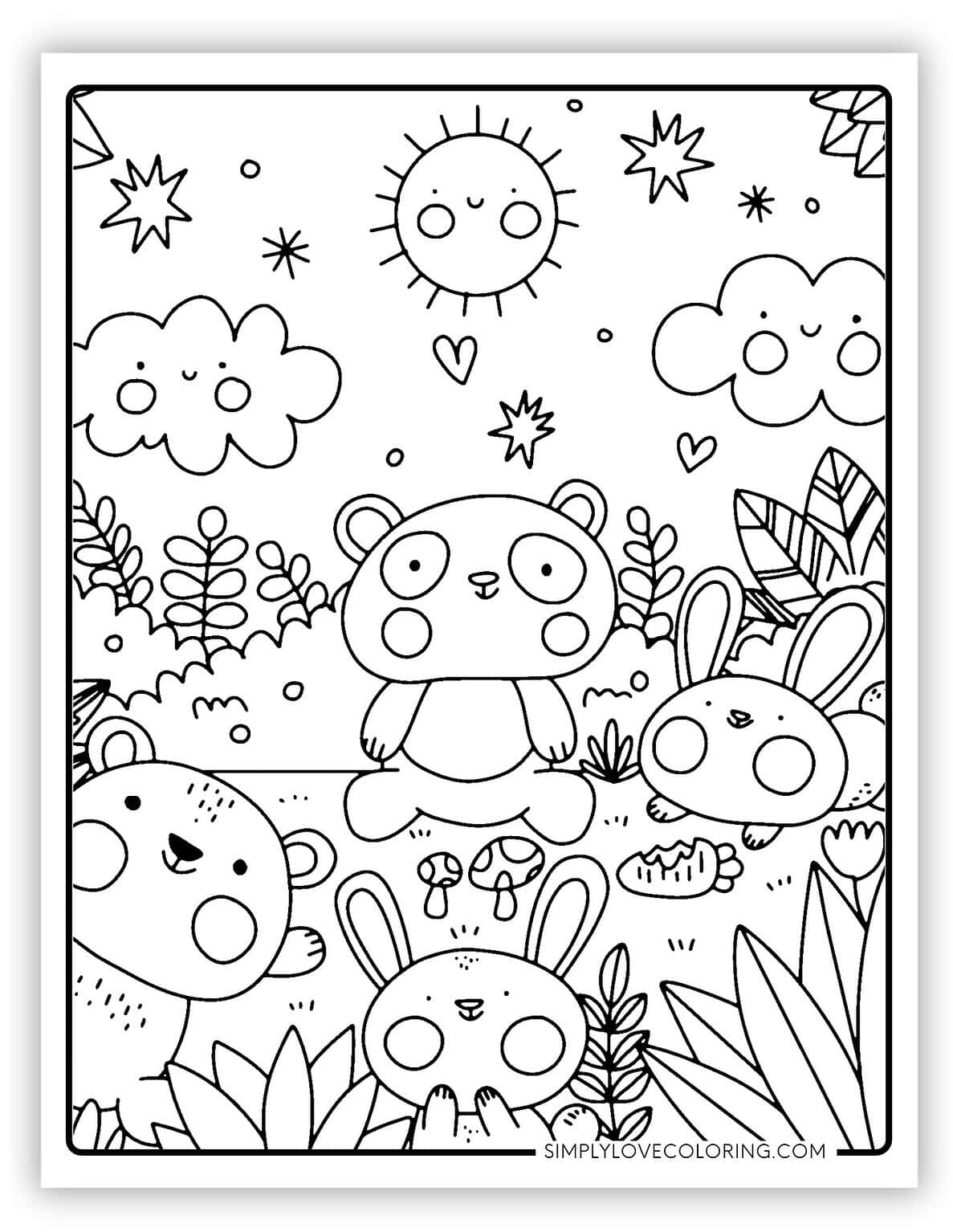
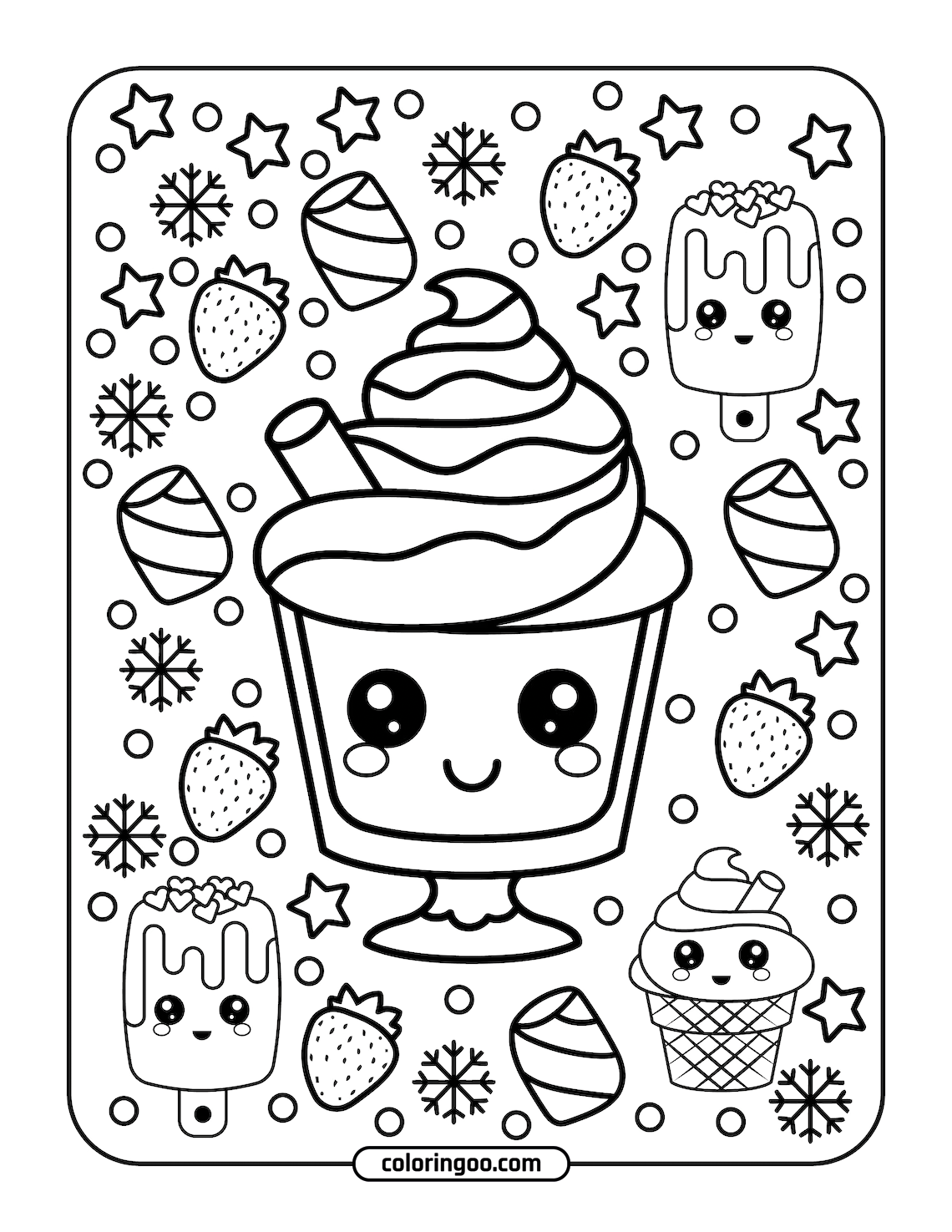
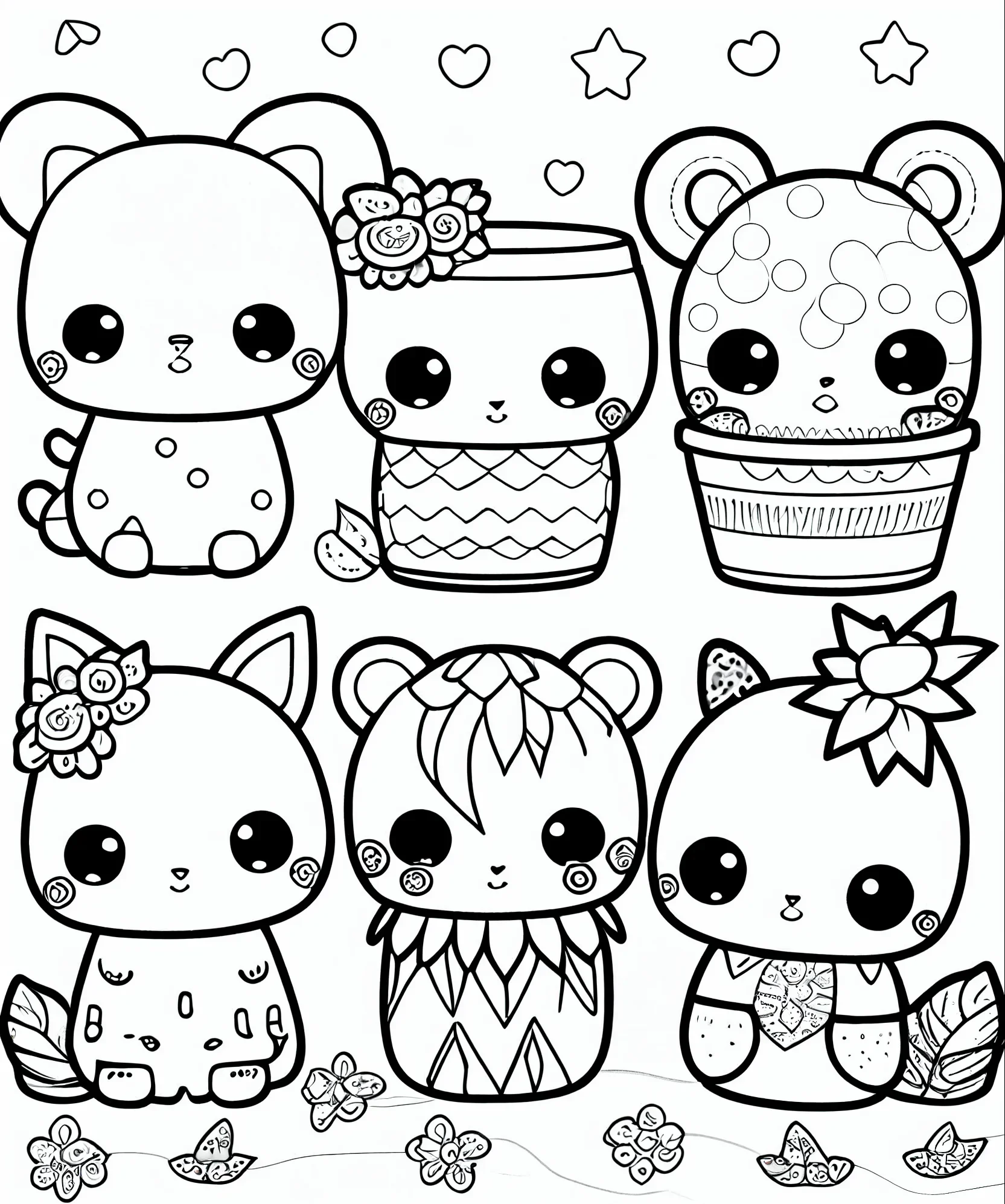
Coloring pages kawaii are simplified, endearing graphic printables featuring wide-eyed, ultra-cute characters and inanimate objects designed to captivate early learners during fine-motor skill practice. According to the National Association for the Education of Young Children (NAEYC), intentional play-based visual activities actively strengthen the neural pathways responsible for bilateral coordination and pencil grip control. Integrating these charming illustrations into morning work or intervention blocks transforms routine pencil practice into engaging cognitive tasks. Educators utilizing Coloring Pages notice marked improvements in sustained student concentration and spatial awareness. Foundational resources such as printable Worksheets offer structured opportunities to combine artistic expression with essential academic milestones.
Curriculum Practice Snapshot:
- Core Focus: Engaging cute-style printable graphics designed to build hand strength and focus.
- Target Scope: Pre-Kindergarten through Grade 2 classrooms and homeschool environments.
- Key Recommendation: Pair thick-lined illustrations with diverse writing utensils to promote proper tripod grasp.
Core Principles and Detailed Overview
Kawaii-themed illustrations utilize thick, bold outlines and exaggerated minimalist facial features that naturally guide young learners to practice boundary control and intentional hand movement. The distinct aesthetic reduces visual clutter, allowing children to focus entirely on wrist stabilization and pressure modulation without experiencing cognitive overload. When instructors incorporate these appealing designs alongside targeted Handwriting & Tracing sheets, students transition smoothly from creative coloring to structured letter formation. This systematic approach supports comprehensive Learning Activities that address both artistic development and pre-writing proficiency.
Key Specifications and Breakdown
| Grade / Developmental Stage | Target Learning Skill | Instructional Strategy & Scaffolding |
|---|---|---|
| Pre-Kindergarten (Ages 3-4) | Palmar to tripod grip transition and boundary awareness | Provide extra-thick outlines with large focal elements to encourage broad strokes. |
| Kindergarten (Ages 5-6) | Pencil pressure modulation and sustained fine-motor control | Incorporate small details within the kawaii designs to refine finger dexterity. |
| Early Elementary (Ages 7-8) | Visual-spatial planning and spatial organization | Combine coloring tasks with pattern-filling and guided symmetry exercises. |
Early fine-motor skill development through targeted visual arts integration directly correlates with improved long-term handwriting legibility and spatial organization benchmarks. — National Center for Education Statistics (NCES)
Step-by-Step Practical Application and Guidelines
Implementing kawaii printables effectively requires a structured three-step instructional sequence that maximizes both engagement and developmental growth. First, educators select age-appropriate pages featuring simplified geometric shapes and bold outer lines matching current motor skill levels. Second, instructors model proper pencil or crayon grip while demonstrating how to color within confined spaces without rushing. Third, students complete the activity independently while instructors circulate the room to provide positive reinforcement and ergonomic corrections. This methodical progression ensures children build confidence while systematically refining essential hand-eye coordination abilities.
Common Challenges and How to Avoid Them
Over-reliance on rushed coloring without posture supervision often leads to improper grip habits and hand fatigue among early learners. Instructors prevent this by enforcing short, focused time blocks where quality and grip mechanics take precedence over completing the entire page in one sitting. Another frequent obstacle involves students becoming overwhelmed by overly complex illustrations containing excessive background patterns. Providing appropriately scaled kawaii designs with generous white space eliminates visual frustration and fosters a sense of accomplishment.
💬 Frequently Asked Questions
Explore More Early Learning and Classroom Resources on Knowalla
Empowering early childhood education requires access to high-quality, reliable, and engaging instructional materials that foster both creativity and foundational academic skills. Educators and parents can discover a vast array of supplementary tools by visiting Teacher Resources or returning directly to the Knowalla homepage to support diverse learning environments.
Printable Coloring Page Previews