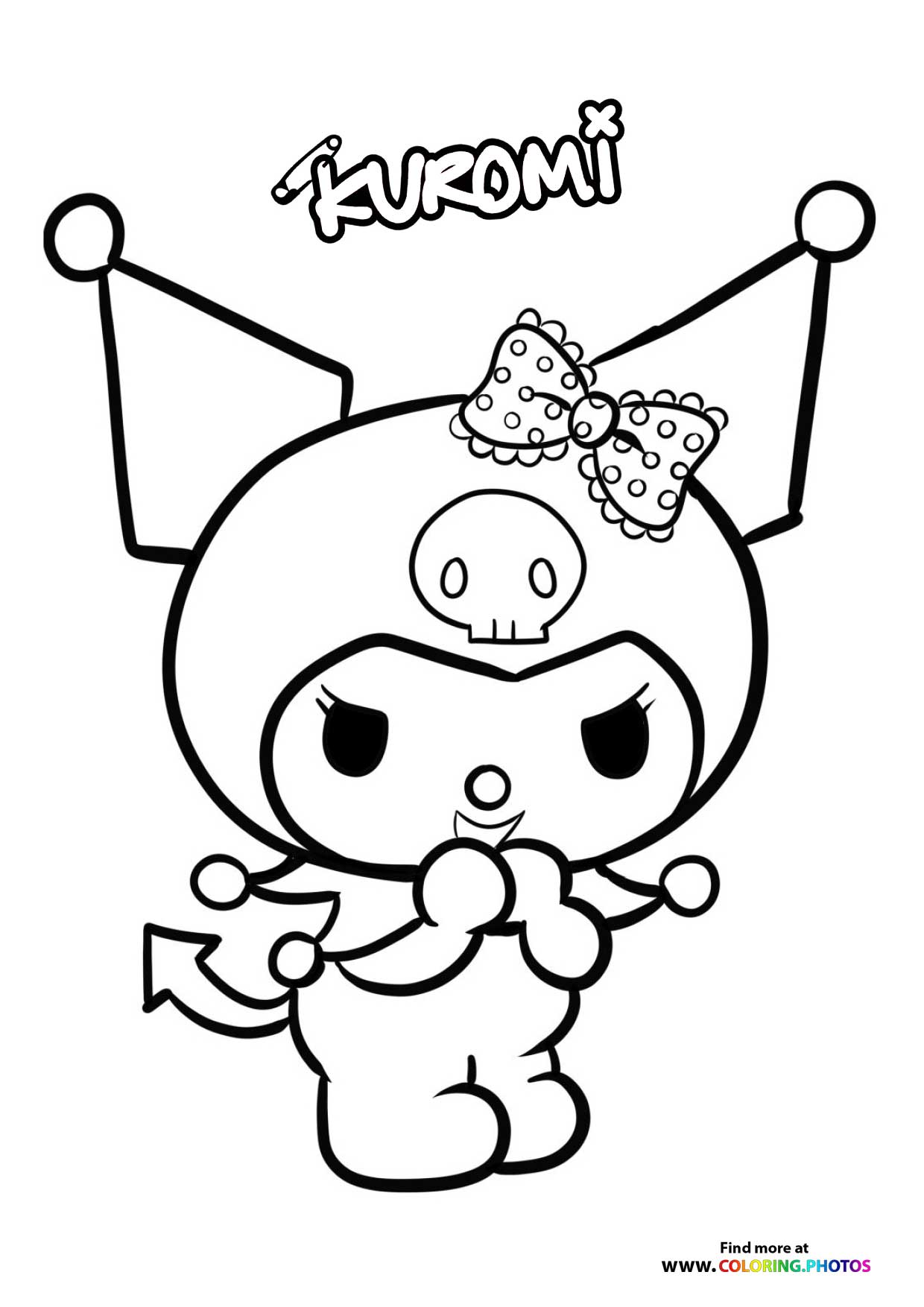
Introduction
Coloring pages kids free printable resources serve as essential pedagogical tools that bridge foundational fine-motor skill acquisition with creative early childhood expression. According to the National Association for the Education of Young Children (NAEYC), intentional manipulation of writing utensils and crayons during structured coloring tasks directly strengthens the small hand muscles required for future handwriting proficiency. Educators and homeschool instructors leverage these Coloring Pages alongside structured Handwriting & Tracing sheets to build grip strength, spatial awareness, and cognitive focus in early learners. Integrating high-quality printable assets into daily curricula allows instructors to deliver differentiated instruction without incurring extra material costs. Utilizing accessible digital repositories transforms standard downtime into targeted developmental milestones through disciplined, creative practice.
Curriculum Practice Snapshot:
- Core Focus: Enhancing fine-motor control, bilateral coordination, and visual-spatial reasoning via structured printable assets.
- Target Scope: Early childhood education settings, pre-kindergarten classrooms, and primary homeschool environments.
- Key Recommendation: Pair thematic coloring templates with targeted Worksheets to reinforce cross-curricular thematic units.
Core Principles and Detailed Overview
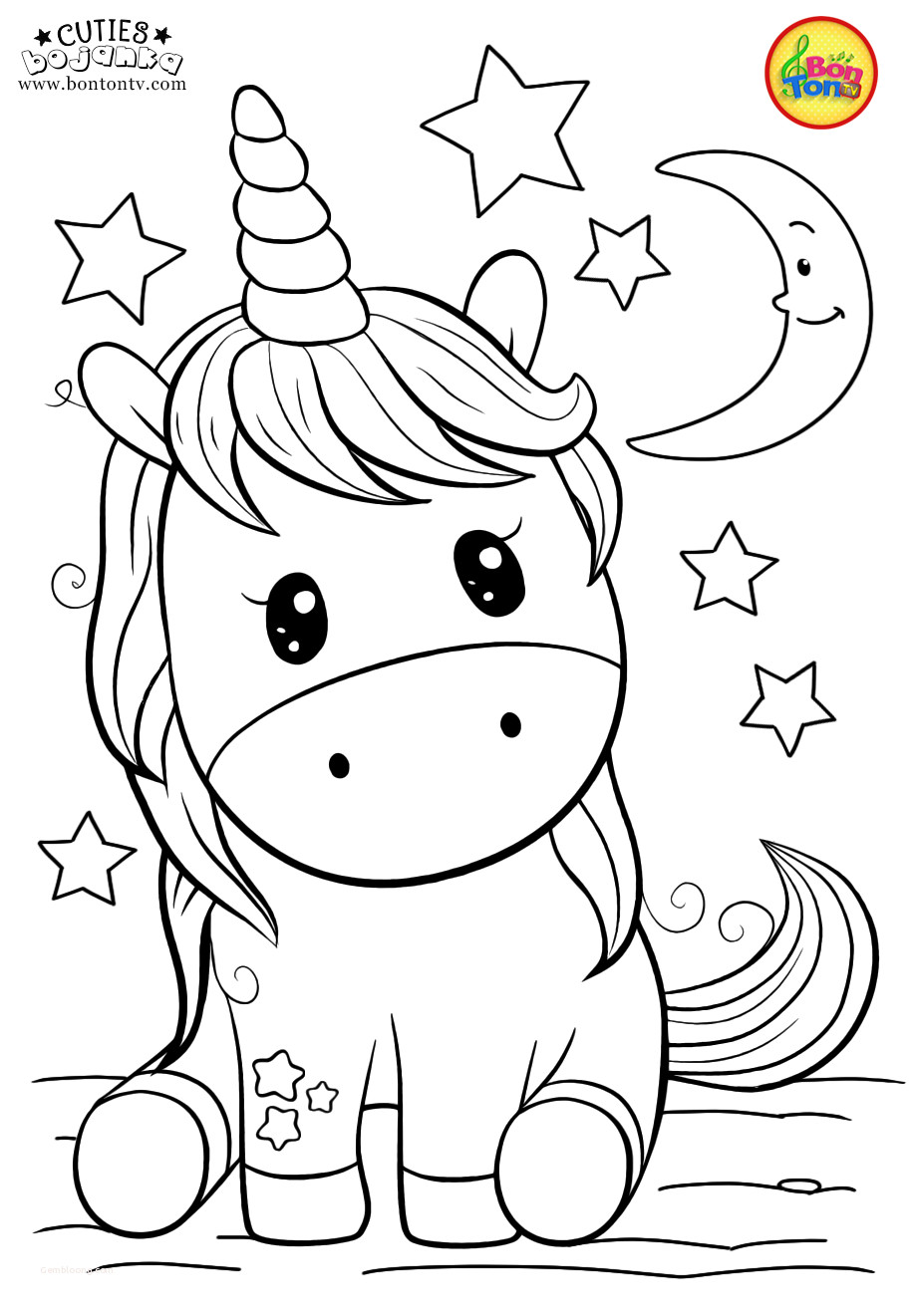
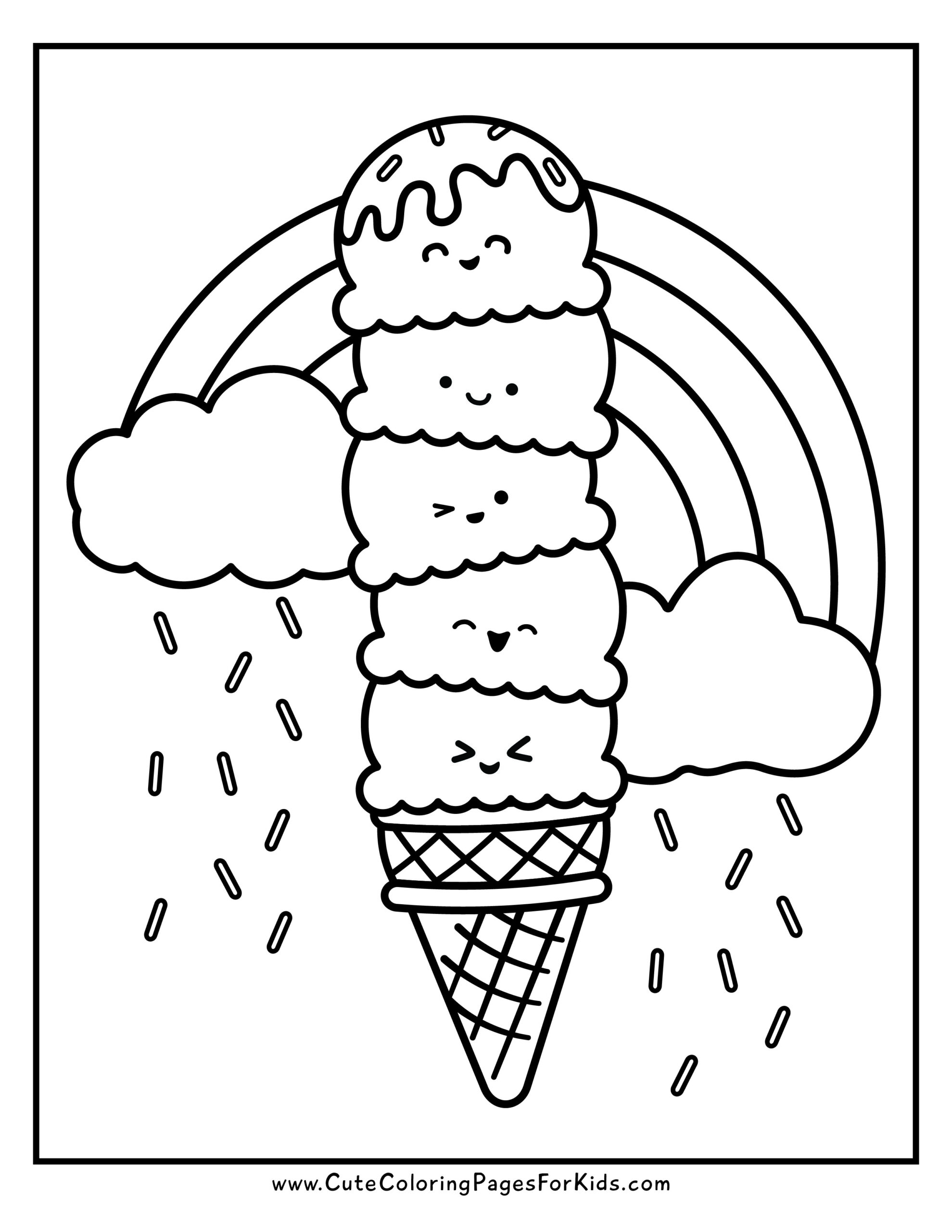
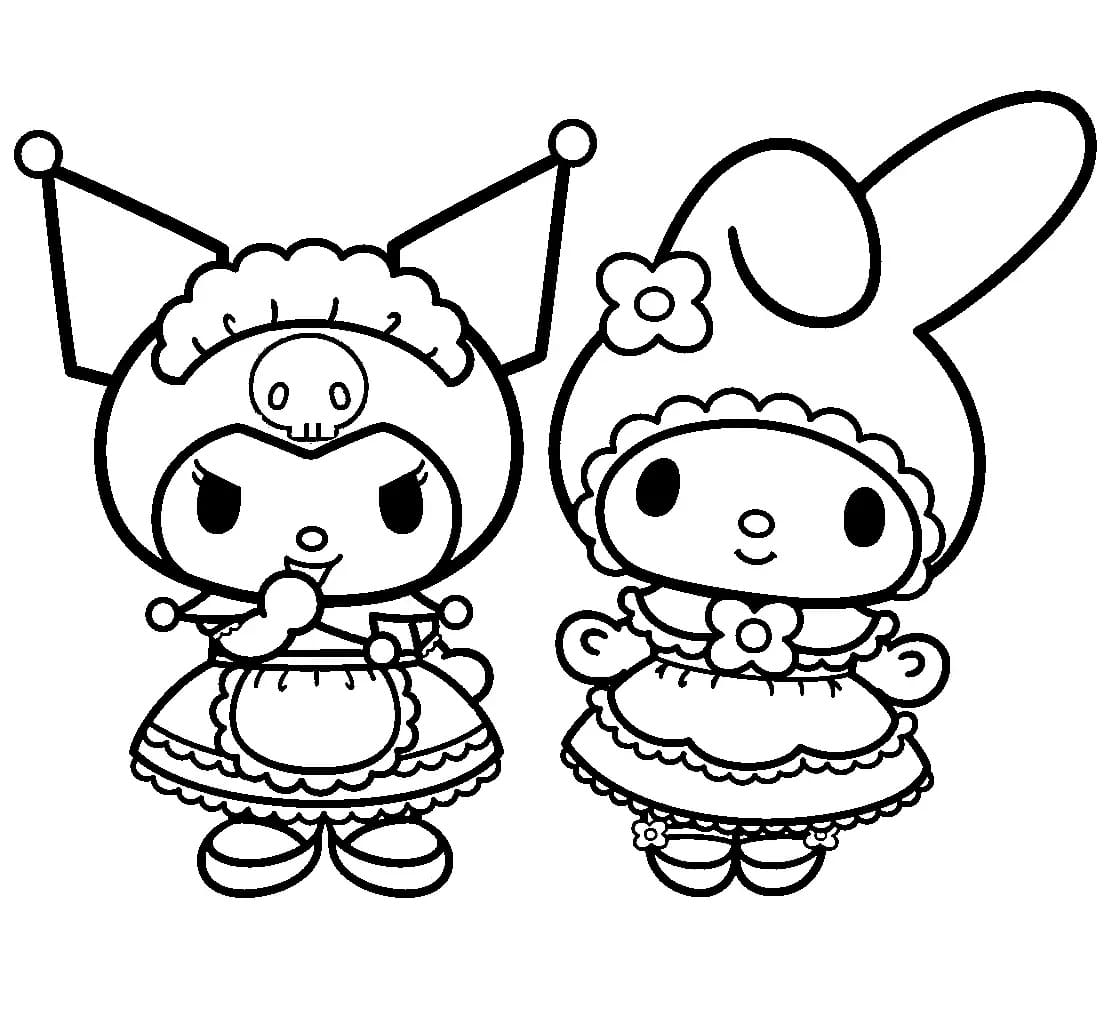
Coloring pages kids free printable materials function best when aligned with progressive motor skill development stages and specific cognitive learning objectives. Direct implementation requires balancing unstructured artistic expression with controlled boundary adherence, which teaches young children spatial boundaries and visual-motor integration. As foundational components of modern Learning Activities, printable templates provide consistent practice opportunities that reinforce pencil grip, wrist stability, and hand-eye coordination. Instructors maximize the utility of these printables by selecting high-contrast designs with thick boundary lines that accommodate developing visual tracking capabilities in toddlers and preschoolers. Strategic curation of these sheets supports comprehensive Teacher Resources planning, ensuring every printed page targets a distinct developmental milestone.
Key Specifications and Breakdown
| Grade / Developmental Stage | Target Learning Skill | Instructional Strategy & Scaffolding |
|---|---|---|
| Toddler / Pre-K (Ages 2-4) | Palmar grasp, gross motor coloring, boundary awareness | Utilize thick-lined, simple geometric shapes with minimal detail to encourage confident strokes. |
| Kindergarten (Ages 5-6) | Pincer grasp, wrist rotation, directional control | Incorporate complex outlines combined with directional arrows for guided coloring and tracing. |
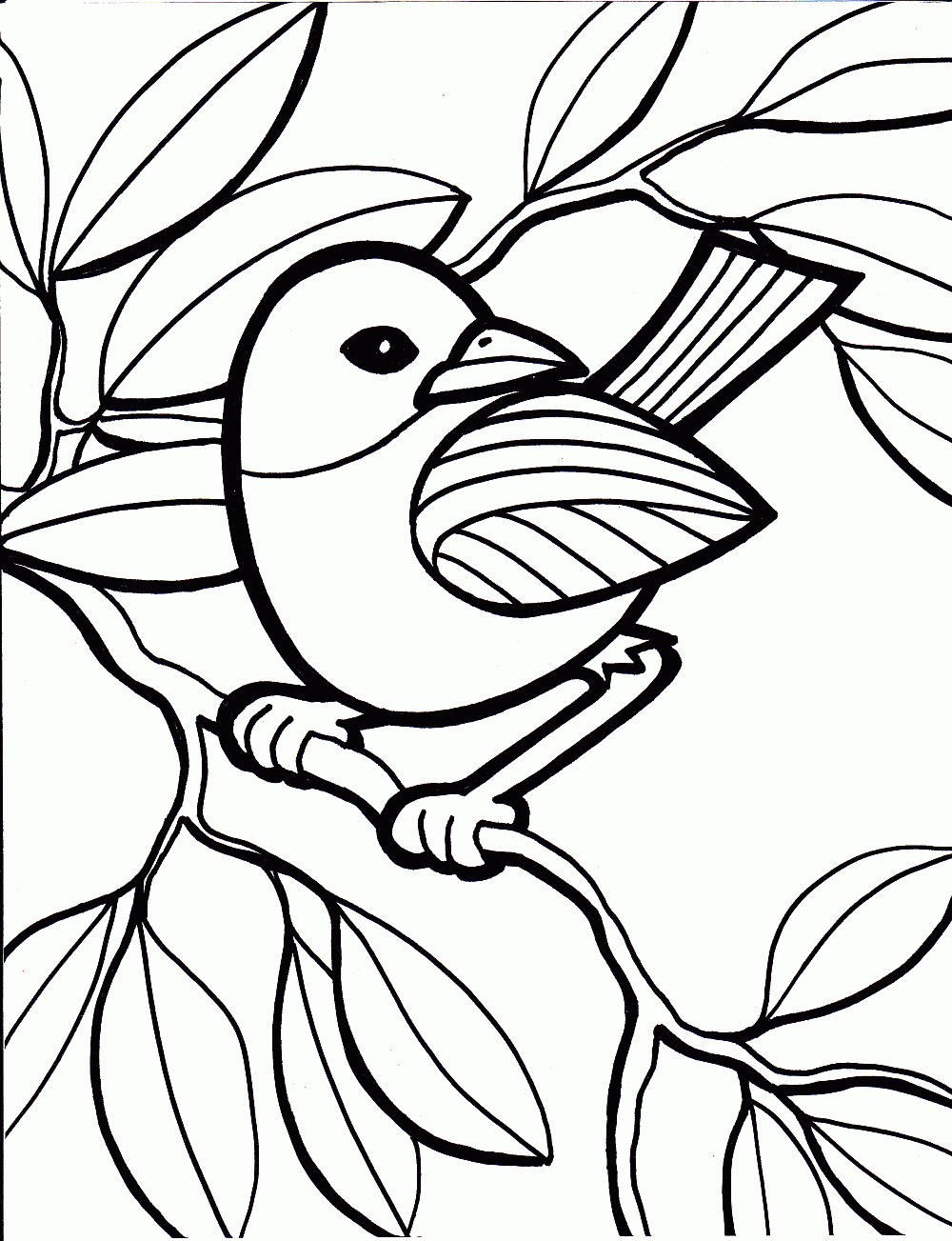
| Early Elementary (Ages 7-8) | Shading, pressure modulation, intricate spatial planning | Implement intricate thematic scenes that require color blending and sustained visual attention. |
Structured fine-motor interventions and manipulative drawing tasks significantly improve manual dexterity and early writing readiness scores across primary cohorts. — What Works Clearinghouse (IES)
Step-by-Step Practical Application and Guidelines
Implementing coloring pages kids free printable assets effectively demands a systematic instructional routine from educators and parents. Step one involves selecting age-appropriate templates that match the current fine-motor capabilities of the cohort, prioritizing thick borders for younger children and intricate patterns for advanced learners. Step two requires establishing clear physical expectations, including correct tripod grip demonstration, proper seating posture, and intentional workspace organization before coloring begins. Step three integrates the completed asset into broader thematic learning units, asking students to describe their color choices or identify embedded shapes to build oral vocabulary and cognitive retention.
Common Challenges and How to Avoid Them
Frequent pitfalls in utilizing printable coloring assets include selecting overly complex designs that cause hand fatigue and frustration among young learners. Instructors avoid this obstacle by conducting baseline fine-motor assessments and matching template complexity directly to individual grip strength and visual tracking development. Another common issue is viewing coloring solely as passive entertainment rather than active skill building; educators counteract this by embedding specific color-pattern challenges, counting tasks, or writing prompts directly onto the printable page margins. Establishing clear structural parameters transforms a simple pastime into a rigorous, purposeful component of daily early childhood instruction.
💬 Frequently Asked Questions
Explore More Early Learning and Classroom Resources on Knowalla
Discovering comprehensive educational materials ensures children receive a well-rounded foundation in both creative arts and core academic subjects. Instructors and parents can explore the main portal at Knowalla to access an extensive library of free printables, dynamic lesson aids, and specialized skill-building worksheets designed to elevate early childhood education across every developmental domain.
Printable Coloring Page Previews