Introduction
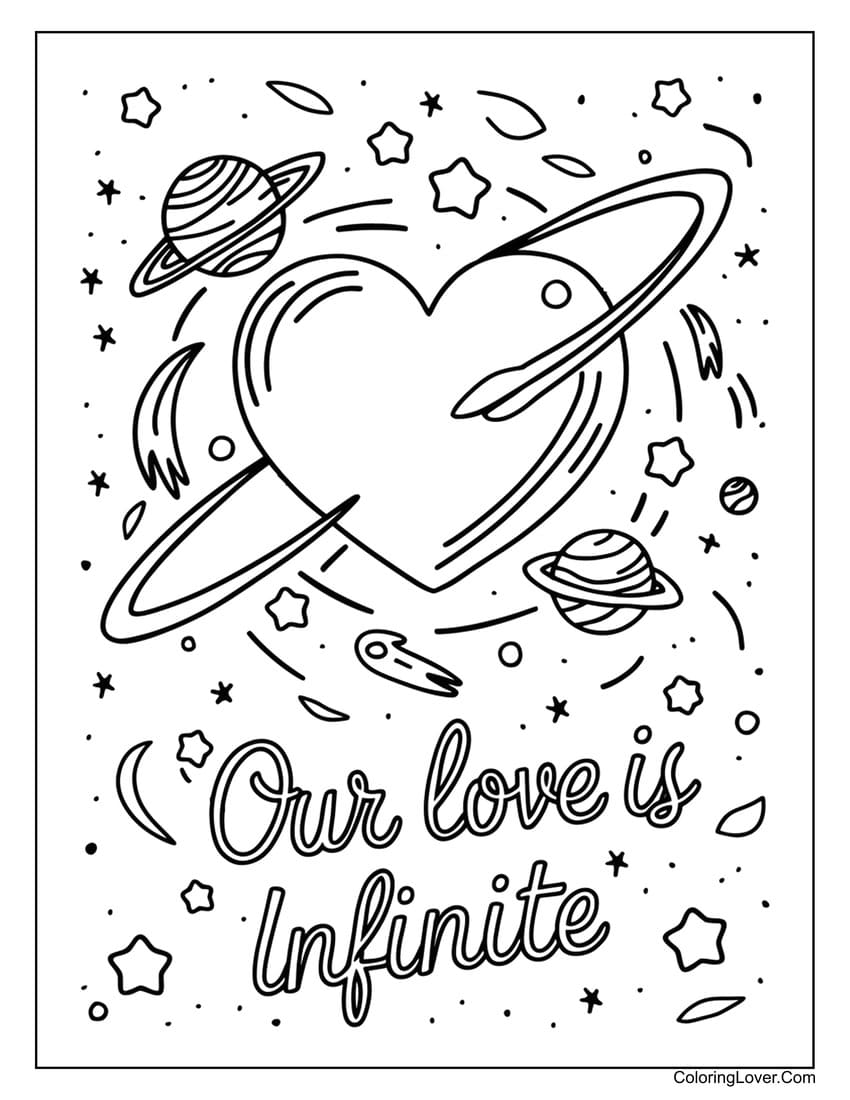
Coloring pages love represent targeted early childhood printables focusing on affection, emotional vocabulary, and social-emotional learning through visual art. According to the National Association for the Education of Young Children (NAEYC), integrating intentional art and emotional expression into early childhood curricula fosters healthy psychological development and self-regulation skills in young learners. Early educators utilize these specialized graphic templates to bridge fine-motor skill acquisition with discussions around empathy, kindness, and interpersonal relationships. Incorporating structured Coloring Pages into daily centers provides children with a calming medium to explore artistic boundaries while processing social concepts. Furthermore, pairing visual art with foundational Handwriting & Tracing components reinforces letter recognition alongside thematic vocabulary development. Practitioners continuously seek adaptable Worksheets that combine thematic coloring elements with early literacy and math foundations to maximize instructional time.
Curriculum Practice Snapshot:
- Core Focus: Thematic printable sheets fostering fine-motor control and social-emotional comprehension of affection and kindness.
- Target Scope: Pre-K through Grade 2 classrooms, homeschool environments, and occupational therapy settings.
- Key Recommendation: Combine visual coloring tasks with guided peer discussions and structured handwriting exercises to deepen conceptual retention.
Core Principles and Detailed Overview
Coloring pages love function as multi-sensory instructional tools that strengthen bilateral hand coordination, spatial awareness, and pencil grasp precision. Direct engagement with bounded artwork requires sustained visual-motor integration, compelling young children to regulate hand pressure and maintain continuous stroke control within defined borders. Educators leverage these specific thematic printables during morning work, calm-down stations, and community-building lessons to establish positive classroom climates. When children color images depicting acts of kindness, family units, or friendly interactions, cognitive processing links abstract emotional values directly to physical creative output. Integrating these exercises alongside broader Learning Activities ensures that artistic output reinforces cross-curricular concepts, from counting objects within the scene to identifying sight words embedded in the captions. High-yield instructional planning requires selecting layouts that match the specific developmental fine-motor capabilities of the target age group.
Key Specifications and Breakdown
| Grade / Developmental Stage | Target Learning Skill | Instructional Strategy & Scaffolding |
|---|---|---|
| Pre-Kindergarten (Ages 3-4) | Palmar grasp transition, large boundary tracking, emotional identification. | Utilize extra-thick boundary lines, simple single-subject illustrations, and large crayons. |
| Kindergarten (Ages 5-6) | Pincer grasp reinforcement, intricate directional coloring, sight word tracing. | Provide medium-detail designs paired with traceable vocabulary words at the bottom. |
| Grade 1 – 2 (Ages 7-8) | Advanced shading, detailed motor control, creative writing prompt integration. | Implement complex symmetrical patterns requiring multi-step coloring directions and sentence composition. |
Structured fine-motor practice utilizing visual arts materials supports neurodevelopmental growth and cognitive self-regulation — What Works Clearinghouse (IES). Related guide: Animal Habitats Coloring And Matching Worksheets.
Step-by-Step Practical Application and Guidelines
Implementing coloring pages love effectively involves a deliberate three-stage instructional sequence encompassing preparation, execution, and reflective debriefing. First, educators select appropriate printables that align with current weekly character themes or academic units, ensuring line-weight matches student motor abilities. Second, instructors introduce the vocabulary associated with the sheet, guiding learners to trace any incorporated letters before applying color pigments. Third, facilitators conduct a brief sharing circle where children describe their artwork, articulate feelings of kindness represented in the picture, and display completed work within designated Teacher Resources display areas. This structured progression transforms a simple leisure activity into a rich, comprehensive pedagogical exercise that supports oral language development and emotional intelligence simultaneously.
Common Challenges and How to Avoid Them
Frustration stemming from unrefined fine-motor control represents the primary obstacle when young children attempt highly complex coloring templates. Educators easily prevent this challenge by maintaining a diverse library of printables scaled to varying levels of spatial complexity, allowing students to progress naturally from broad shapes to intricate designs. Another frequent pitfall is treating coloring tasks as isolated time-fillers rather than meaningful academic touchpoints; integrating targeted writing prompts or sorting tasks directly onto the page eliminates this disconnection. Ensuring proper desk ergonomics and correct pencil or crayon grips during the session further protects against hand fatigue and promotes long-term writing stamina.
💬 Frequently Asked Questions
Explore More Early Learning and Classroom Resources on Knowalla
Educators, homeschool parents, and early childhood specialists can access a comprehensive collection of supplementary printables, foundational skill builders, and thematic materials by visiting Knowalla. Continuous access to well-designed instructional assets ensures that every classroom remains equipped to foster both academic excellence and holistic emotional growth.
Printable Coloring Page Previews