Introduction
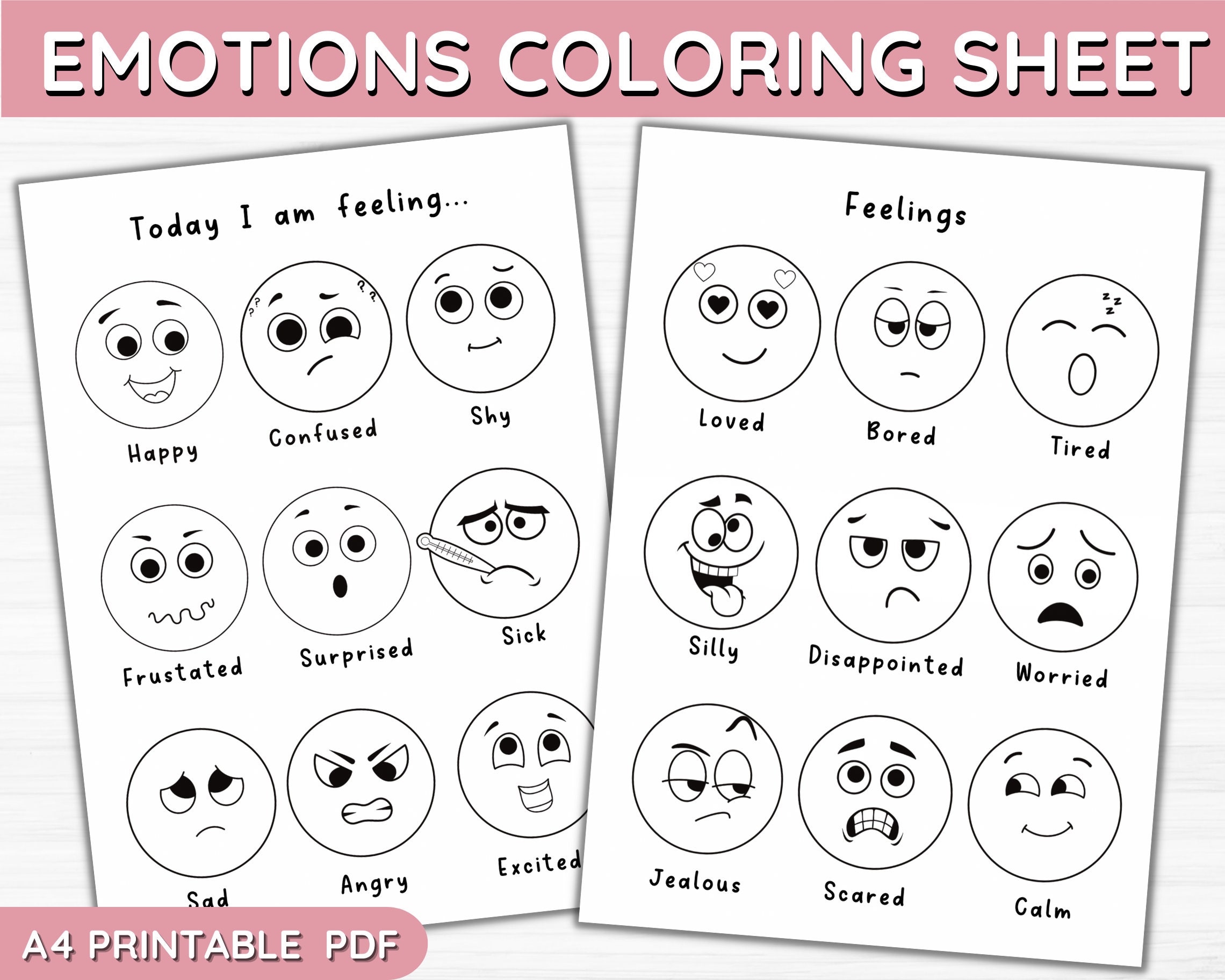
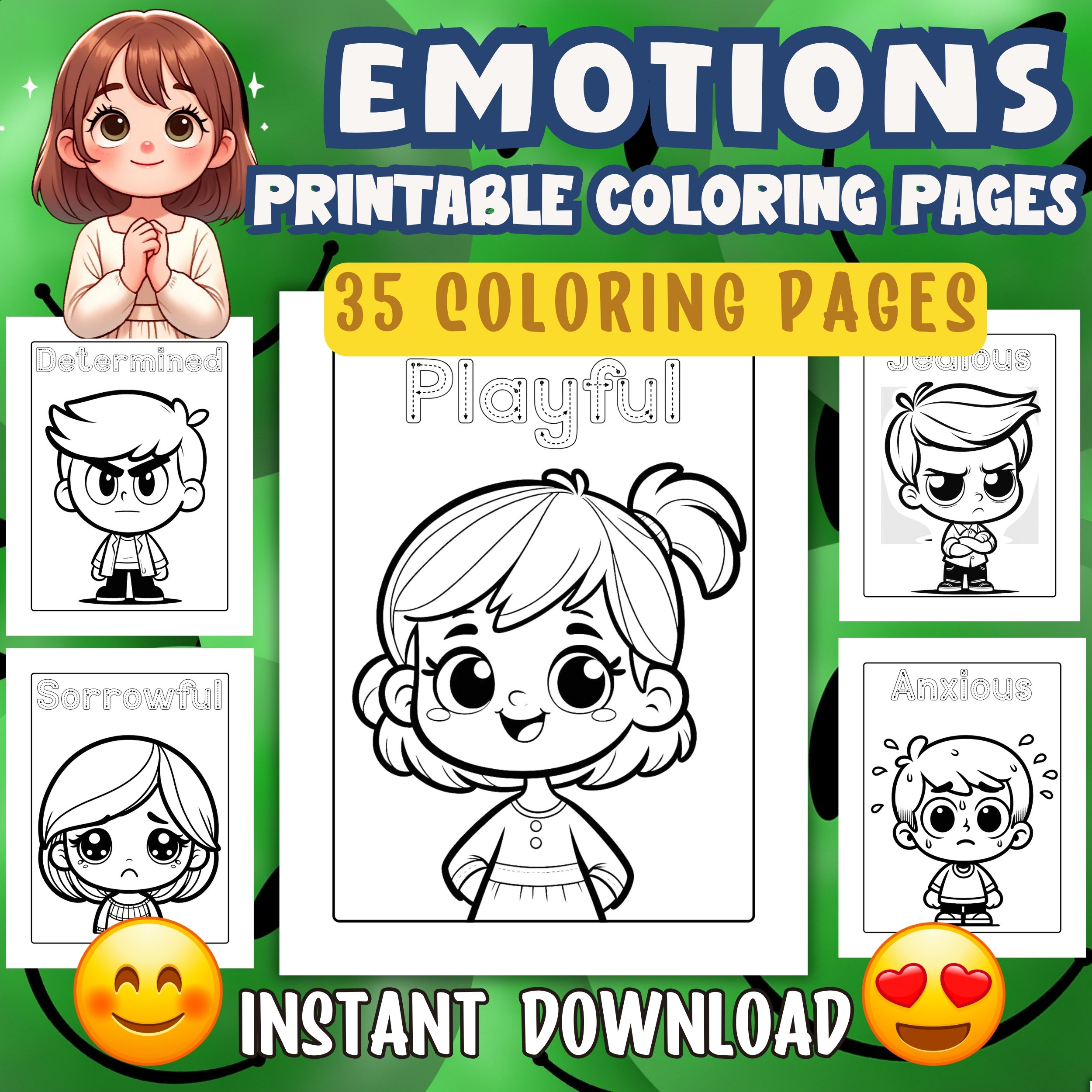
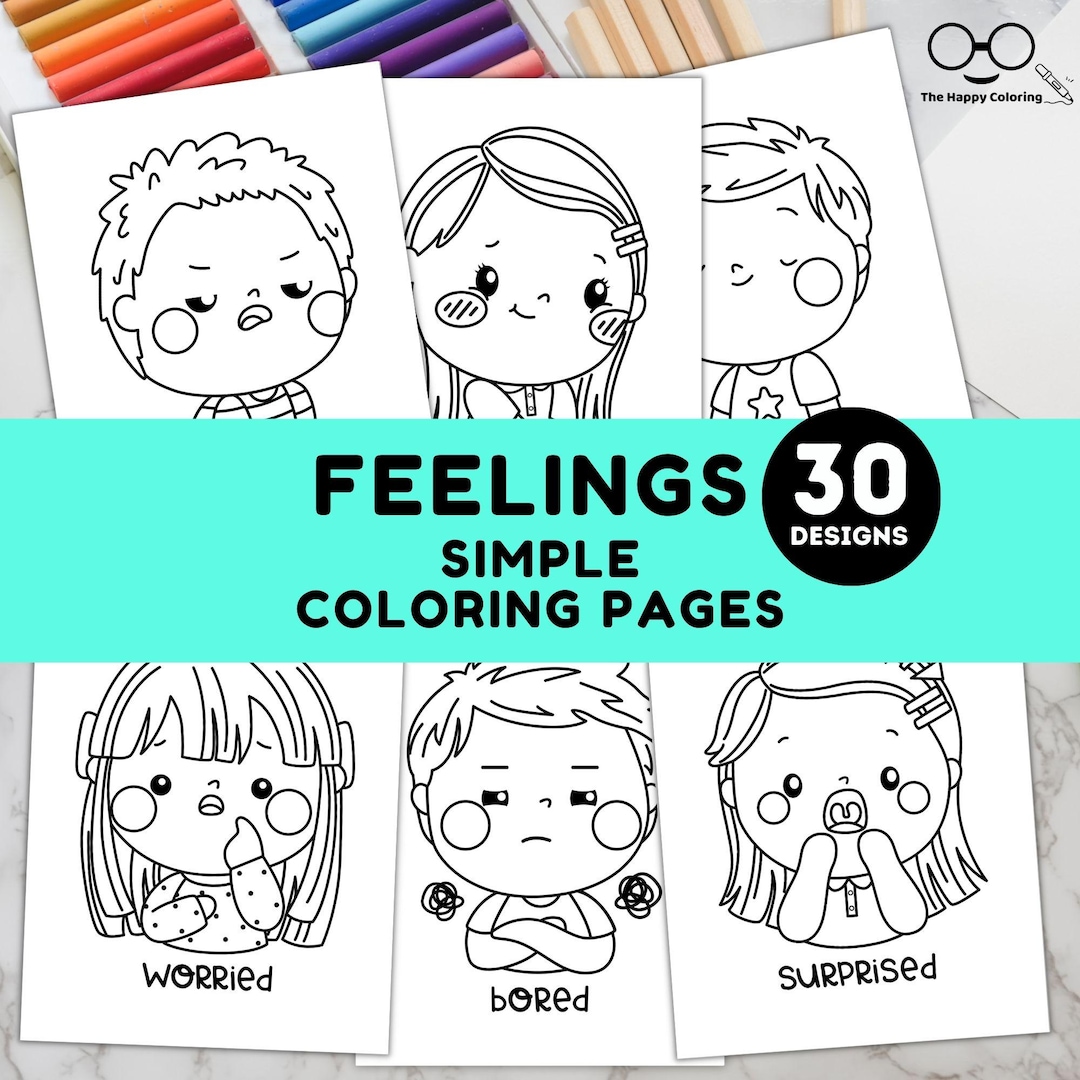
Coloring pages emotions serve as targeted printable resources that intentionally integrate socio-emotional learning with early fine-motor skill development. According to the National Association for the Education of Young Children (NAEYC), intentional social-emotional skill building during early childhood directly correlates with long-term academic success, emotional regulation, and positive peer interactions. Educators and homeschool instructors utilize these specialized Coloring Pages to bridge the gap between abstract psychological concepts and tangible creative expression. By connecting facial expressions and body language to specific hues, learners build the vocabulary required to articulate complex internal states while simultaneously refining pencil grips and hand-muscle coordination through structured Handwriting & Tracing components integrated into the page margins.
Curriculum Practice Snapshot:
- Core Focus: Printable worksheets merging socio-emotional recognition with fine-motor coloring practice.
- Target Scope: Early childhood classrooms, special education environments, and home-schooling settings for ages three through eight.
- Key Recommendation: Pair emotional coloring tasks with mirror-based facial mimicry to anchor cognitive comprehension.
Core Principles and Detailed Overview
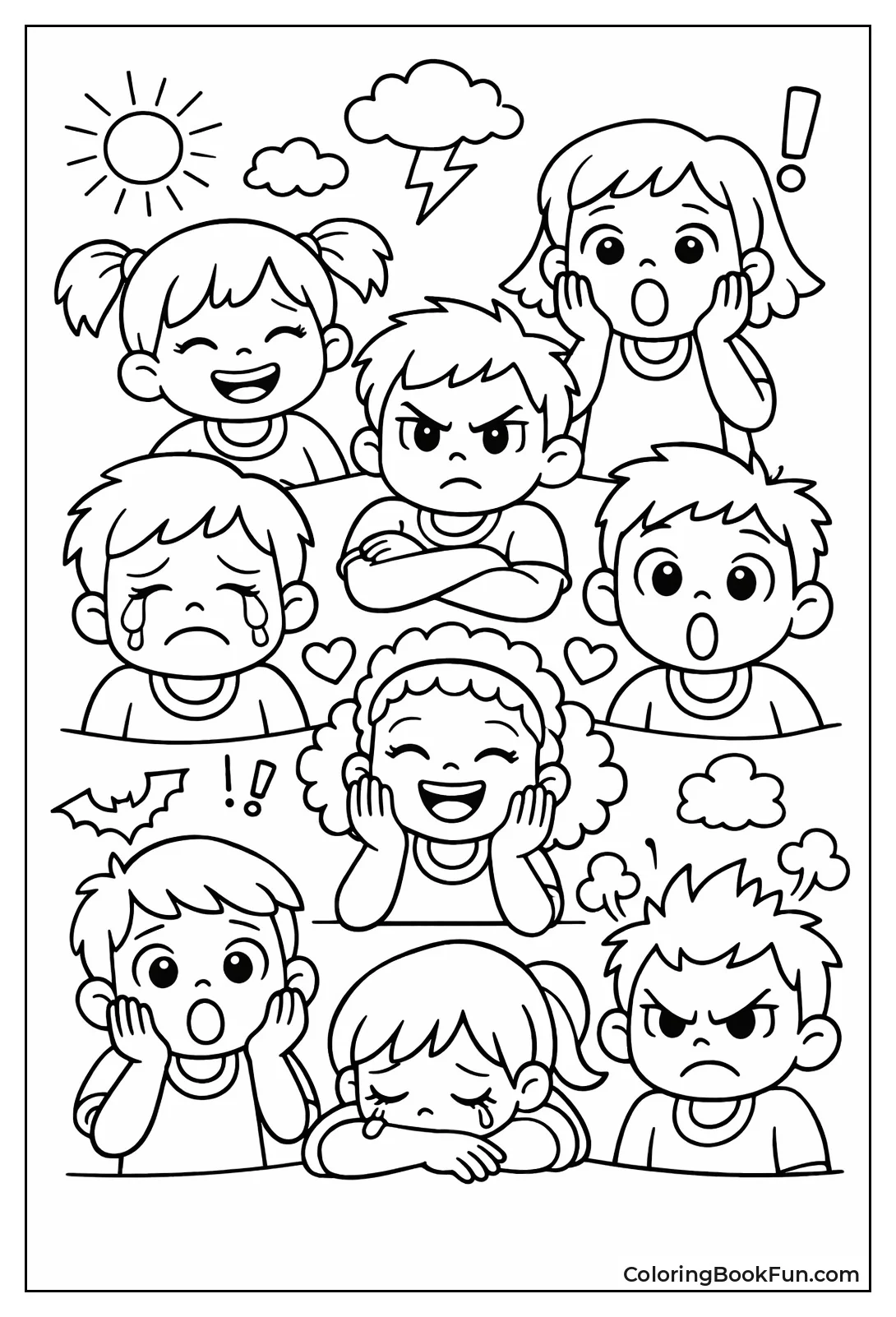
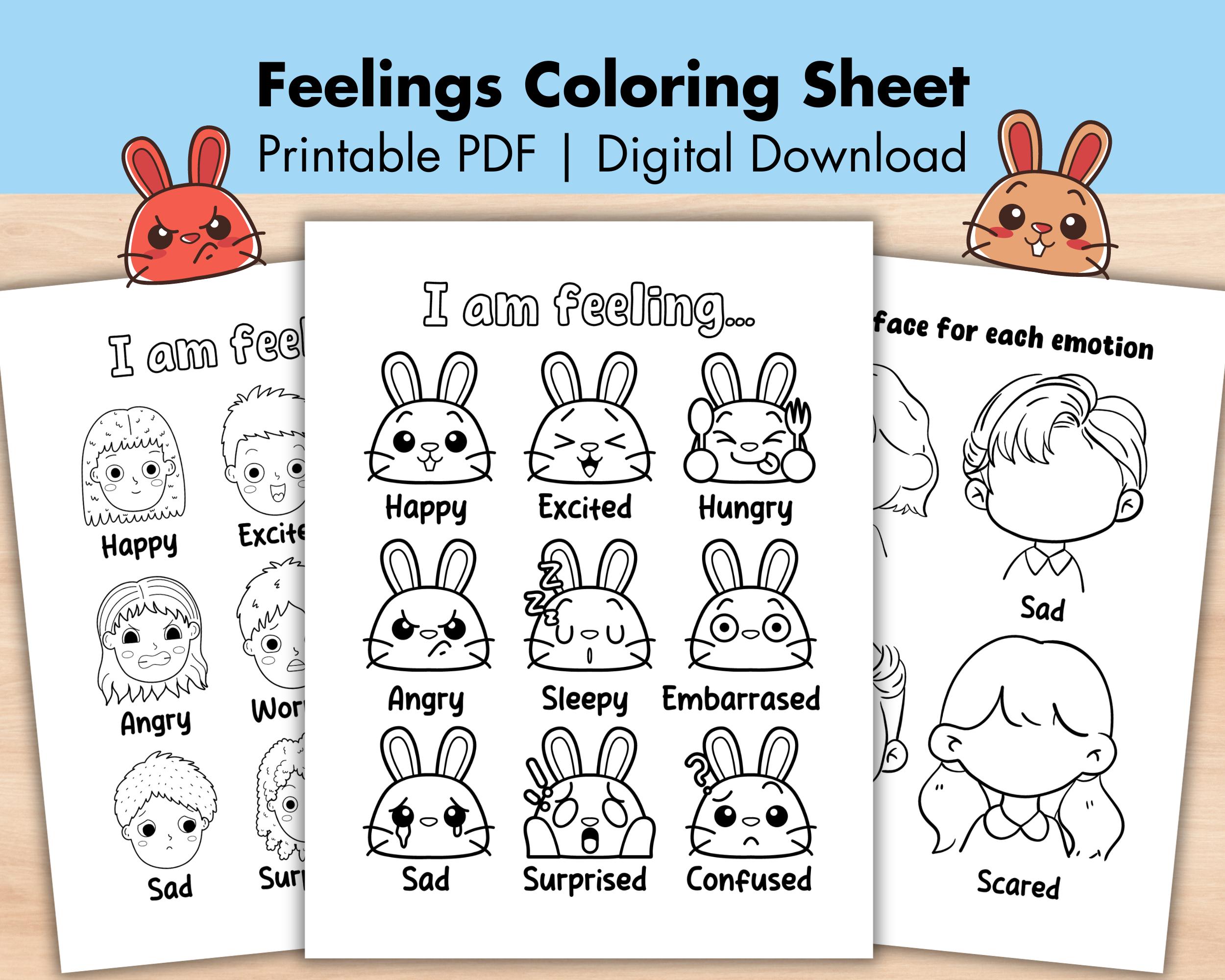
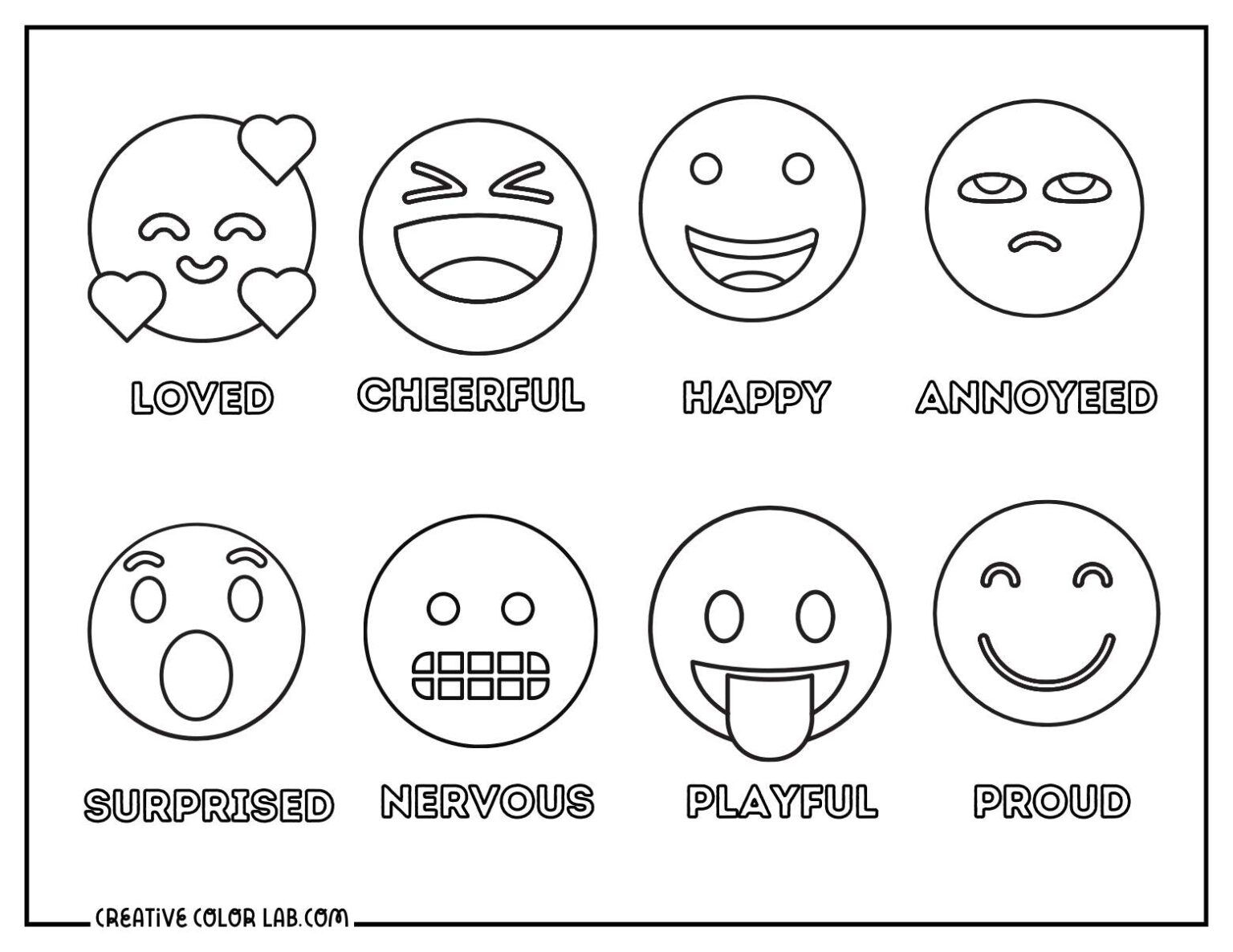
Integrating emotions-based graphic sheets into daily lesson plans provides a non-verbal outlet for children processing high-intensity feelings. Direct answer: These printable assets leverage visual literacy by pairing recognized emotional expressions with structured Worksheets that prompt learners to identify, label, and color distinct moods like joy, frustration, anxiety, and calmness. Early childhood instructional designers construct these materials to support neural pathways linking the limbic system to motor execution. As children select specific shades to represent emotional intensities, educators observe heightened self-awareness and improved emotional regulation. Such activities function seamlessly within broader Learning Activities designed to cultivate empathy and emotional intelligence across diverse classroom demographics.
Key Specifications and Breakdown
| Grade / Developmental Stage | Target Learning Skill | Instructional Strategy & Scaffolding |
|---|---|---|
| Pre-K / Ages 3-4 | Basic emotion identification and palmar grasp control | Use oversized facial features with bold outlines and minimal background distraction. |
| Kindergarten / Ages 5-6 | Nuanced feeling vocabulary and pincer grasp refinement | Incorporate simple tracing labels beneath each face to reinforce literacy connections. |
| Early Elementary / Ages 7-8 | Complex emotional regulation and contextual self-reflection | Provide scenario prompts requiring learners to match specific emotional coloring pages to real-life events. |
Early childhood curricula that intentionally embed emotional literacy alongside foundational motor tasks yield measurable improvements in behavioral self-regulation and classroom engagement. — Institute of Education Sciences (IES)
Step-by-Step Practical Application and Guidelines
Implementing emotional coloring exercises effectively requires a three-step pedagogical framework encompassing introduction, execution, and reflection. Direct answer: Educators introduce the target emotion through storytelling or mirror observation, distribute the designated printable sheet for mindful coloring, and conclude with a facilitated circle-time discussion connecting the artistic choices to personal experiences. Initially, instructors display a reference image, inviting learners to mimic the depicted facial expression while naming the feeling aloud. Next, students complete the coloring task independently, utilizing color choices metaphorically to express their current internal state. Finally, structured debriefing sessions allow children to share their creations, reinforcing communicative competence and validating diverse emotional experiences within a supportive community setting.
Common Challenges and How to Avoid Them
Misinterpreting abstract emotional illustrations and rushing through fine-motor tasks represent the primary obstacles educators encounter during emotional art sessions. Direct answer: Instructors successfully mitigate these challenges by explicitly discussing the physiological markers of each emotion before coloring begins and establishing pacing guidelines that prioritize mindful engagement over rapid completion. When learners assign random hues without connecting color to feeling, teachers intervene with guiding questions rather than corrections, encouraging students to explain why a specific shade represents calmness or anger. Furthermore, pairing these sheets with comprehensive Teacher Resources ensures educators possess the scaffolding tools necessary to support diverse learners facing sensory processing or developmental delays.
💬 Frequently Asked Questions
Explore More Early Learning and Classroom Resources on Knowalla
Designing comprehensive early childhood curricula requires continuous access to high-quality, research-backed instructional materials. Educators and parents can discover an extensive library of printable assets, skill-building exercises, and grade-specific frameworks by visiting Knowalla for ongoing classroom support.
Printable Coloring Page Previews