Introduction
Coloring pages for toddlers function as foundational instructional tools that build fine-motor precision, spatial awareness, and bilateral coordination in early childhood classrooms. According to the National Association for the Education of Young Children (NAEYC), purposeful manipulation of writing implements and structured art materials during early childhood directly strengthens the small hand muscles required for subsequent academic tasks. Educators and homeschool parents utilize print-ready Coloring Pages to transition young learners from gross motor exploration to controlled, goal-directed manipulation. This instructional guide details curriculum integration strategies, developmental milestones, and scaffolded teaching practices designed to maximize the efficacy of foundational printables within contemporary early learning environments.
Curriculum Practice Snapshot:
- Core Focus: Developing hand-eye coordination, pencil grasp, and spatial awareness through guided coloring activities.
- Target Scope: Toddlers and early pre-school learners within home and classroom settings.
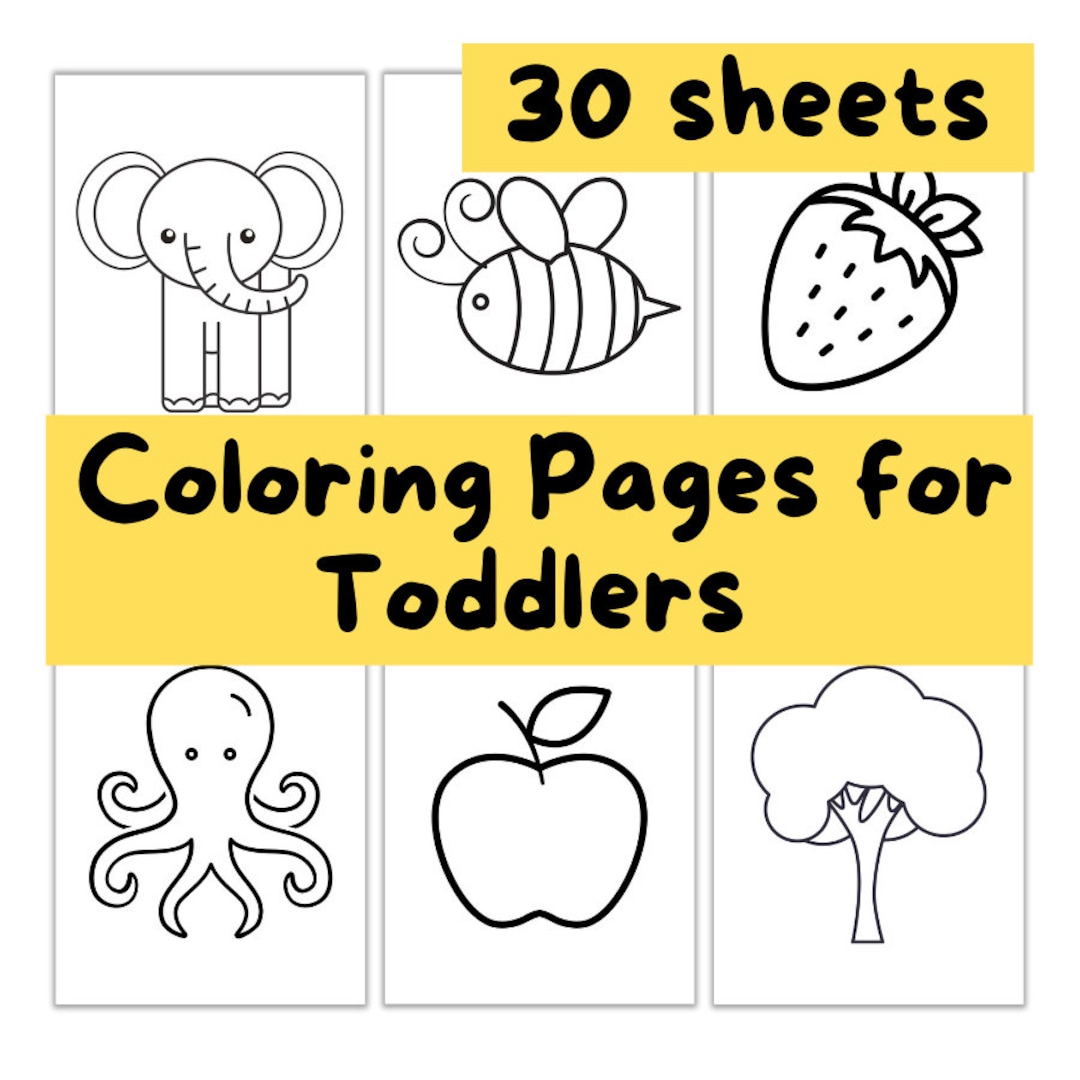
- Key Recommendation: Pair thick-lined geometric shapes with large crayons to support early palmar and digital grasp transitions.
Core Principles and Detailed Overview
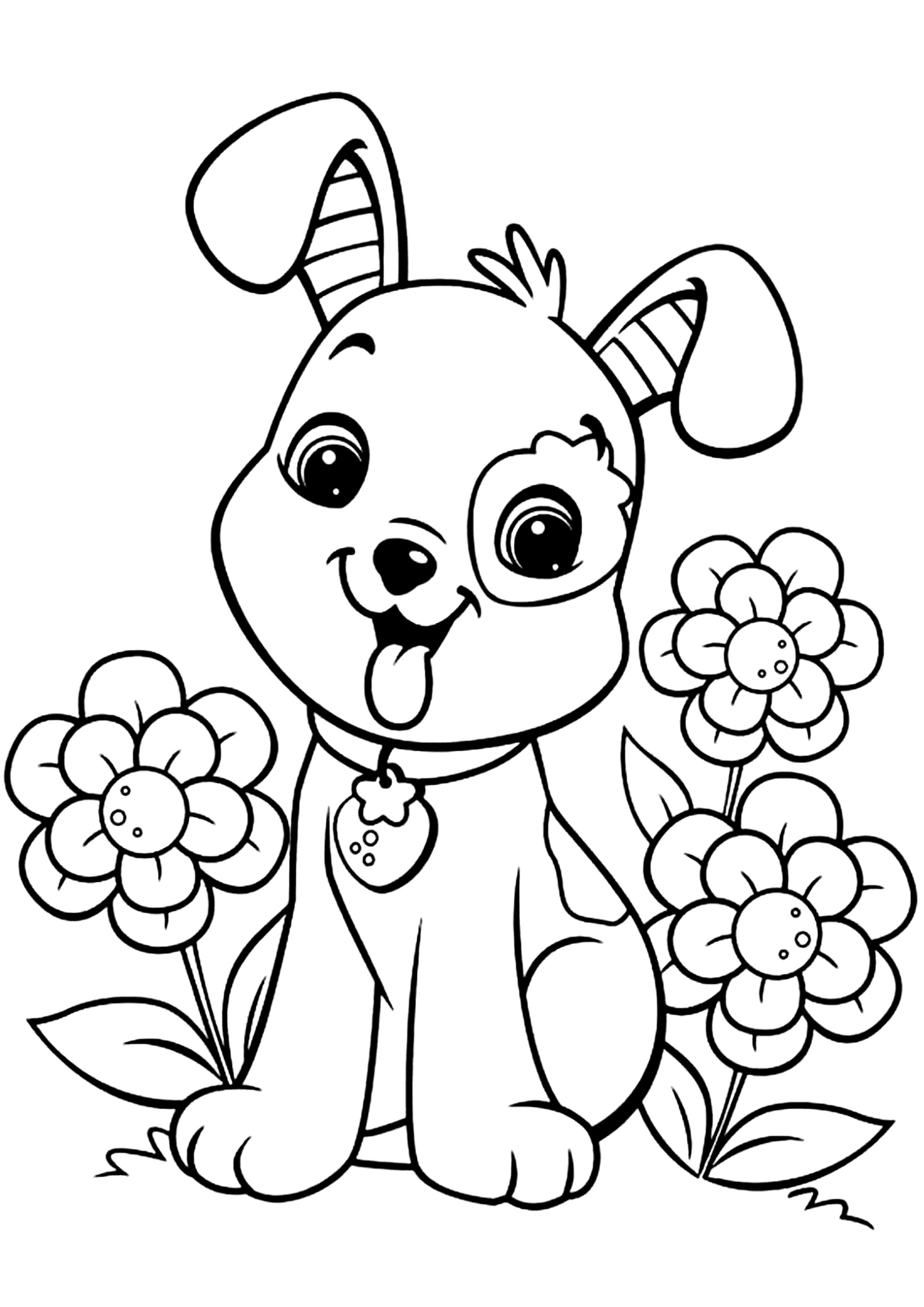
Fine-motor development through coloring relies on systematic progression from unconstrained scribbling to bounded, intentional strokes within defined visual borders. Structured printable resources provide visual boundaries that challenge toddlers to monitor hand movement relative to external spatial cues. Integrating these sheets alongside foundational Handwriting & Tracing sheets accelerates the neural pathways responsible for visual-motor integration. Early childhood educators select simplified designs featuring thick, bold outlines and sparse background details to prevent cognitive overload. When children engage regularly with these materials, they naturally refine their grip strength, wrist stability, and cross-body midline crossing, all of which form the biological prerequisite for formal writing and self-help independence.
Key Specifications and Breakdown
| Grade / Developmental Stage | Target Learning Skill | Instructional Strategy & Scaffolding |
|---|---|---|
| Young Toddler (18-24 Months) | Palmar grasp, gross arm movement, and paper exploration | Use ultra-thick single outlines with expansive white space to encourage free-form color exploration. |
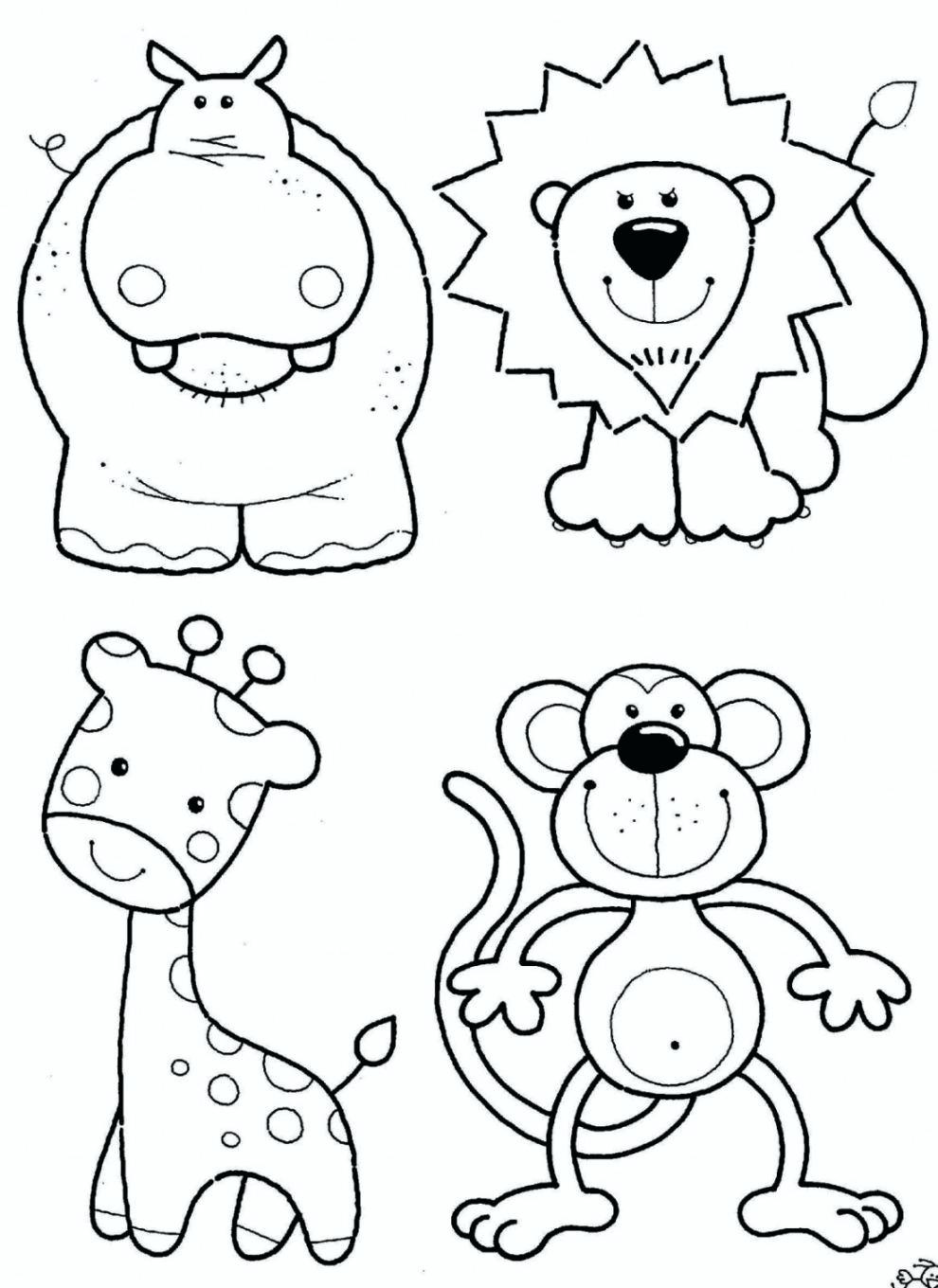
| Older Toddler (24-36 Months) | Transitional digital grasp, boundary awareness, and intentional strokes | Introduce simple geometric shapes and animals paired with chunky triangular crayons to prevent rolling. |
| Early Preschool (3-4 Years) | Pincer grasp stabilization, sustained attention, and color vocabulary | Combine coloring tasks with related Learning Activities to reinforce thematic cross-curricular concepts. |
Early childhood motor skill acquisition requires repeated engagement with tactile media, visual boundaries, and purposeful manipulative tasks to secure lasting neural retention. — National Center for Education Statistics (NCES)
Step-by-Step Practical Application and Guidelines
Implementing coloring pages effectively involves a three-step instructional routine that emphasizes preparation, guided execution, and positive reinforcement. First, educators select developmentally appropriate printouts from trusted collections like Teacher Resources, ensuring line widths match the motor capabilities of the specific age group. Second, instructors establish a supportive ergonomic setup by positioning children at appropriately sized tables with adequate downward lighting and stable seating postures. Third, adults model appropriate grip pressure and directional strokes while encouraging children to describe their color choices verbally, thereby integrating expressive language development with active artistic practice.
Common Challenges and How to Avoid Them
Frustration during coloring sessions typically stems from selecting overly intricate designs or providing inadequate writing instruments that hinder physical control. When toddlers encounter overly complex illustrations containing intricate patterns, premature cognitive fatigue often leads to tearing the paper or abandoning the task entirely. To prevent this, educators should audit existing Worksheets for visual clarity, substituting overly busy layouts with bold, uncluttered outlines. Additionally, rotating writing media between chunky wax crayons, soft oil pastels, and thick washable markers maintains student engagement while accommodating varying sensory preferences across a diverse group of young learners.
💬 Frequently Asked Questions
Explore More Early Learning and Classroom Resources on Knowalla
Educators, parents, and caregivers seeking comprehensive foundational materials will find a vast selection of print-ready assets on Knowalla. Exploring the centralized platform provides immediate access to structured skill-building printables, educational activities, and professional teaching aids designed to support every phase of early childhood cognitive and motor development.
Printable Coloring Page Previews