Introduction
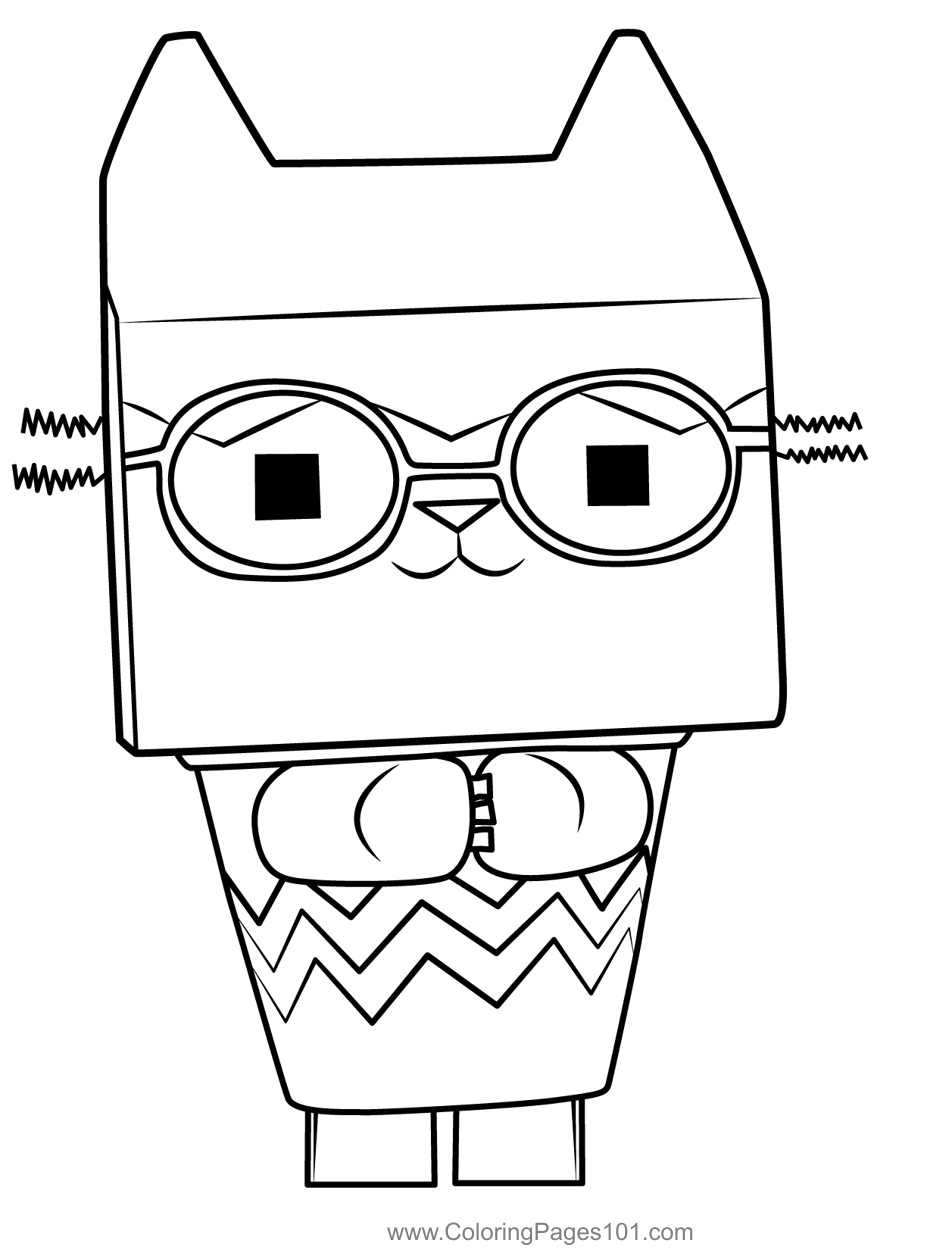
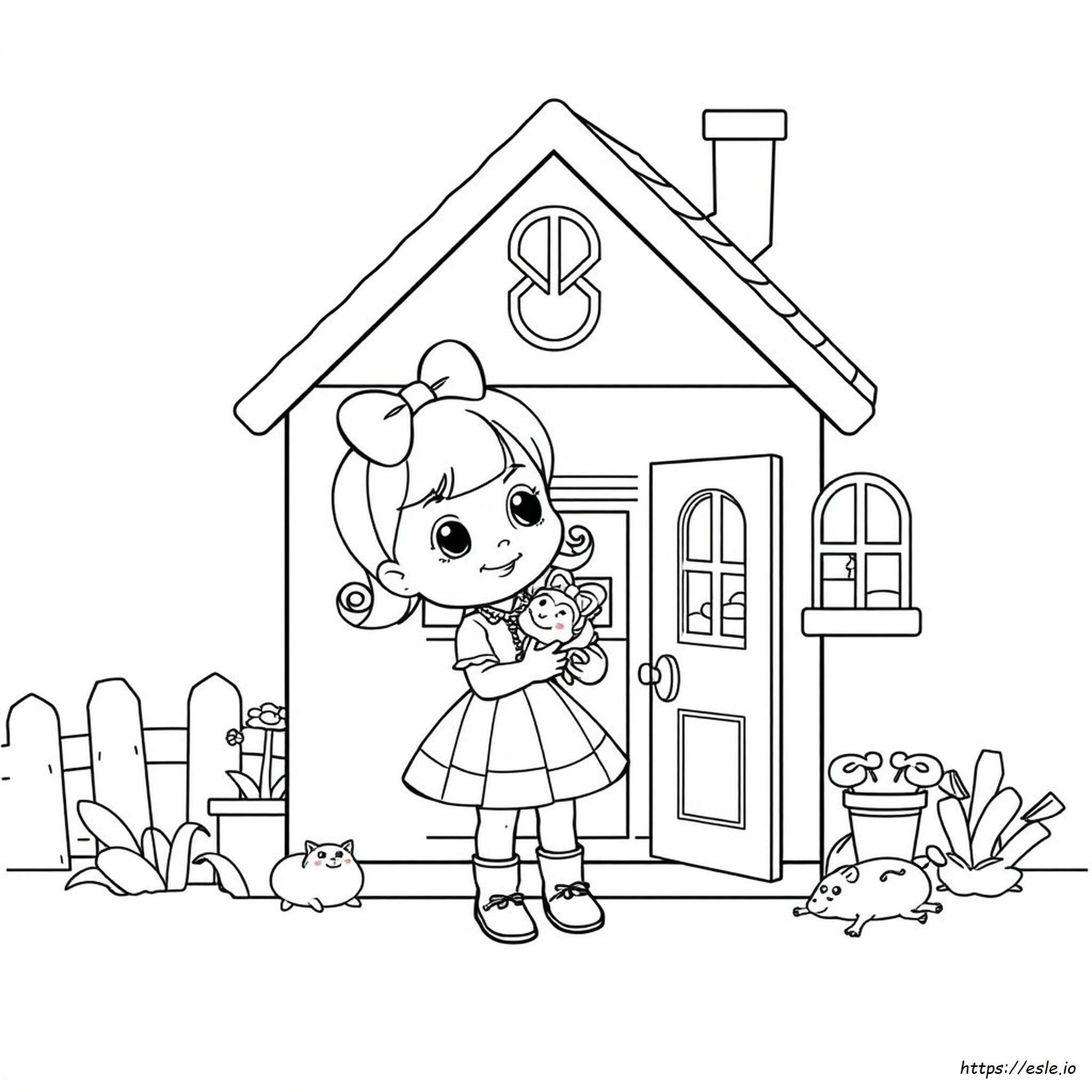
Coloring pages gabby dollhouse serve as targeted early childhood educational printables that combine popular media characters with foundational motor skill development and cognitive engagement. According to the National Association for the Education of Young Children (NAEYC), purposeful play-based integration of familiar characters effectively supports children’s intrinsic motivation and sustained attention during foundational learning tasks. Educators and homeschool instructors frequently utilize these themed printables to transition young learners into structured fine-motor exercises without triggering academic resistance. Integrating recognizable characters bridges the gap between recreational screen time and productive paper-and-pencil tasks, fostering a positive early association with schoolwork and printable skill practice. Curated collections of Coloring Pages offer systematic ways to scaffold early childhood classrooms.
Curriculum Practice Snapshot:
- Core Focus: Enhancing fine-motor control, grip strength, and creative expression through themed character art.
- Target Scope: Preschool, kindergarten, and early elementary classrooms or homeschool learning environments.
- Key Recommendation: Pair character sheets with progressive Handwriting & Tracing sheets to reinforce wrist stabilization.
Core Principles and Detailed Overview
Coloring pages gabby dollhouse provide structured artistic practice that directly reinforces hand-eye coordination, spatial awareness, and bilateral hand integration. Direct execution of controlled pencil strokes builds intrinsic hand muscles vital for future handwriting fluency. By working within defined boundary lines, young learners cultivate visual attention and impulse control, transferring these self-regulatory gains to broader academic domains. Incorporating thematic visuals maintains high engagement levels, allowing children to practice pencil pressure modulation over extended periods. Instructors can seamlessly integrate these sheets into daily Learning Activities designed to build foundational stamina.
Key Specifications and Breakdown
| Grade / Developmental Stage | Target Learning Skill | Instructional Strategy & Scaffolding |
|---|---|---|
| Pre-K (Ages 3-4) | Gross boundary control and palm-to-finger grip transition | Provide thick-lined, simplified character outlines paired with large crayons. |
| Kindergarten (Ages 5-6) | Pincer grasp refinement and directional stroke control | Introduce colored pencils and smaller detailed sections within the dollhouse rooms. |
| Early Elementary (Ages 6-7) | Complex shading, pattern replication, and sustained focus | Incorporate multi-step coloring challenges combined with written character prompts. |
Systematic fine-motor skill intervention supports neurological pathways necessary for complex spatial reasoning and academic endurance. — What Works Clearinghouse (WES)
Step-by-Step Practical Application and Guidelines
Executing effective coloring sessions requires intentional material preparation and progressive scaffolding across weekly lesson plans. First, select appropriate sheets matching the specific developmental fine-motor goals of the student cohort, ensuring line weights suit current grip abilities. Second, establish clear expectations regarding tool management, color selection, and edge precision before independent work begins. Third, combine the finished artistic outputs with Worksheets that prompt descriptive writing or vocabulary generation based on the decorated characters. This multidisciplinary method transforms simple art time into a comprehensive literacy and motor exercise.
Common Challenges and How to Avoid Them
Common challenges associated with themed character coloring sheets include rapid completion without attention to detail and hand fatigue resulting from improper grip posture. Educators counteract rushed work by establishing deliberate pacing expectations and modeling slow, controlled shading techniques during whole-group instruction. Hand fatigue is mitigated by offering ergonomic triangular crayons or short pencils that naturally encourage an appropriate three-finger pincer grasp. Utilizing structured Teacher Resources ensures printable tasks match children’s actual physical endurance limits.
💬 Frequently Asked Questions
Explore More Early Learning and Classroom Resources on Knowalla
Educators and parents seeking comprehensive printables, skill-building exercises, and instructional guides will find extensive collections at Knowalla. Continuous access to structured resources ensures young learners maintain steady developmental progress across all academic subjects.
Printable Coloring Page Previews