Introduction
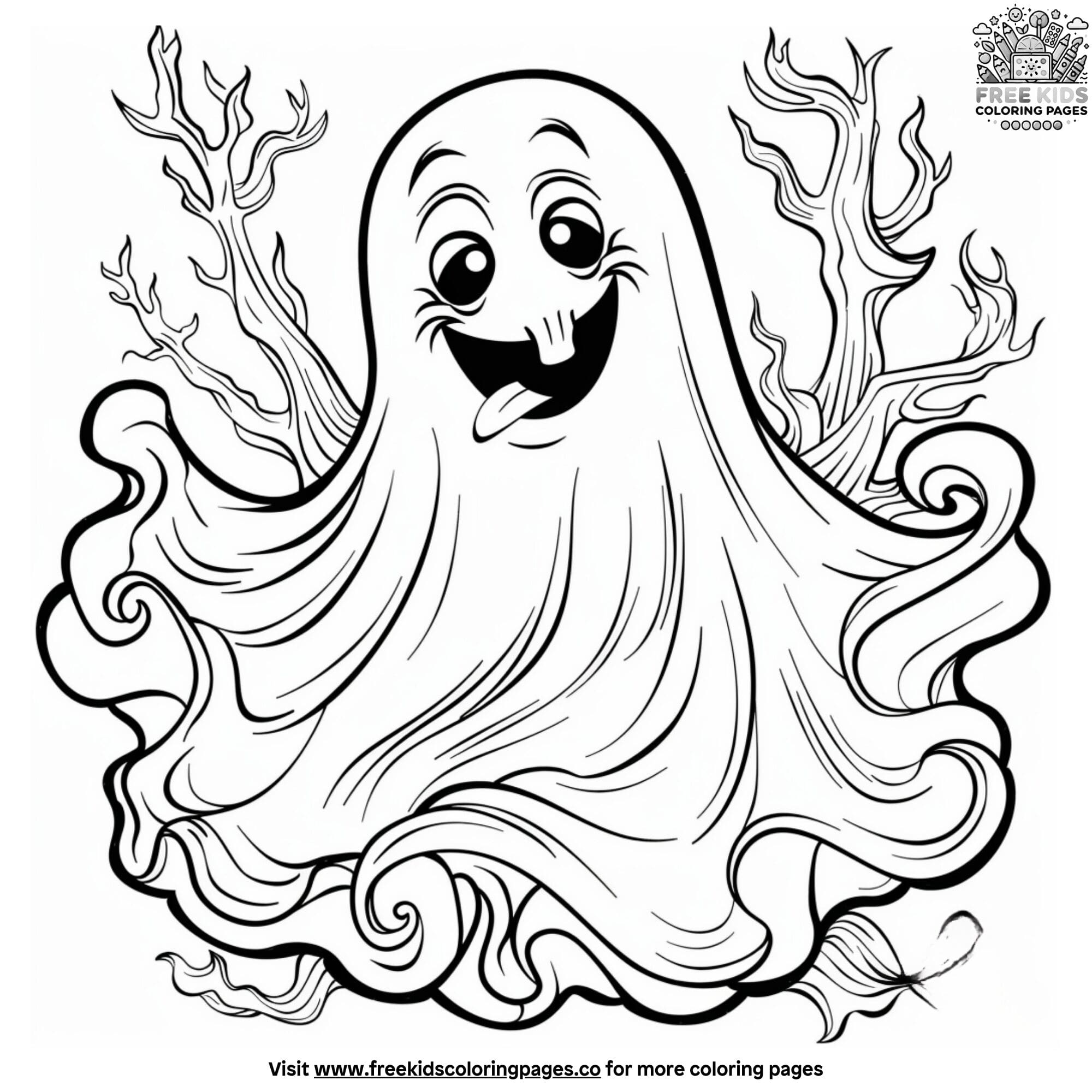
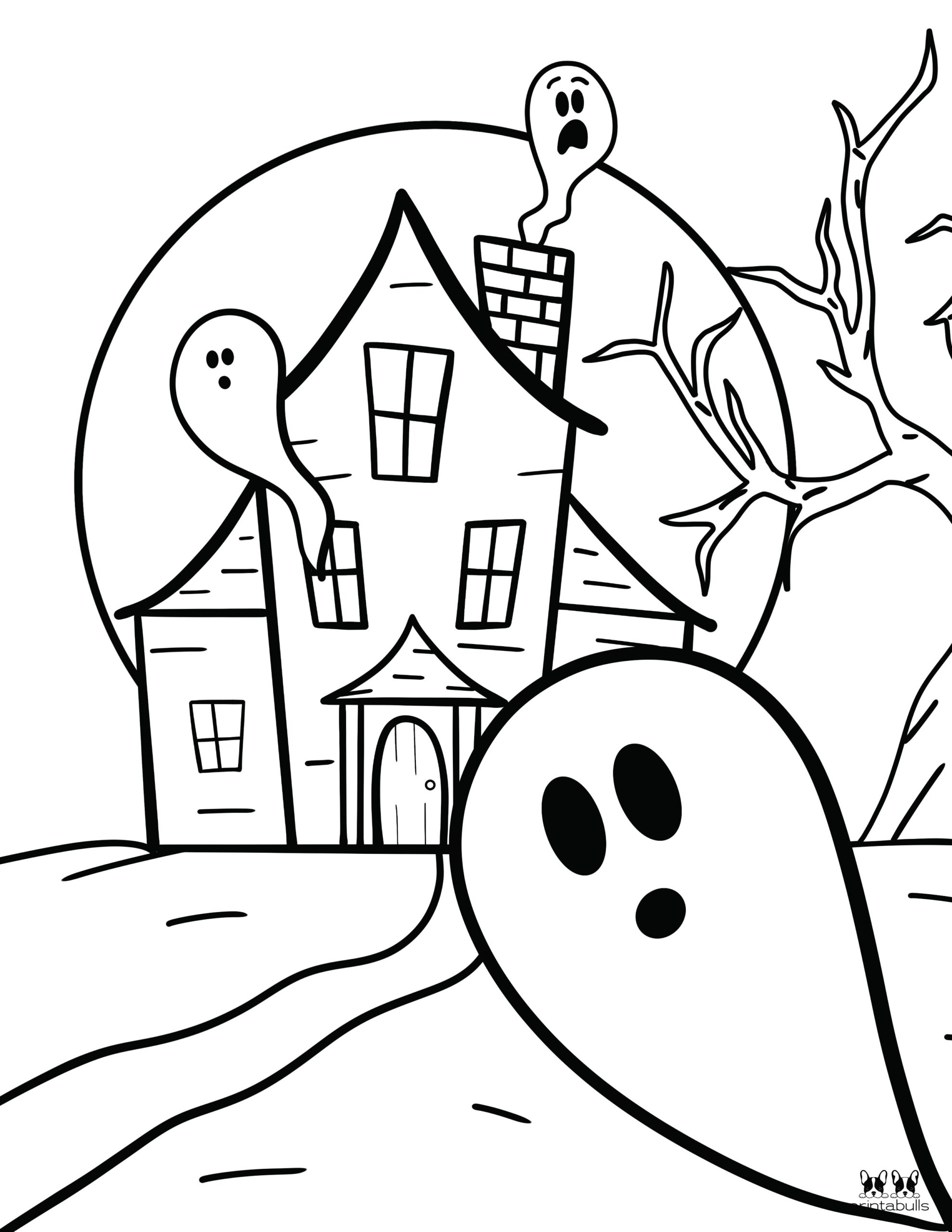
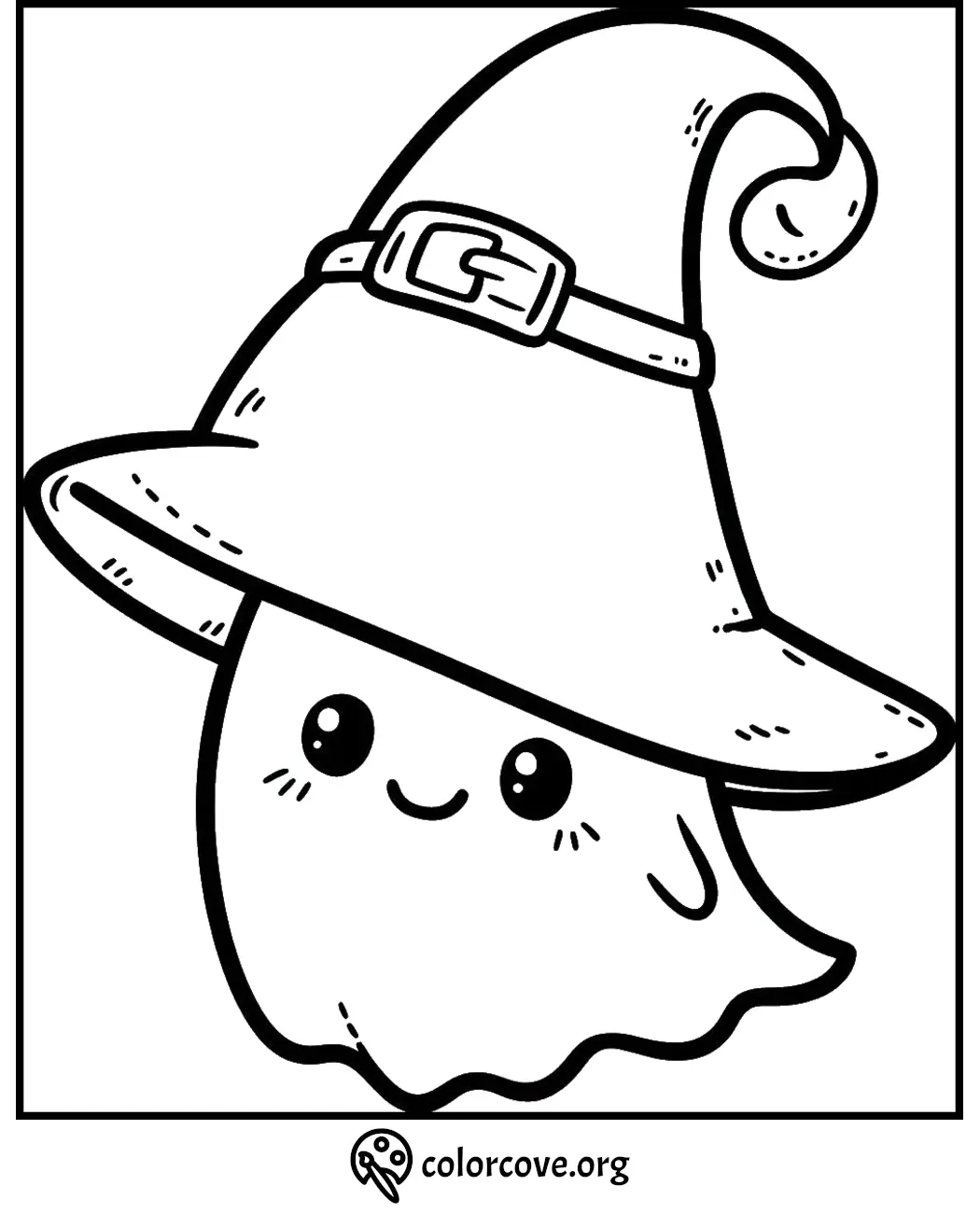
Coloring pages ghost assets function as targeted early childhood printables designed to build foundational fine-motor control, bilateral coordination, and visual-spatial awareness through seasonal themed templates. According to the National Association for the Education of Young Children (NAEYC), purposeful play-based fine-motor practice using structured graphical assets directly supports the muscular strength required for long-term handwriting success. Educators and homeschooling parents frequently incorporate seasonal imagery to maintain sustained attention spans during early writing readiness drills. Comprehensive curriculum catalogs on Coloring Pages offer extensive repositories of these targeted developmental tools.
Curriculum Practice Snapshot:
- Core Focus: Printable ghost-themed templates engineered for fine-motor development and pencil grip endurance.
- Target Scope: Pre-Kindergarten through Grade 1 classrooms and home-learning environments.
- Key Recommendation: Pair thick-lined graphical printables with varied writing utensils to strengthen intrinsic hand muscles.
Core Principles and Detailed Overview
Fine-motor development relies heavily on repeated, engaging pencil manipulation tasks that train the hand to control pressure and directionality. Utilizing themed graphical worksheets allows young children to practice staying within boundary lines, which reinforces visual-motor integration and spatial perception. Educators can seamlessly integrate these sheets into broader Worksheets units focusing on seasonal themes or letter formations. Furthermore, consistent engagement with controlled-coloring exercises prepares young learners for complex Handwriting & Tracing modules by building core endurance in the index finger and thumb opposition.
Key Specifications and Breakdown
| Grade / Developmental Stage | Target Learning Skill | Instructional Strategy & Scaffolding |
|---|---|---|
| Pre-Kindergarten (Ages 3-4) | Palmar and digital grasp stability | Utilize ultra-thick boundary lines and large open spaces to accommodate wider crayons. |
| Kindergarten (Ages 5-6) | Pincer grip endurance and edge control | Incorporate intermediate line widths paired with colored pencils or thin markers. |
| First Grade (Ages 6-7) | Precision shading and wrist articulation | Deploy intricate ghost illustrations requiring controlled diagonal and circular strokes. |
Systematic fine-motor intervention during early primary education significantly improves long-term graphomotor proficiency and overall academic engagement. — What Works Clearinghouse (IES)
Step-by-Step Practical Application and Guidelines
Implementing ghost-themed printables effectively requires a structured three-step instructional sequence to maximize both engagement and skill acquisition. First, educators distribute the selected template alongside a multi-sensory prompt, asking learners to trace the outer borders with an index finger before applying any writing instrument. Second, instructors guide children to select specific coloring utensils that match current developmental needs, such as broken wax crayons to naturally encourage a tripod grasp. Third, teachers facilitate a brief peer-sharing review session focusing on careful boundary control, transforming an independent art task into an active verbal communication exercise supported by professional Teacher Resources.
Common Challenges and How to Avoid Them
Frustration and hand cramping frequently occur when young children attempt overly intricate illustrations before developing the necessary intrinsic hand strength. Instructors can prevent this obstacle by selecting simplified graphical templates featuring bold, distinct outlines that forgivingly accommodate developing motor precision. Additionally, forcing a rigid tripod grasp prematurely often causes physical resistance; educators should instead utilize shorter writing instruments that naturally force correct finger placement without causing muscle fatigue. Integrating these printables alongside dynamic Learning Activities ensures that fine-motor practice remains an enjoyable, low-stress component of the daily schedule.
💬 Frequently Asked Questions
Explore More Early Learning and Classroom Resources on Knowalla
Discovering high-quality educational materials ensures that early childhood classrooms and home-learning spaces remain engaging, rigorous, and developmentally appropriate. Educators and parents can access a vast library of structured printables, seasonal activities, and foundational skill builders by visiting the Knowalla homepage today.
Printable Coloring Page Previews