Introduction
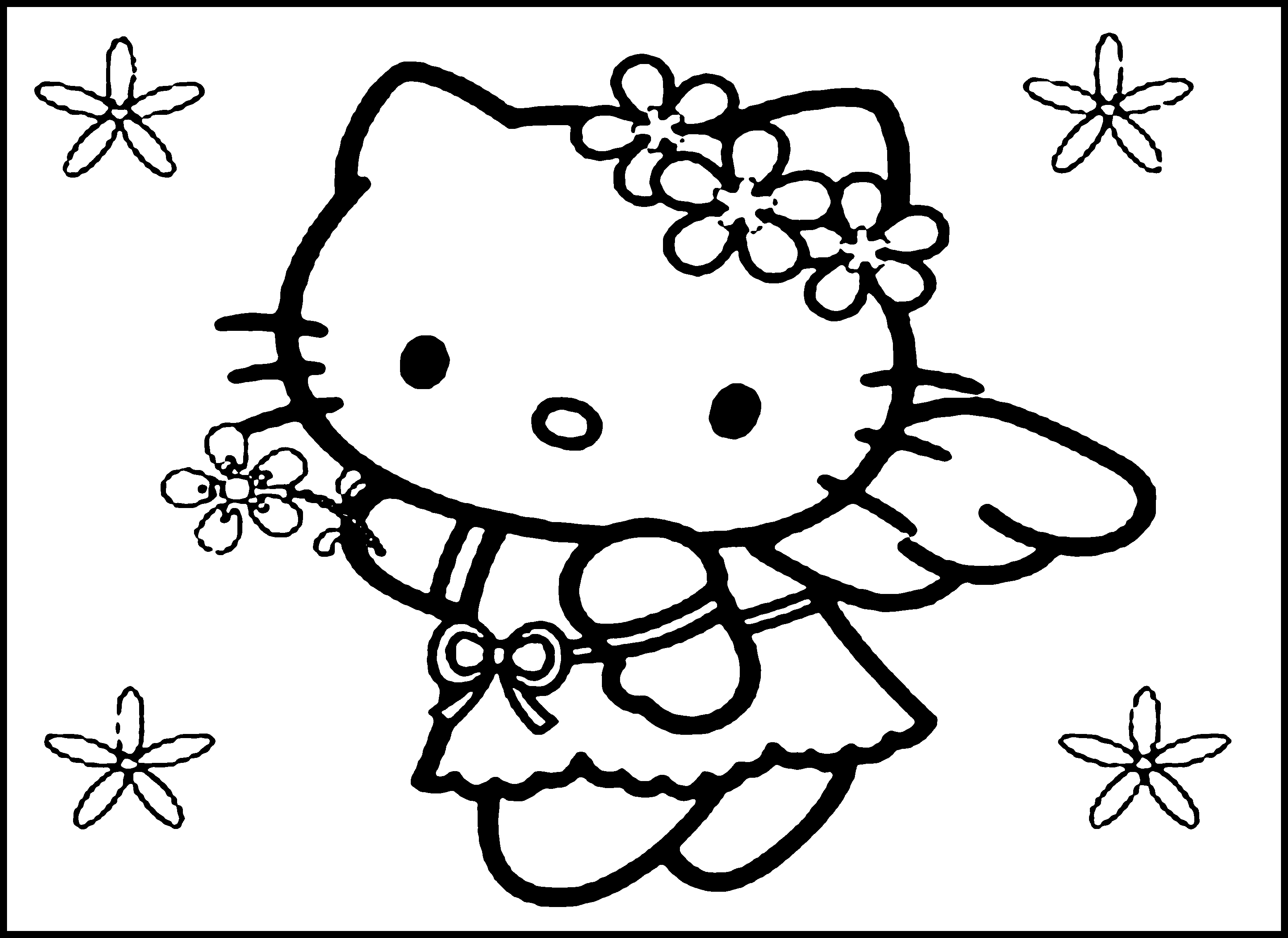
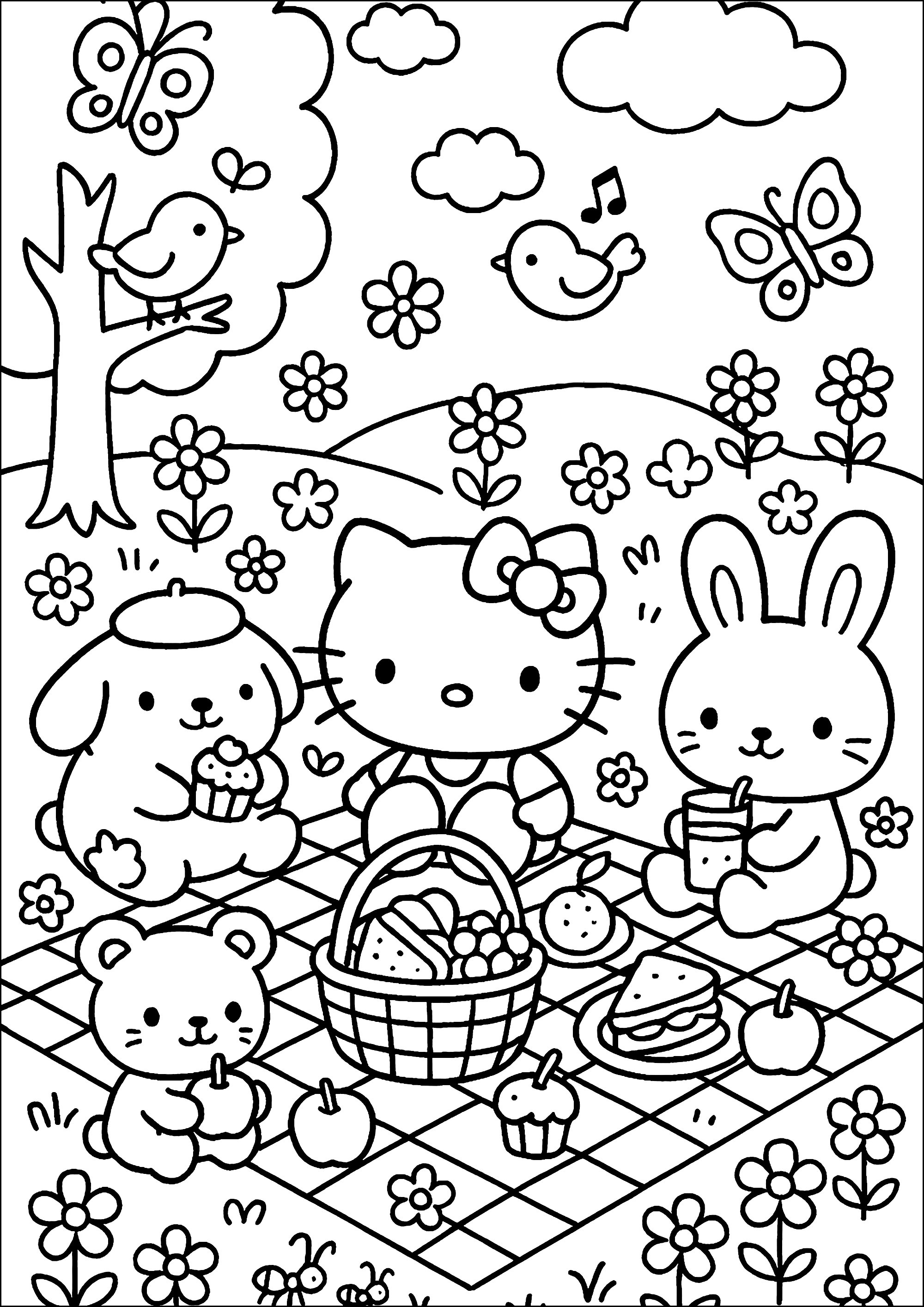
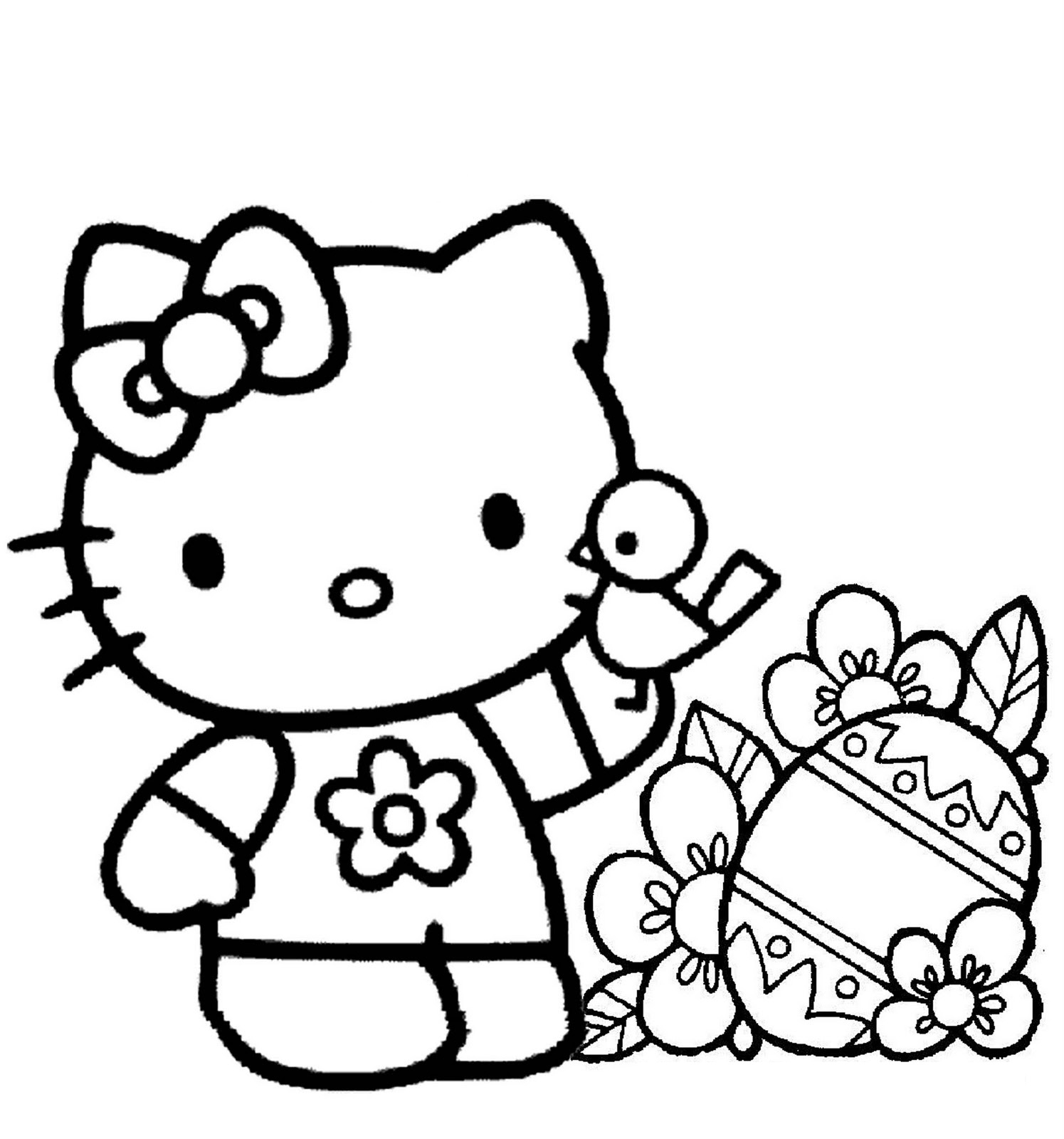
Coloring pages hello kitty function as targeted fine-motor development tools that integrate recognizable character engagement into structured early childhood literacy and cognitive stations. According to the National Association for the Education of Young Children (NAEYC), intentional play-based graphical activities significantly enhance bilateral coordination and pencil grip strength in young children. Educators and homeschool parents leverage these printable assets to bridge the gap between creative expression and foundational pre-writing skill acquisition. Within diverse classroom environments, recognizable character sheets reduce task initiation anxiety and sustain focused attention during independent work intervals.
Curriculum Practice Snapshot:
- Core Focus: Fine-motor control, hand-eye coordination, and spatial boundary adherence via character-themed graphics.
- Target Scope: Preschool through first-grade early childhood learning settings.
- Key Recommendation: Pair graphic tracing worksheets with proper ergonomic pencil positioning instruction to maximize muscle development.
Core Principles and Detailed Overview
Deliberate fine-motor skill acquisition requires consistent engagement with structured graphical layouts that challenge children to coordinate visual perception with precise hand movements. When children interact with Coloring Pages, the brain actively processes spatial orientation, line boundaries, and pressure modulation. Educators integrate these printables into Learning Activities to support bilateral integration, where the non-dominant hand stabilizes the paper while the dominant hand executes controlled strokes. Furthermore, thematic familiarity lowers cognitive load, allowing learners to concentrate entirely on muscle control, stroke fluidity, and color recognition rather than deciphering complex visual instructions.
Key Specifications and Breakdown
| Grade / Developmental Stage | Target Learning Skill | Instructional Strategy & Scaffolding |
|---|---|---|
| Preschool (Ages 3-4) | Palmar to pincer grip transition, gross boundary control | Utilize thick, bold boundary outlines with minimal interior whitespace to encourage large, sweeping wrist movements. |
| Pre-K (Ages 4-5) | Precision coloring, spatial awareness, stamina | Incorporate directional arrows and color-coding keys alongside Worksheets to guide purposeful stroke placement. |
| Kindergarten (Ages 5-6) | Pencil pressure modulation, detail orientation, motor planning | Combine graphic coloring elements with Handwriting & Tracing components to reinforce letter formation. |
Structured fine-motor interventions and visual-motor integration tasks demonstrably improve foundational handwriting readiness and spatial reasoning in early childhood cohorts. — What Works Clearinghouse (IES). For more related activities, check out our Coloring Pages Harry Potter.
Step-by-Step Practical Application and Guidelines
Implementing themed printable resources effectively requires a systematic three-phase instructional sequence designed to maximize both engagement and physical dexterity. First, select appropriate printouts that match the exact fine-motor developmental stage of the child, ensuring line thickness aligns with current pencil control abilities. Second, establish proper ergonomic positioning, verifying that feet rest flat on the floor, paper rests at a natural slant, and fingers grasp the writing utensil in a functional tripod grip. Third, guide the child through purposeful coloring techniques, encouraging them to outline borders first before shading interior regions using controlled, overlapping strokes to build muscle endurance.
Common Challenges and How to Avoid Them
Instructors often encounter common hurdles such as rapid rushing, hand fatigue, or frustration when children struggle to maintain crisp lines within complex graphical regions. Overcoming these obstacles involves shifting the pedagogical emphasis from a flawless final product to the physical process of controlled mark-making and grip endurance. Educators prevent hand cramping by dividing extended coloring sessions into short, timed intervals supported by gentle hand-stretching exercises. Providing varied writing instruments, such as triangular crayons or short colored pencils, naturally forces proper finger placement and reduces excessive grip pressure during independent desk tasks.
💬 Frequently Asked Questions
Explore More Early Learning and Classroom Resources on Knowalla
Empowering early childhood educators and homeschool parents with high-value printables remains the primary mission at Knowalla. Discover an extensive digital library featuring foundational skill sheets, dynamic educational activities, and specialized Teacher Resources designed to elevate daily instruction and foster lasting academic success.
Printable Coloring Page Previews