Introduction
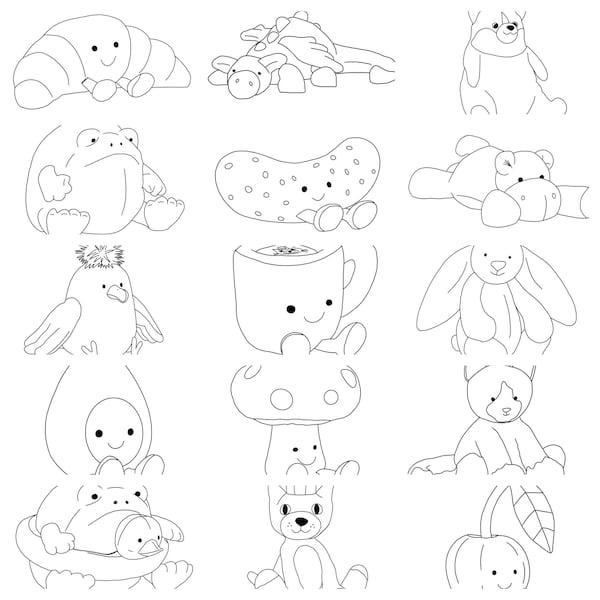
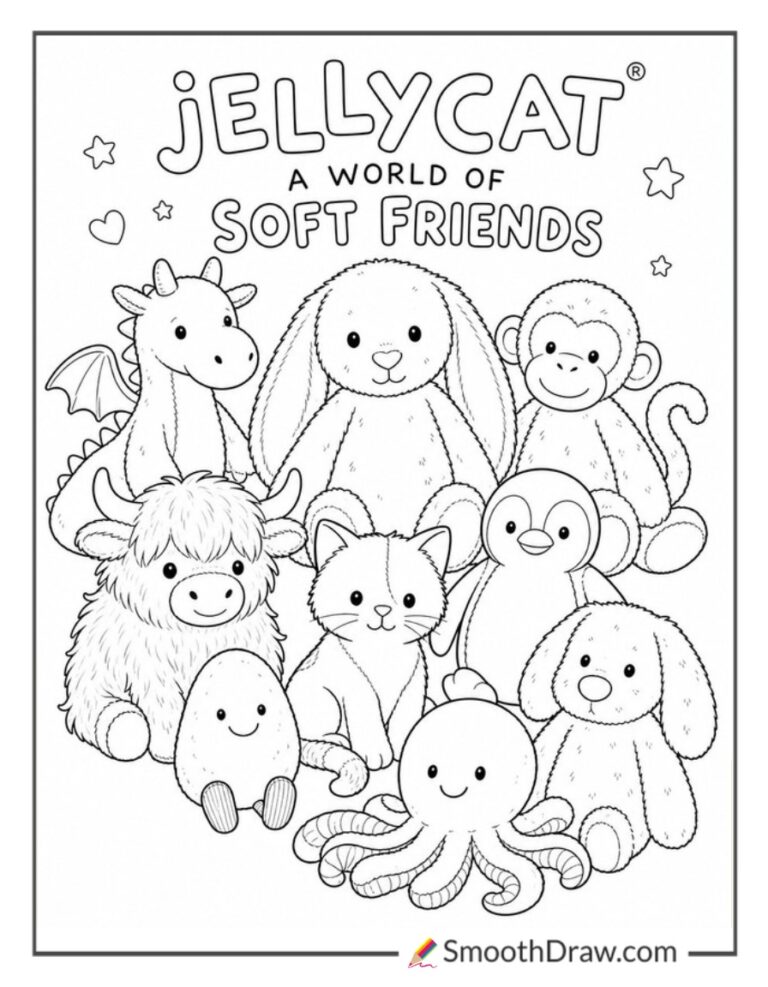
Coloring pages jellycat resources provide engaging, character-themed printable sheets that transform early childhood motor skill practice into highly motivating creative exercises. According to the National Association for the Education of Young Children (NAEYC), intentional play-based learning experiences effectively scaffold foundational developmental milestones through high-interest thematic materials. Educators and homeschool parents leverage these plush-inspired outlines within Coloring Pages collections to capture learner attention, reduce task resistance, and foster positive attitudes toward structured seatwork. By integrating recognizable stuffed animal aesthetics into standard drawing sheets, children willingly engage in sustained visual-motor tasks that directly reinforce hand strength, pencil grasp, and spatial awareness.
Curriculum Practice Snapshot:
- Core Focus: Thematic character coloring sheets designed to build fine-motor precision and concentration.
- Target Scope: Pre-K through Grade 1 students in classrooms and home learning environments.
- Key Recommendation: Pair plush-themed coloring tasks with tactile tracing sheets from Handwriting & Tracing libraries to maximize dexterity gains.
Core Principles and Detailed Overview
Deliberate control of coloring pages jellycat materials develops fine-motor precision by requiring students to navigate rounded contours, soft geometric shapes, and distinct tactile boundaries. Direct sensorimotor engagement with structured lines prompts young learners to calibrate hand pressure, maintain bilateral coordination, and refine visual-motor integration. Within comprehensive Learning Activities, these specialized printables serve as effective transition tools that bridge unstructured artistic expression with controlled graphicacy skills. As children color plush-inspired characters featuring distinct smiling expressions and whimsical proportions, cognitive load decreases, allowing students to focus entirely on wrist stability and finger dexterity without feeling overwhelmed by complex academic demands.
Key Specifications and Breakdown
| Grade / Developmental Stage | Target Learning Skill | Instructional Strategy & Scaffolding |
|---|---|---|
| Preschool (Ages 3-4) | Palmar-to-digital grasp transition and boundary awareness | Utilize thick, simplified outlines with minimal interior details to encourage large, sweeping strokes. |
| Pre-Kindergarten (Ages 4-5) | Pincer grasp refinement and controlled directional shading | Incorporate multi-part character sheets that require alternating colors and precise corner navigation. |
| Kindergarten / Grade 1 | Stamina, stamina maintenance, and intricate detail control | Combine coloring tasks with structured Worksheets featuring multi-step drawing and labeling prompts. |
Systematic fine-motor intervention during early primary education significantly enhances orthographic fluency and manual dexterity outcomes. — What Works Clearinghouse (IES)
Step-by-Step Practical Application and Guidelines
Implementing coloring pages jellycat effectively requires a structured, three-phase pedagogical sequence that maximizes both engagement and motor control. First, select character designs that match current fine-motor capabilities, ensuring that simpler line weights are assigned to younger developmental groups while intricate companion creatures are reserved for advanced students. Second, establish clear ergonomic expectations by modeling proper pencil and crayon grips before distribution, reinforcing wrist positioning and paper stabilization techniques. Third, integrate these printables alongside targeted Teacher Resources to track progress, evaluate grip endurance, and transition successful colorists into independent writing and drawing centers.
Common Challenges and How to Avoid Them
Premature hand fatigue and accidental boundary overruns represent the most frequent obstacles encountered when young children tackle complex illustrative printables. Educators prevent frustration by adjusting the scale of the character outlines, offering larger workspace templates that minimize severe wrist strain during extended coloring sessions. Another common misstep involves treating the activity purely as idle downtime rather than intentional motor skill instruction. Assigning specific color-coding criteria, encouraging directional shading patterns, or pairing the artwork with related descriptive writing prompts transforms simple coloring sheets into rigorous, multi-disciplinary learning stations.
💬 Frequently Asked Questions
Explore More Early Learning and Classroom Resources on Knowalla
Enhance early childhood instructional planning by exploring thousands of vetted printables, professional guides, and skill-building printables available directly through Knowalla. Educators and parents find comprehensive support across every developmental domain to create engaging, effective learning environments.
Printable Coloring Page Previews