Introduction
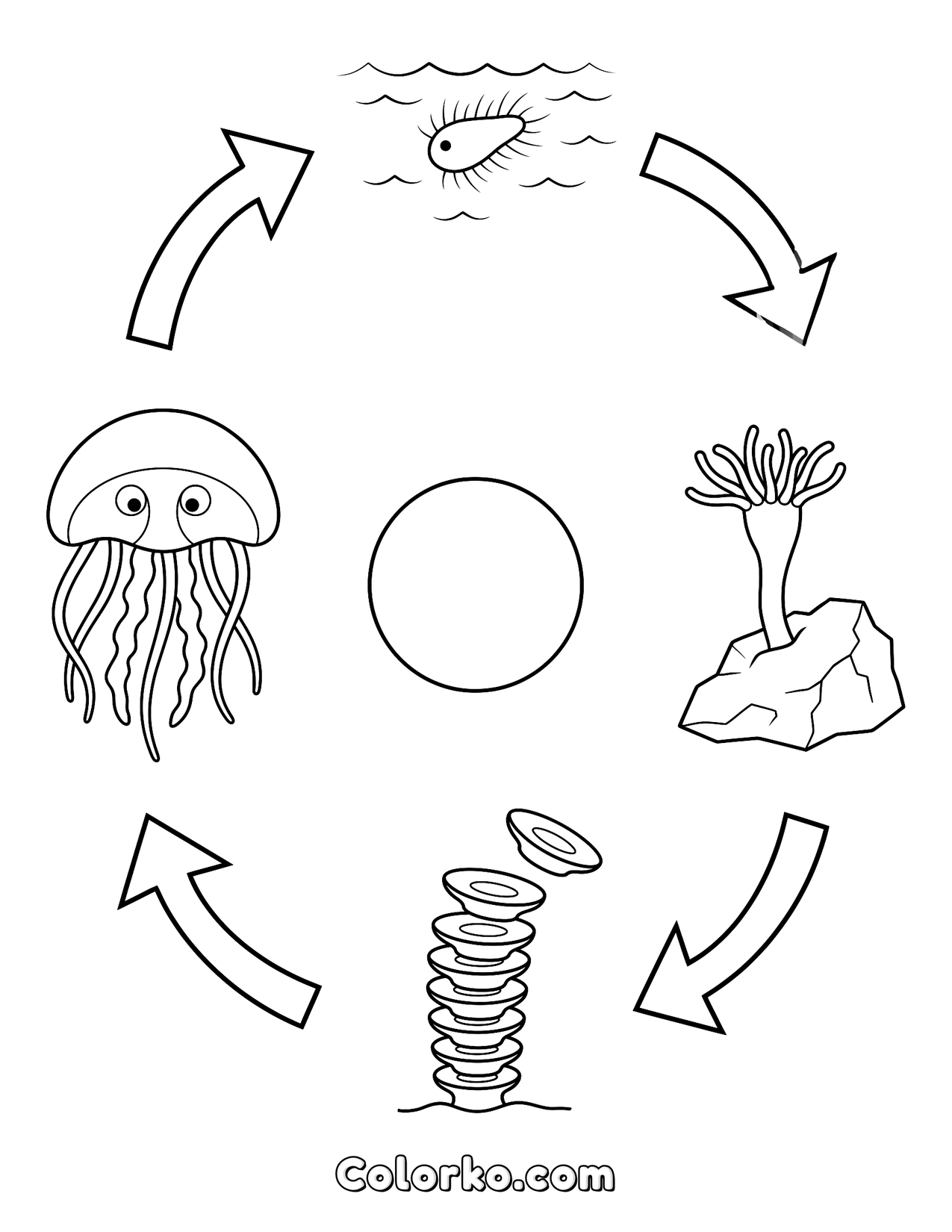
Coloring pages jellyfish serve as specialized graphic worksheets designed to build early fine-motor control, bilateral hand coordination, and visual-spatial awareness in young learners. According to the National Association for the Education of Young Children (NAEYC), purposeful artistic expression and guided motor exercises are foundational components for early childhood cognitive and physical development. Educators and homeschool parents frequently integrate marine-themed printables into broader ocean units to capture student interest while targeting essential pencil grip mechanics. Utilizing these resources effectively bridges the gap between creative play and structured foundational learning across diverse classroom environments, complementing broader curriculum goals found within Teacher Resources.
Curriculum Practice Snapshot:
- Core Focus: Enhancing fine-motor control, hand strength, and bilateral coordination through thematic jellyfish imagery.
- Target Scope: Early childhood education, preschool, kindergarten, and homeschool settings.
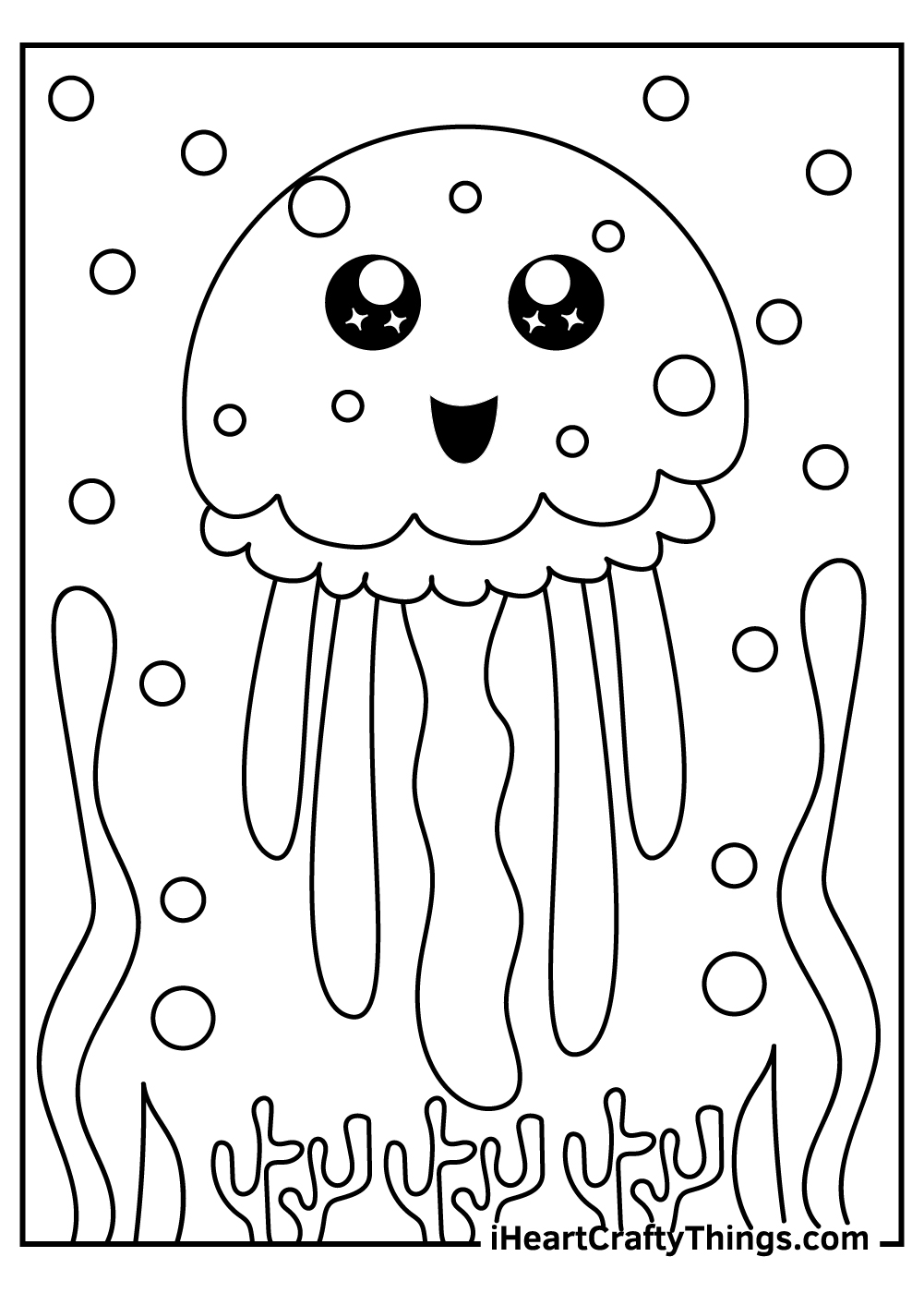
- Key Recommendation: Pair thick-lined jellyfish outlines with targeted tracing tasks and tactile counting exercises to maximize engagement.
Core Principles and Detailed Overview
Fine-motor mastery requires consistent, scaffolded opportunities to manipulate writing tools within defined boundaries. Coloring pages jellyfish offer an ideal canvas for practicing controlled hand movements because the anatomy of a jellyfish combines smooth, rounded umbrella caps with long, flowing tentacles that require varied stroke lengths. As children navigate the curved margins and vertical trails, the small muscles in the hands and fingers experience targeted resistance and refinement. Integrating these specialized sheets alongside other Worksheets ensures children receive balanced practice that merges visual arts with early cognitive skill reinforcement.
Key Specifications and Breakdown
| Grade / Developmental Stage | Target Learning Skill | Instructional Strategy & Scaffolding |
|---|---|---|
| Pre-K / Ages 3-4 | Pencil grip stability and staying inside thick boundaries. | Use oversized, bold-outline jellyfish sheets paired with jumbo crayons to prevent hand fatigue. |
| Kindergarten / Ages 5-6 | Precision coloring, directionality, and tentacle tracing. | Incorporate dotted-line tentacle patterns that transition from coloring to Handwriting & Tracing practice. |
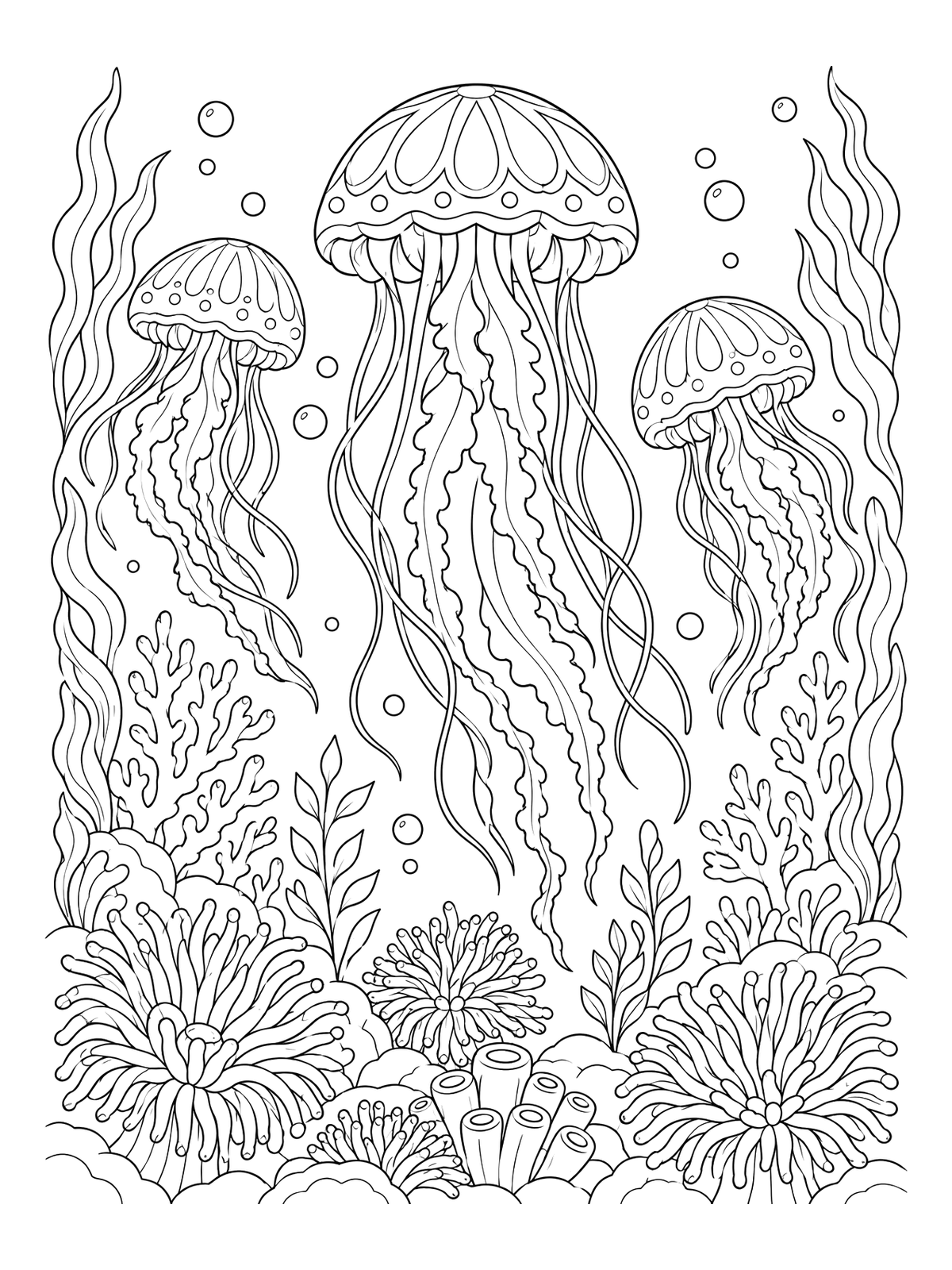
| 1st Grade / Ages 6-7 | Bilateral coordination, pattern recognition, and shading control. | Assign multi-step coloring challenges involving symmetrical background patterns and ocean vocabulary labels. |
Structured visual-motor practice accelerates spatial awareness and foundational penmanship readiness in early childhood learners — What Works Clearinghouse (IES)
Step-by-Step Practical Application and Guidelines
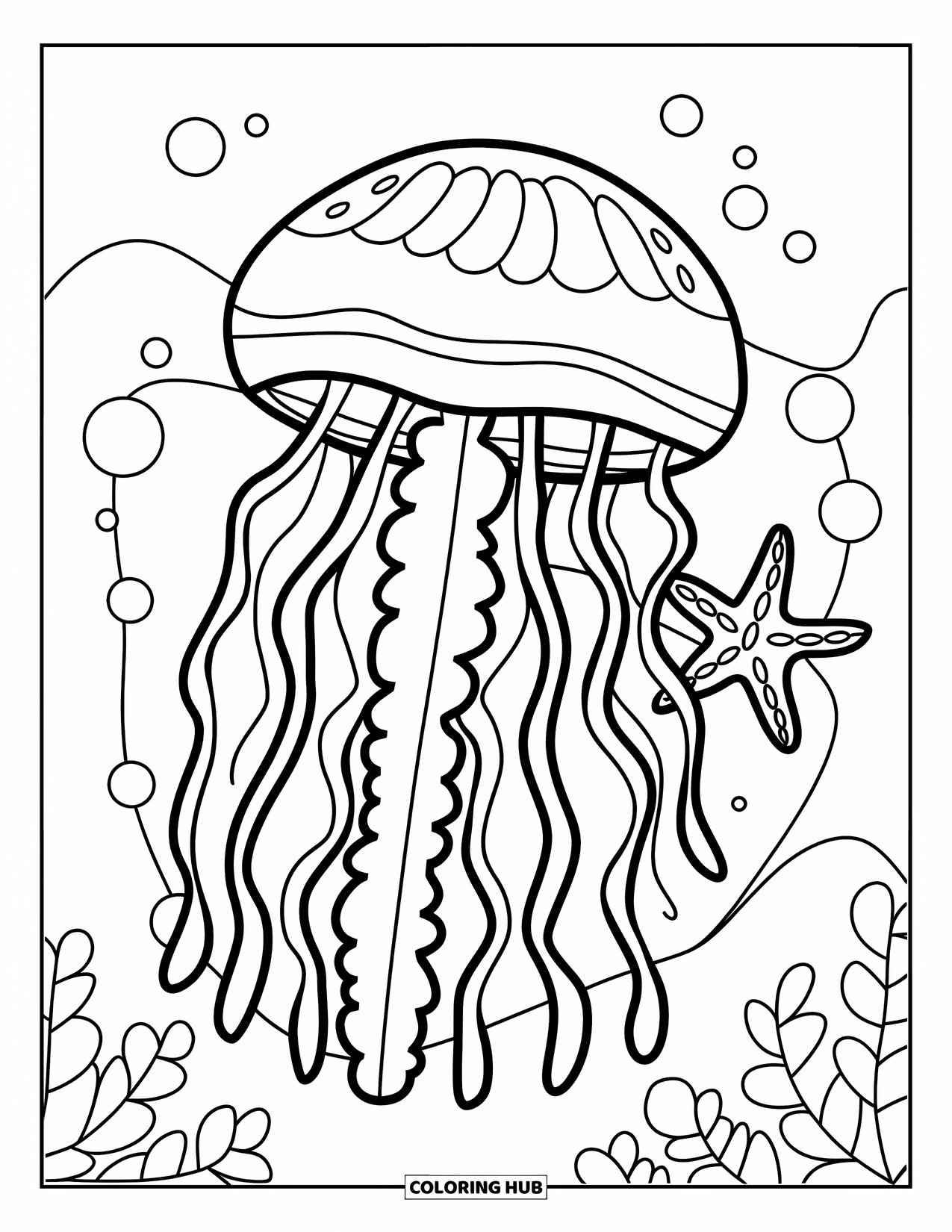
Implementing marine-themed printables successfully involves a three-step instructional routine that moves from exploratory art to structured skill application. First, introduce the anatomy of a sea creature using a clean sample sheet from the expansive Coloring Pages gallery, discussing the bell cap and trailing tentacles while encouraging descriptive vocabulary. Second, guide the learner to establish an appropriate tripod pencil or crayon grasp before initiating the stroke work along the outer margins. Third, transition the activity into cross-curricular exploration by pairing the finished artwork with interactive Learning Activities like counting the tentacles or measuring tentacle lengths with non-standard units.
Common Challenges and How to Avoid Them
Hand fatigue and early frustration represent the most frequent hurdles when young children encounter intricate illustrations with narrow borders. Educators can prevent grip exhaustion by scaling down continuous coloring sessions to five-minute intervals and selecting printables with appropriately spaced, bold boundary lines. Furthermore, encouraging incorrect finger positioning can hinder long-term handwriting development; therefore, instructors should monitor pencil posture closely and provide ergonomic triangular grips whenever necessary to ensure sustained comfort and precision.
💬 Frequently Asked Questions
Explore More Early Learning and Classroom Resources on Knowalla
Discover a comprehensive library of printable educational assets designed to support educators and parents at every step of the early childhood journey. From foundational skill builders to engaging thematic printables, Knowalla provides high-quality resources engineered to foster academic excellence, motor development, and joyful classroom engagement.
Printable Coloring Page Previews