Introduction
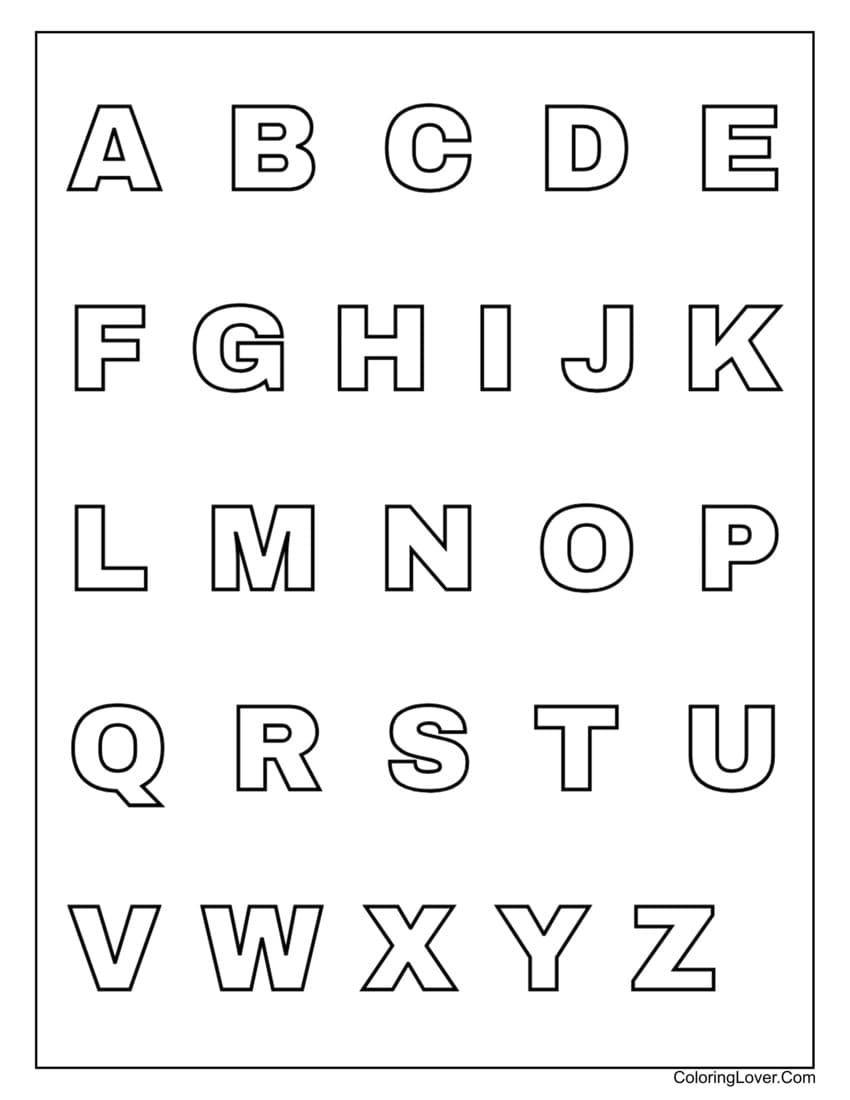
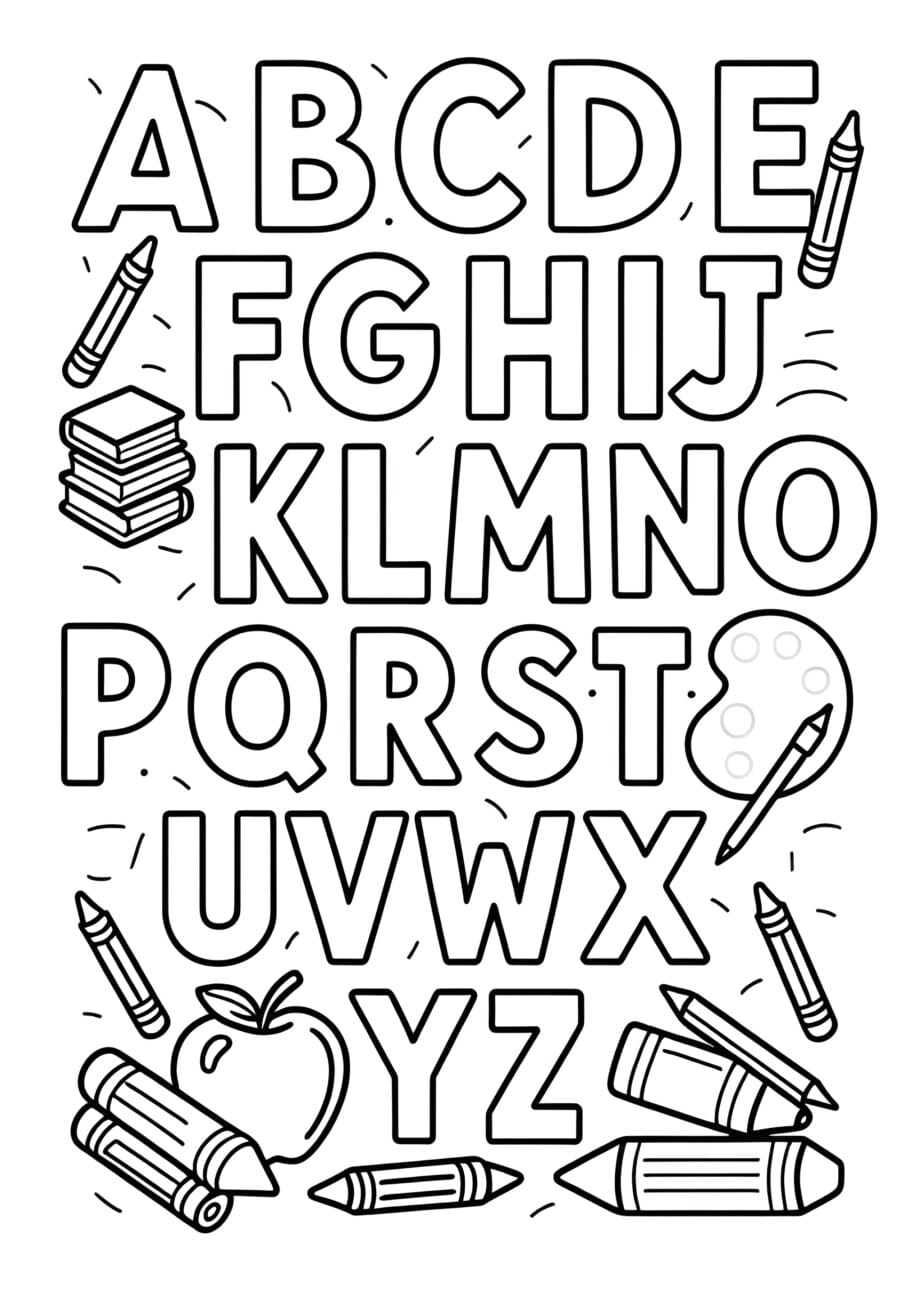
Coloring pages letters serve as foundational instructional tools that bridge visual art with early literacy acquisition by simultaneously reinforcing letter recognition, phonics awareness, and fine-motor precision. According to the National Association for the Education of Young Children (NAEYC), purposeful play and tactile creative activities significantly enhance cognitive development and support early writing readiness in preschool and kindergarten environments. Integrating these multi-sensory printables into daily Learning Activities ensures that early learners build essential muscle memory while connecting graphemes to distinct phonetic sounds without cognitive overload.
Curriculum Practice Snapshot:
- Core Focus: Alphabet mastery and fine-motor stabilization through artistic letter integration.
- Target Scope: Pre-kindergarten through first-grade classrooms and home-school environments.
- Key Recommendation: Combine targeted color fill exercises with explicit letter-sound correspondence instruction.
Core Principles and Detailed Overview
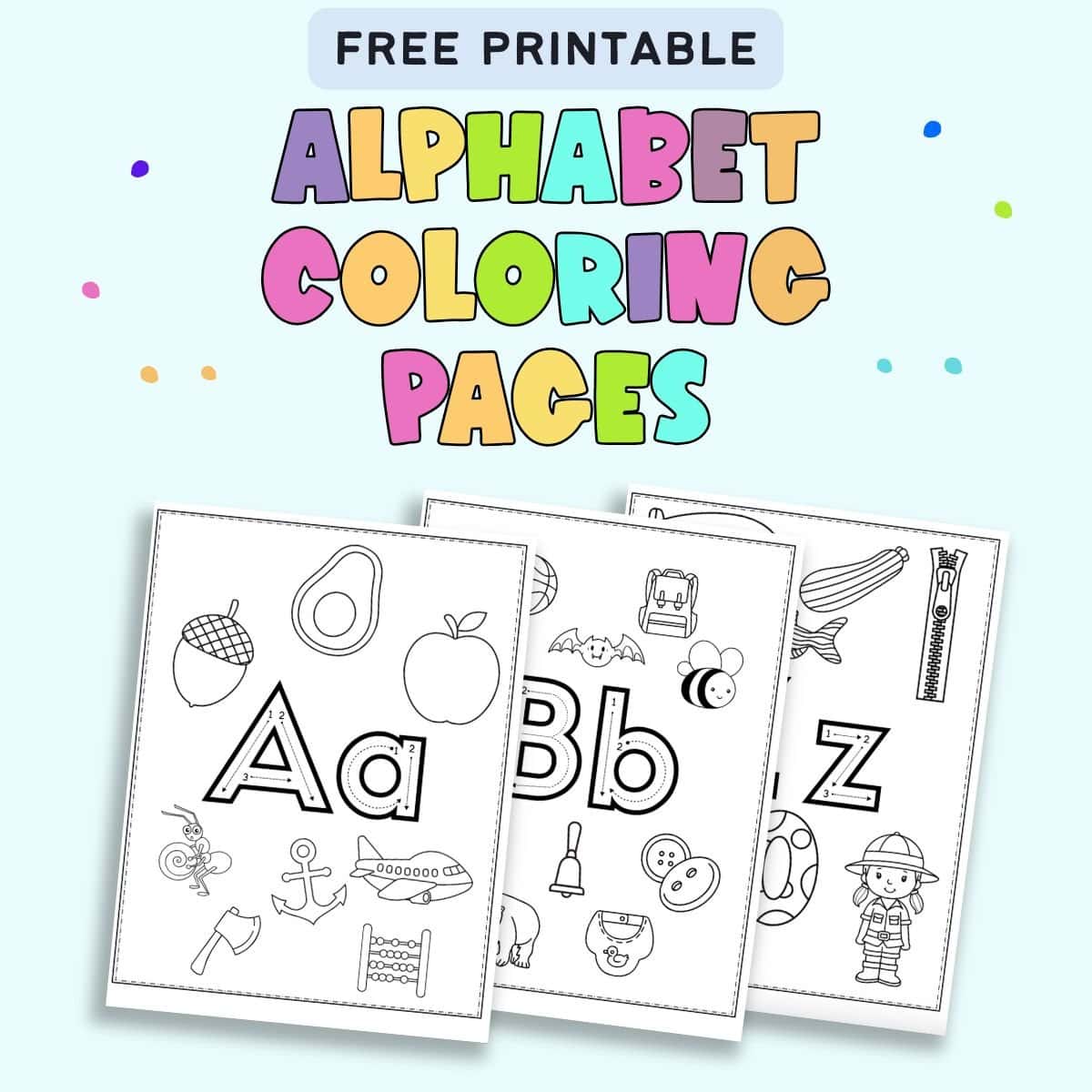
Letter coloring pages facilitate foundational orthographic mapping by encouraging children to trace large boundaries, observe letter formations, and associate characters with representative visual icons. Utilizing these assets within structured Worksheets allows educators to address diverse learning modalities, particularly for visual and kinesthetic learners who grasp symbolic concepts more effectively through physical manipulation and coloring. Furthermore, these resources support pencil grip development, spatial orientation, and visual tracking, which are critical precursors to formal Handwriting & Tracing instruction.
Key Specifications and Breakdown
| Grade / Developmental Stage | Target Learning Skill | Instructional Strategy & Scaffolding |
|---|---|---|
| Pre-K (Ages 3-4) | Gross motor coloring within boundaries and tactile alphabet awareness. | Provide large-format bubbles with bold outlines and accompanying pictorial vocabulary icons. |
| Kindergarten (Ages 5-6) | Phonetic sound matching and directional stroke consistency. | Incorporate initial sound object coloring alongside uppercase and lowercase tracing prompts. |
| Grade 1 (Ages 6-7) | Independent grapheme-phoneme integration and neatness refinement. | Use complex design sheets featuring sentence-level prompts and independent writing boxes. |
Early childhood literacy frameworks emphasize that systematic exposure to alphabet symbols through multi-sensory manipulation strongly correlates with accelerated reading readiness and decoding proficiency. — Institute of Education Sciences (IES). Related guide: Coloring Pages Elephant.
Step-by-Step Practical Application and Guidelines
Effective implementation of alphabetical coloring sheets requires a structured three-step instructional sequence designed to maximize cognitive retention and motor skill development. First, introduce the targeted letter by explicitly naming the character and demonstrating its correct formation on a shared board before distributing Coloring Pages. Second, guide learners to color associated vocabulary objects within the sheet while verbalizing the beginning phonetic sound to reinforce auditory-visual connections. Finally, transition students from open coloring to guided tracing within the letter boundaries to solidify pencil control and proper stroke sequencing.
Common Challenges and How to Avoid Them
Over-reliance on passive coloring without verbal reinforcement often leads to missed phonics connections and superficial task completion. Educators can prevent this disconnect by actively prompting learners to name the letter and state its primary sound every time a new color is selected. Additionally, addressing improper grip habits early through thick primary crayons or short coloring tools prevents hand fatigue and ensures that fine-motor muscle groups develop symmetrically.
💬 Frequently Asked Questions
Explore More Early Learning and Classroom Resources on Knowalla
Maximizing early childhood educational outcomes requires access to diverse, high-quality instructional materials tailored to developing minds. Educators and families can discover a robust collection of printable assets, seasonal activities, and specialized Teacher Resources designed to support holistic student growth by visiting Knowalla.
Printable Coloring Page Previews