Introduction
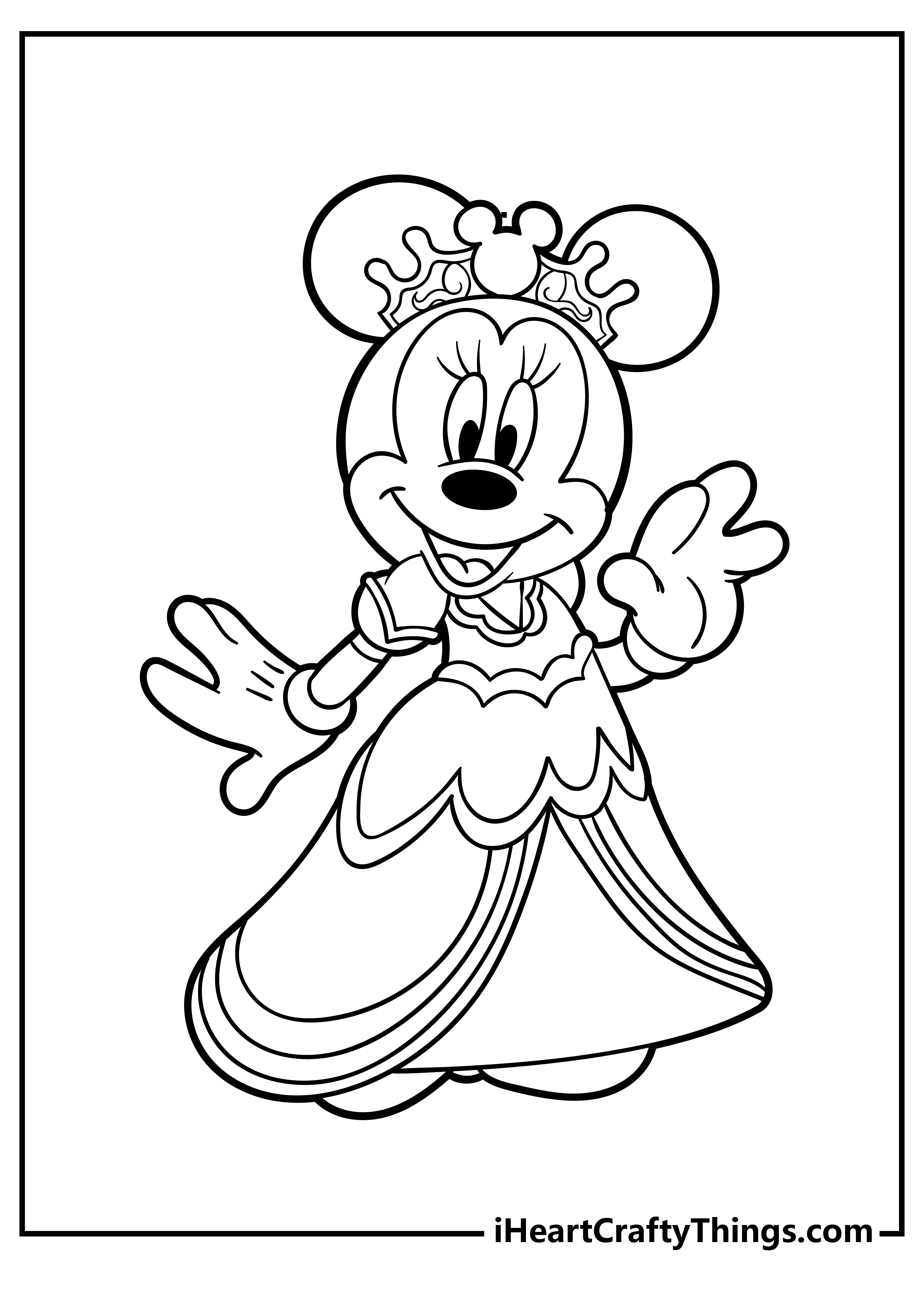
Coloring pages minnie mouse function as high-engagement visual stimuli that strengthen foundational fine-motor control, bilateral coordination, and spatial awareness in early childhood classrooms. According to the National Association for the Education of Young Children (NAEYC), purposeful play and creative arts integration significantly enhance neurological pathways responsible for pre-writing proficiency and hand-eye coordination. Utilizing iconic character art provides familiar, motivating anchors that sustain learner attention during structured academic stations and occupational therapy interventions.
Curriculum Practice Snapshot:
- Core Focus: Fine-motor skill acquisition and pencil grip stabilization through character-themed graphic templates.
- Target Scope: Preschool through first-grade early childhood environments and home education settings.
- Key Recommendation: Pair thick-lined character sheets with varied tactile coloring mediums to maximize sensory-motor feedback.
Core Principles and Detailed Overview
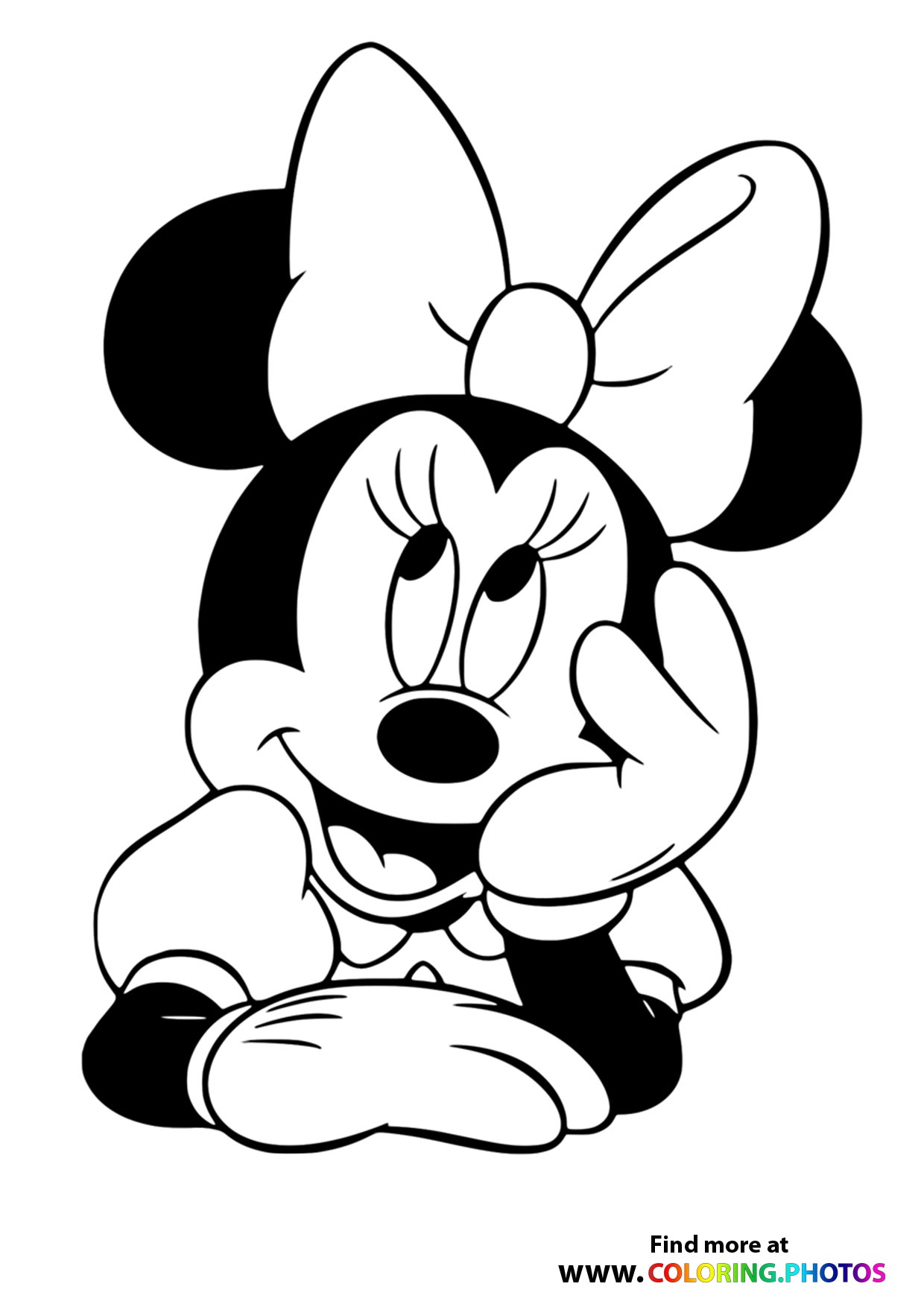
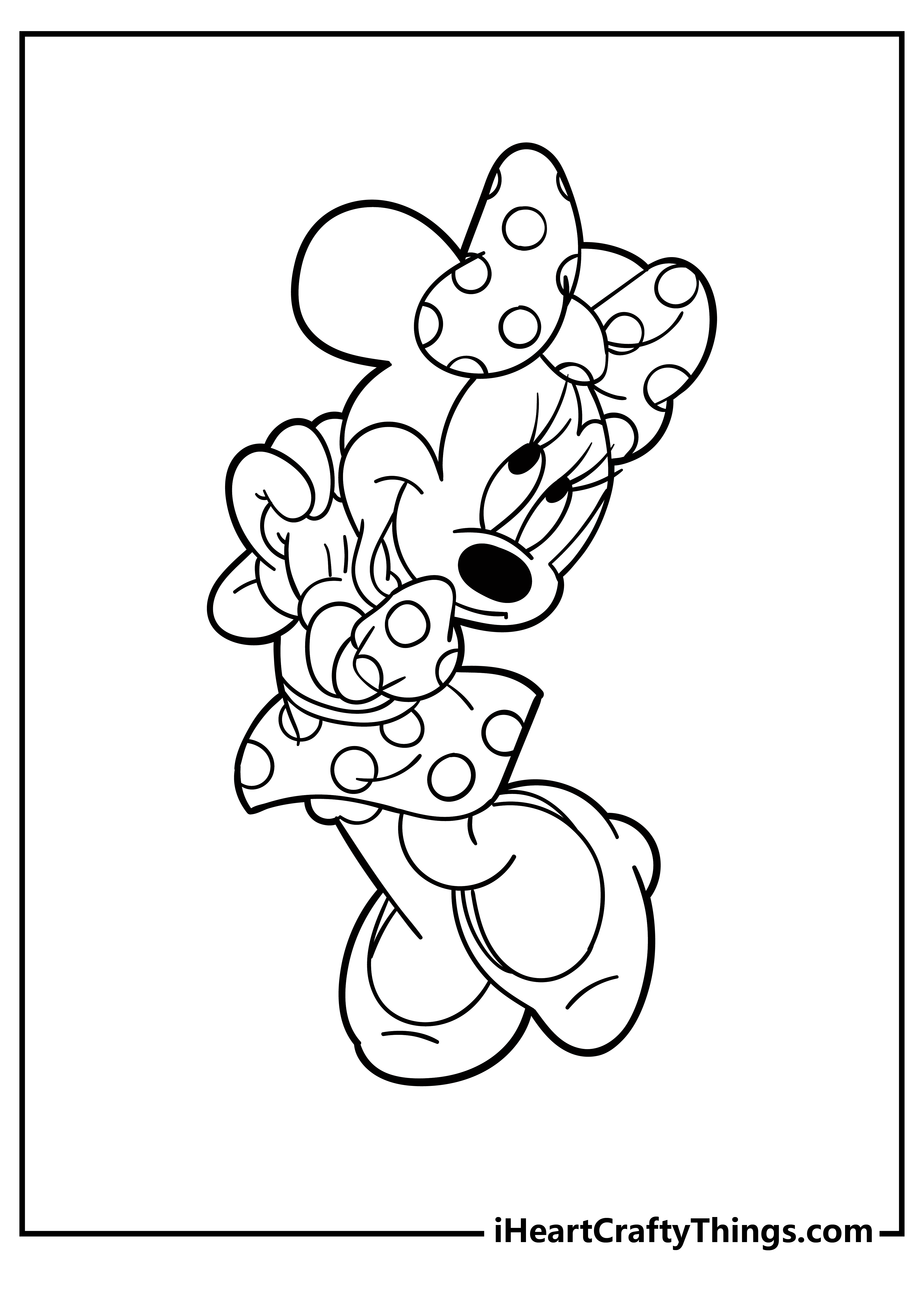
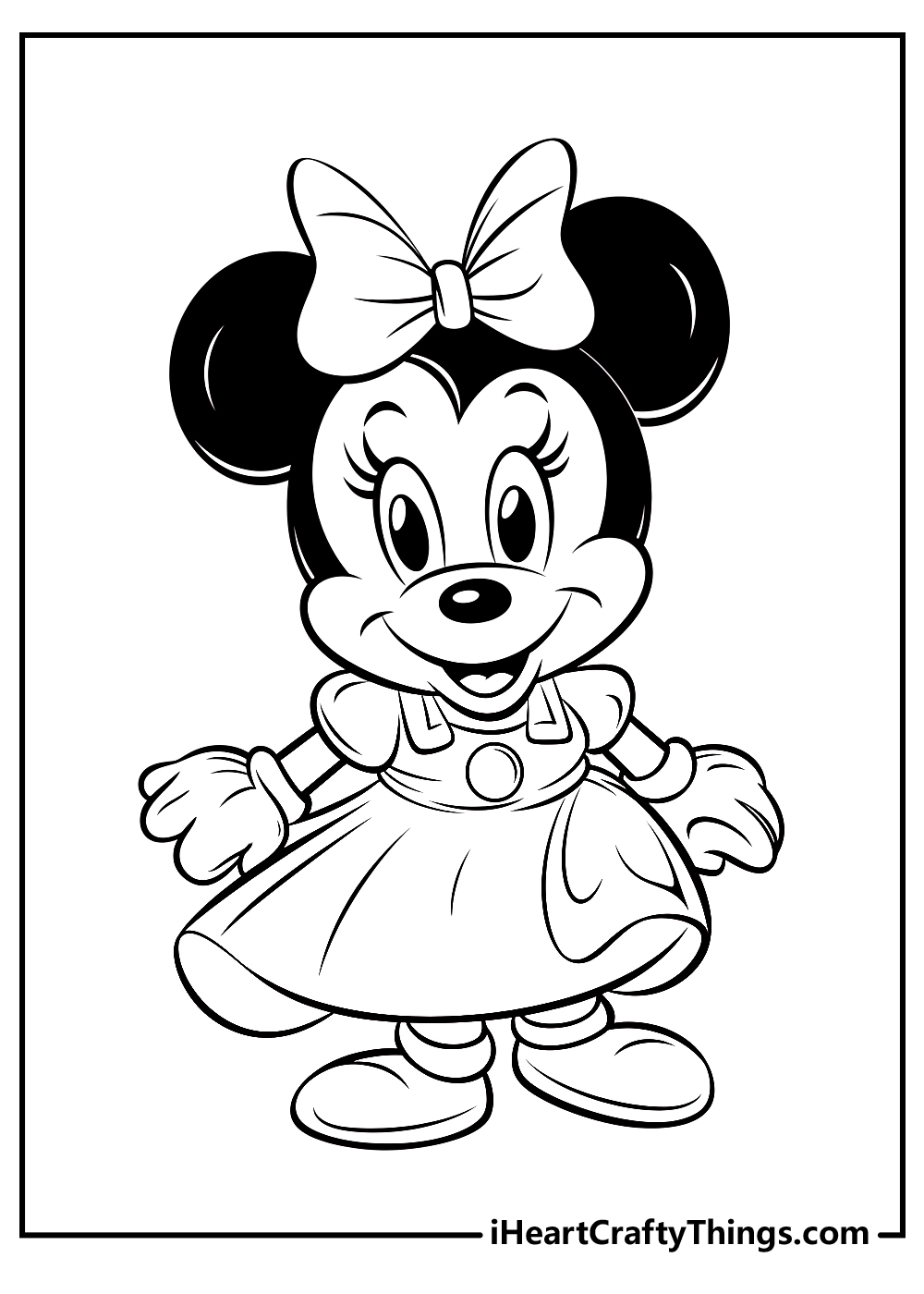
Targeted fine-motor development relies heavily on structured graphical boundaries that encourage intentional hand movements and controlled wrist rotation. Coloring pages minnie mouse offer distinct, bounded geometric and organic shapes—such as characteristic circular ears, polka-dotted bows, and curved outlines—that naturally challenge children to refine their pincer grasp. As learners navigate these familiar contours, they consciously regulate pressure, direction, and spatial limits. Educators frequently integrate these downloadable assets into broader thematic Worksheets units to bridge creative expression with cognitive focus. Furthermore, repetitive hand motions involved in coloring bolster intrinsic hand muscles, preparing young learners for advanced Handwriting & Tracing drills without inducing cognitive fatigue.
Key Specifications and Breakdown
| Grade / Developmental Stage | Target Learning Skill | Instructional Strategy & Scaffolding |
|---|---|---|
| Toddler / Pre-K (Ages 3-4) | Palmar to pincer grasp transition | Utilize ultra-thick boundary lines and chunky crayons to build hand strength. |
| Kindergarten (Ages 5-6) | Spatial boundary control and wrist movement | Implement colored pencils and targeted directional coloring challenges within small polka-dot areas. |
| First Grade (Ages 6-7) | Shading, blending, and bilateral hand synchronization | Combine coloring tasks with multi-step written prompt Learning Activities. |
Structured visual motor activities and creative arts integration promote sustained cognitive engagement and bilateral hand coordination in early childhood development — What Works Clearinghouse (IES)
Step-by-Step Practical Application and Guidelines
Executing a successful motor-skills session using character printables requires intentional material preparation and sequential pacing. First, select templates matching the precise developmental readiness of the group, ensuring outline thicknesses align with current grip capabilities. Second, establish clear tactile expectations by pairing specific coloring tools—such as triangular crayons or short-barreled markers—with the worksheet to naturally enforce correct finger placement. Third, transition the completed creative piece into a literacy or counting prompt, asking learners to count the polka dots on the bow or dictate a short sentence describing the artwork, thereby bridging motor execution with foundational academic Teacher Resources.
Common Challenges and How to Avoid Them
Over-reliance on unstructured coloring without explicit skill objectives can lead to rushed execution and poor pencil grip habits. Educators frequently observe children pressing too firmly or abandoning boundary constraints out of frustration when the visual details prove overly complex. To prevent these hurdles, instructors should scaffold the activity by pre-segmenting larger coloring regions or modeling proper pencil rotation beforehand. Establishing brief, timed intervals for precision coloring also encourages mindfulness and sustainable hand posture over long-term developmental milestones.
💬 Frequently Asked Questions
Explore More Early Learning and Classroom Resources on Knowalla
Enhance instructional planning with professional-grade printables, specialized skill drills, and creative assets designed to support early childhood educators and homeschool parents alike. Discover comprehensive collections across all core developmental subjects by exploring the main Coloring Pages hub or visiting the Knowalla homepage today.
Printable Coloring Page Previews