Introduction
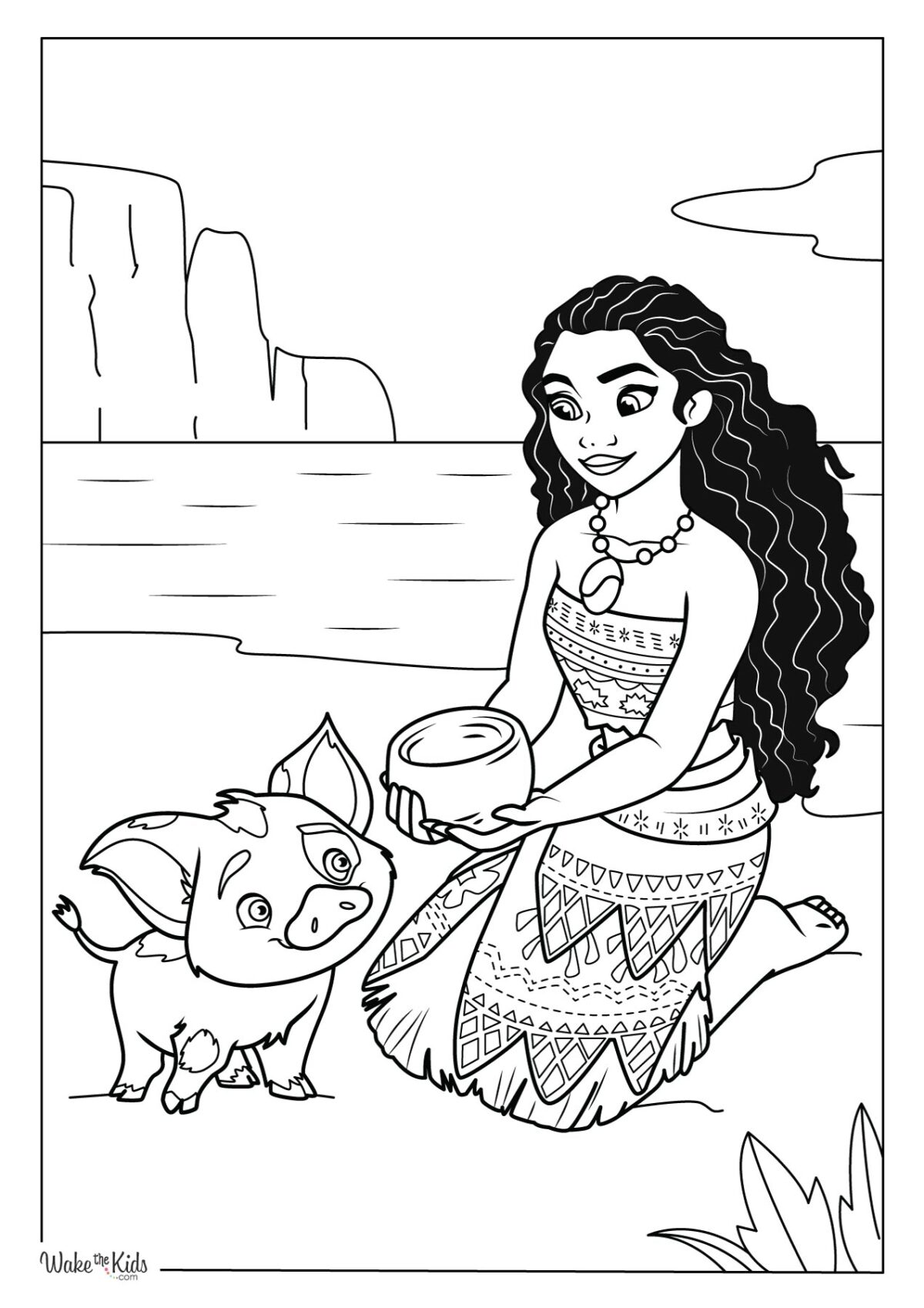
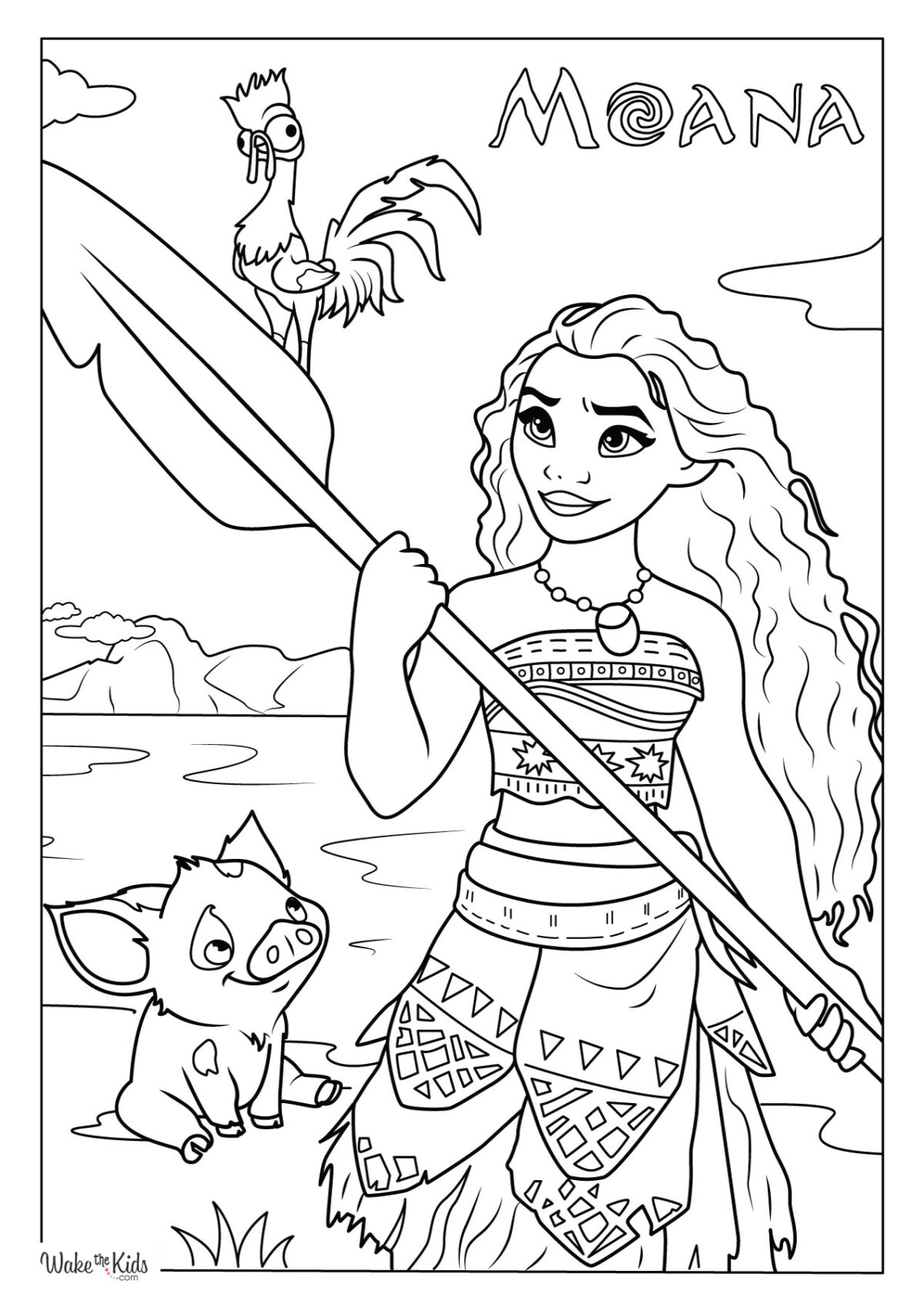
Coloring pages moana function as engaging thematic printables that successfully integrate pop-culture motifs into foundational fine-motor skill development and early childhood literacy. According to the National Association for the Education of Young Children (NAEYC), intentional play-based learning resources that leverage familiar characters significantly boost child engagement, sustained attention, and independent task completion. Early childhood educators and homeschool parents continuously seek structured printables that bridge the gap between creative artistic expression and essential pencil-control mechanics. Accessing verified materials via Coloring Pages ensures young learners develop hand strength while interacting with culturally rich narratives and adventurous storylines.
Curriculum Practice Snapshot:
- Core Focus: Utilizing themed creative printables to build fine-motor coordination and early handwriting stamina.
- Target Scope: Preschool, kindergarten, and lower elementary instructional settings.
- Key Recommendation: Pair graphic printouts with explicit stroke-direction modeling and multi-sensory tracing tools.
Core Principles and Detailed Overview
Fine-motor development serves as the critical mechanical foundation for all future academic success, particularly in formal handwriting and graphicacy. When children manipulate crayons, colored pencils, or safety markers within complex boundary lines, intrinsic hand muscles—specifically the lumbricals and interossei—undergo crucial conditioning. Incorporating thematic imagery featuring Polynesian voyaging motifs transforms repetitive physical therapy motions into an immersive narrative experience. Educators can seamlessly extend these printouts into broader Learning Activities that explore geography, marine ecosystems, and storytelling sequencing, turning a simple worksheet into a multidisciplinary lesson.
Key Specifications and Breakdown
| Grade / Developmental Stage | Target Learning Skill | Instructional Strategy & Scaffolding |
|---|---|---|
| Pre-K (Ages 3-4) | Palmar and digital grasp refinement | Provide jumbo crayons and thick-lined sheets to encourage gross-to-fine motor transitions. |
| Kindergarten (Ages 5-6) | Pincer grasp stabilization and edge control | Utilize standard colored pencils and introduce directional shading challenges within designated spaces. |
| 1st Grade (Ages 6-7) | Bilateral hand coordination and spatial awareness | Combine graphic sheets with Handwriting & Tracing prompts for multi-skill execution. |
Structured early motor skill intervention improves bilateral coordination and spatial awareness during the formative developmental years — National Center for Education Statistics (NCES). Related guide: Coloring Pages Free Printable.
Step-by-Step Practical Application and Guidelines
Effective classroom implementation requires a deliberate three-step pedagogical approach that prioritizes skill mastery over rushed completion. First, educators must assess the mechanical readiness of the learner by verifying proper tripod or pincer grasp before distributing writing instruments. Second, adults should model specific coloring techniques—such as cross-hatching, circular blending, and boundary adherence—directly onto a shared classroom projection or demonstration board. Third, instructors must connect the visual artwork to structured Worksheets that reinforce vocabulary, counting, or phonics linked to the underlying adventurous theme.
Common Challenges and How to Avoid Them
Over-reliance on unstructured artistic templates frequently leads to rushed scribbling, hand fatigue, and a lack of intentional focus among young children. Educators prevent this by establishing clear boundary rules, setting time intervals for focused detail work, and rotating specialized writing tools to maintain muscle engagement without strain. Furthermore, instructors should avoid treating creative printouts as mere time-fillers, instead embedding them into robust Teacher Resources that track individual student progress in grip strength, color theory, and visual-spatial orientation over time.
💬 Frequently Asked Questions
Explore More Early Learning and Classroom Resources on Knowalla
Designing engaging, skill-building educational environments requires access to high-quality, dependable printables and pedagogical guides. Educators and parents can discover an extensive library of free downloads, structural activities, and professional tips by visiting the main hub at Knowalla to elevate daily instructional delivery.
Printable Coloring Page Previews