Introduction
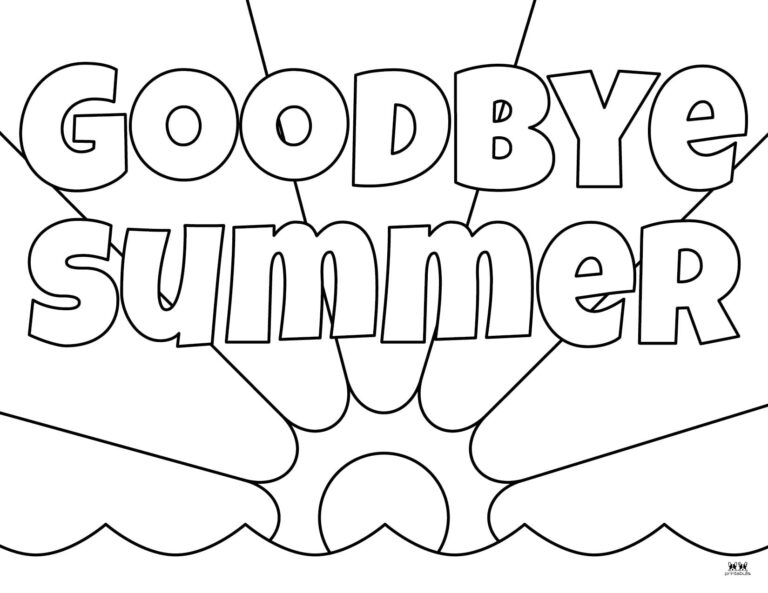
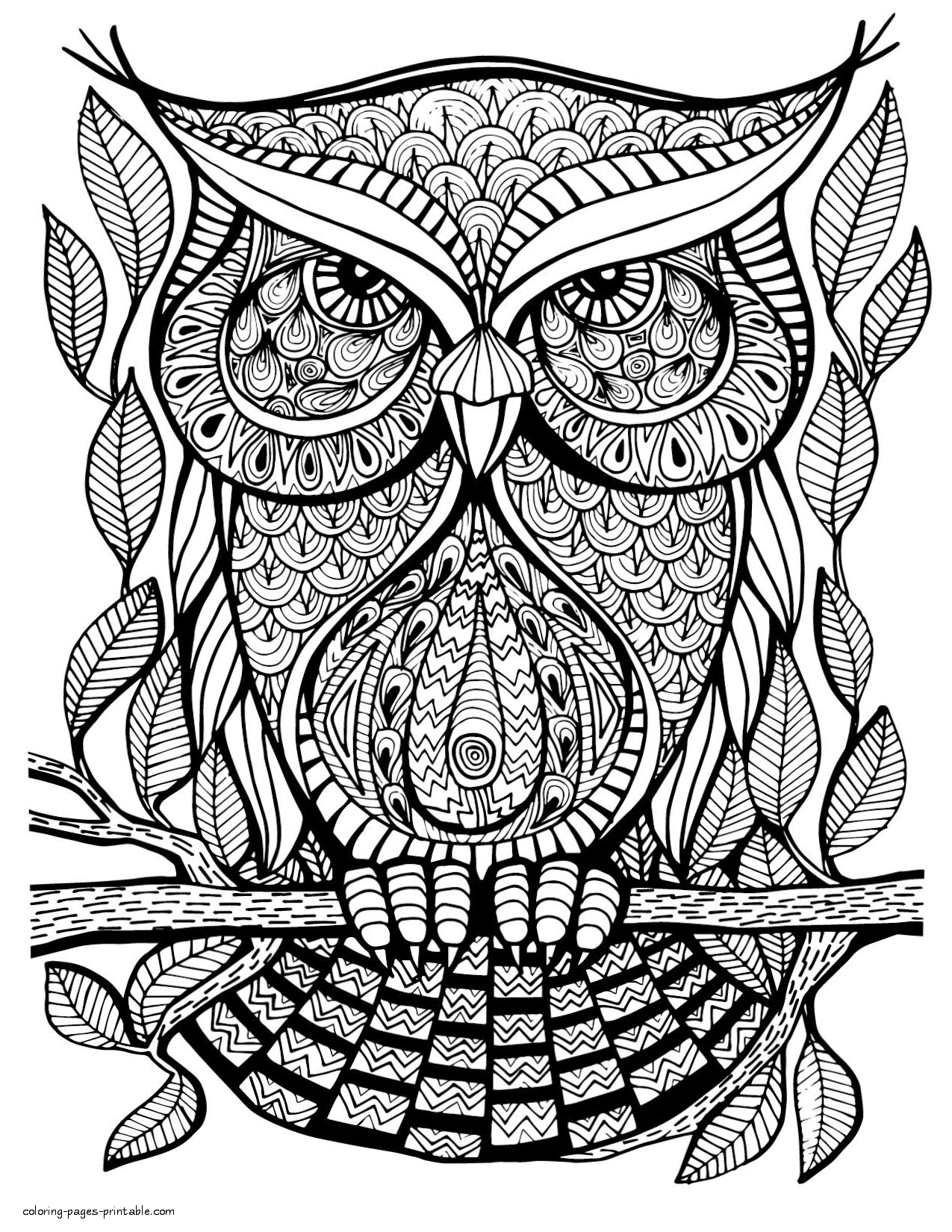
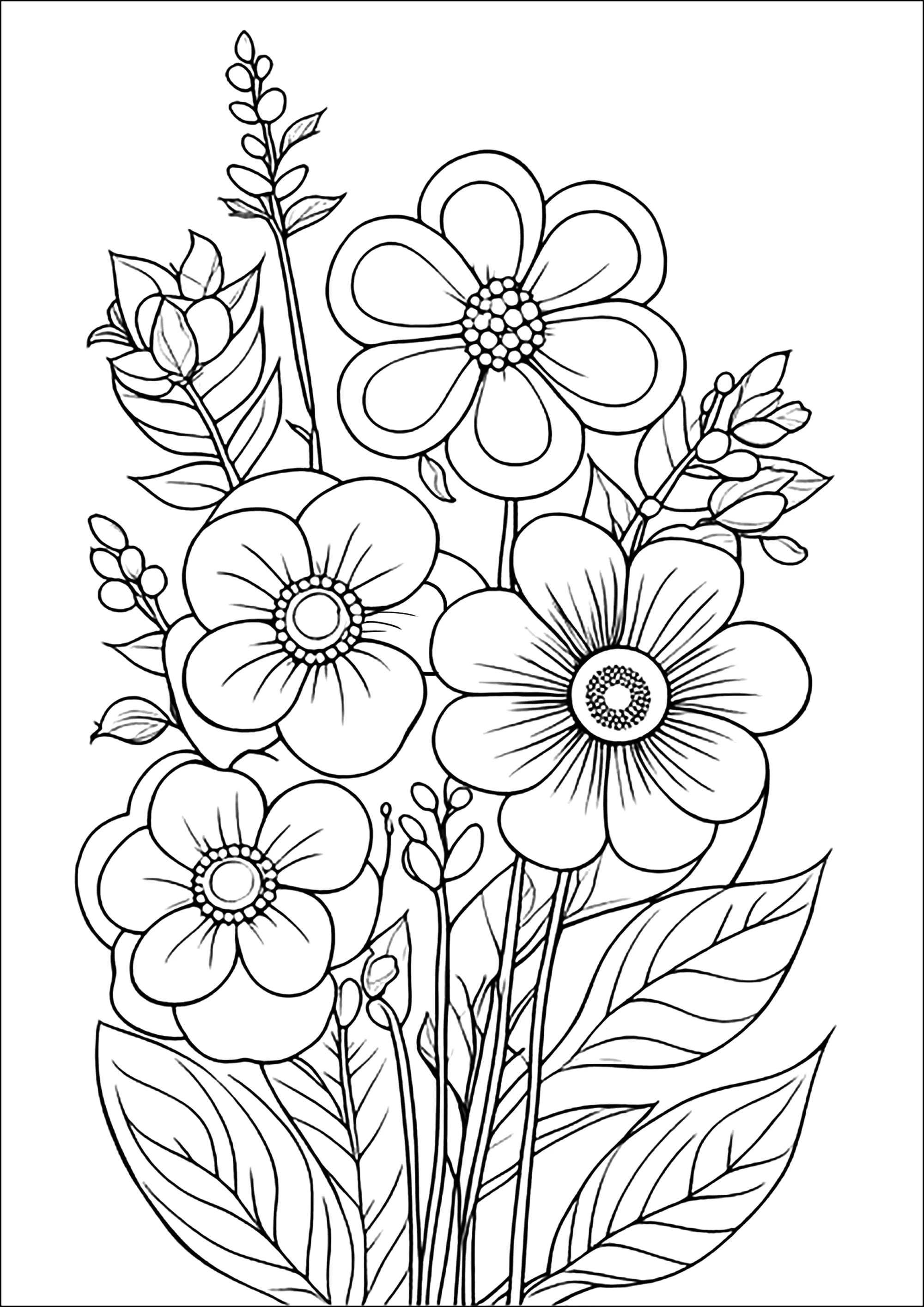
End of summer coloring pages serve as purposeful instructional tools that bridge seasonal transitions while actively supporting early childhood developmental milestones. According to the National Association for the Education of Young Children (NAEYC), intentional play-based and art-integrated tasks reinforce foundational motor control necessary for subsequent academic success. Utilizing structured seasonal Coloring Pages offers educators and homeschool environments a seamless method to re-establish classroom routines, assess baseline fine-motor dexterity, and ease cognitive transition anxiety as children pivot from unstructured summer schedules back to formal instructional frameworks. Educators frequently integrate these printable assets alongside Handwriting & Tracing sheets to maximize pencil grasp efficiency and spatial awareness before rigorous writing curricula begin.
Curriculum Practice Snapshot:
- Core Focus: Seasonal coloring sheets designed to refine fine-motor control and ease academic transitions.
- Target Scope: Early childhood education classrooms, preschools, kindergartens, and homeschool environments.
- Key Recommendation: Pair thematic coloring exercises with targeted tracing drills to build sustained muscle memory.
Core Principles and Detailed Overview
Targeted transitional coloring printables provide structured practice that directly strengthens intrinsic hand muscles, improves bilateral coordination, and fosters visual-spatial planning. By intentionally selecting graphics featuring autumn precursors, classroom supplies, or seasonal nature elements, instructors prime students for upcoming thematic units while evaluating independent focus durations. Furthermore, incorporating diverse Worksheets that blend coloring with counting, letter recognition, or pattern identification transforms a simple art activity into a multi-sensory cognitive challenge. Early childhood specialists utilize these printables to gauge grip stability, line adherence, and color discrimination without imposing the high-stress evaluation metrics often associated with formal testing environments.
Key Specifications and Breakdown
| Grade / Developmental Stage | Target Learning Skill | Instructional Strategy & Scaffolding |
|---|---|---|
| Pre-K (Ages 3-4) | Palmar and pincer grasp stabilization | Use thick, bold outlines with minimal internal detail to encourage controlled strokes. |
| Kindergarten (Ages 5-6) | Bilateral hand coordination and boundary control | Incorporate directional arrows and guided hatching patterns to teach pressure modulation. |
| First Grade (Ages 6-7) | Complex spatial awareness and stamina | Combine coloring with cross-curricular writing prompts available in Teacher Resources. |
| Mixed-Age Homeschool | Independent focus and creative expression | Implement open-ended thematic designs that support differentiated skill execution. |
Early childhood fine-motor interventions directly correlate with enhanced letter formation and foundational writing readiness scores. — National Center for Education Statistics (NCES)
Step-by-Step Practical Application and Guidelines
Implementing seasonal coloring activities requires deliberate preparation, strategic material selection, and structured debriefing sessions to maximize learning outcomes. First, educators select printables that align with the specific developmental level of the cohort, ensuring line weights match current hand-eye coordination capacities. Second, instructors distribute appropriate writing implements—such as triangular crayons for toddlers or primary pencils for kindergarteners—to encourage proper ergonomic grips while completing the pages. Third, facilitators guide learners through mindful coloring techniques, emphasizing edge control and intentional shading before transitioning students toward independent Learning Activities that require higher-level cognitive endurance.
Common Challenges and How to Avoid Them
Rushing through art tasks to finish quickly and experiencing hand fatigue due to improper pencil grips represent the primary challenges educators face during seasonal coloring sessions. When children rush, fine-motor skill acquisition diminishes significantly, resulting in careless scribbling rather than controlled stroke execution. To counteract this, instructors must explicitly teach slow, methodical coloring techniques and establish clear expectations regarding boundary adherence. Providing ergonomic grips and breaking longer art sessions into manageable ten-minute intervals effectively prevents physical exhaustion, ensuring students maintain positive attitudes toward structured printable tasks.
💬 Frequently Asked Questions
Explore More Early Learning and Classroom Resources on Knowalla
Discover a comprehensive library of printable tools designed to support educators and parents by visiting the Knowalla homepage. Access structured curricula, high-value worksheets, and developmental guides tailored for early childhood success.
Printable Coloring Page Previews