Introduction
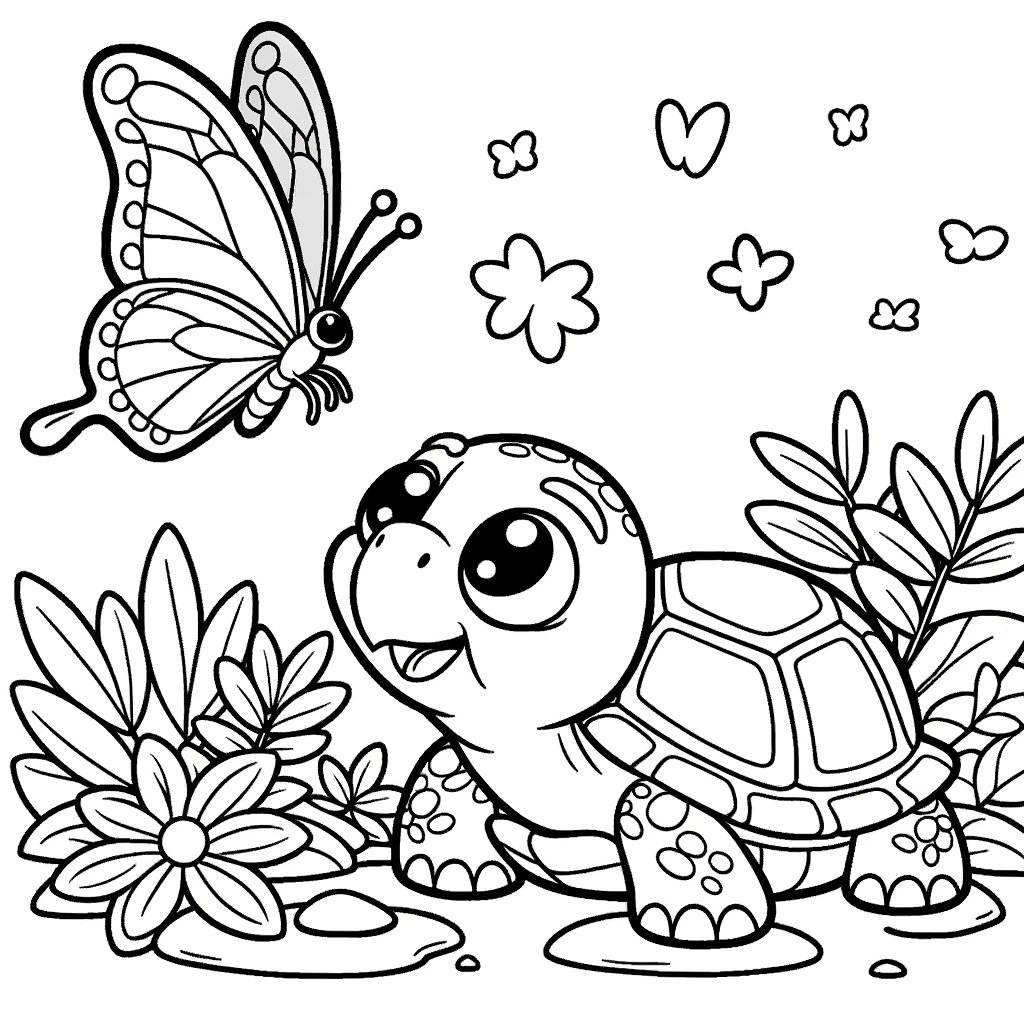
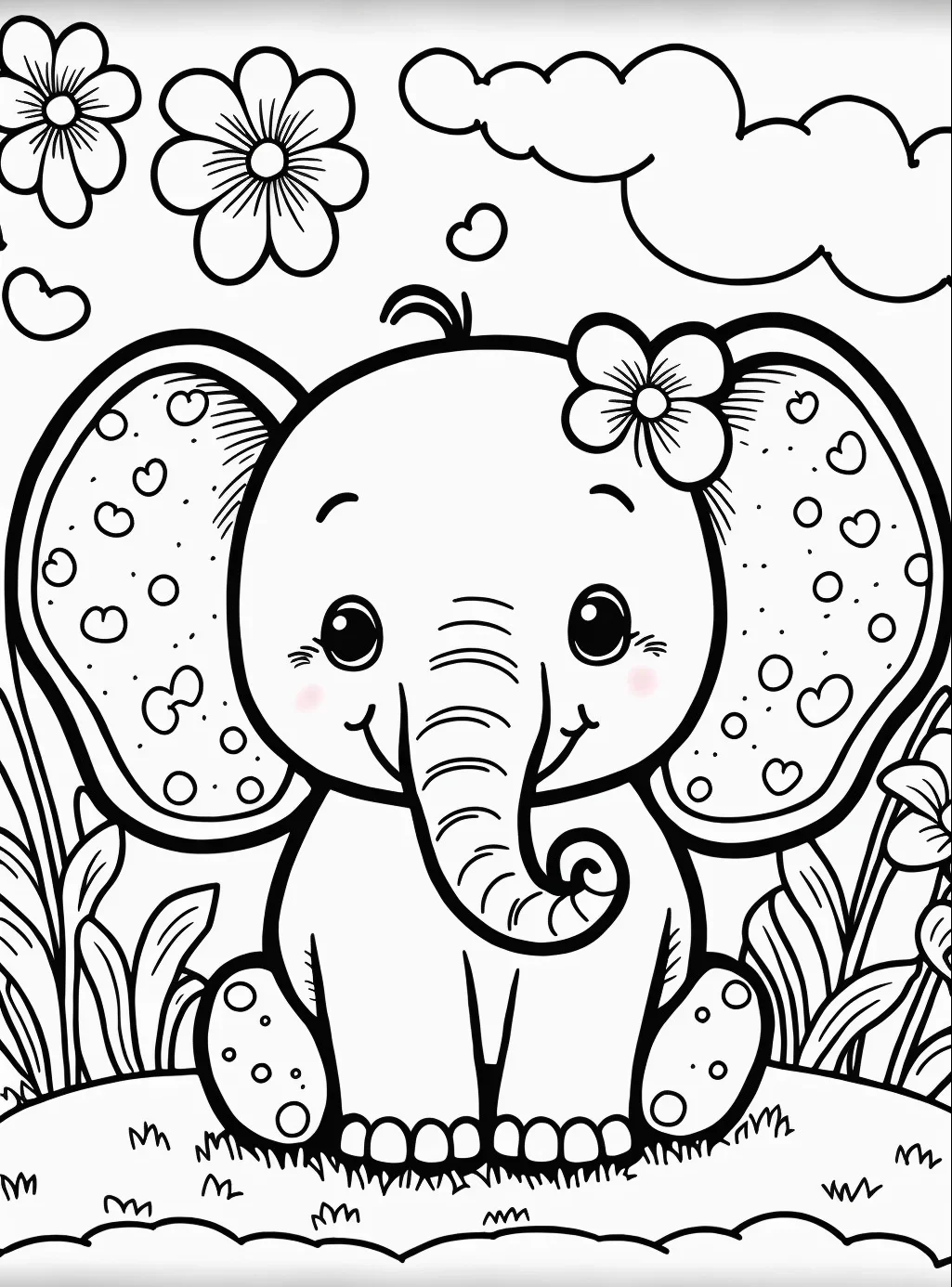
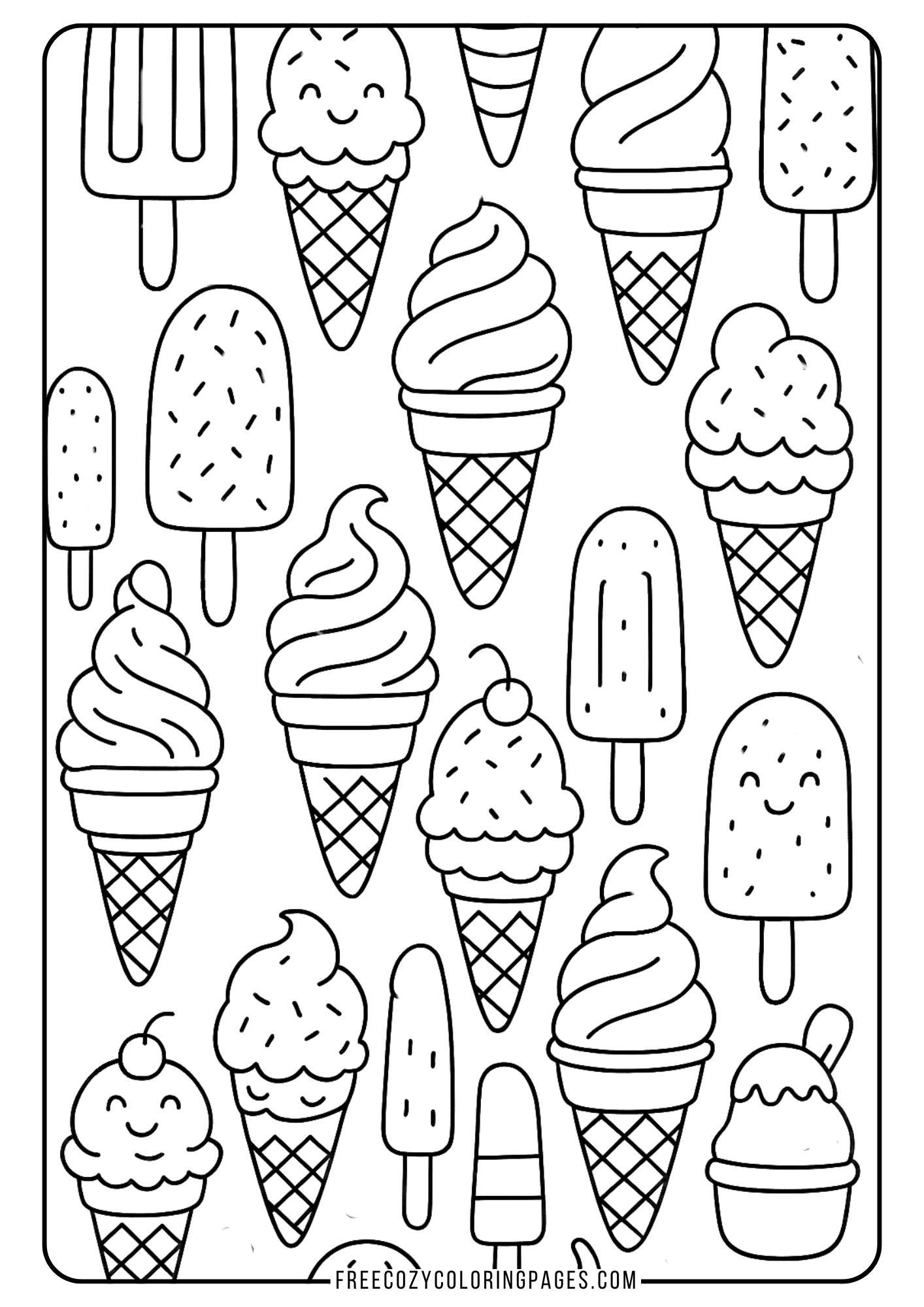
Coloring pages free printables function as foundational educational tools that strengthen early childhood development by combining fine-motor practice with cognitive engagement. According to the National Association for the Education of Young Children (NAEYC), intentional manipulation of writing utensils and crayons during structured coloring activities builds the precise hand muscles required for subsequent handwriting proficiency and spatial awareness. Educators and homeschool parents frequently utilize these no-cost instructional assets to bridge the gap between playful creativity and formal classroom readiness. Exploring collections such as Coloring Pages allows instructors to quickly source targeted media suited for diverse developmental needs.
Curriculum Practice Snapshot:
- Core Focus: Enhancing fine-motor control, grip strength, and cognitive focus through structured printable graphics.
- Target Scope: Early childhood education, preschool, kindergarten, and primary homeschool environments.
- Key Recommendation: Integrate theme-based coloring sheets alongside structured Handwriting & Tracing sheets to reinforce wrist stabilization.
Core Principles and Detailed Overview
Targeted fine-motor development relies heavily on the deliberate integration of printable sheets that require controlled hand movements and bilateral coordination. Selecting appropriate printables involves evaluating line thickness, shape complexity, and conceptual alignment with broader Learning Activities occurring in the classroom. Thick outlines provide crucial boundaries that help young learners develop visual-motor integration, while intricate patterns challenge older children to refine pencil grips and maintain sustained attention. Furthermore, utilizing high-quality Worksheets ensures that learners encounter consistent standards of visual clarity, supporting optimal cognitive processing during independent practice sessions.
Key Specifications and Breakdown
| Grade / Developmental Stage | Target Learning Skill | Instructional Strategy & Scaffolding |
|---|---|---|
| Pre-K (Ages 3-4) | Palmar and pincer grip stabilization | Utilize thick, bold outlines with large coloring regions to prevent early hand fatigue. |
| Kindergarten (Ages 5-6) | Spatial boundary awareness and control | Incorporate directional arrows and color-coding keys to build multi-step task execution. |
| 1st Grade (Ages 6-7) | Complex pattern shading and stamina | Pair intricate thematic illustrations with descriptive vocabulary writing prompts. |
Early fine-motor interventions significantly improve subsequent handwriting speed and orthographic processing capabilities among primary school students — National Center for Education Statistics (NCES)
Step-by-Step Practical Application and Guidelines
Implementing printable exercises effectively requires a systematic three-phase pedagogical approach that maximizes both engagement and skill acquisition. Phase one involves selecting printables that directly match the current thematic curriculum or motor-skill milestone. Phase two requires demonstrating proper tripod grip and wrist posture before allowing independent exploration, ensuring students internalize optimal biomechanics. Phase three concludes the activity with collaborative peer reflection, where children describe their color choices to build oral language skills and reinforce conceptual understanding.
Common Challenges and How to Avoid Them
Preventing hand fatigue and frustration during creative printable sessions requires careful monitoring of tool selection and task duration. Children frequently press down too hard with writing utensils, leading to cramped fingers and early abandonment of the task; educators can resolve this by substituting standard wax crayons with triangular grip options that naturally encourage relaxed hand posture. Additionally, instructors should avoid overwhelming learners with excessively intricate graphics, opting instead for progressive complexity levels found within professional Teacher Resources to maintain high motivation and self-efficacy.
💬 Frequently Asked Questions
Explore More Early Learning and Classroom Resources on Knowalla
Discovering high-quality educational printables transforms everyday instruction into an engaging experience for young learners. Educators and parents can visit Knowalla to access a comprehensive library of curriculum-aligned materials designed to support foundational skill development across all early childhood subjects.
Printable Coloring Page Previews