Introduction
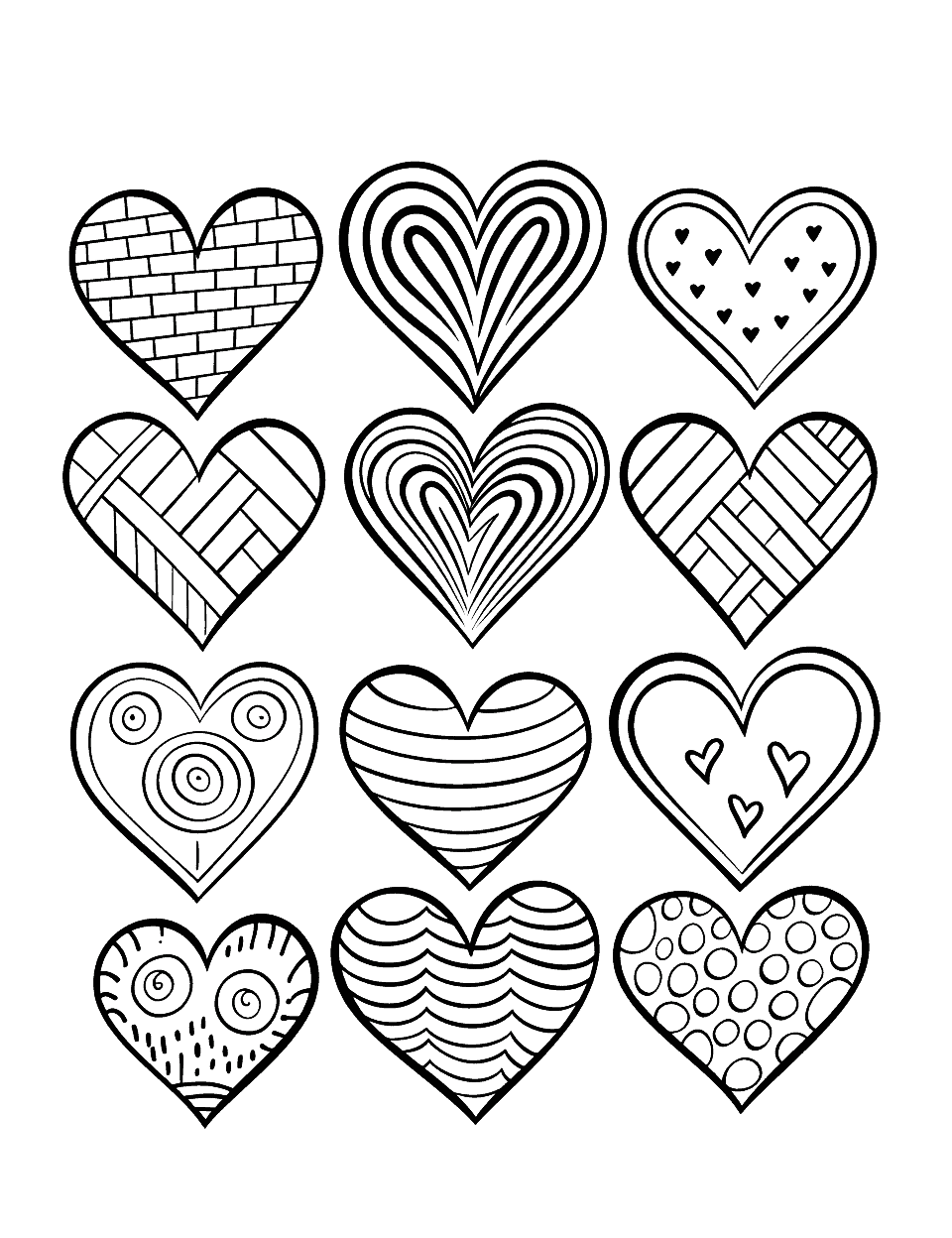
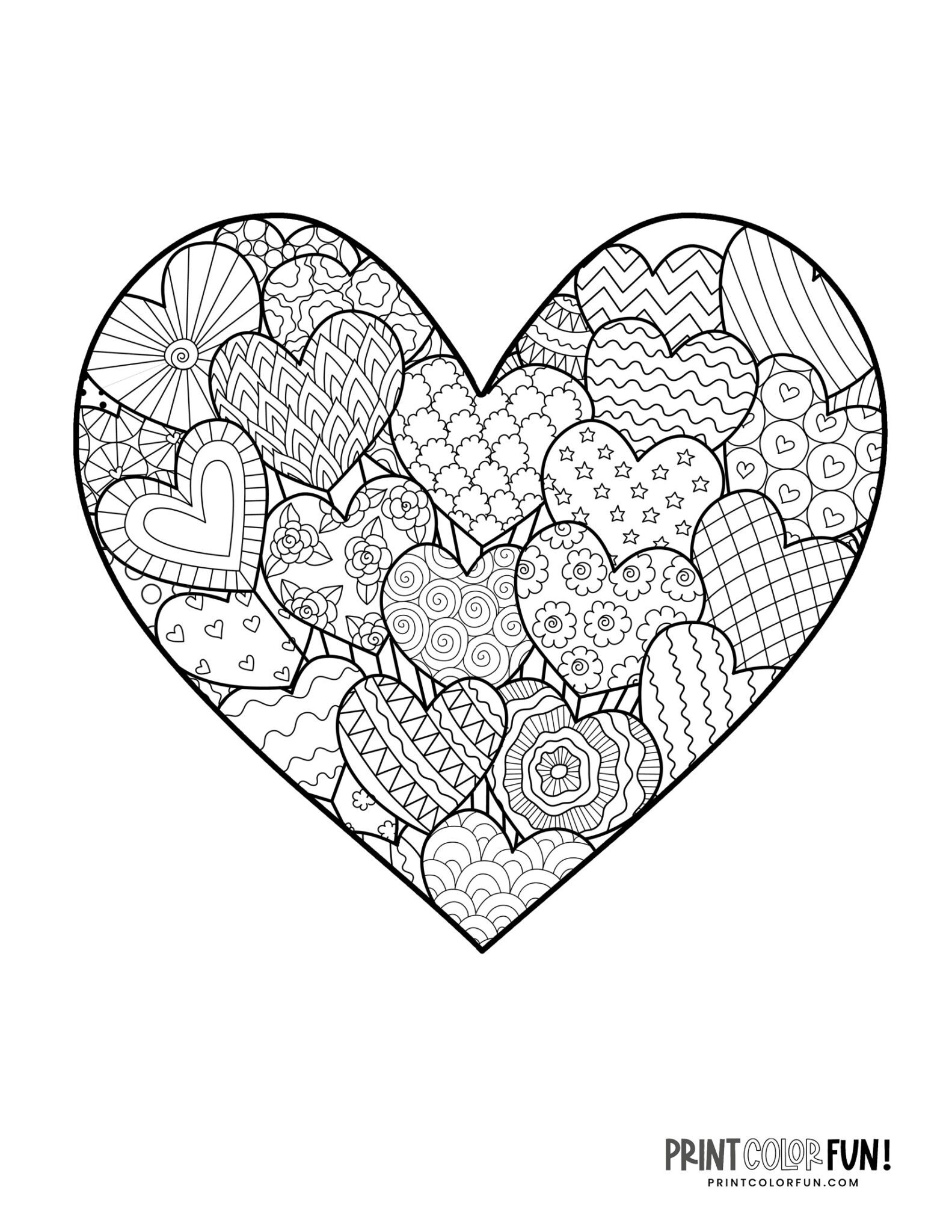
Coloring pages hearts function as structured, geometry-based fine-motor templates designed to enhance pencil grip, bilateral coordination, and spatial awareness in early childhood education. According to the National Association for the Education of Young Children (NAEYC), intentional manipulation of writing utensils and creative media during early developmental stages establishes the foundational neural pathways required for advanced academic handwriting. Utilizing targeted artistic templates bridges the gap between unstructured play and focused pre-writing skill acquisition, making these printables an essential addition to any comprehensive early learning curriculum. Educators seeking diverse thematic designs often integrate these materials alongside broader Coloring Pages collections to maintain high engagement levels during morning work or centers.
Curriculum Practice Snapshot:
- Core Focus: Fine-motor precision and spatial boundary control using geometric heart outlines.
- Target Scope: Preschool, kindergarten, and lower elementary intervention settings.
- Key Recommendation: Pair large geometric shapes with targeted Handwriting & Tracing sheets to reinforce wrist stabilization.
Core Principles and Detailed Overview
Geometric heart coloring sheets serve as an intentional pedagogical tool for developing intrinsic hand muscles, visual-motor integration, and sustained focus among young learners. Direct answer: These specialized templates isolate specific wrist and finger movements, requiring children to modulate pressure, maintain directional control, and respect boundary lines. By altering line thickness and interior shape complexity, instructional designers tailor these printables to match evolving developmental milestones. When integrated alongside standard Worksheets, symmetrical shapes encourage left-to-right visual tracking and reinforce foundational geometry concepts through tactile exploration.
Key Specifications and Breakdown
| Grade / Developmental Stage | Target Learning Skill | Instructional Strategy & Scaffolding |
|---|---|---|
| Pre-K (Ages 3-4) | Gross motor boundary control & palmar grasp stabilization | Utilize ultra-thick borders with massive interior fill spaces to prevent visual frustration. |
| Kindergarten (Ages 5-6) | Pincer grip refinement & directional stroke variation | Incorporate patterned or segmented hearts requiring multi-color precision and controlled pressure. |
| 1st Grade (Ages 6-7) | Symmetry analysis & intricate spatial endurance | Combine coloring tasks with symmetry drawing lines and descriptive writing prompts. |
Structured fine-motor interventions directly correlate with enhanced letter formation proficiency in primary grade assessments — National Center for Education Statistics (NCES)
Step-by-Step Practical Application and Guidelines
Implementing heart-themed artistic sheets effectively requires a structured three-step pedagogical approach that balances creative expression with direct skill reinforcement. Direct answer: Educators introduce the resource by demonstrating proper tripod grasp mechanics, transition into guided boundary-coloring exercises, and conclude with reflective peer sharing to build oral language skills. Teachers frequently source these materials from curated Teacher Resources to complement seasonal curriculum units, social-emotional learning lessons, or math symmetry modules. Establishing clear expectations regarding edge-to-edge coloring and color consistency transforms a simple pastime into a rigorous fine-motor assessment.
Common Challenges and How to Avoid Them
Premature hand fatigue and boundary frustration represent the most frequent obstacles encountered when children attempt complex visual art printables. Direct answer: Preventing physical strain involves scaling down duration limits, providing triangular ergonomic crayons, and selecting appropriately sized shapes that match current muscular development. Educators must also avoid over-correcting grip style during early practice sessions, prioritizing sustained engagement and positive reinforcement over rigid physical perfection. Consistent integration of diverse Learning Activities ensures that artistic practice remains a dynamic, low-stress component of daily classroom routines.
💬 Frequently Asked Questions
Explore More Early Learning and Classroom Resources on Knowalla
Discovering high-value educational printables, structured developmental exercises, and comprehensive classroom tools empowers educators and parents to build robust curricula. Exploring the main portal at Knowalla grants immediate access to an extensive library designed to support early childhood success across all foundational subjects.
Printable Coloring Page Previews