Introduction
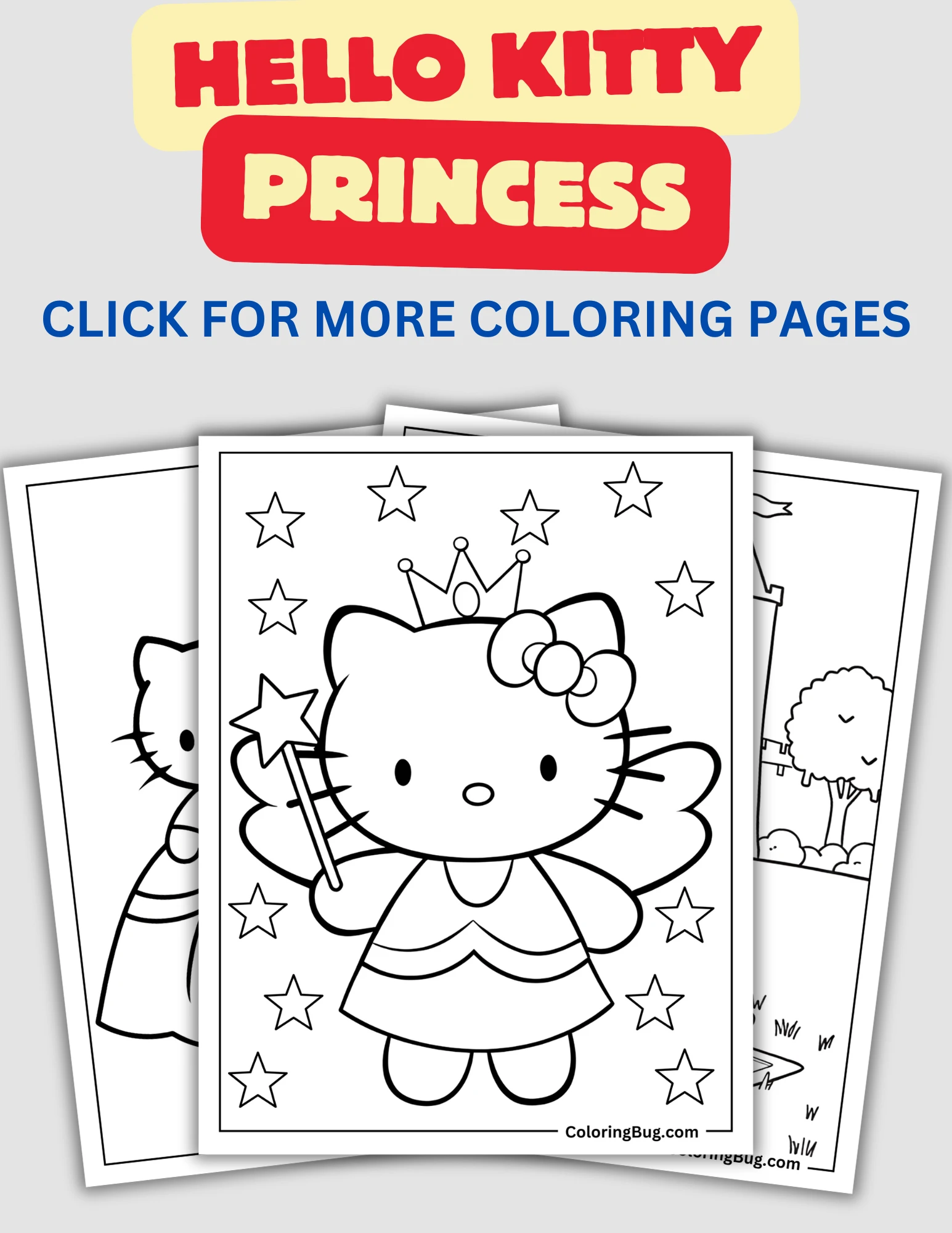
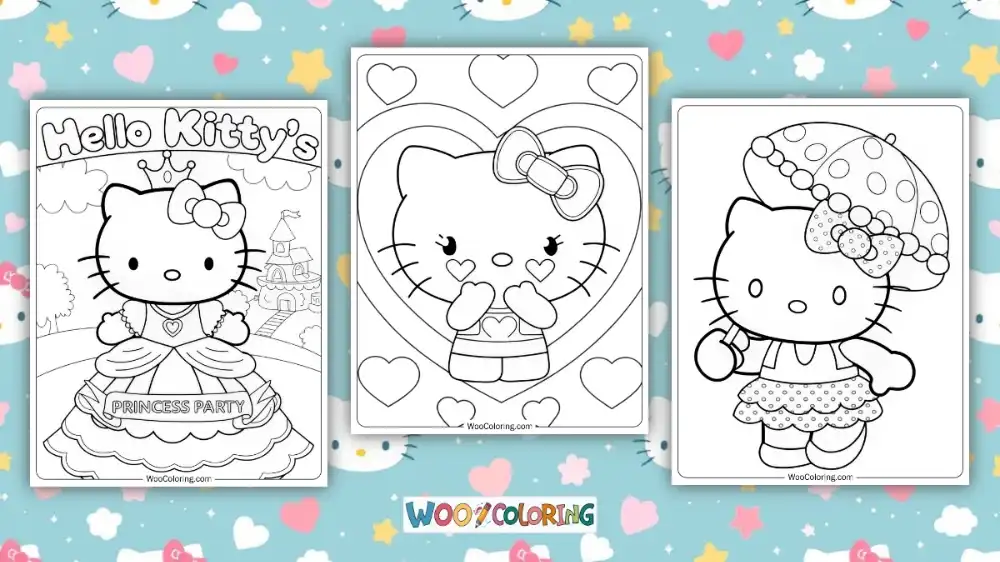
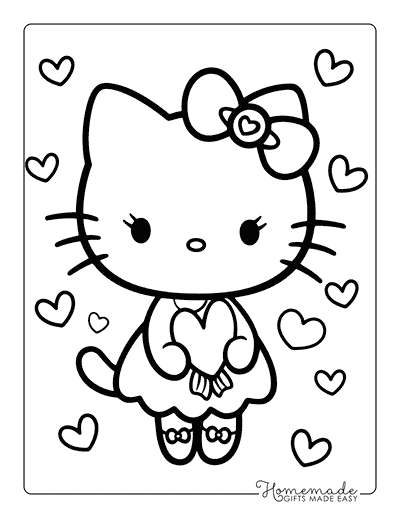
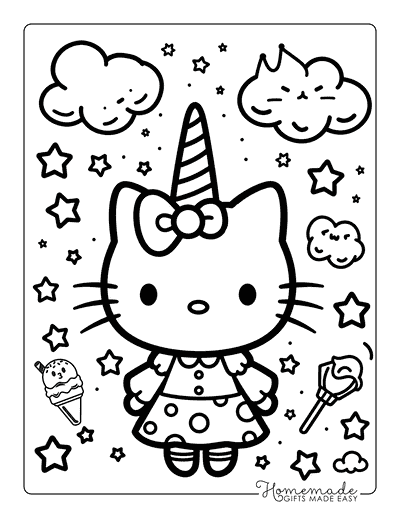
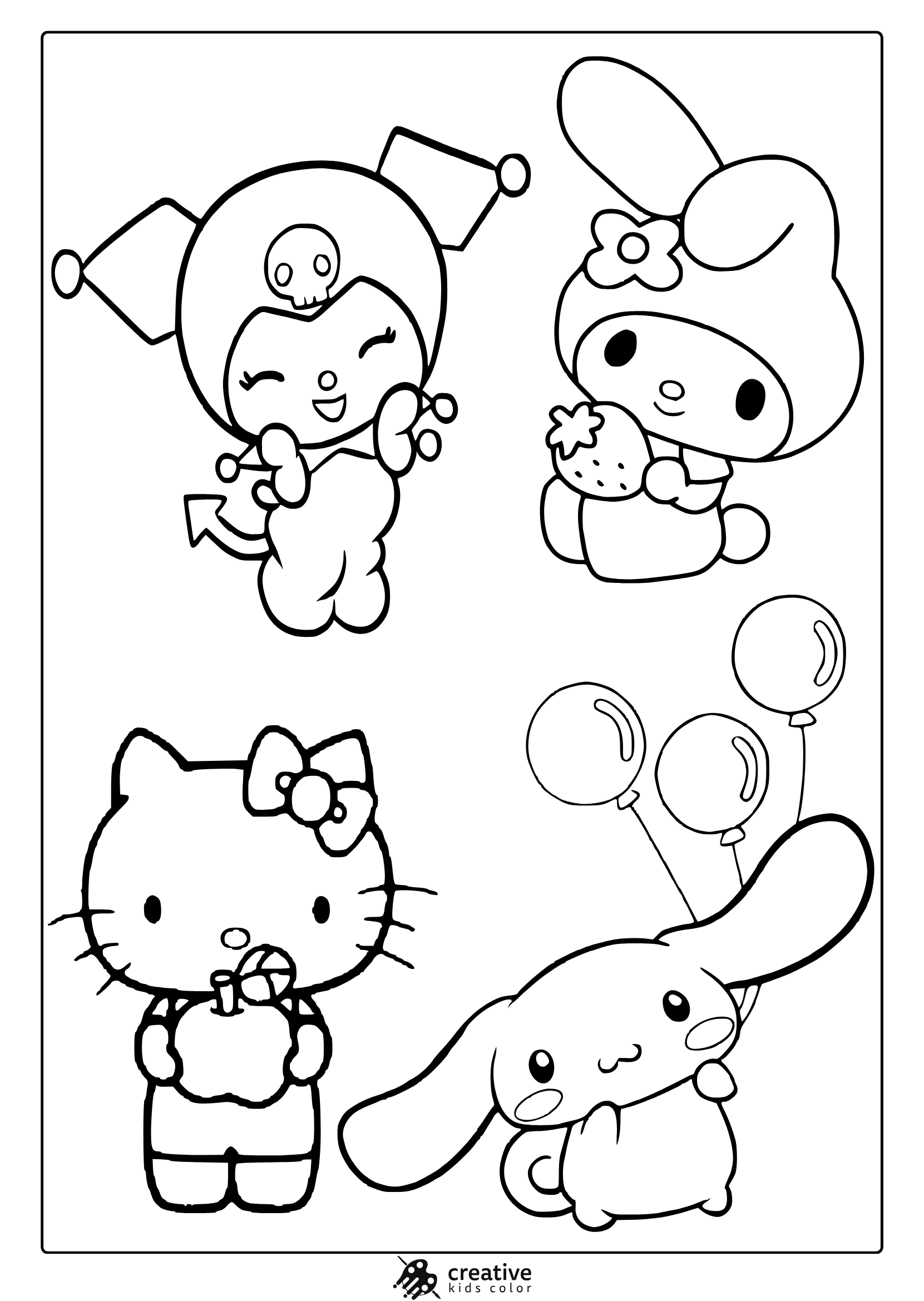
Coloring pages hello kitty and friends serve as highly effective instructional tools that combine familiar pop-culture engagement with foundational early childhood skill acquisition. According to the National Association for the Education of Young Children (NAEYC), purposeful play and familiar character recognition significantly enhance a child’s intrinsic motivation to participate in structured fine-motor tasks. Early educators utilize these printable assets to transition reluctant learners into productive seatwork, supporting pencil grip stability, spatial awareness, and cognitive concentration. Integrating character-themed artwork into daily lessons helps bridge recreational interests with academic readiness, offering a versatile supplement to traditional Coloring Pages collections.
Curriculum Practice Snapshot:
- Core Focus: Utilizing character-driven visual printables to strengthen early motor control and focus.
- Target Scope: Preschool through second-grade classrooms and home-learning environments.
- Key Recommendation: Pair structured boundary control exercises with open-ended creative shading tasks.
Core Principles and Detailed Overview
Structured coloring activities involving iconic character designs provide children with bounded spatial frameworks that directly support visual-motor integration and bilateral coordination. Direct answer: These specialized printables challenge young learners to coordinate small hand muscles while maintaining pencil control within distinct geometric and organic borders. When students engage with familiar characters such as Hello Kitty, My Melody, and Keroppi, affective filters lower, reducing anxiety associated with rigorous handwriting and drawing tasks. Educators leverage this psychological comfort to introduce multi-step directions, color theory, and pattern recognition. To expand developmental benefits, practitioners often combine these visuals with foundational Handwriting & Tracing sheets to reinforce letter formation alongside artistic expression.
Key Specifications and Breakdown
| Grade / Developmental Stage | Target Learning Skill | Instructional Strategy & Scaffolding |
|---|---|---|
| Pre-K (Ages 3-4) | Palmar-to-digital grip transition and boundary awareness | Provide thick-line outlines and oversized grip crayons to build hand strength. |
| Kindergarten (Ages 5-6) | Pincer grasp refinement and directional coloring control | Incorporate pattern prompts, such as alternating striped shirts on characters. |
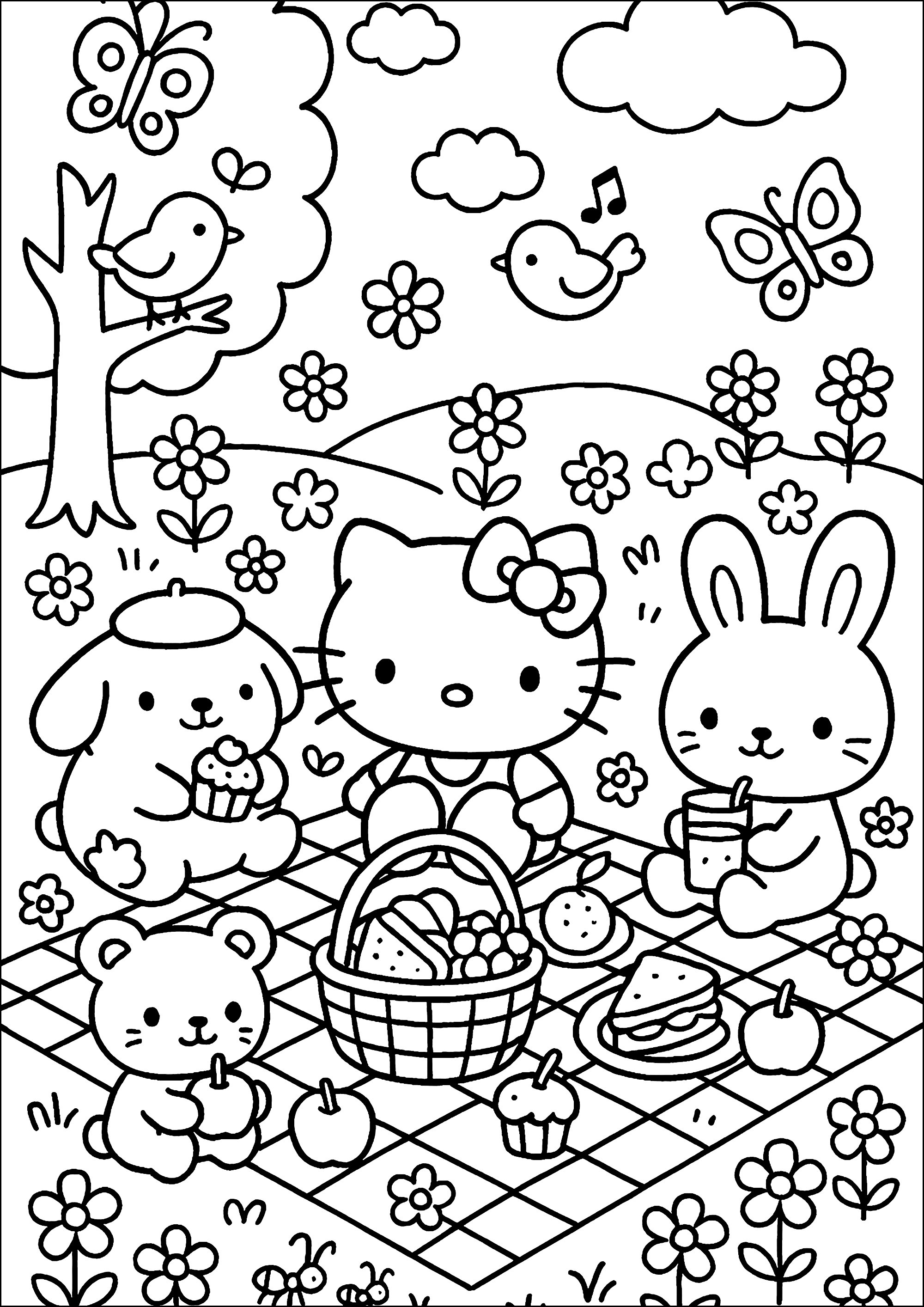
| Early Elementary (Ages 7+) | Shading depth, spatial stamina, and complex design execution | Utilize detailed multi-character scenes to build sustained task focus. |
Early childhood motor skill development requires consistent engagement with manipulatives and structured graphical tracing tasks to build neural pathways responsible for handwriting fluency. — National Center for Education Statistics (NCES)
Step-by-Step Practical Application and Guidelines
Implementing character-themed printables successfully in an instructional schedule requires a systematic three-phase approach that balances creativity with skill objectives. Direct answer: Educators must first select printables that match the precise fine-motor capability of the student group, ensuring line weights are appropriate for the target age band. Second, instructors establish clear learning goals before distribution, such as identifying primary colors, practicing smooth left-to-right shading motions, or adding descriptive background details. Third, instructors facilitate a reflective sharing circle where learners describe their artistic choices, thereby building expressive oral language skills alongside visual art competency. These structured printables fit seamlessly within broader Learning Activities designed to reinforce thematic curriculum units.
Common Challenges and How to Avoid Them
A frequent obstacle encountered during character-based worksheet sessions is rushing through fine-motor tasks just to finish the recognizable image, which diminishes the intended developmental benefit. Direct answer: Instructors overcome this rush-to-complete habit by establishing quality benchmarks, such as encouraging controlled stippling or blending techniques rather than rapid scribbling. Another common pitfall is relying solely on unstructured free coloring without linking the activity to broader cognitive objectives. Educators avoid this by embedding explicit math or literacy prompts directly onto the page margin, transforming simple art time into a comprehensive learning station supported by diverse Teacher Resources.
💬 Frequently Asked Questions
Explore More Early Learning and Classroom Resources on Knowalla
Discovering high-value instructional assets is essential for maintaining student engagement and accelerating early childhood skill mastery across all subjects. Knowalla provides an extensive library of professional printables, developmental guides, and targeted skill sheets designed to support educators and parents in fostering well-rounded academic growth.
Printable Coloring Page Previews