Introduction
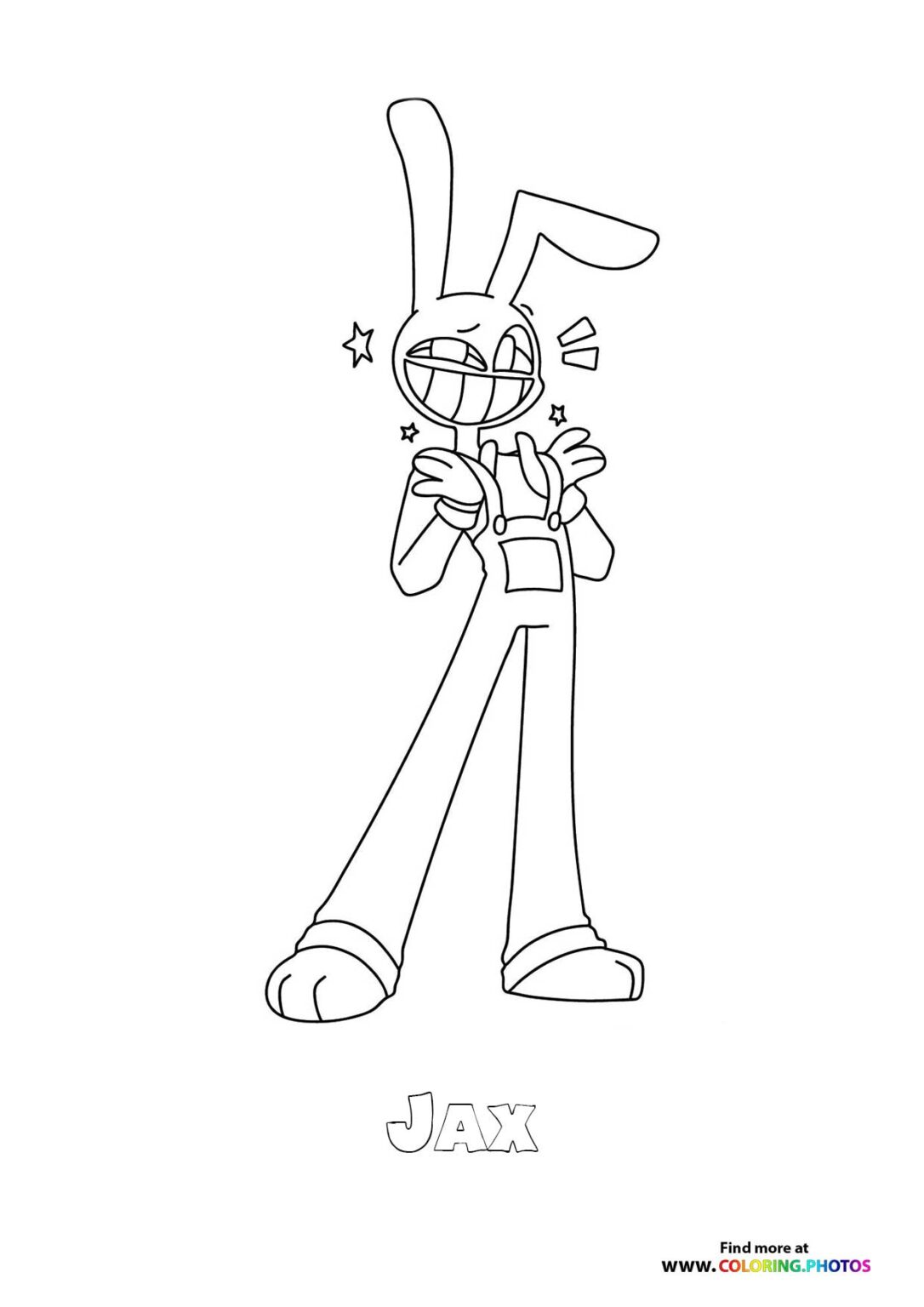
Coloring pages jax represent targeted fine-motor printables and thematic early childhood worksheets designed to build foundational pencil control, spatial awareness, and cognitive development in young learners. According to the National Association for the Education of Young Children (NAEYC), intentional art and manipulative experiences significantly enhance foundational hand strength and bilateral coordination required for formal writing readiness. Educators and homeschool parents leverage these localized, high-engagement instructional printables to bridge the gap between creative expression and structured skill acquisition. Accessing curated Coloring Pages ensures young learners receive developmentally appropriate practice materials tailored to specific early childhood milestones.
Curriculum Practice Snapshot:
- Core Focus: Targeted fine-motor skill enhancement through structured thematic printables.
- Target Scope: Early childhood classrooms, preschools, and home learning environments (Ages 3-7).
- Key Recommendation: Integrate daily short-duration coloring and tracing sessions to build intrinsic muscle endurance.
Core Principles and Detailed Overview
Structured printable coloring activities foster rigorous cognitive and physical development by requiring sustained hand-eye coordination, color discrimination, and boundary tracking. Direct answer: These specialized printables serve as a primary physical training tool for strengthening intrinsic hand muscles and stabilizing the palmar arch. When children manipulate writing utensils within defined graphic borders, neurological pathways governing visual-motor integration fire consistently. Instructors often pair these sheets with targeted Handwriting & Tracing components to maximize pencil grip efficiency and stroke precision before transitioning students to standard lined paper. Incorporating diverse Learning Activities alongside standard art templates keeps engagement high across mixed-ability student groups.
Key Specifications and Breakdown
| Grade / Developmental Stage | Target Learning Skill | Instructional Strategy & Scaffolding |
|---|---|---|
| Pre-K (Ages 3-4) | Palmar grasp transition and gross boundary awareness | Utilize thick, bold outlines with expansive coloring regions. |
| Kindergarten (Ages 5-6) | Pincer grasp refinement and directional control | Incorporate multi-directional patterns and structured shapes. |
| Early Elementary (Ages 6-7) | Complex spatial planning and detail pressure modulation | Combine graphic coloring with integrated text labeling exercises. |
Structured fine-motor interventions and guided manipulative practices directly correlate with improved early writing fluency and spatial organization benchmarks. — National Center for Education Statistics (NCES)
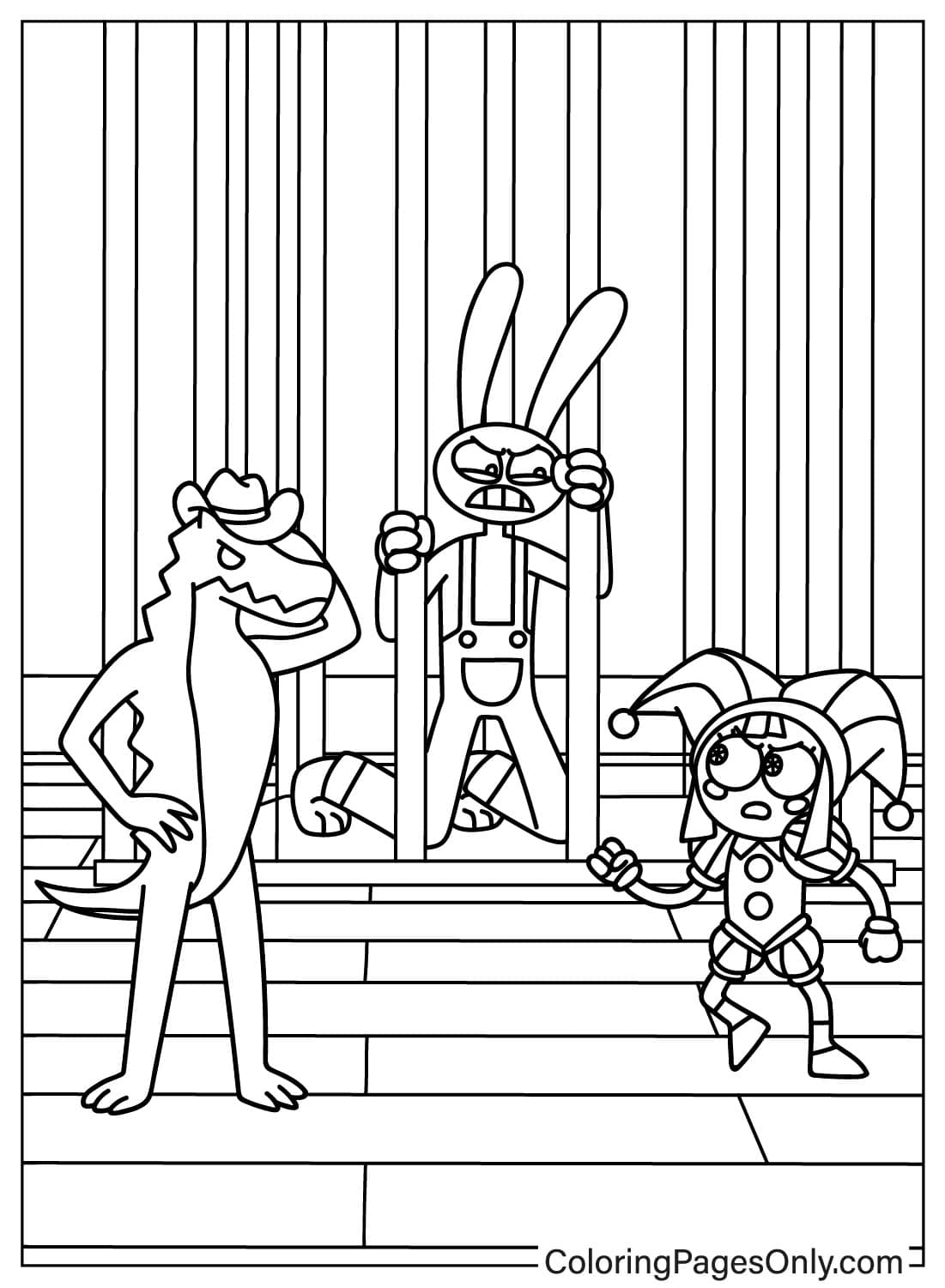
Printable Coloring Page Previews




Step-by-Step Practical Application and Guidelines
Executing an effective fine-motor lesson using specialized printables requires a systematic three-phase instructional sequence. Direct answer: Educators successfully implement these resources by first modeling proper grip mechanics, second guiding cooperative color selection, and finally allowing independent creative execution with formative assessment. Initially, instructors demonstrate how to stabilize the paper with the non-dominant hand while positioning the writing tool in a functional tripod grasp. Next, students complete targeted sections of the worksheet to reinforce specific color vocabulary or geometric concepts. Finally, educators evaluate stroke consistency and edge precision, utilizing professional Teacher Resources to track individual developmental progress over time.
Common Challenges and How to Avoid Them
Over-reliance on unstructured coloring without clear learning objectives often leads to rapid student disengagement and poor ergonomic habits. Direct answer: Preventing these instructional pitfalls requires pairing every coloring sheet with explicit fine-motor goals and monitoring hand posture continuously. Children frequently resort to maladaptive fist grasps when faced with overly intricate artwork or excessive writing duration. Educators eliminate this issue by selecting developmentally matched templates and utilizing diverse