Introduction
Coloring pages jasmine serve as purposeful instructional printables that intentionally target early fine-motor coordination, bilateral hand control, and spatial awareness in young learners. According to the National Association for the Education of Young Children (NAEYC), purposeful manipulation of art and tracing materials significantly supports foundational hand strength and pencil grip necessary for later academic success. Integrating thematic floral and character designs into daily Coloring Pages offers educators a reliable medium to bridge creative engagement with structured developmental milestones. Within diverse early childhood settings, these printable assets reinforce visual tracking and focus while keeping student interest elevated through familiar, recognizable motifs.
Curriculum Practice Snapshot:
- Core Focus: Developing fine-motor precision and pencil control using themed printable sheets.
- Target Scope: Preschool, kindergarten, and early elementary classrooms or home education environments.
- Key Recommendation: Pair structured coloring tasks with targeted Handwriting & Tracing sheets to maximize hand muscle conditioning.
Core Principles and Detailed Overview
Coloring pages jasmine function as targeted instructional tools designed to refine precision gripping and visual-motor integration in early education. Direct exposure to outlined princess and floral artwork requires children to control wrist movement, regulate grip pressure, and maintain continuous visual attention along complex boundaries. By transforming standard motor practice into an engaging artistic task, educators leverage intrinsic motivation to sustain prolonged concentration periods. These printables fit seamlessly alongside broader Worksheets designed to build foundational stamina for sustained academic tasks, ensuring children transition smoothly from creative play to formal writing readiness.
Key Specifications and Breakdown
| Grade / Developmental Stage | Target Learning Skill | Instructional Strategy & Scaffolding |
|---|---|---|
| Preschool (Ages 3-4) | Palmar to pincer grip transition | Provide thick outline strokes and large fill areas to reduce early frustration. |
| Kindergarten (Ages 5-6) | Edge control and directional tracking | Incorporate bordered designs featuring geometric or floral background elements. |
| Early Elementary (Ages 7+) | Shading nuance and hand endurance | Utilize intricate line art that mandates extended concentration and micro-adjustments. |
Early fine-motor intervention improves subsequent graphic skill acquisition and literacy readiness — National Center for Education Statistics (NCES)
Step-by-Step Practical Application and Guidelines
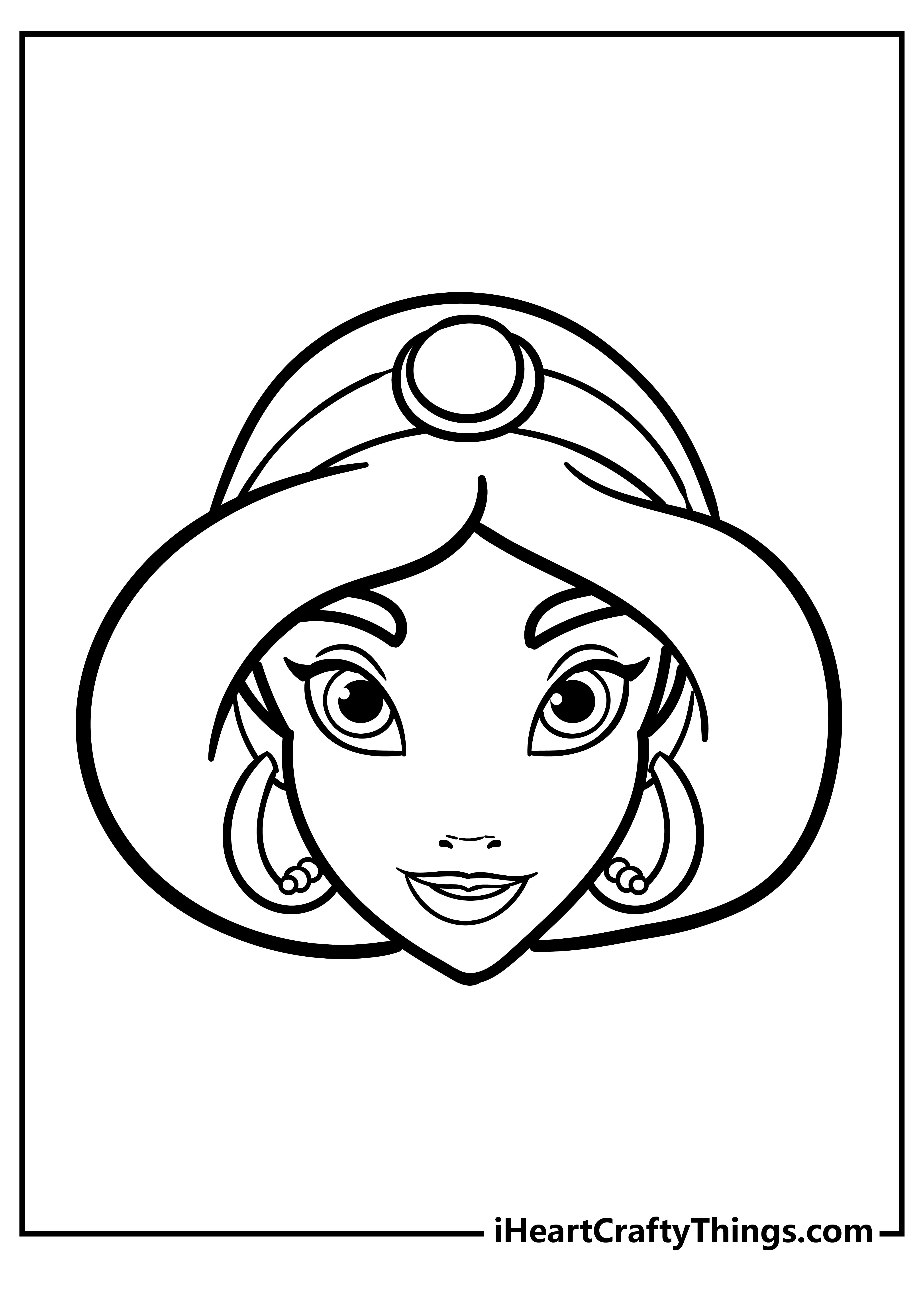
Implementing coloring pages jasmine effectively requires a structured three-step instructional sequence that moves from muscle preparation to final assessment. First, introduce warm-up finger stretching and hand exercises before distributing printables to prime the intrinsic muscles of the hand for grasping writing utensils. Second, guide learners through boundary-awareness exercises, encouraging children to outline the central Jasmine figure using light marker strokes before filling interior spaces with colored pencils. Third, review completed sheets collaboratively to highlight intentional stroke direction, spatial coverage, and neatness, connecting these fine-motor outputs to ongoing Learning Activities across the daily curriculum.
Common Challenges and How to Avoid Them
Premature hand fatigue and boundary frustration represent the most frequent obstacles encountered when children tackle intricate thematic coloring tasks. Educators can prevent grip exhaustion by limiting continuous coloring blocks to ten-minute intervals and ensuring that writing tools match the developmental hand-size of the learner. Furthermore, discouraging rushed coloring habits requires reframing the activity around precision rather than completion speed, a practice regularly emphasized within professional Teacher Resources. Implementing explicit modeling for how to hold crayons properly during edge work successfully eliminates incorrect finger positioning before bad habits become ingrained.
💬 Frequently Asked Questions
Explore More Early Learning and Classroom Resources on Knowalla
Optimizing early childhood instruction requires a comprehensive collection of printable assets, skill builders, and management guides. Discover thousands of expert-designed teaching materials, fine-motor worksheets, and creative printables by visiting Knowalla to support every stage of early learner development.
Printable Coloring Page Previews