Introduction
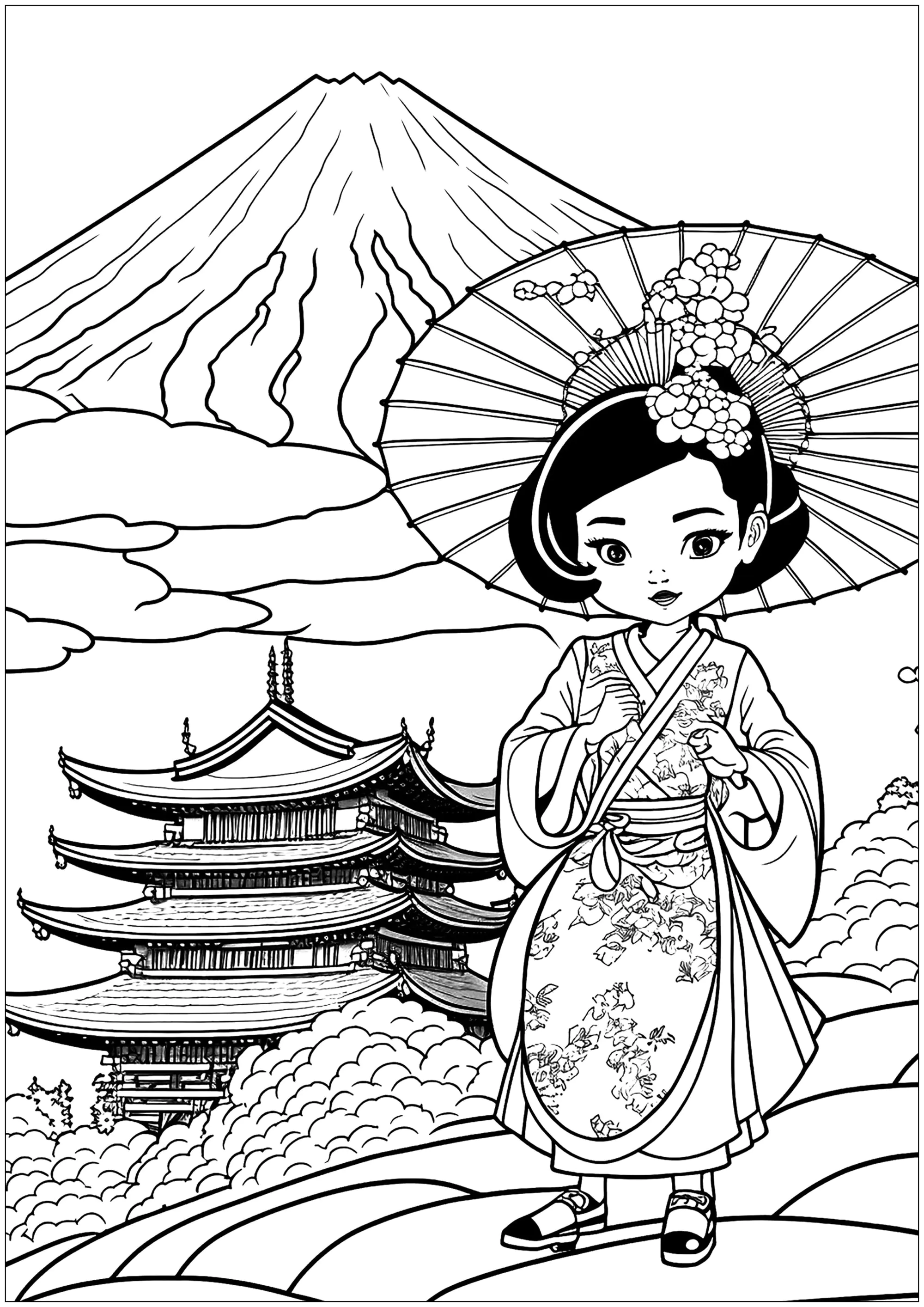
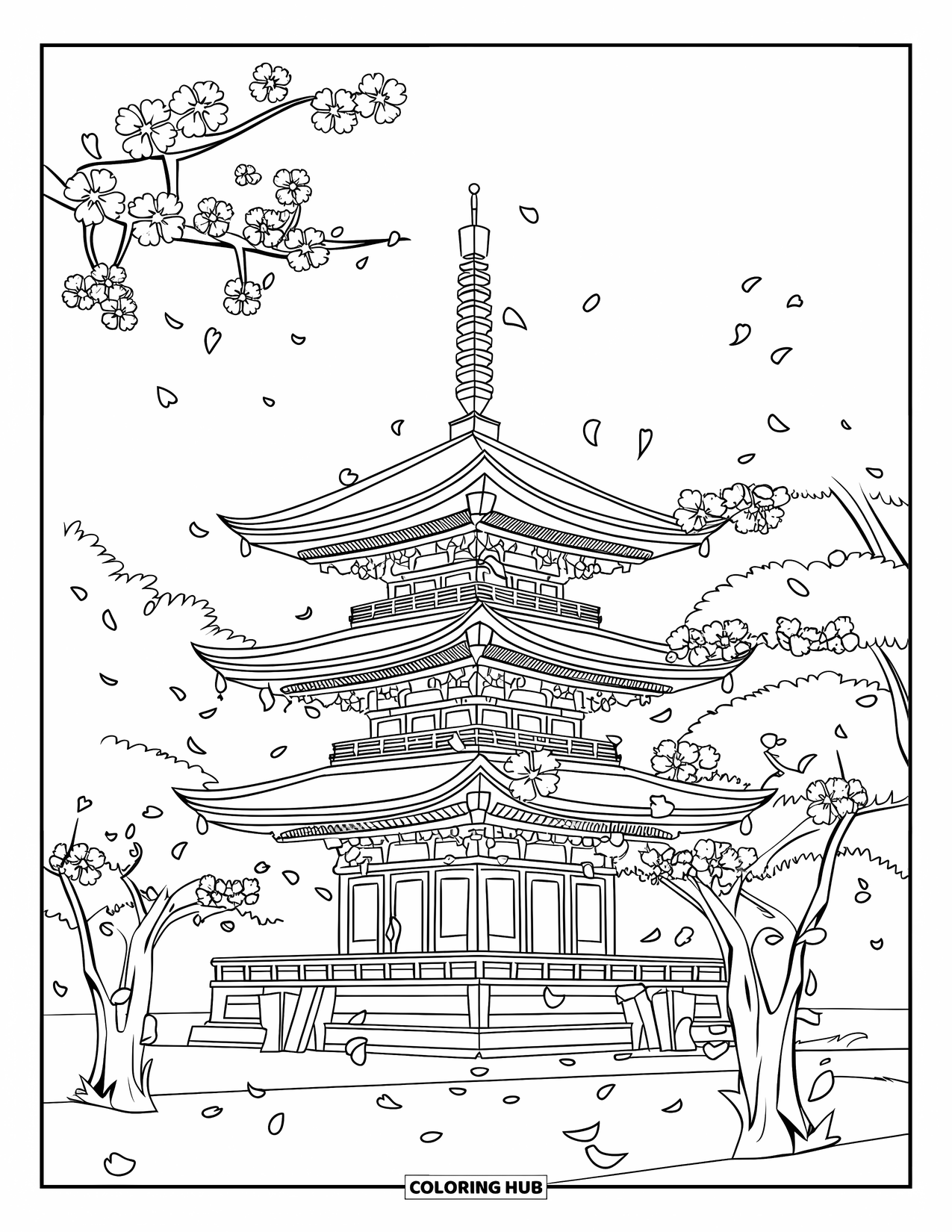
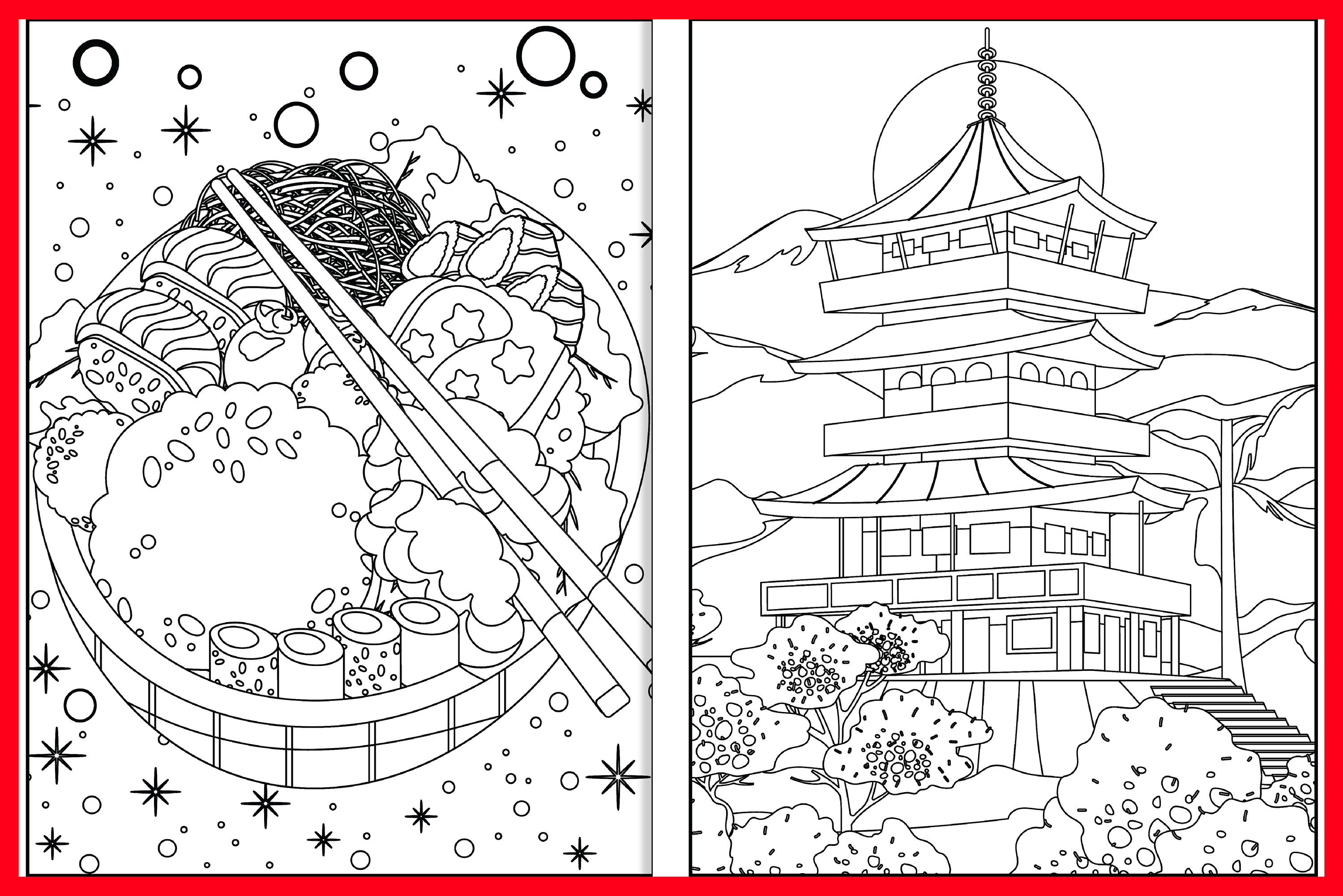
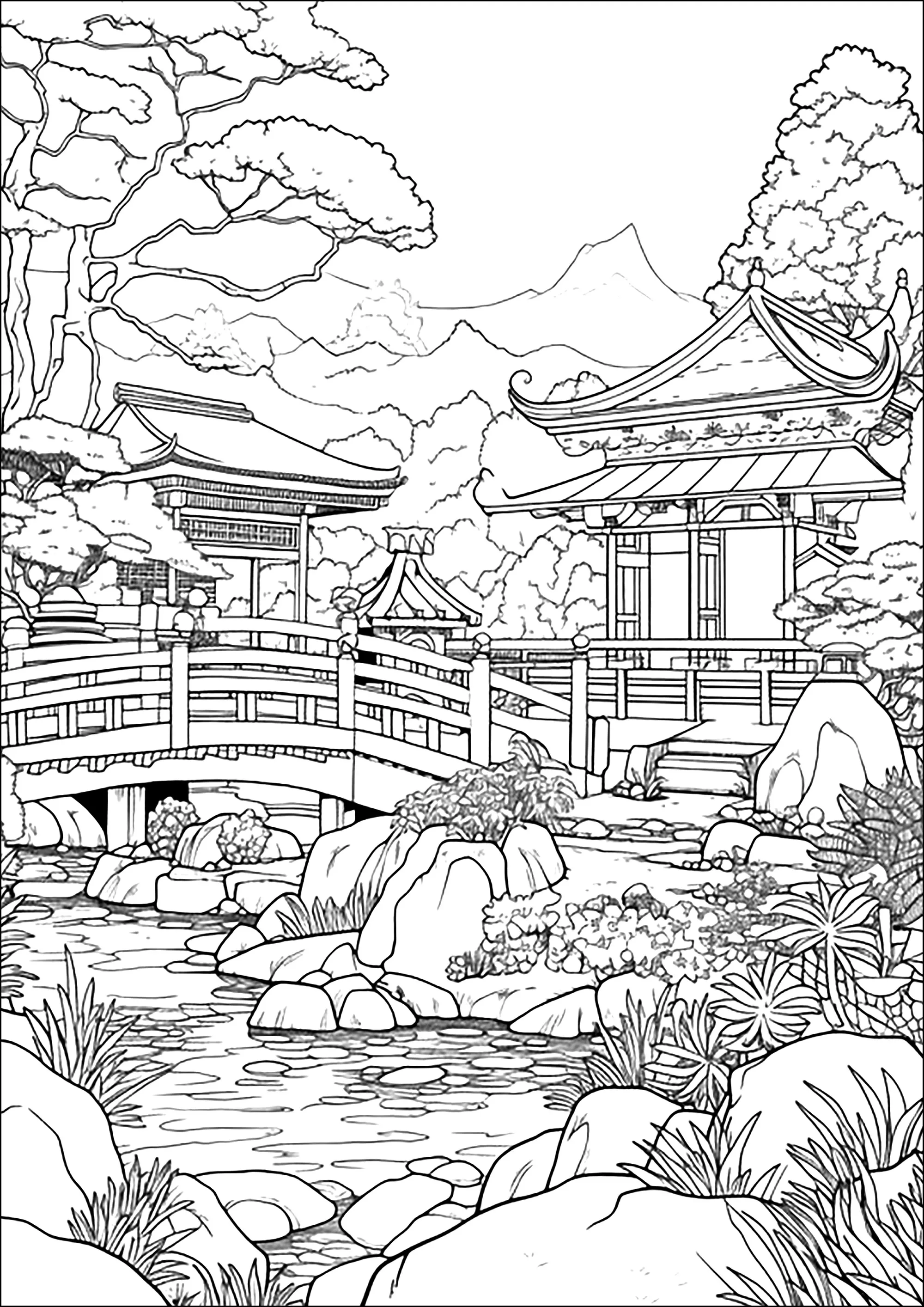
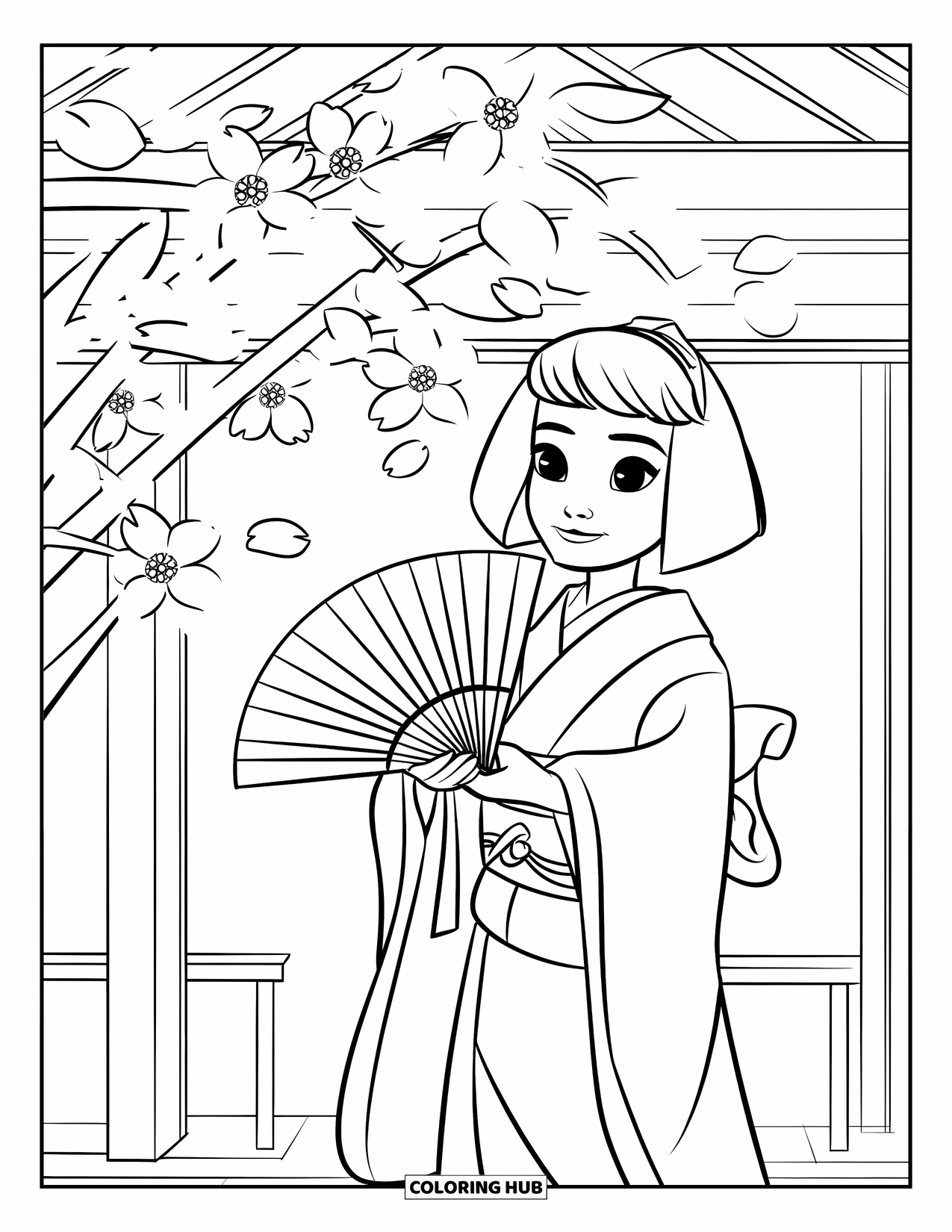
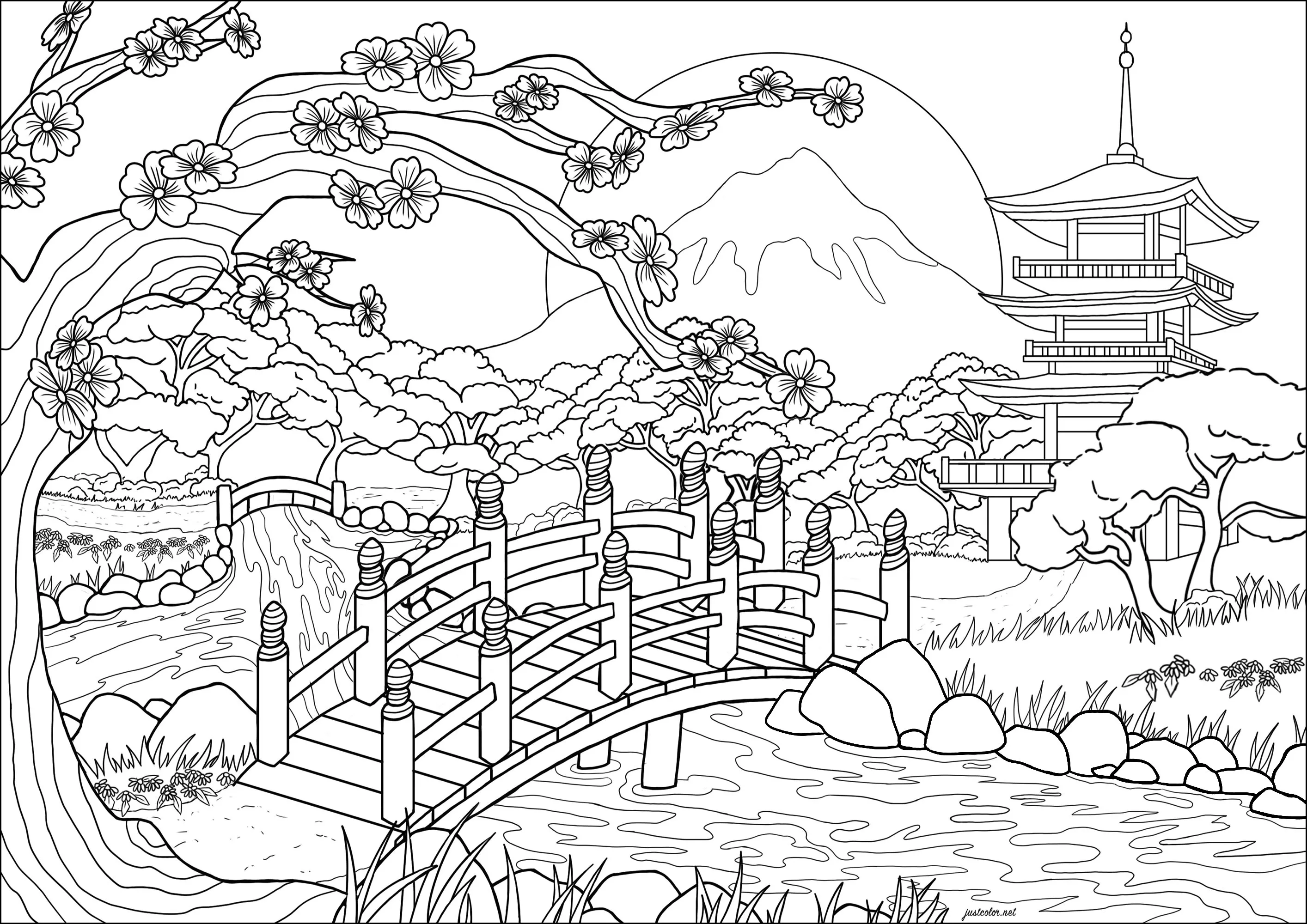
Coloring pages japan offer targeted artistic layouts and cultural imagery that reinforce fine-motor control, spatial awareness, and global literacy in early childhood education. According to the National Association for the Education of Young Children (NAEYC), purposeful artistic exploration and culturally responsive materials significantly enhance cognitive development and engagement among young learners. Integrating themed printable assets into daily instruction creates structured opportunities for students to build pencil grip strength, practice bilateral coordination, and explore international geography through visual arts. Educators seeking comprehensive graphic assets often combine these printable resources with broader Coloring Pages to diversify creative skill-building stations.
Curriculum Practice Snapshot:
- Core Focus: Cultural visual exploration and fine-motor control enhancement via Japanese-themed imagery.
- Target Scope: Early elementary students, kindergarten classrooms, and homeschool environments.
- Key Recommendation: Pair structured stroke-tracing elements with open-ended pigment application to maximize hand dexterity.
Core Principles and Detailed Overview
Japanese-themed visual worksheets bridge fine-motor skill acquisition with social studies foundations by introducing iconic cultural symbols like cherry blossoms, pagodas, and traditional garments. Direct integration of these instructional materials supports occupational therapy benchmarks by requiring controlled hand movements within defined geometric and organic borders. Teachers utilize specialized Worksheets featuring Japanese landmarks to anchor multidisciplinary units spanning geography, history, and early literacy. As students navigate intricate patterns, pencil pressure modulation improves organically, preparing hands for advanced Handwriting & Tracing tasks across the core curriculum.
Key Specifications and Breakdown
| Grade / Developmental Stage | Target Learning Skill | Instructional Strategy & Scaffolding |
|---|---|---|
| Pre-K / Ages 3-4 | Bilateral hand coordination and grip stability | Use broad-stroke designs with thick borders to encourage palm-to-finger transition. |
| Kindergarten / Ages 5-6 | Spatial boundary containment and pencil precision | Implement segmented coloring grids alongside cultural discussion prompts. |
| Early Elementary / Ages 7-8 | Cultural vocabulary integration and detail shading | Combine graphic coloring tasks with descriptive writing exercises and labeling. |
Structured visual arts integration measurably supports cognitive processing speeds and fine-motor dexterity in early childhood learners — National Center for Education Statistics (NCES)
Step-by-Step Practical Application and Guidelines
Implementing Japanese cultural art sheets successfully requires a scaffolded three-step instructional sequence that moves from tactile exploration to structured academic discussion. First, introduce the cultural subject matter by presenting authentic images of Japanese architecture or flora before distributing the selected printable sheets. Second, monitor proper ergonomic pencil or crayon grasps while students color within intricate boundaries, offering immediate corrective feedback to prevent fatigue. Third, conclude the activity with a reflective group sharing circle where learners describe their chosen color palettes and connect the artwork to geography concepts found within standard Learning Activities.
Common Challenges and How to Avoid Them
Overly intricate line art often causes frustration among younger children with developing hand strength, while overly simplistic designs fail to challenge older kindergarteners. Educators prevent this friction by curating tiered difficulty levels, matching detailed architectural sheets to advanced students while assigning bold botanical illustrations to beginners. Furthermore, educators avoid cultural stereotyping by pairing visual sheets with accurate, respectful explanations of Japanese heritage, ensuring that creative output remains grounded in authentic educational context rather than oversimplified tropes.
💬 Frequently Asked Questions
Explore More Early Learning and Classroom Resources on Knowalla
Accessing high-quality educational assets ensures that early childhood classrooms remain engaging, developmentally appropriate, and culturally rich. Instructors and parents can discover comprehensive planning guides and supplementary materials by visiting Teacher Resources or returning directly to the Knowalla homepage to browse newly published printables.
Printable Coloring Page Previews