Introduction
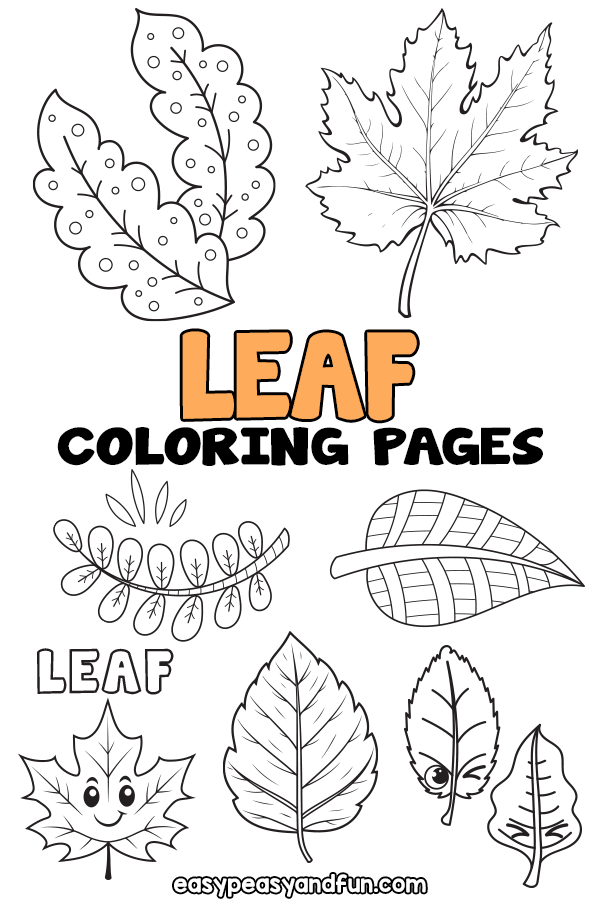
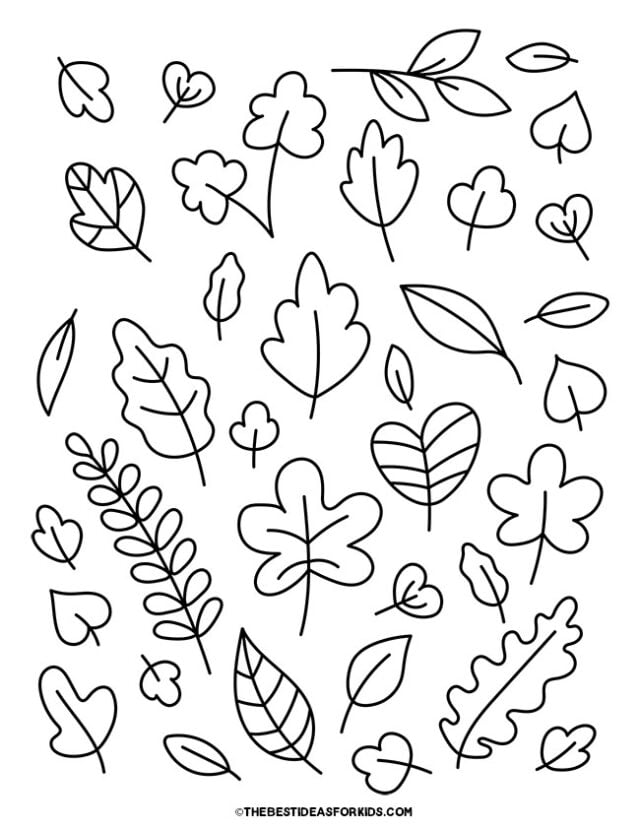
Coloring pages leaves provide targeted visual-motor integration practice by challenging early learners to control pencil pressure, execute precise boundary control, and build intrinsic hand strength through nature-based geometry. According to the National Association for the Education of Young Children (NAEYC), purposeful fine-motor manipulation tasks directly correlate with foundational neurological development and subsequent literacy acquisition. Early childhood educators and elementary curriculum specialists frequently integrate botanical coloring templates into daily Learning Activities to bridge seasonal science observation with tactile skill building. Utilizing structured Coloring Pages within a balanced curriculum supports both artistic expression and essential academic readiness for primary students.
Curriculum Practice Snapshot:
- Core Focus: Botanical illustration practice targeting fine-motor coordination and botanical taxonomy.
- Target Scope: Pre-K through Grade 2 classrooms, homeschool environments, and intervention centers.
- Key Recommendation: Pair botanical coloring templates with direct observation of physical autumn foliage to maximize spatial awareness.
Core Principles and Detailed Overview
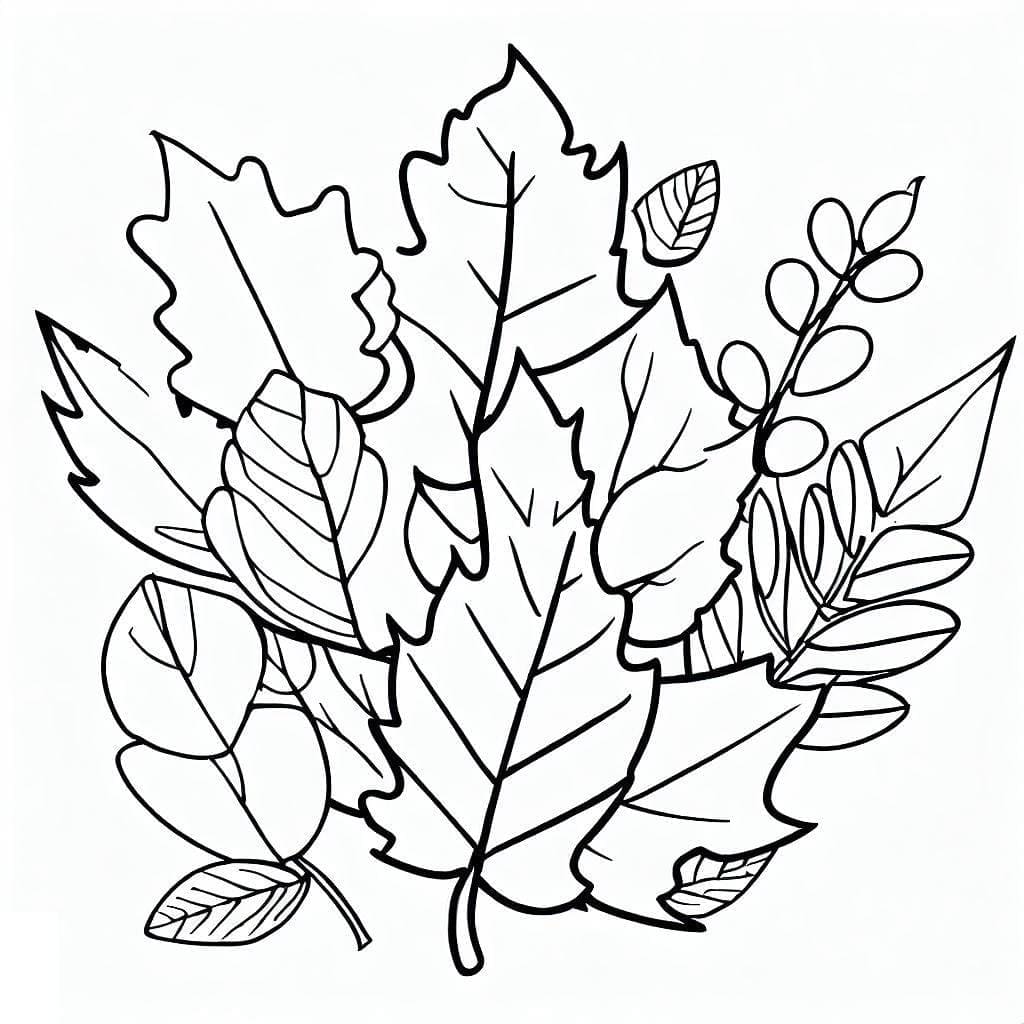
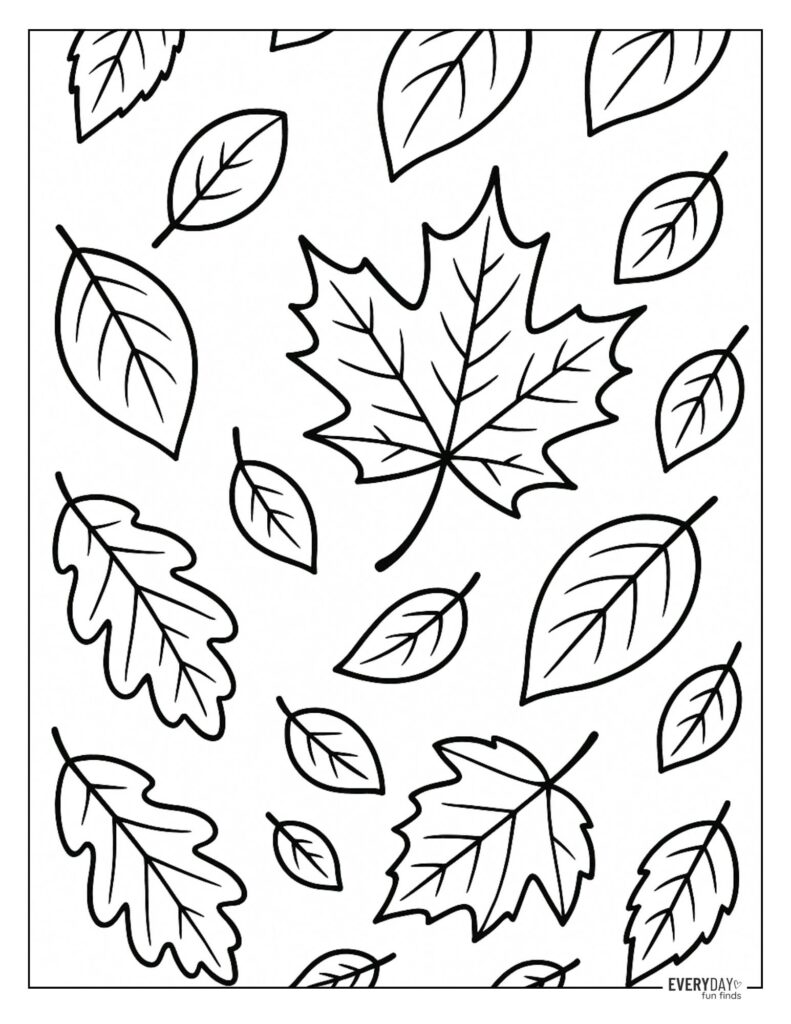
Botanical illustration printables serve as multifaceted instructional assets that merge scientific observation with kinesthetic development, making them vital components of comprehensive Worksheets collections. Children analyze asymmetrical veins, jagged margins, and varying petiole lengths while refining the pincer grasp required for legible handwriting. When young learners trace and shade intricate leaf contours, intrinsic hand muscles stabilize the writing implement, reducing hand fatigue during extended academic tasks. Furthermore, integrating varied botanical outlines allows educators to seamlessly connect seasonal science units with foundational geometry, pattern recognition, and color theory.
Key Specifications and Breakdown
| Grade / Developmental Stage | Target Learning Skill | Instructional Strategy & Scaffolding |
|---|---|---|
| Pre-Kindergarten (Ages 3-4) | Bilateral coordination and gross boundary control | Provide thick-outlined maple and oak templates with oversized primary shapes. |
| Kindergarten (Ages 5-6) | Pincer grasp refinement and spatial orientation | Utilize asymmetrical leaf varieties requiring varied pencil stroke directions. |
| First to Second Grade (Ages 7-8) | Botanical classification, shading gradients, and labeling | Incorporate vein-labeling tasks alongside multi-tone colored pencil blending. |
Explicit fine-motor instructional interventions yield measurable improvements in handwriting legibility and spatial control across early primary grade levels — What Works Clearinghouse (IES). Related guide: Coloring Pages Kpop Demon Hunters.
Step-by-Step Practical Application and Guidelines
Executing an effective botanical art session requires a systematic three-phase instructional sequence that moves from direct observation to refined motor execution. First, distribute physical leaf specimens alongside blank or lightly outlined templates so learners can tactilely examine real cellular structures and vein patterns. Second, instruct participants to practice light pressure shading using side-to-side and circular pencil strokes before tackling tight interior margins. Third, incorporate adjacent Handwriting & Tracing components where children write the common names of each tree species beneath their completed artwork to reinforce cross-curricular literacy targets.
Common Challenges and How to Avoid Them
Frustration during botanical art sessions typically arises from overly complex outlines that exceed current developmental fine-motor thresholds or improper grip posture. Educators can eliminate these obstacles by selecting simplified geometric contours for younger cohorts and providing ergonomic triangular crayons or pencils that naturally enforce correct finger placement. Additionally, avoiding rigid time limits prevents anxiety, allowing children to focus entirely on rhythmic motor control and intentional color distribution rather than rushed completion.
💬 Frequently Asked Questions
Explore More Early Learning and Classroom Resources on Knowalla
Discover an extensive library of professional pedagogical tools, printable worksheets, and instructional guides designed to elevate early childhood education. Visit the main hub at Knowalla to access specialized Teacher Resources tailored for modern classrooms and home learning environments.
Printable Coloring Page Previews