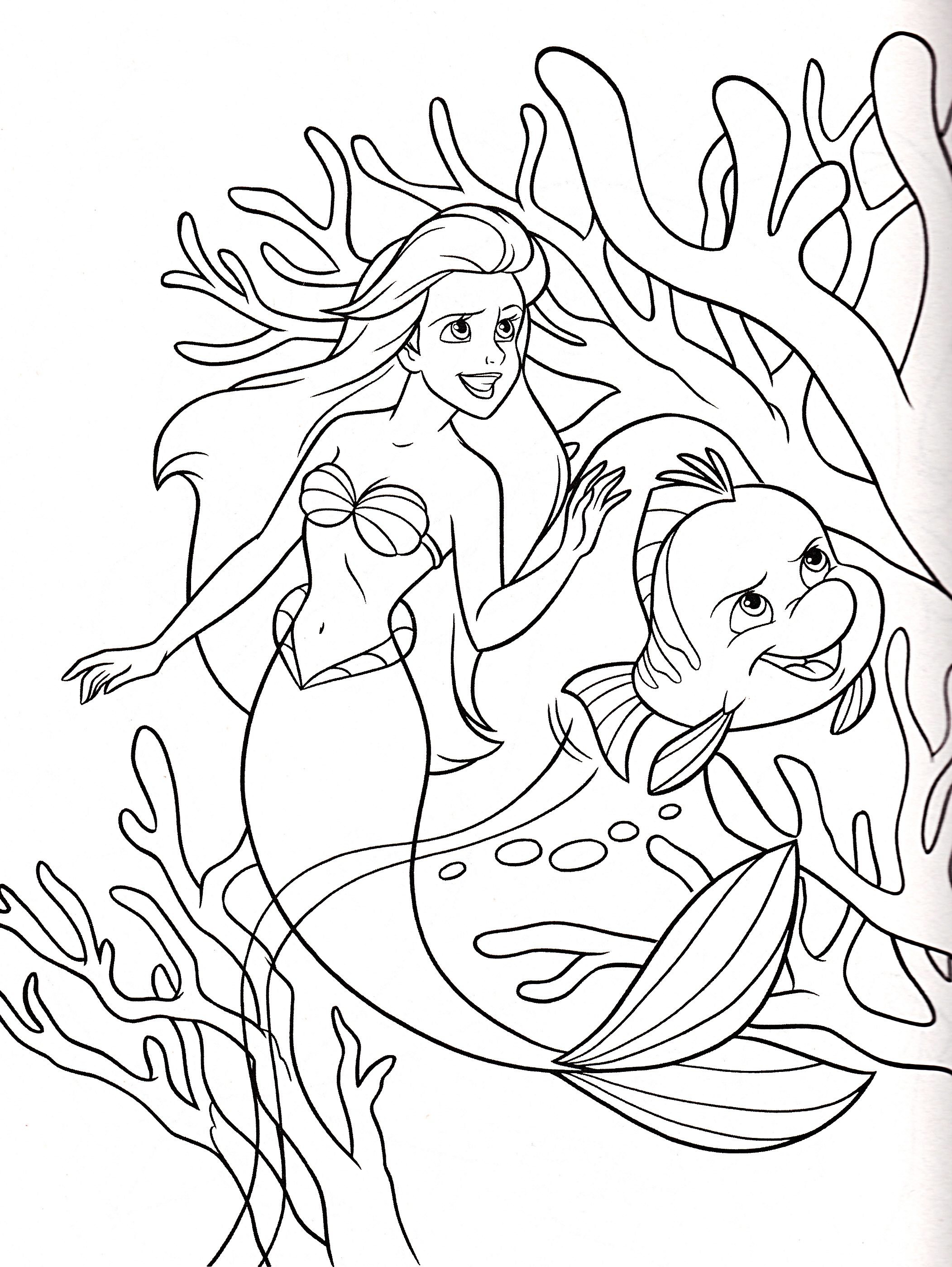
Introduction
Coloring pages disney queries represent a high-frequency search category that often exposes children to unverified third-party websites harboring malware, aggressive ad trackers, and deceptive phishing links. According to ConnectSafely, online safety education must extend to seemingly benign queries like entertainment templates and creative printables to protect minor users from unauthorized data collection. Educational institutions, educators, and guardians must navigate these digital assets with strict oversight to maintain secure network boundaries and foster responsible Internet and Digital Safety habits.
Digital Safety Snapshot:
- Core Focus: Mitigating cybersecurity risks associated with unofficial Disney-themed coloring content portals.
- Target Scope: Middle school students, teachers, and school administrators managing campus or home device access.
- Key Recommendation: Restrict student device navigation to pre-approved educational repositories and vetted Coloring Pages directories.
Core Principles and Detailed Overview
Unregulated access to coloring pages disney platforms introduces significant cybersecurity vulnerabilities, including drive-by malware downloads, malicious pop-up windows, and invasive behavioral tracking scripts. Digital citizenship frameworks require middle school students to recognize that free entertainment searches on unauthorized domains frequently serve as vectors for social engineering attacks and malware distribution. Implementing robust content filters and teaching safe browsing habits ensures that creative classroom activities do not compromise network integrity or student data privacy.
Key Specifications and Breakdown
| Safety Pillar | Digital Risk Factor | Actionable Protective Habit |
|---|---|---|
| Network Security | Phishing pop-ups disguised as free downloads | Enforce enterprise-grade DNS filtering across all student devices |
| Data Privacy | Third-party trackers harvesting browser metadata | Use privacy-centric browsers and block non-essential cookies |
| Classroom Balance | Distraction from unauthorized web navigation | Utilize centralized screen-monitoring tools during digital art sessions |
Maintain strict domain verification protocols for all supplemental web content accessed by minor students — Cybersecurity & Infrastructure Security Agency (CISA)
Step-by-Step Practical Application and Guidelines
Securing digital creative sessions involves establishing a controlled environment where students only interact with verified Worksheets and graphic assets. Educators and parents should bookmark safe, ad-free repositories in advance, disabling unrestricted search engine use when children look for character-based graphics. Furthermore, teaching students to identify secure HTTPS protocols, recognize suspicious download buttons, and report anomalous pop-ups empowers youth to act as active defenders of their own digital footprints.
Common Challenges and How to Avoid Them
Deceptive domain names mimicking official entertainment franchises frequently lure unsuspecting users into downloading executable malware instead of standard image files. Preventing these security breaches requires continuous technical auditing of school web gateways and proactive instruction regarding search engine optimization manipulation. Adults should consistently monitor device logs for unexpected redirection attempts and educate middle schoolers on the importance of verifying source authenticity before interacting with unfamiliar web links.
💬 Frequently Asked Questions
Explore More Kids Safety and Digital Citizenship Guides on SafeWiredSchools
Protecting students in modern virtual learning environments requires comprehensive, continuous education regarding web hygiene, device security, and threat recognition. Discover additional expert resources, curriculum tools, and safety frameworks by visiting Safe Wired Schools today.
Printable Coloring Page Previews