Introduction
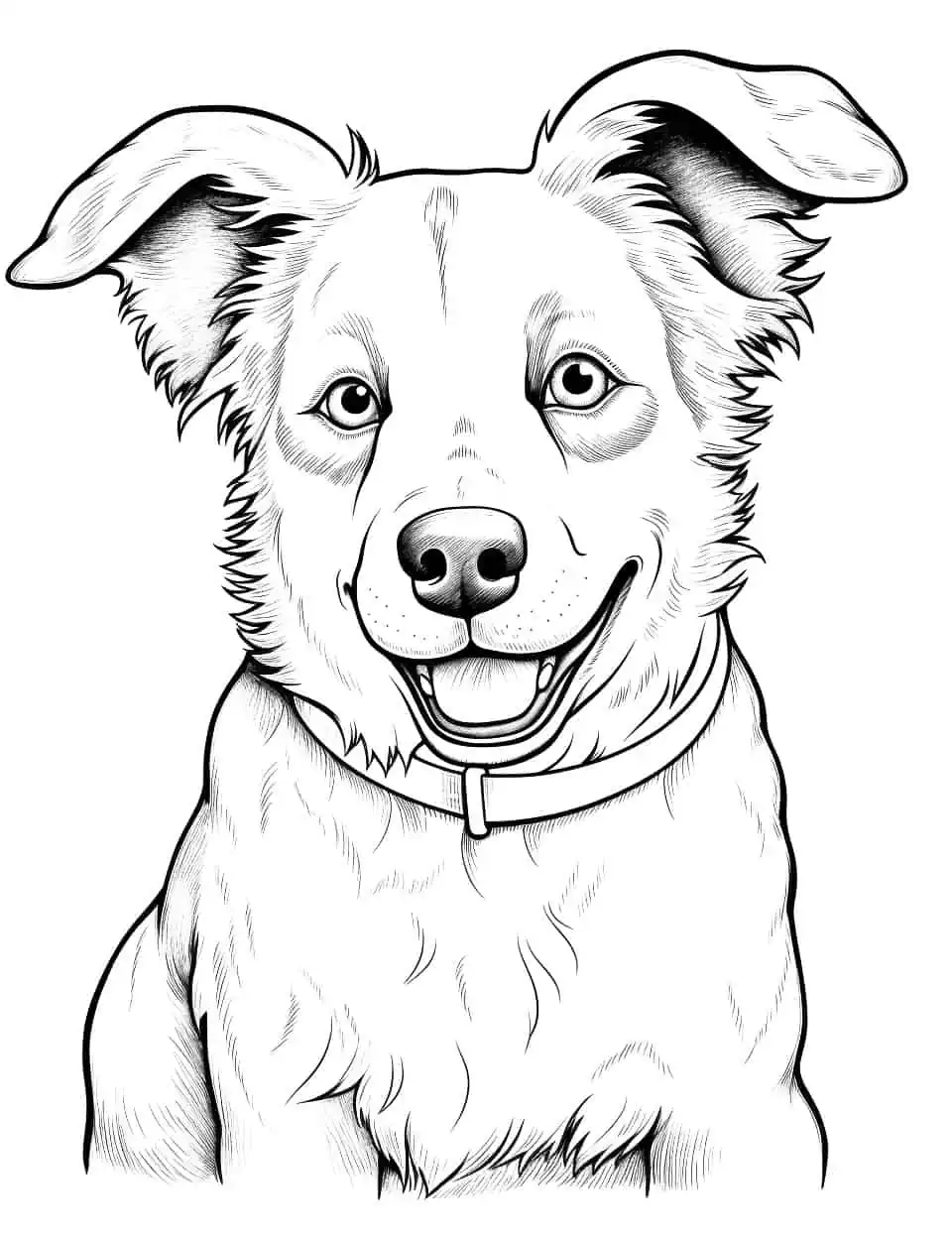
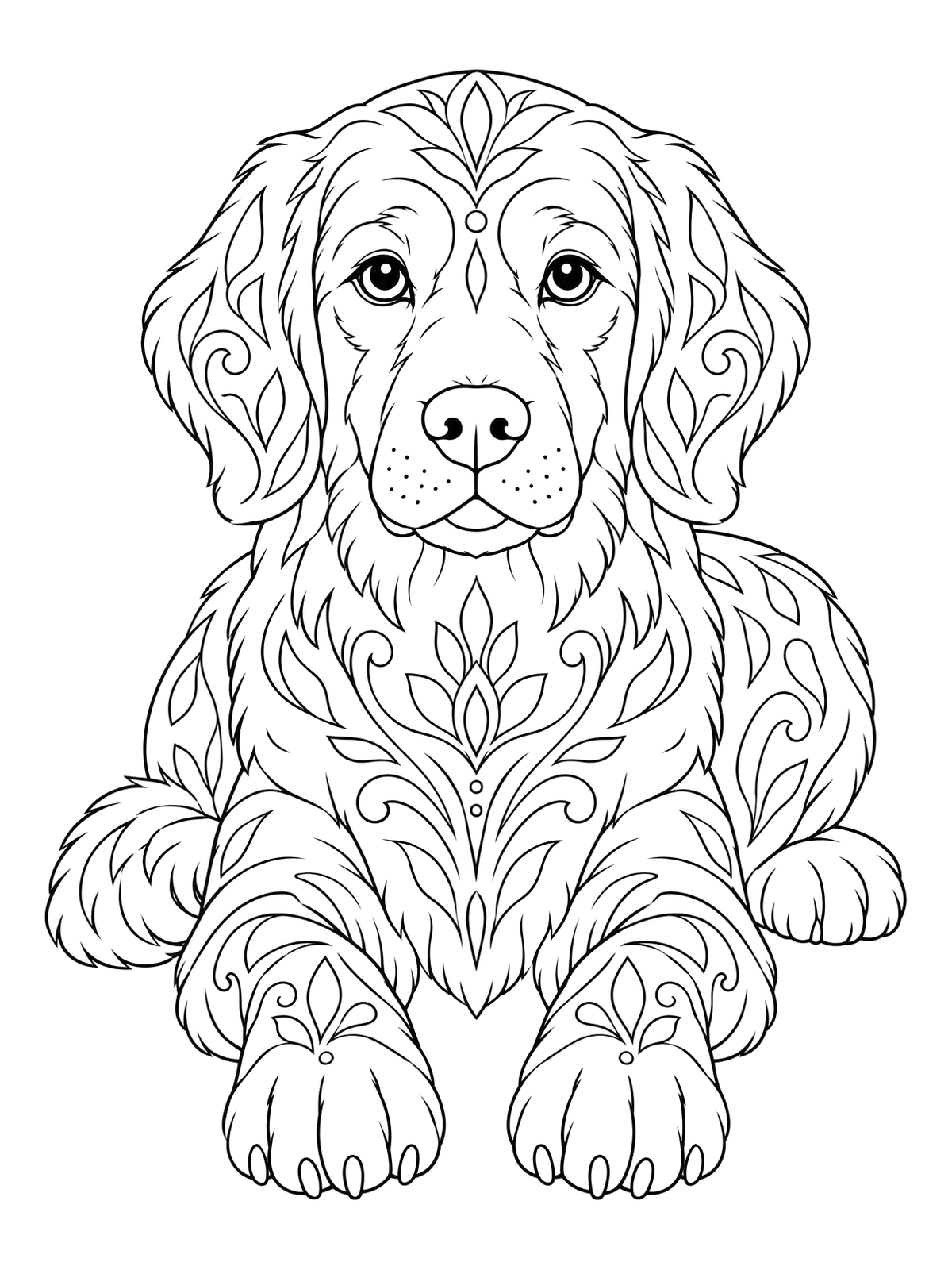
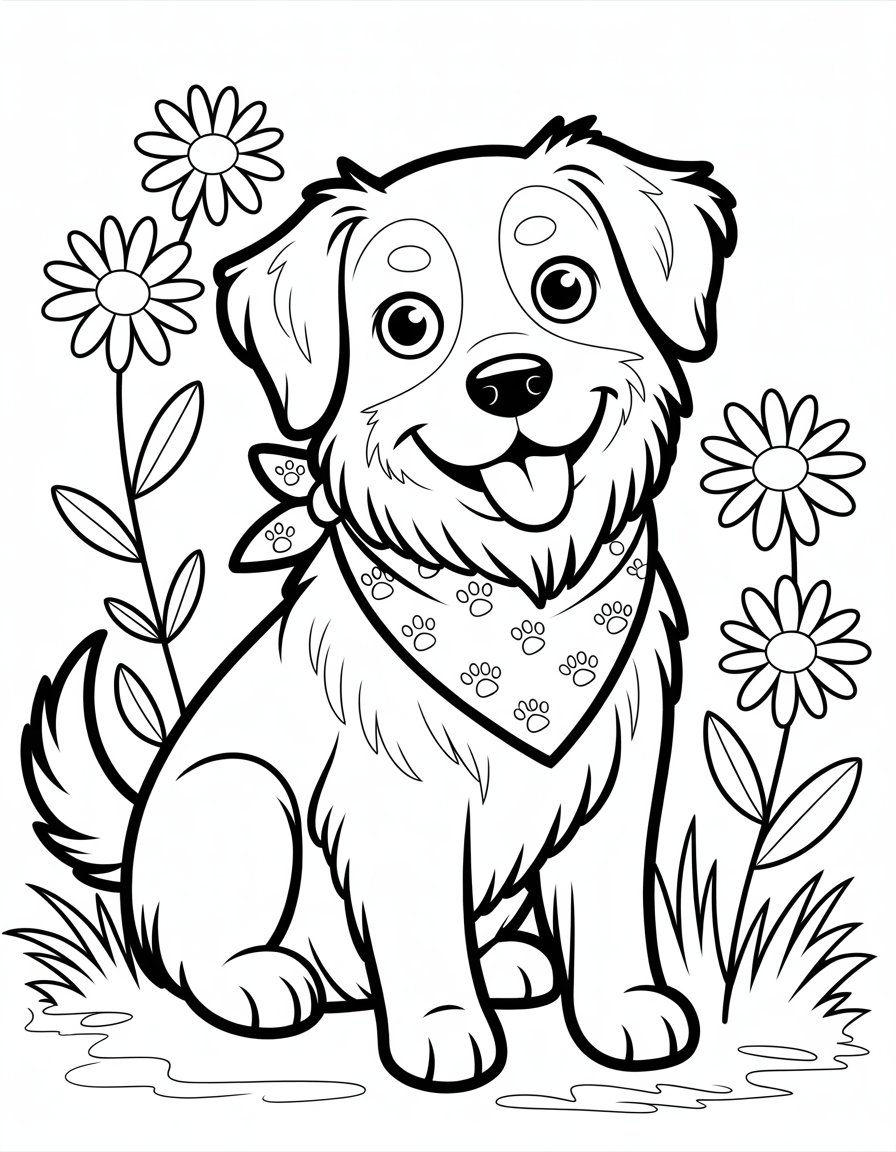
Coloring pages dogs serve as safe, structured offline creative media that help young learners disconnect from screens and engage in focused art activities without encountering digital risks. According to Family Online Safety Institute (FOSI) research, balancing screen-based learning with tangible, physical creative outlets significantly reduces overall digital exposure time and minimizes cognitive fatigue among developing students. Integrating offline activities like canine-themed illustrations into school environments supports comprehensive digital citizenship by promoting healthy boundaries around technology use. Educators and parents frequently utilize resources from Coloring Pages collections to provide screen-free decompression breaks during high-density instructional days.
Digital Safety Snapshot:
- Core Focus: Utilizing offline canine coloring materials to establish healthy screen-time limits and reduce online vulnerability.
- Target Scope: Schools, classrooms, and domestic learning spaces managing digital device fatigue.
- Key Recommendation: Transition routine digital downtime into physical, analog creative exercises to protect student focus.
Core Principles and Detailed Overview
Managing digital footprints and device hygiene requires intentional shifts away from continuous internet connectivity toward analog engagement like printing physical coloring sheets. Digital distractions in modern classrooms often stem from unstructured browsing during supposedly independent work periods, making pre-downloaded, offline instructional packets a vital classroom management tool. When teachers pull canine-themed activity sheets from reputable educational repositories rather than directing students to open-web search engines, the risk of encountering malicious advertisements, inappropriate pop-ups, or unvetted external links drops to zero. Maintaining clean device hygiene involves minimizing unnecessary browser tab openings, which directly correlates with establishing structured routines found in resources across Worksheets repositories. Furthermore, encouraging tactile artistic expression aids in cyberbullying prevention by creating inclusive, collaborative offline art spaces that do not rely on social media validation or instant messaging platforms.
Key Specifications and Breakdown
| Safety Pillar | Digital Risk Factor | Actionable Protective Habit |
|---|---|---|
| Screen Balance | Cognitive overload and digital fatigue from continuous monitor exposure. | Substitute browser downtime with physical, printed canine art activities. |
| Device Hygiene | Accidental exposure to malicious ads through unvetted web searches. | Pre-download and locally store instructional printables before class begins. |
| Digital Footprint | Unnecessary data tracking via student interaction on commercial art sites. | Utilize ad-free, secure educational portals for all classroom printing tasks. |
Establishing predictable offline intervals during instructional periods directly mitigates excessive digital exposure and enhances overall student online wellness. — Cybersecurity & Infrastructure Security Agency (CISA)
Step-by-Step Practical Application and Guidelines
Implementing safe offline creative breaks involves a systematic approach to sourcing, downloading, and distributing educational print materials without exposing student devices to web-borne threats. First, designated educators or administrative staff should pre-select and locally cache all necessary canine illustrations from verified institutional portals prior to classroom deployment. Second, student devices must be safely docked, closed, or powered down during the distribution of physical art supplies to reinforce strict boundaries regarding hardware utilization. Third, educators should supervise the transition to ensure web browsers remain closed, thereby preventing opportunistic browsing or accidental navigation to restricted network domains. Finally, completed art projects can be displayed physically within the classroom or integrated with lessons on Online and Digital Safety, drawing direct parallels between physical boundary-setting and safeguarding personal data online.
Common Challenges and How to Avoid Them
Preventing accidental exposure to web-based threats while seeking creative resources requires constant vigilance against unvetted third-party commercial platforms containing malicious tracking scripts. Educators often make the mistake of allowing students to search the open internet independently for animal artwork, which frequently leads to pop-up advertisements, inappropriate imagery, or phishing attempts disguised as free download buttons. To eliminate this vulnerability, schools must enforce strict acceptable use policies that restrict open searches and mandate the use of centralized, district-approved resource repositories. Additionally, maintaining hardware integrity involves regular checks on school-issued printers and local network folders to ensure cached PDFs are sourced exclusively from secure educational domains, reinforcing comprehensive protocols detailed in Internet and Digital Safety guidelines.
💬 Frequently Asked Questions
Explore More Kids Safety and Digital Citizenship Guides on SafeWiredSchools
Navigating modern digital citizenship requires continuous education, robust institutional policies, and reliable resources designed for educators, administrators, and parents alike. Discover comprehensive toolkits, classroom management strategies, and expert safety advisory materials by visiting the main educational directory at Safe Wired Schools.
Printable Coloring Page Previews