Introduction
Educational coloring pages function as structured instructional tools that deliberately build fine motor strength, spatial awareness, and cognitive focus in early childhood settings. According to the National Association for the Education of Young Children (NAEYC), purposeful play and guided tactile experiences remain essential drivers of neural pathway development in young learners. Integrating printable worksheets and targeted coloring exercises into daily routines transforms passive downtime into active academic preparation. Educators utilize these materials alongside Handwriting & Tracing sheets to establish the foundational muscle memory required for successful pencil grip and letter formation. High-quality Coloring Pages align directly with early learning standards by combining visual art with letter recognition, number identification, and thematic vocabulary acquisition.
Curriculum Practice Snapshot:
- Core Focus: Transforming standard coloring tasks into targeted academic skill practice for early learners.
- Target Scope: Preschool, kindergarten, and early primary classrooms, as well as homeschool environments.
- Key Recommendation: Pair coloring tasks with explicit oral instruction and boundary-control goals to maximize neurological impact.
Core Principles and Detailed Overview
Coloring pages educational in design bridge the gap between creative expression and foundational skill acquisition by targeting specific developmental milestones within structured visual templates. When young children manipulate crayons or colored pencils to fill designated shapes, the brain simultaneously processes hand-eye coordination, bilateral integration, and visual-spatial orientation. This deliberate motor control strengthens the intrinsic hand muscles necessary for sustained writing endurance. Furthermore, thematic sheets support multidisciplinary instruction, allowing educators to reinforce science concepts, mathematical patterns, and literacy benchmarks through accessible Worksheets. Selecting printables with clear boundary lines, directional arrows, or embedded letter tracing helps scaffold independence and builds self-regulation in pre-writing students.
Key Specifications and Breakdown
| Grade / Developmental Stage | Target Learning Skill | Instructional Strategy & Scaffolding |
|---|---|---|
| Pre-K (Ages 3-4) | Bilateral coordination and palmar grasp stabilization | Utilize thick-bordered, large-format shapes paired with wide jumbo crayons. |
| Kindergarten (Ages 5-6) | Pincer grasp refinement and directional color control | Incorporate hidden object counts and alphabet letter identification within boundaries. |
| Early Primary (Ages 6-7) | Spatial endurance and complex pattern recognition | Deploy intricate thematic diagrams linked to cross-curricular science and math units. |
Structured tactile learning and guided motor practice correlate positively with accelerated early literacy and spatial reasoning benchmarks — National Center for Education Statistics (NCES)
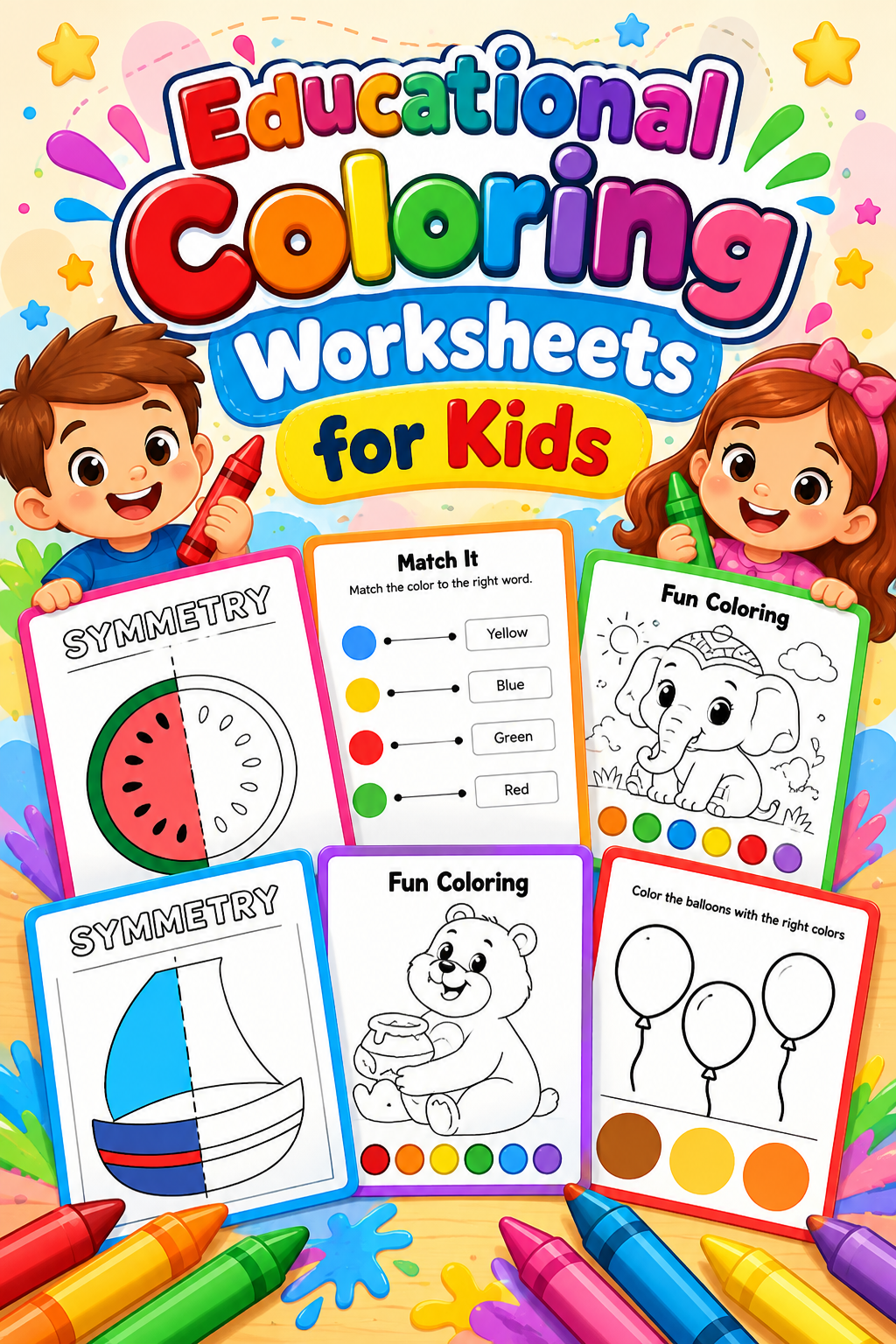
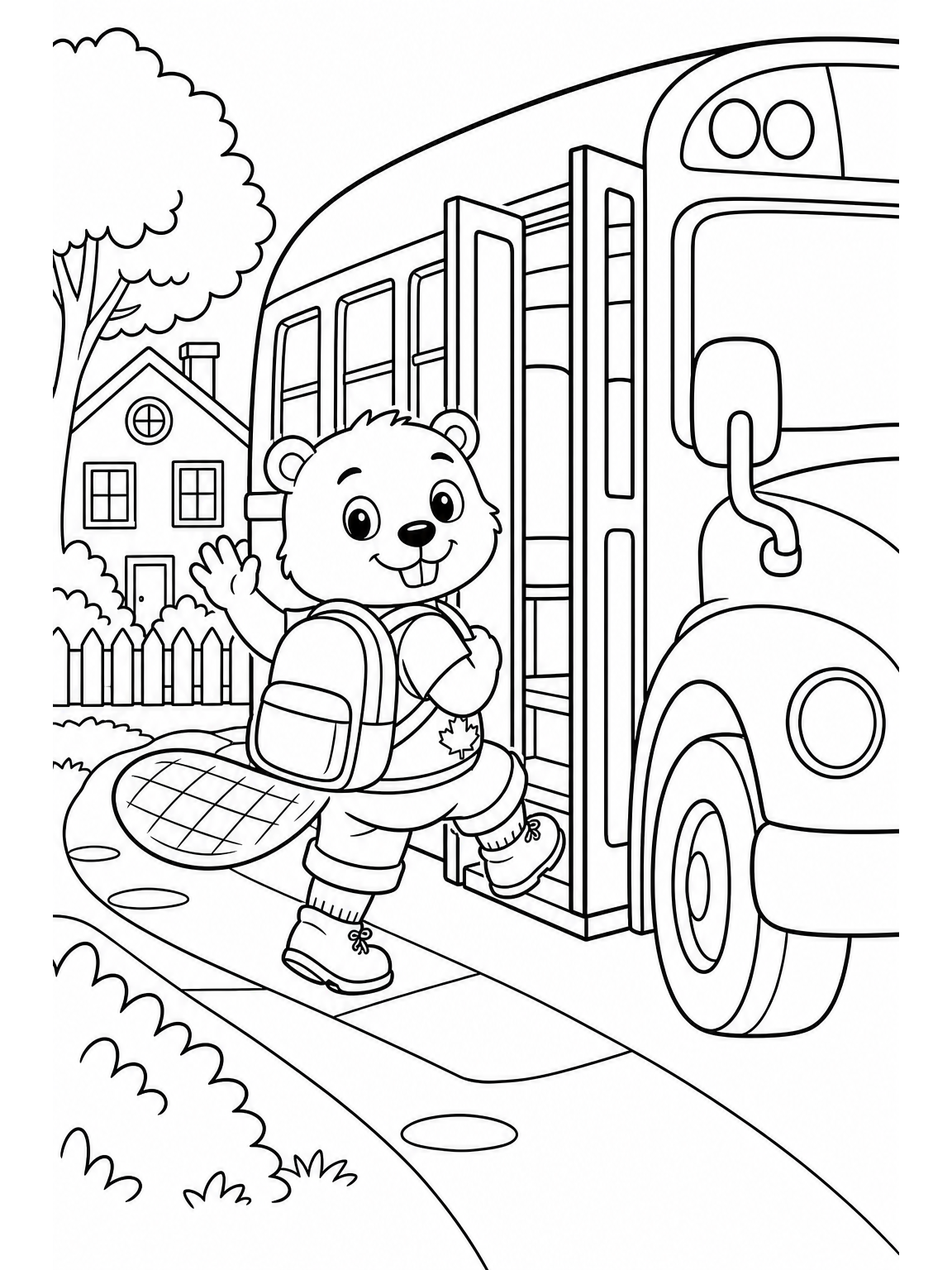
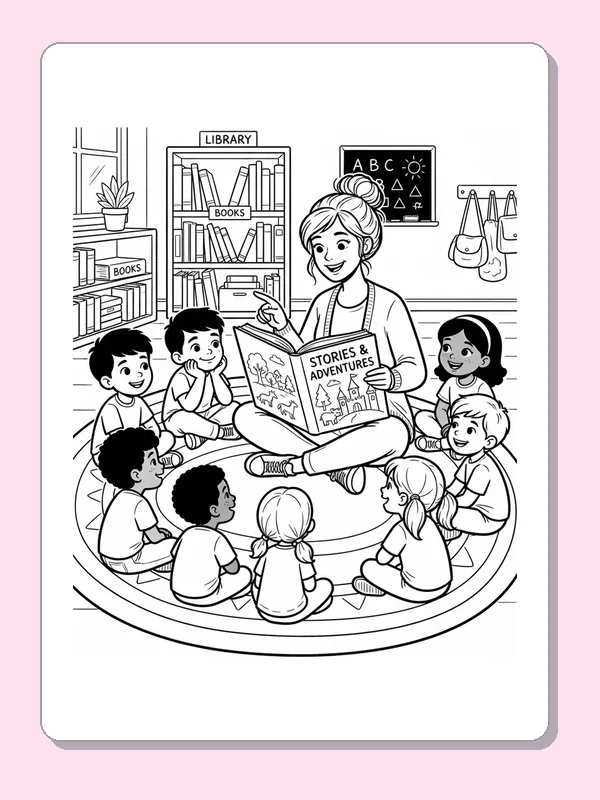
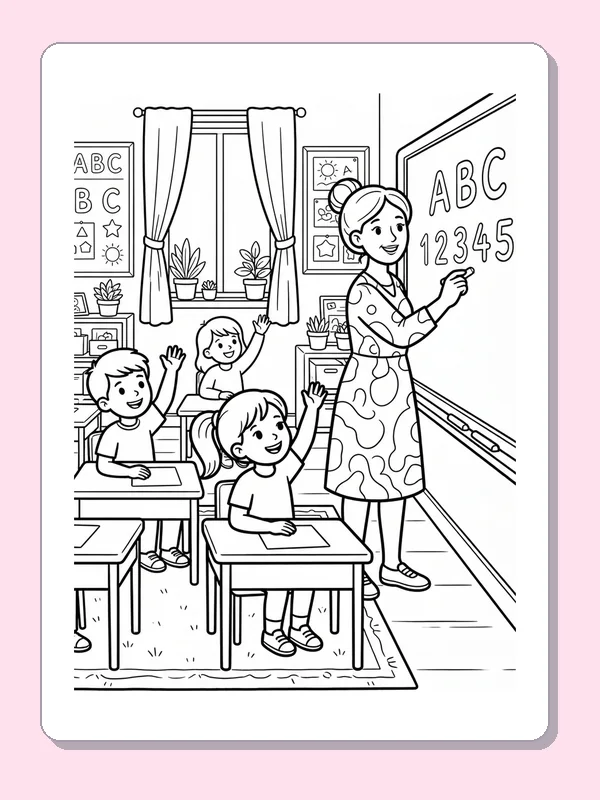
Printable Coloring Page Previews





Step-by-Step Practical Application and Guidelines
Implementing educational coloring activities effectively requires a deliberate three-step instructional sequence that moves from explicit demonstration to independent execution. First, educators introduce the targeted concept—such as a specific letter sound or geometric shape—using direct visual prompts and oral explanations. Second, adults model proper pencil grip, hand positioning, and boundary awareness directly on a sample worksheet before distributing materials to learners. Third, students complete the task independently while instructors circulate the room to monitor grip endurance, encourage careful stroke direction, and reinforce the underlying academic objective. This methodical approach ensures that coloring time functions as a rigorous component of broader Learning Activities rather than unstructured filler.
Common Challenges and How to Avoid Them
Over-reliance on unstructured coloring without clear academic objectives often diminishes the developmental value of printable resources. Educators sometimes treat coloring sheets as mere time-fillers, missing crucial opportunities to build vocabulary, discuss spatial concepts, or reinforce phonics rules during the activity. To prevent disengagement and poor motor habits, instructors must actively monitor grip technique, limit overly complex designs for younger developmental tiers, and explicitly connect the visual elements of the page to active daily lessons. Providing constructive, positive feedback regarding boundary control and stroke consistency helps children develop pride in their fine-motor achievements and prevents hand fatigue.