Introduction
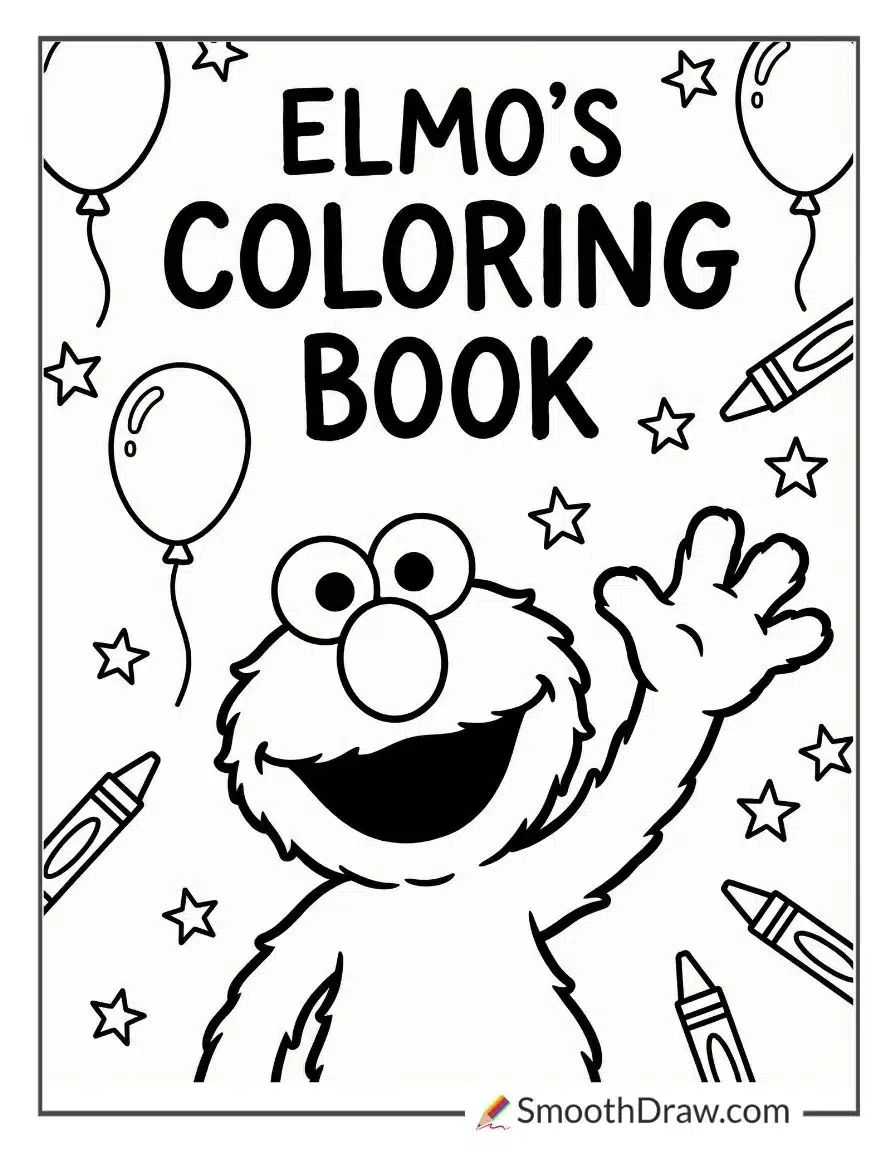
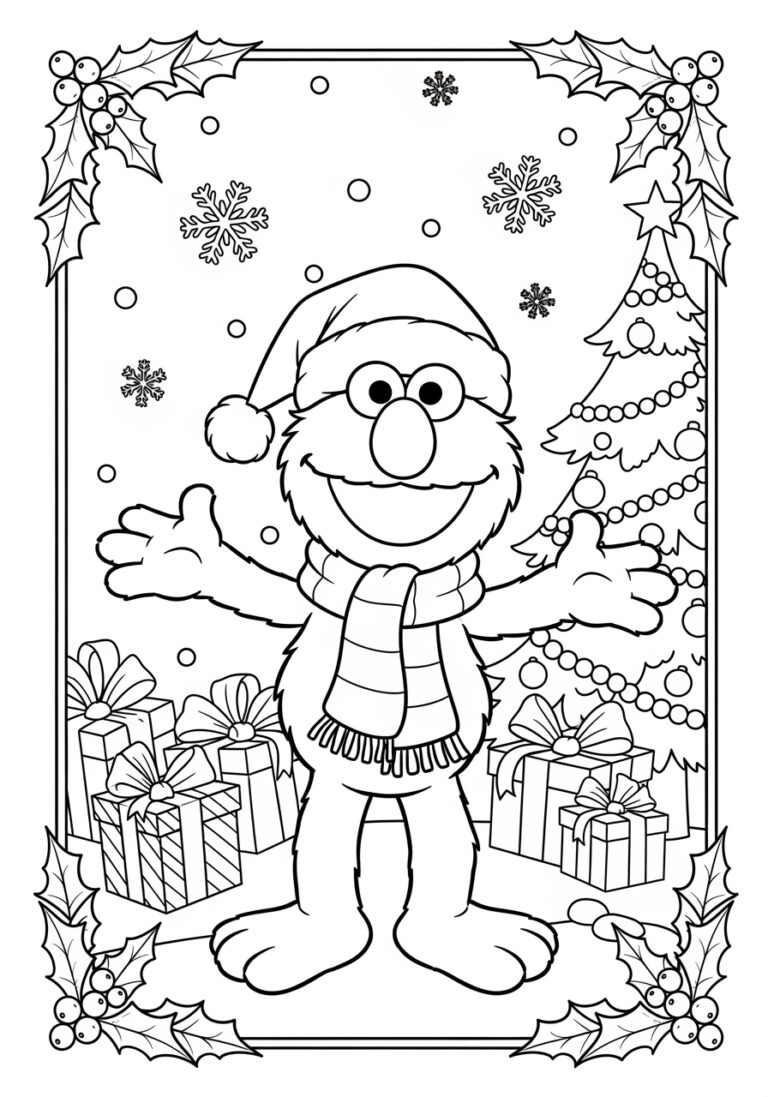
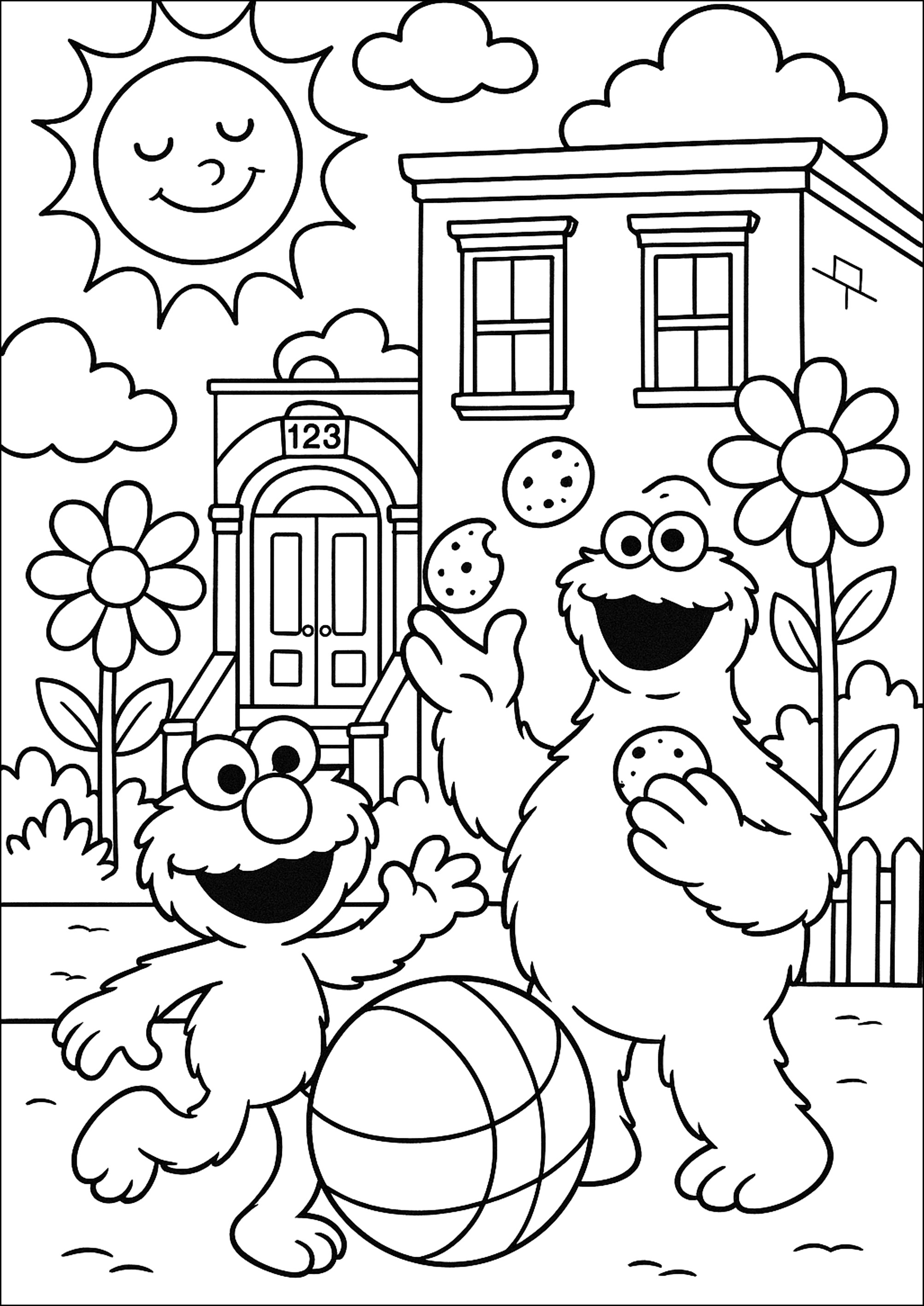
Coloring pages elmo serve as structured early childhood printables that blend familiar character engagement with essential fine-motor skill acquisition and cognitive development. According to the National Association for the Education of Young Children (NAEYC), intentional play-based activities utilizing recognizable themes effectively support self-regulation, hand-eye coordination, and pre-writing pencil grip in toddlers and preschoolers. Early childhood educators and homeschool parents leverage these visual resources to bridge the gap between creative expression and foundational academic preparedness across diverse classroom environments.
Curriculum Practice Snapshot:
- Core Focus: Fine-motor control, hand strength, and spatial awareness through themed printable media.
- Target Scope: Pre-K to Grade 1 learners in formal classrooms and home school settings.
- Key Recommendation: Pair thick-lined character illustrations with targeted tracing exercises to maximize neuromuscular engagement.
Core Principles and Detailed Overview
Structured coloring pages elmo provide targeted developmental scaffolding by combining bold outlines with engaging character recognition to enhance sustained attention span in young children. Early childhood instruction relies heavily on familiar visual anchors to reduce cognitive load, allowing learners to concentrate fully on grip pressure, stroke direction, and boundary control. Utilizing character-driven printables transforms routine pencil practice into an enjoyable multisensory task that builds intrinsic motivation. Instructors frequently integrate these materials alongside Worksheets and Learning Activities to reinforce color identification, shape recognition, and spatial vocabulary within integrated thematic units.
Key Specifications and Breakdown
| Grade / Developmental Stage | Target Learning Skill | Instructional Strategy & Scaffolding |
|---|---|---|
| Toddler / Pre-K (Ages 2-3) | Pincer grasp and gross motor coloring | Utilize extra-thick outlines and large, simplified character shapes to accommodate developing hand muscles. |
| Preschool (Ages 4-5) | Boundary control and wrist flexibility | Incorporate directional arrows and color-coding keys to encourage intentional stroke patterns. |
| Kindergarten (Ages 5-6) | Precision control and stamina | Combine character coloring with integrated Handwriting & Tracing components for advanced dexterity. |
Intentional fine-motor practice utilizing structured visual templates significantly accelerates neuromuscular pathway development in early childhood learners — What Works Clearinghouse (IES)
Step-by-Step Practical Application and Guidelines
Effective implementation of coloring pages elmo requires a deliberate three-step pedagogical progression designed to maximize focus and skill mastery. First, educators select printables matching the exact motor capability of the cohort, prioritizing bold outlines for younger learners and detailed patterns for older students. Second, instructors model correct tripod grip and stroke direction before independent work begins, ensuring proper physical habits form early. Third, facilitators integrate the finished artwork into broader thematic units or classroom displays, validating student effort and encouraging oral language development as children describe their artistic choices.
Common Challenges and How to Avoid Them
Over-reliance on unstructured coloring without clear learning objectives often leads to rushed work, diminished hand stamina, and improper pencil grip habits among early learners. Educators prevent these setbacks by establishing clear visual boundaries, limiting session duration to match developmental attention spans, and pairing static illustrations with interactive Coloring Pages that require guided tracing or color-pattern matching. Furthermore, providing ergonomically appropriate writing instruments ensures that hand fatigue does not interfere with cognitive engagement or positive attitude formation toward print-based tasks.
💬 Frequently Asked Questions
Explore More Early Learning and Classroom Resources on Knowalla
Discovering high-value instructional materials, printables, and developmental guides is essential for creating engaging, effective early childhood learning environments. Educational professionals and families can explore thousands of curated classroom tools, skill-building worksheets, and creative printables designed for modern classrooms by visiting the main hub at Knowalla to support holistic child development.
Printable Coloring Page Previews