Introduction
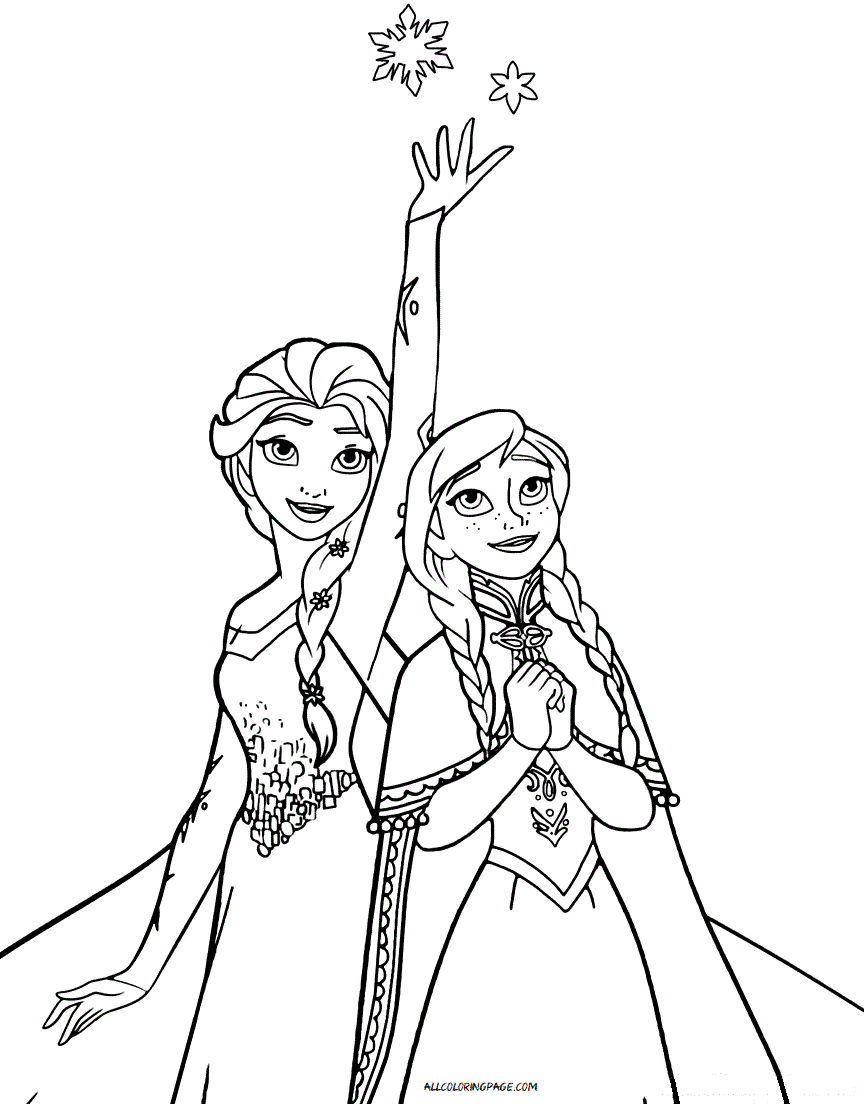
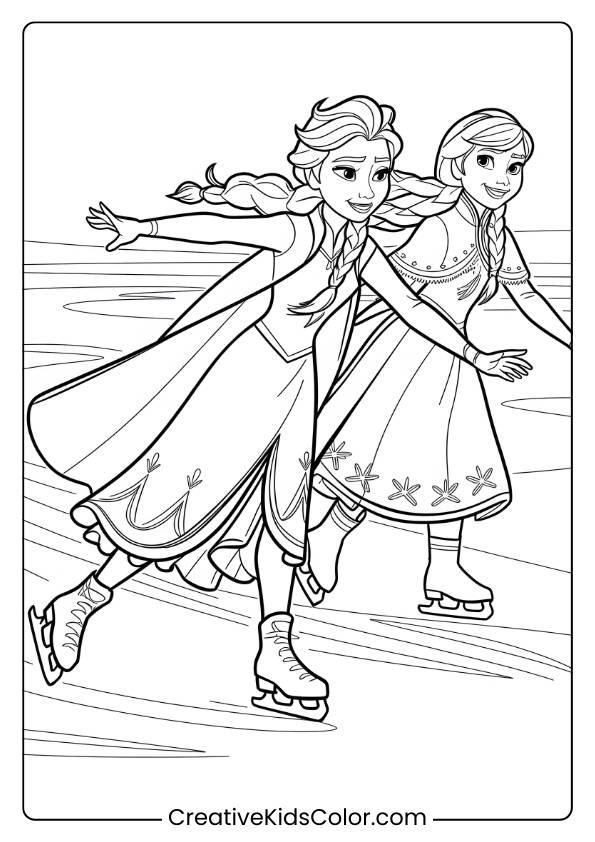
Coloring pages featuring Elsa and Anna serve as highly motivating visual tools that bridge early childhood engagement with targeted fine-motor skill acquisition. According to the National Association for the Education of Young Children (NAEYC), purposeful play-based art activities significantly enhance hand-eye coordination, bilateral integration, and spatial awareness in young learners. Integrating popular thematic imagery into Coloring Pages captures persistent interest, transforming passive media consumption into an active, tactile learning session.
Curriculum Practice Snapshot:
- Core Focus: Utilizing character-themed graphic templates to develop fine-motor control, pencil grip, and sustained attention span.
- Target Scope: Early childhood classrooms, pre-kindergarten, kindergarten, and specialized occupational therapy interventions.
- Key Recommendation: Pair structured boundary control with creative medium exploration to maximize both precision and expressive freedom.
Core Principles and Detailed Overview
Targeted character artwork provides intrinsic motivation that keeps young children engaged in sustained fine-motor practice far longer than traditional abstract geometric sheets. Children must stabilize the paper with one hand while executing controlled, precise wrist and finger movements with the dominant hand to stay within complex line art. Educators leverage this engagement to reinforce foundational Handwriting & Tracing mechanics, transforming character outlines into pathways for pencil control, directional strokes, and pressure modulation. Furthermore, thematic resources integrate seamlessly into broader Learning Activities, supporting thematic vocabulary expansion, storytelling comprehension, and emotional regulation exercises inspired by character dynamics.
Key Specifications and Breakdown
| Grade / Developmental Stage | Target Learning Skill | Instructional Strategy & Scaffolding |
|---|---|---|
| Pre-K (Ages 3-4) | Palmar-to-digital grip transition and broad stroke containment | Utilize thick, simplified outlines with minimal interior details to encourage large muscle control and basic coloring confidence. |
| Kindergarten (Ages 5-6) | Pincer grasp refinement and edge precision | Introduce intricate character gowns and detailed borders that require deliberate wrist pivoting and directional control. |
| Early Elementary (Ages 6-7) | Bilateral coordination and spatial shading depth | Combine multi-character scenes with structured writing prompts available within Worksheets to link art with literacy. |
Structured fine-motor interventions and targeted visual-motor integration tasks demonstrably accelerate early writing readiness benchmarks across primary cohorts. — National Center for Education Statistics (NCES)
Step-by-Step Practical Application and Guidelines
Implementing thematic art sheets successfully requires a structured, three-phase pedagogical sequence designed to maximize both motor control and cognitive connection. First, select appropriate templates that match the current fine-motor capabilities of the cohort, ensuring line weights align with the expected grip maturity of the learners. Second, introduce specific tool constraints, such as transitioning from broad markers to colored pencils or crayons, to deliberately challenge pressure modulation and finger strength. Third, integrate literacy or storytelling extensions where children articulate character choices verbally or record short descriptive sentences, validating artistic output through cross-curricular application.
Common Challenges and How to Avoid Them
A frequent obstacle encountered during thematic art sessions involves rapid, careless rushing through detailed templates simply to complete the character picture, which undermines the underlying fine-motor objective. Educators counteract this tendency by breaking large coloring tasks into manageable sections, utilizing visual cues or directional color-coding to slow pacing and encourage deliberate stroke placement. Another common challenge is grip fatigue caused by improper writing tool posture, which can be mitigated by intentionally pairing graphic templates with ergonomic triangle crayons or specialized pencil grips sourced directly from comprehensive Teacher Resources.
💬 Frequently Asked Questions
Explore More Early Learning and Classroom Resources on Knowalla
Educators and parents seeking to expand printable libraries with high-engagement materials can explore an extensive collection of instructional assets designed to support early childhood development. Discover innovative tools, printable activities, and professional guidance by visiting Knowalla to elevate daily classroom instruction and home learning environments.
Printable Coloring Page Previews