Introduction
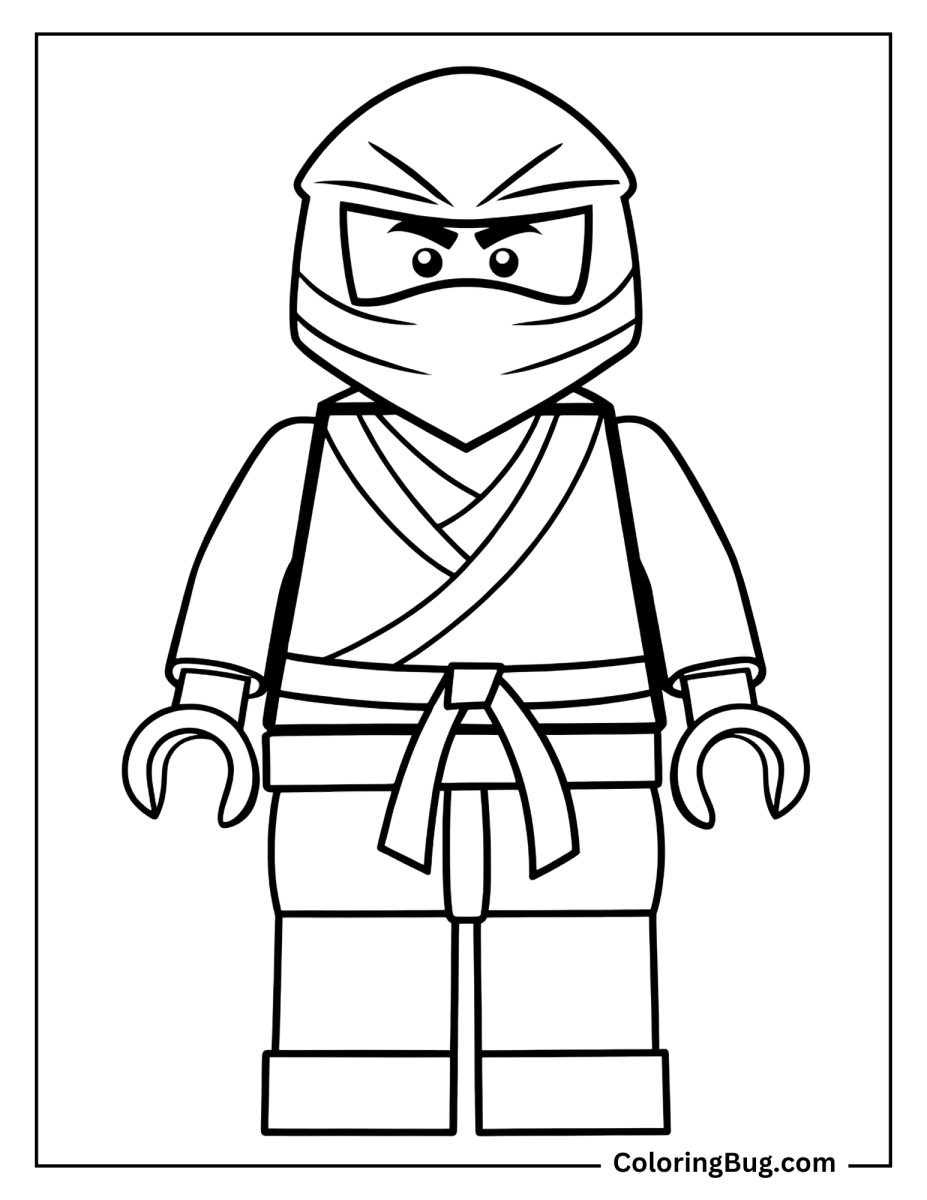
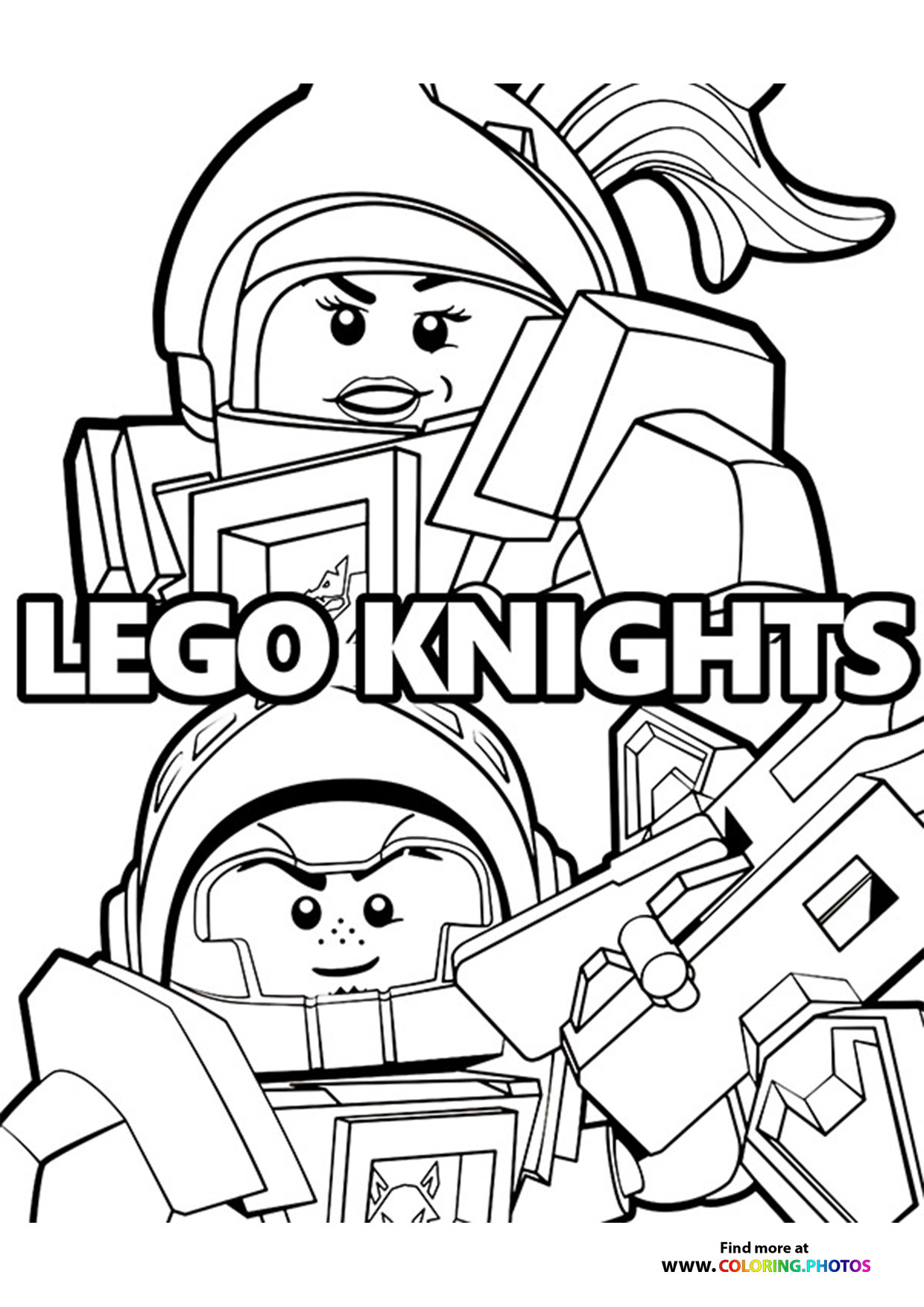
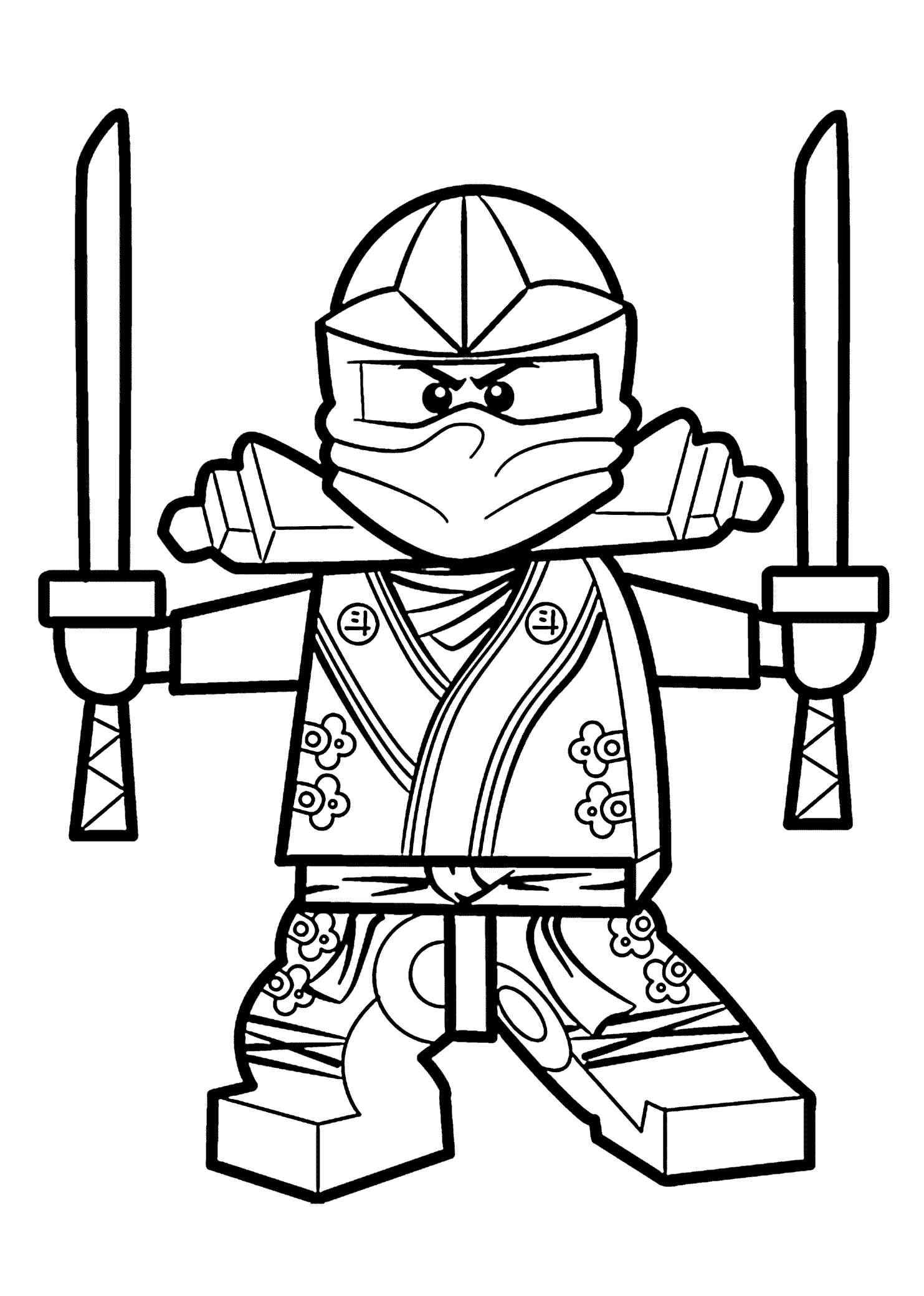
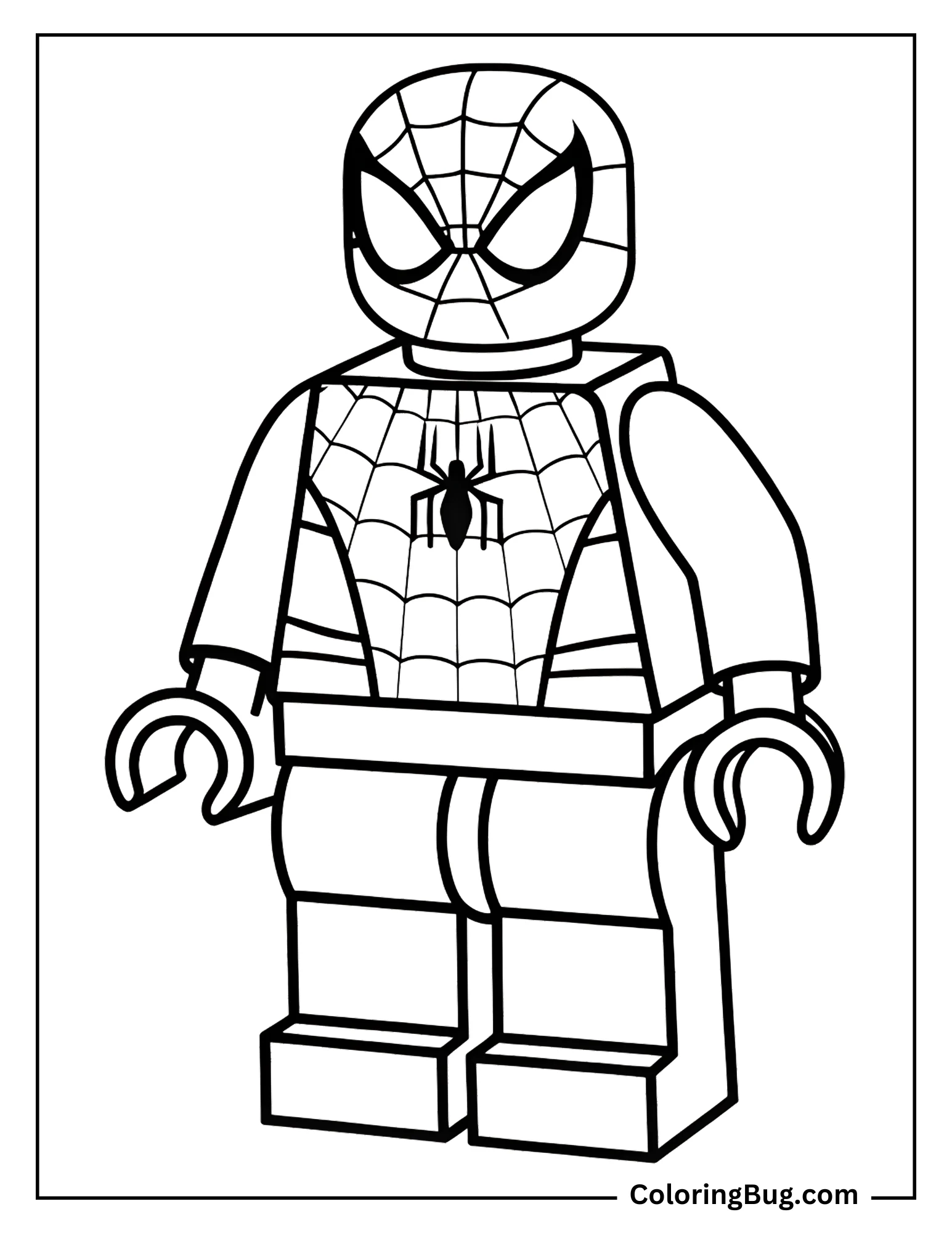
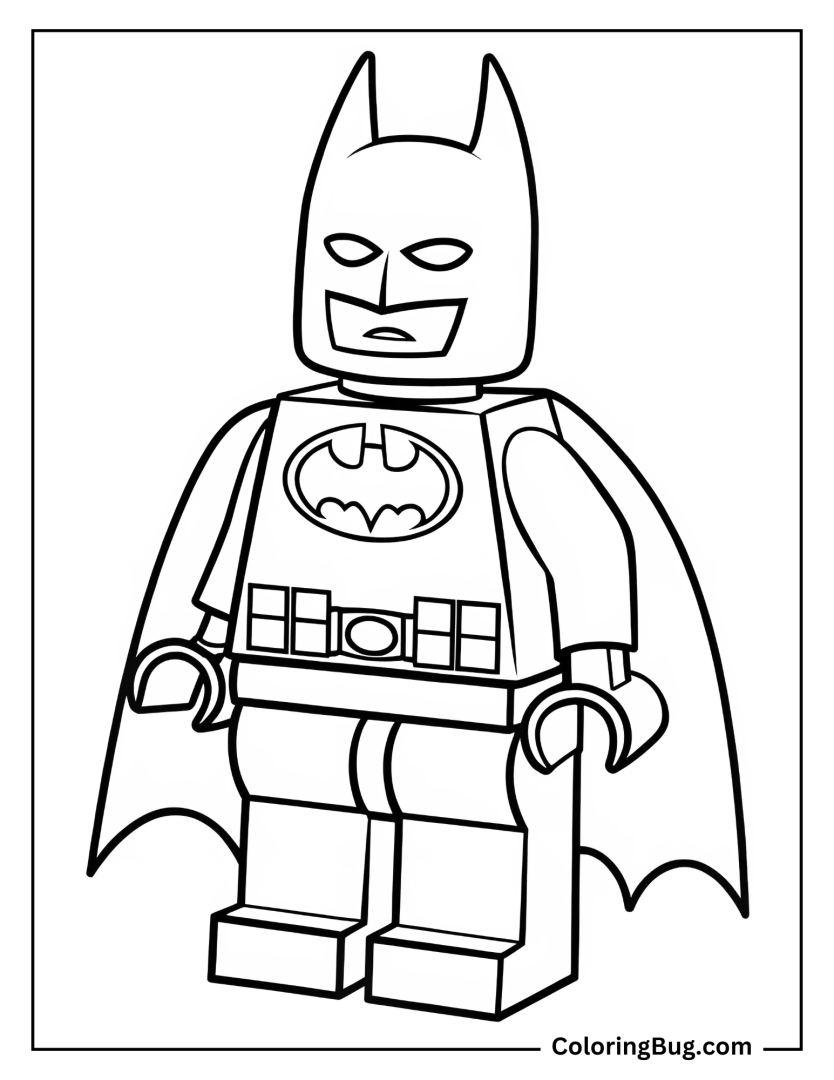
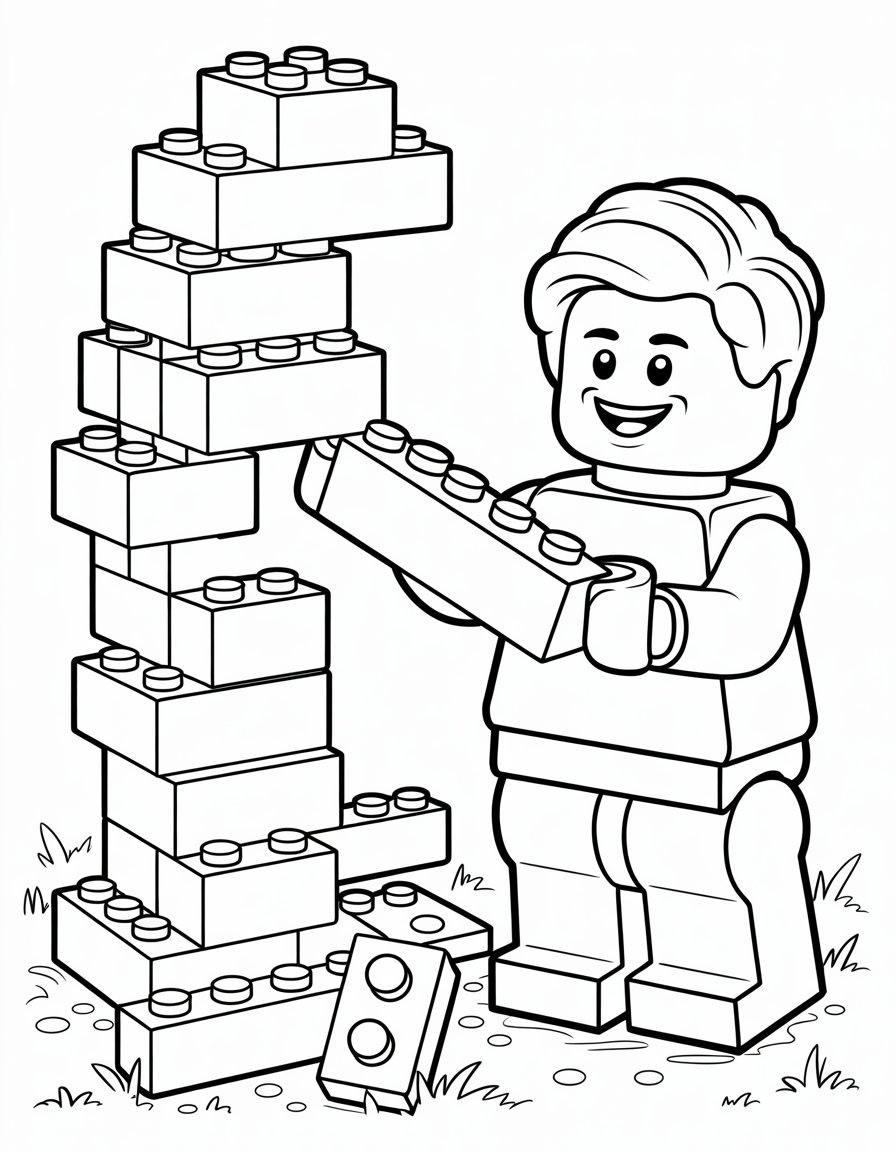
Coloring pages lego resources provide structured, brick-themed printable illustrations designed to develop foundational fine-motor control, spatial visualization, and cognitive focus in early childhood education. According to the National Association for the Education of Young Children (NAEYC), purposeful manipulation of visual art materials and targeted pencil-grip exercises actively support the neurological pathways required for future handwriting proficiency. Educators and homeschool instructors frequently integrate these block-based art sheets into daily centers to bridge creative play with structured academic readiness. Through targeted line work and geometric patterning, children strengthen hand muscles while engaging deeply with familiar interlocking brick motifs found across Coloring Pages.
Curriculum Practice Snapshot:
- Core Focus: Developing fine-motor precision, pencil control, and spatial awareness using interlocking brick-themed illustrations.
- Target Scope: Early childhood classrooms, kindergarten centers, and homeschool foundational instruction.
- Key Recommendation: Pair structured coloring sheets with manipulatives to reinforce tactile-to-visual cognitive mapping.
Core Principles and Detailed Overview
Lego-themed coloring pages serve as valuable educational tools by merging high-interest geometric aesthetics with critical developmental milestones. Direct execution of coloring tasks within defined borders requires sustained visual-motor integration, bilateral coordination, and pincer grasp endurance. As young learners navigate grid patterns, right angles, and cylindrical stud details, cognitive processing speeds improve alongside hand-eye coordination. Teachers can pair these printable assets with Handwriting & Tracing sheets to maintain a cohesive motor-skill curriculum that prepares students for complex academic writing tasks.
Key Specifications and Breakdown
| Grade / Developmental Stage | Target Learning Skill | Instructional Strategy & Scaffolding |
|---|---|---|
| Pre-K (Ages 3-4) | Bilateral coordination & grasp development | Utilize thick, bold borders with oversized brick shapes to encourage palmar-to-pincer transitions. |
| Kindergarten (Ages 5-6) | Spatial reasoning & boundary control | Incorporate pattern-matching prompts where students color specific brick configurations sequentially. |
| Early 1st Grade (Ages 6-7) | Symmetry, fractions, and grid mapping | Deploy multi-brick grid designs requiring symmetric color distribution and precise edge control. |
Systematic instruction in visual arts and fine-motor manipulation significantly accelerates cognitive readiness in early literacy and spatial mathematics — What Works Clearinghouse (IES). Related guide: Coloring Pages For Toddlers.
Step-by-Step Practical Application and Guidelines
Implementing lego-themed coloring sheets effectively requires a deliberate three-step instructional sequence focused on preparation, execution, and reflection. First, select printable resources from Worksheets that match the specific fine-motor capability of the target group, ensuring line widths align with developmental readiness. Second, introduce the activity by connecting the visual shapes to physical manipulatives, prompting children to identify matching colors and structural layouts before applying crayons or colored pencils. Third, conclude the session by reviewing boundary adherence and discussing spatial patterns to reinforce mathematical vocabulary related to geometry and spatial orientation.
Common Challenges and How to Avoid Them
Instructional bottlenecks often occur when students rush through geometric coloring tasks, leading to poor grip form and overlooked boundary lines. Educators prevent this by establishing clear pacing expectations, utilizing specialized short-barreled writing utensils that naturally force a proper tripod grasp, and embedding the activity within structured Learning Activities rotations. Additionally, instructors should avoid overly complex grid designs for younger cohorts, scaling complexity gradually to prevent frustration and maintain high student engagement during independent desk work.
💬 Frequently Asked Questions
Explore More Early Learning and Classroom Resources on Knowalla
Educators seeking to expand their instructional toolkits can discover an extensive selection of foundational teaching assets, printable activities, and structured classroom guides available directly through Teacher Resources and the main hub at Knowalla.
Printable Coloring Page Previews