Introduction
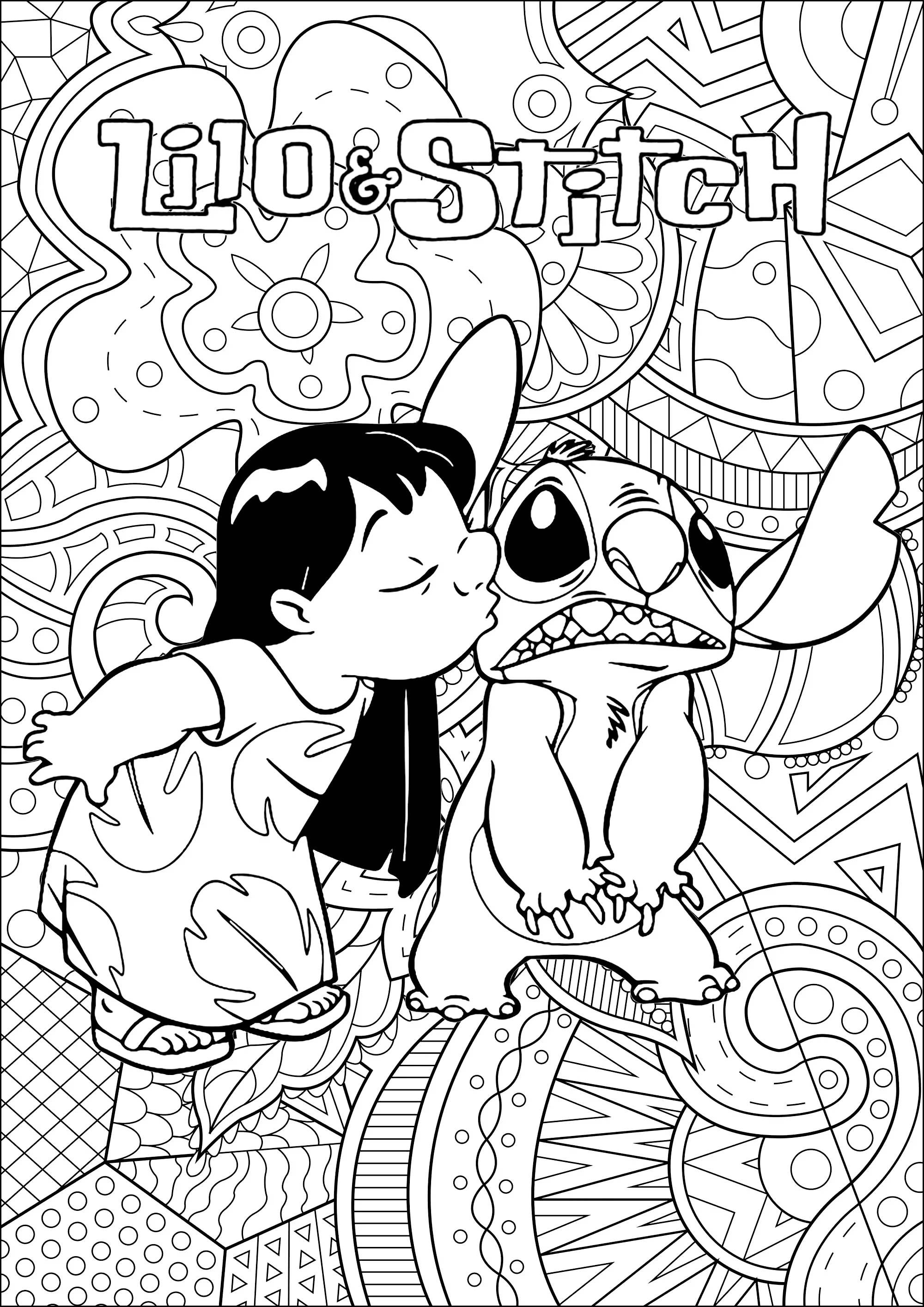
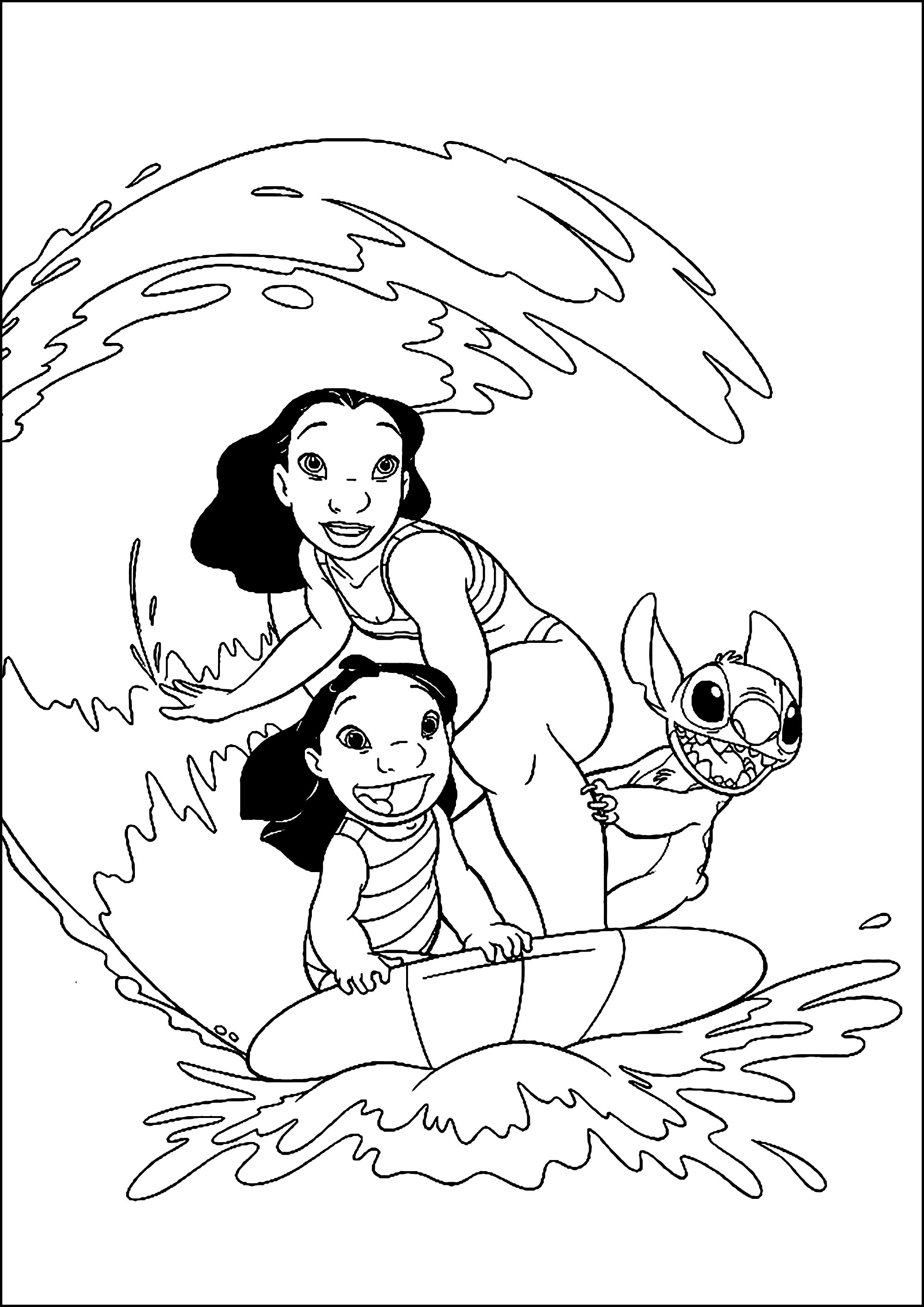
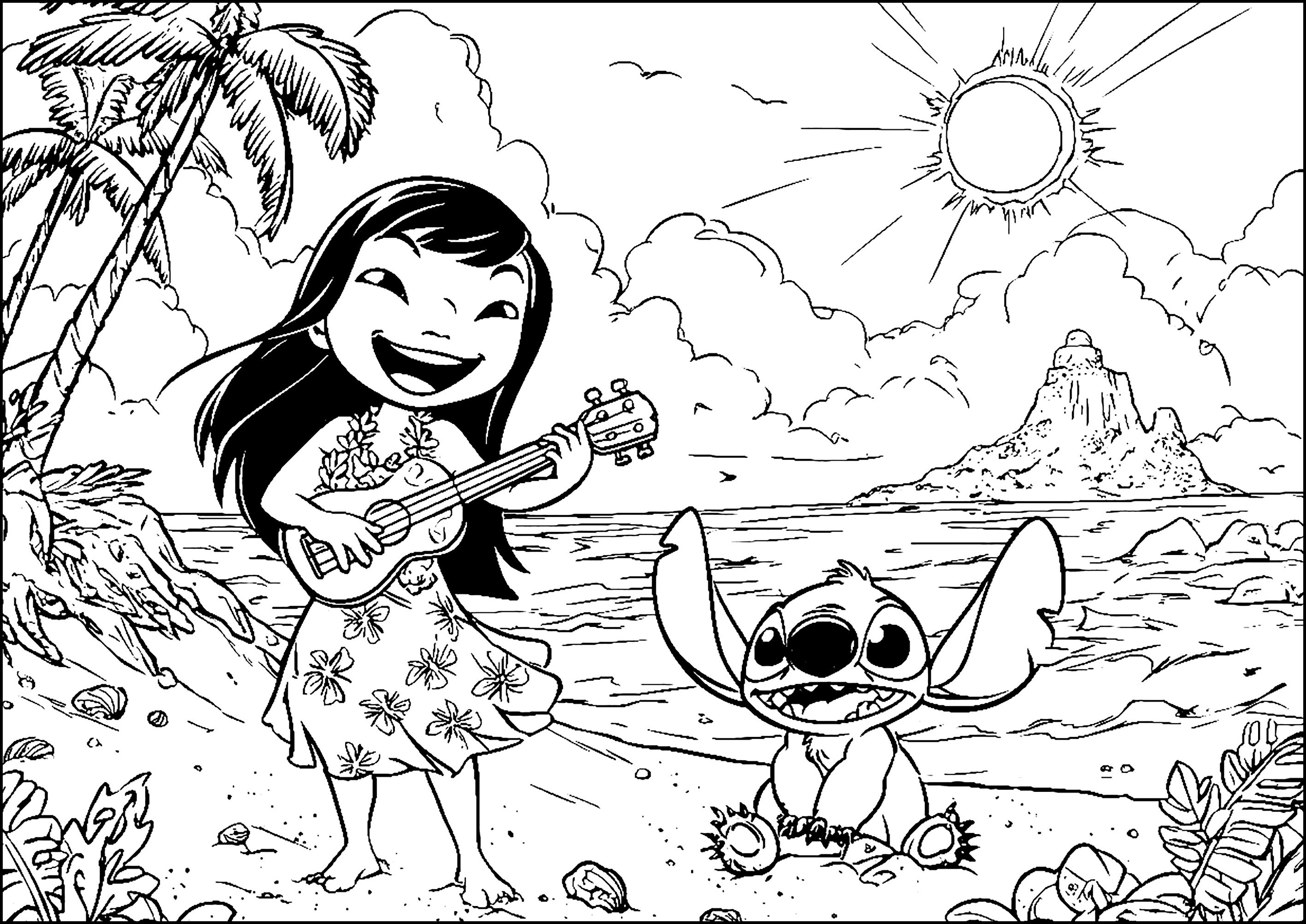
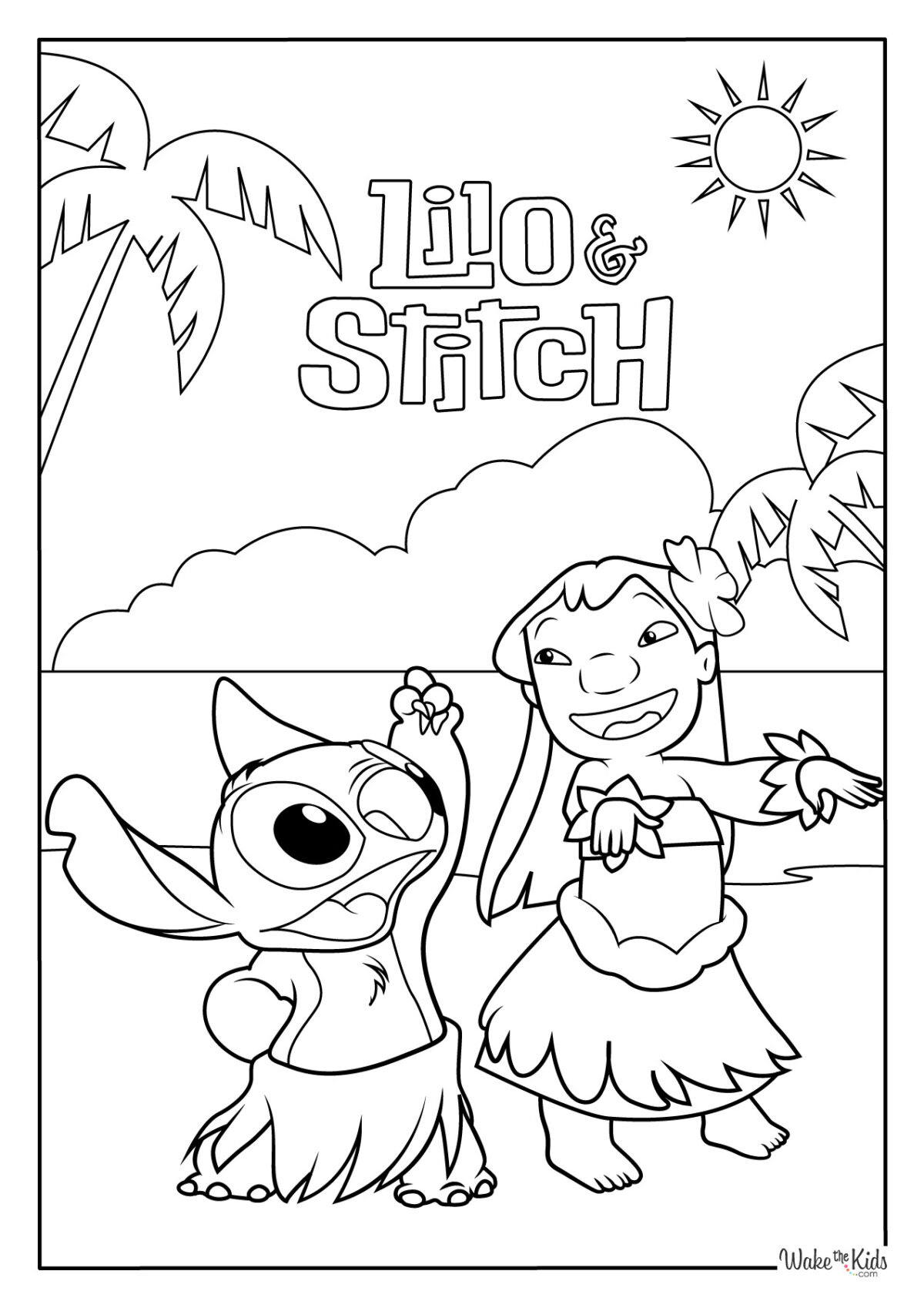
Coloring pages featuring Lilo and Stitch function as highly effective pedagogical tools for developing fine-motor control, visual-spatial awareness, and thematic engagement in early childhood classrooms. According to the National Association for the Education of Young Children (NAEYC), developmentally appropriate practice requires providing activities that support children’s physical development through tasks that build hand-eye coordination and muscle strength. Utilizing popular character-based media within Coloring Pages bridges the gap between student interest and foundational skill acquisition, ensuring high levels of engagement during independent work periods or structured Learning Activities.
Curriculum Practice Snapshot:
- Core Focus: Utilizing character-themed coloring sheets to reinforce pencil grip and spatial boundaries.
- Target Scope: Preschool through first-grade learners in home and school environments.
- Key Recommendation: Integrate tracing borders to convert coloring tasks into pre-writing exercises.
Core Principles and Detailed Overview
The implementation of Lilo and Stitch coloring sheets provides a scaffolded approach to fine-motor development by balancing high-interest visual stimuli with controlled coloring zones. Educators utilize these materials to transition students from rudimentary scribbling to intentional, boundary-conscious coloring, which serves as a precursor to formal Handwriting & Tracing. By focusing on specific characters, students practice sustained attention and color selection, which are critical components of executive function in early learning stages. These Worksheets allow for differentiation, as teachers can select complex designs for advanced learners or simplified, thick-lined imagery for those still developing precise motor control.
Key Specifications and Breakdown
| Grade / Developmental Stage | Target Learning Skill | Instructional Strategy & Scaffolding |
|---|---|---|
| Early Preschool (Ages 3-4) | Grasp refinement | Use thick-lined, large-scale imagery to minimize frustration. |
| Pre-K/Kindergarten (Ages 4-5) | Boundary control | Encourage color-by-number variants to promote focus. |
| First Grade (Ages 6+) | Visual-spatial planning | Combine coloring with descriptive writing prompts. |
Fine Motor Development Principle — The What Works Clearinghouse (WWC) emphasizes that repetitive, goal-oriented tasks involving writing and drawing instruments are essential for strengthening the small muscles of the hand, which directly correlates to later success in legible handwriting and keyboarding proficiency. Related guide: Coloring Pages Islamic.
Step-by-Step Practical Application and Guidelines
Implementing these resources effectively requires a systematic approach to ensure that coloring transitions from a passive activity to an active skill-building session. First, select imagery that matches the current motor proficiency of the learner, prioritizing clear, bold outlines for beginners. Second, pair the coloring task with a specific learning objective, such as color identification, pattern recognition, or descriptive vocabulary building related to the characters. Third, provide structured feedback by observing the student’s grip and encouraging the completion of the entire sheet to foster perseverance and task completion habits, which are essential Teacher Resources for classroom management.
Common Challenges and How to Avoid Them
Common challenges involving coloring pages often stem from a lack of clear expectations or the selection of overly complex imagery that leads to task avoidance. To mitigate this, educators should explicitly model the coloring process, demonstrating how to color within defined lines and how to use varying pressures to achieve different shading effects. If a student exhibits frustration, provide simplified versions of the character outlines or utilize “tracing-first” techniques where the student traces the outline before coloring, effectively turning the activity into a dual-purpose handwriting and artistic exercise.
💬 Frequently Asked Questions
Explore More Early Learning and Classroom Resources on Knowalla
Continuous development of fine-motor and academic skills requires a diverse library of printables and activities. Access the full suite of educational tools at Knowalla to find categorized support for every stage of early childhood education.
Printable Coloring Page Previews