Introduction
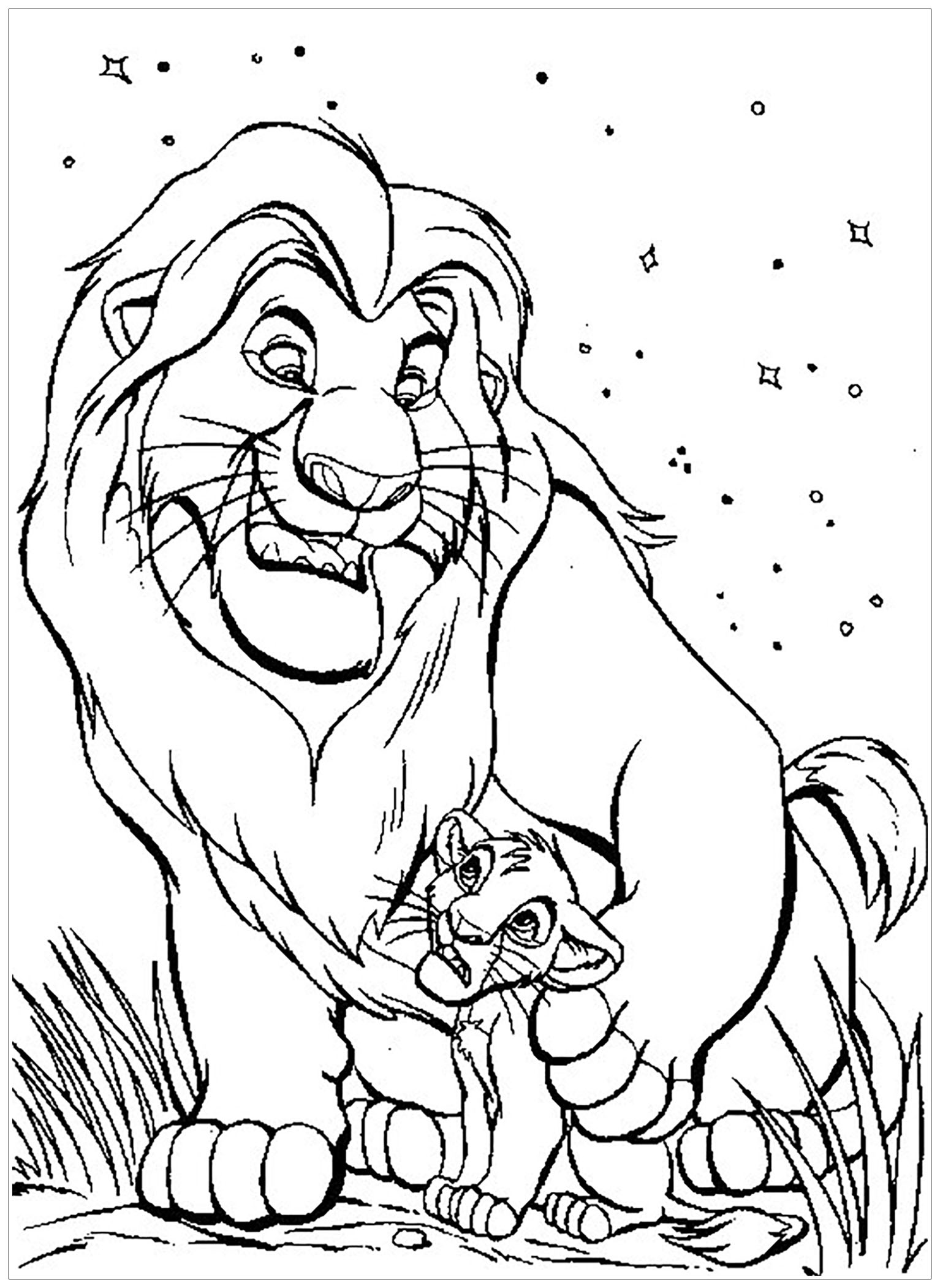
Coloring pages lion king serve as targeted educational printables that leverage familiar media themes to foster fine-motor control, pencil grip, and creative expression in early childhood classrooms. According to the National Association for the Education of Young Children (NAEYC), purposeful manipulation of writing and coloring instruments significantly strengthens the small intrinsic muscles of the hand required for future handwriting proficiency. Educators and homeschool parents utilize thematic character sheets to bridge independent engagement with structured foundational skill-building. High-quality printables transform passive entertainment into active cognitive practice by encouraging visual tracking, spatial awareness, and color theory application among young learners. Integrating character-driven art assets into daily schedules enhances attention spans and provides a comforting, familiar stimulus for children transitioning into independent workstation routines.
Curriculum Practice Snapshot:
- Core Focus: Utilizing themed character coloring sheets for targeted fine-motor development and motor planning.
- Target Scope: Early childhood education classrooms, special education intervention spaces, and homeschool environments.
- Key Recommendation: Pair thick-bordered lion king graphics with specific multi-sensory color-matching tasks to reinforce cognitive engagement.
Core Principles and Detailed Overview
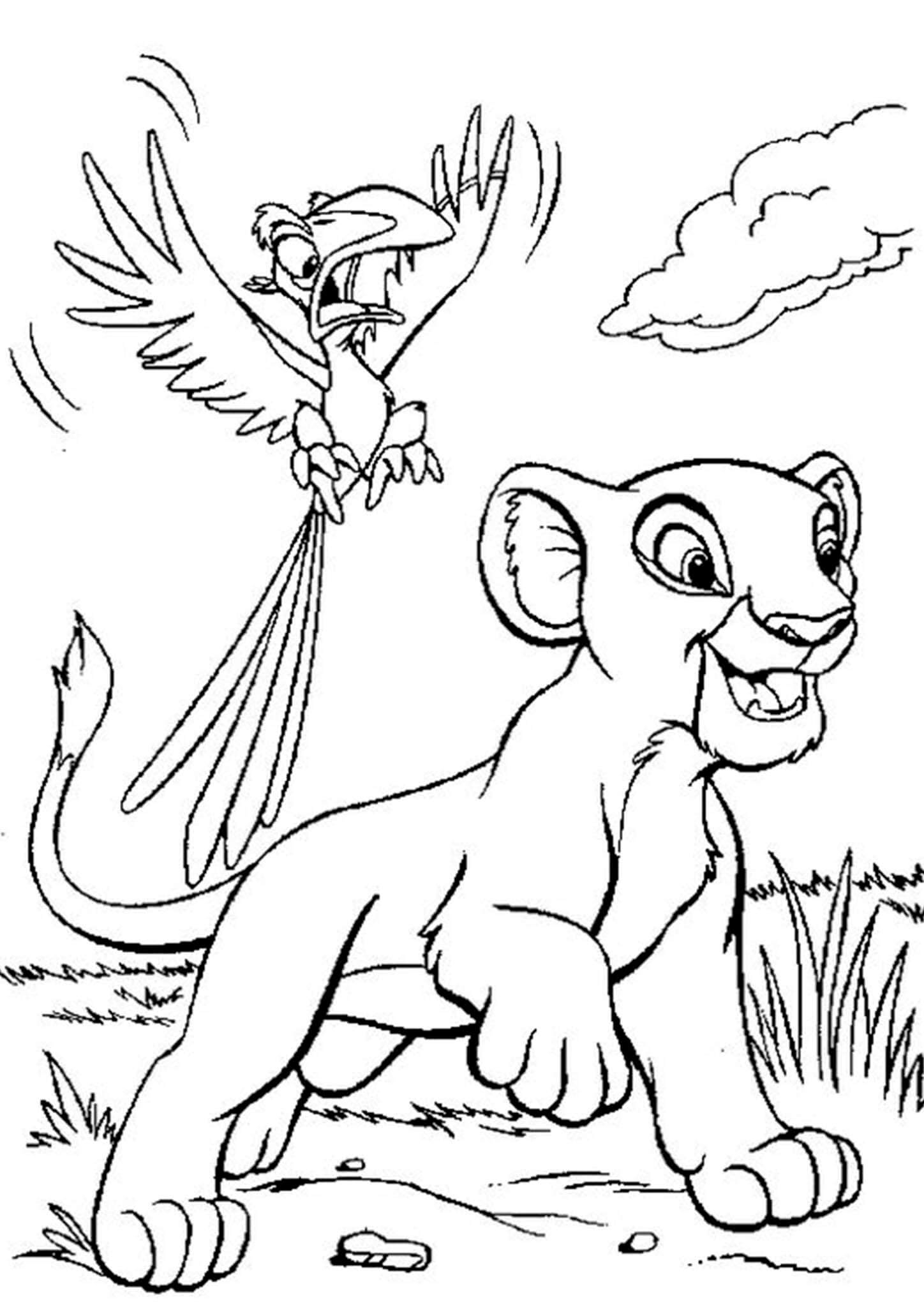
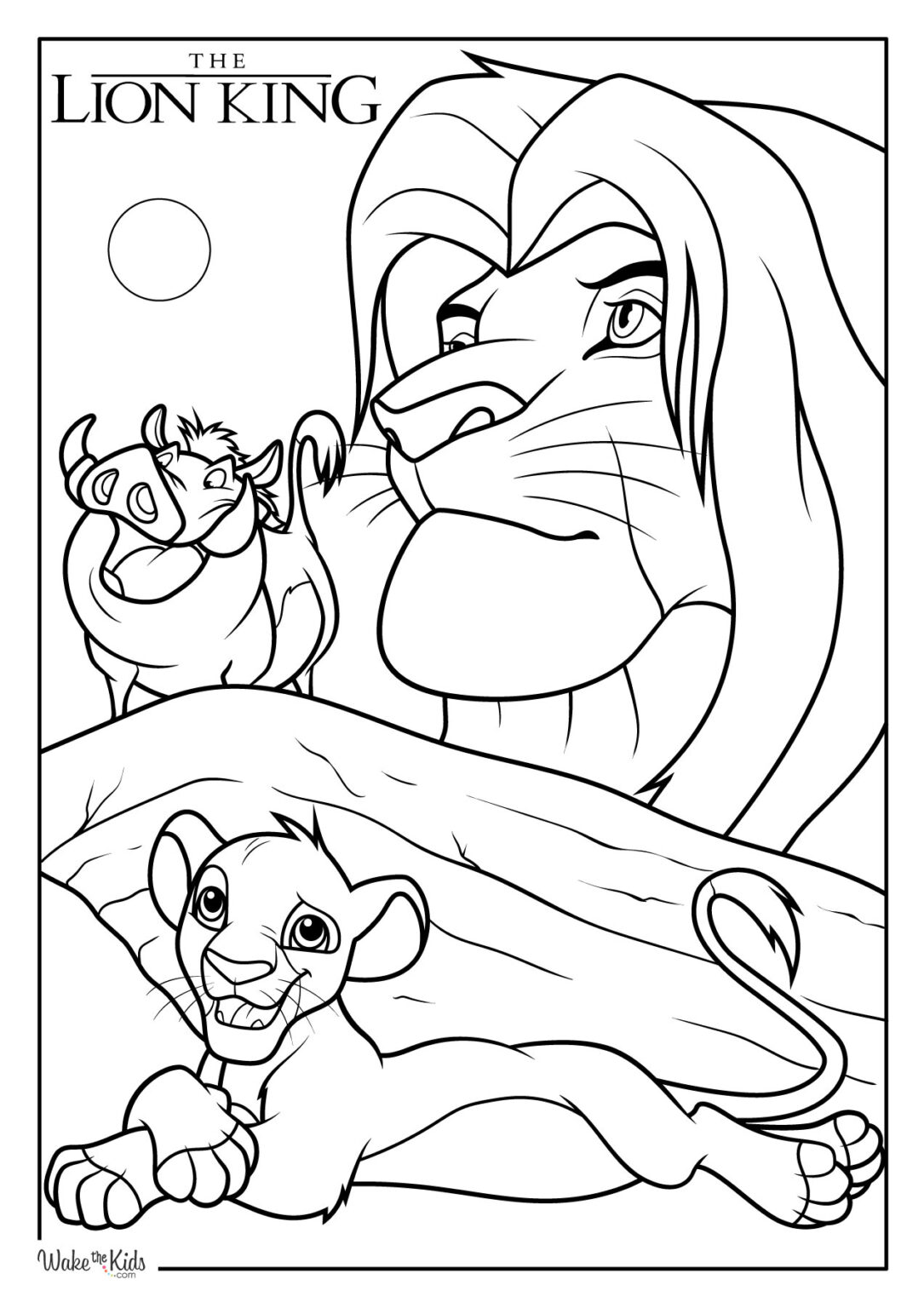
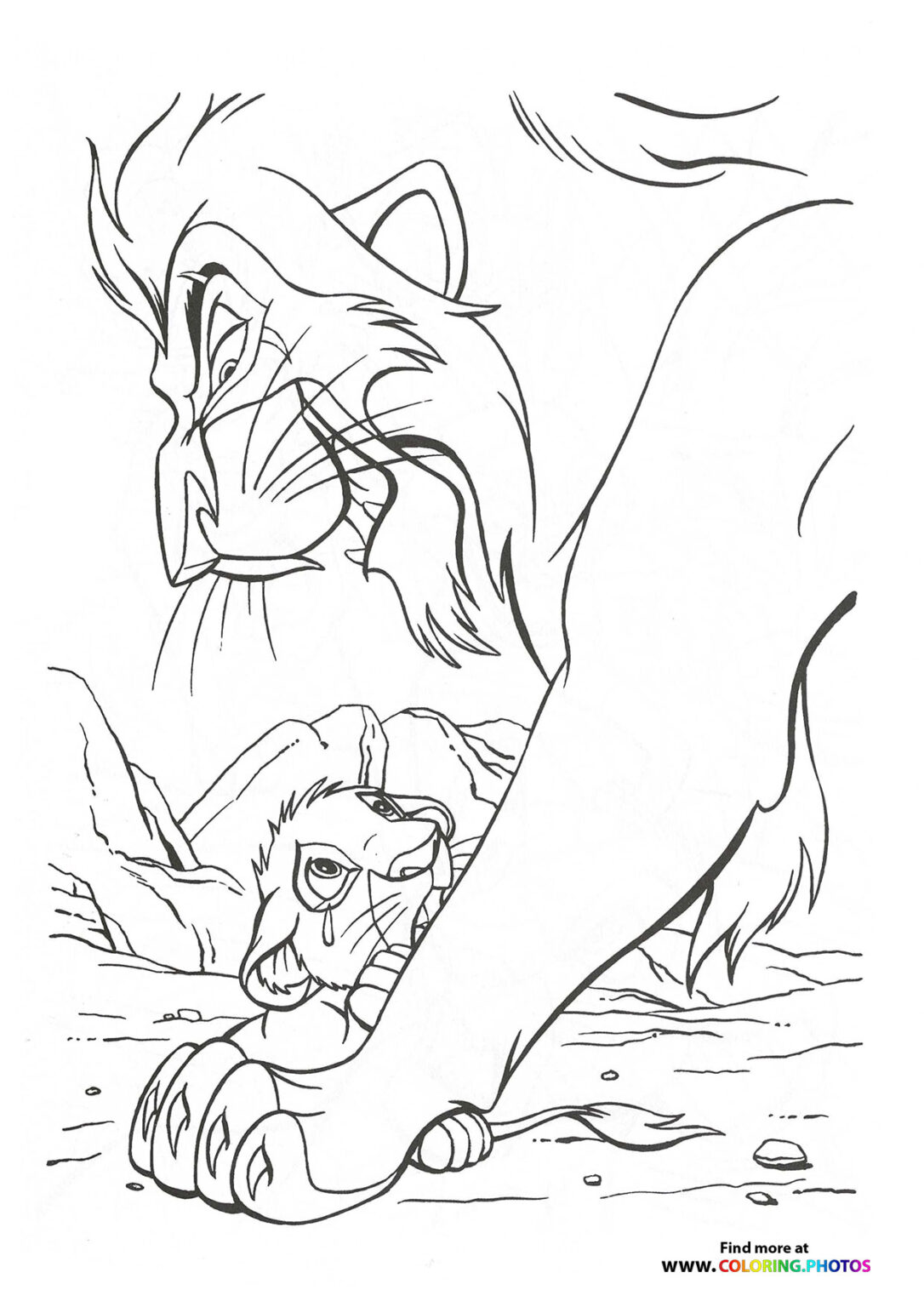
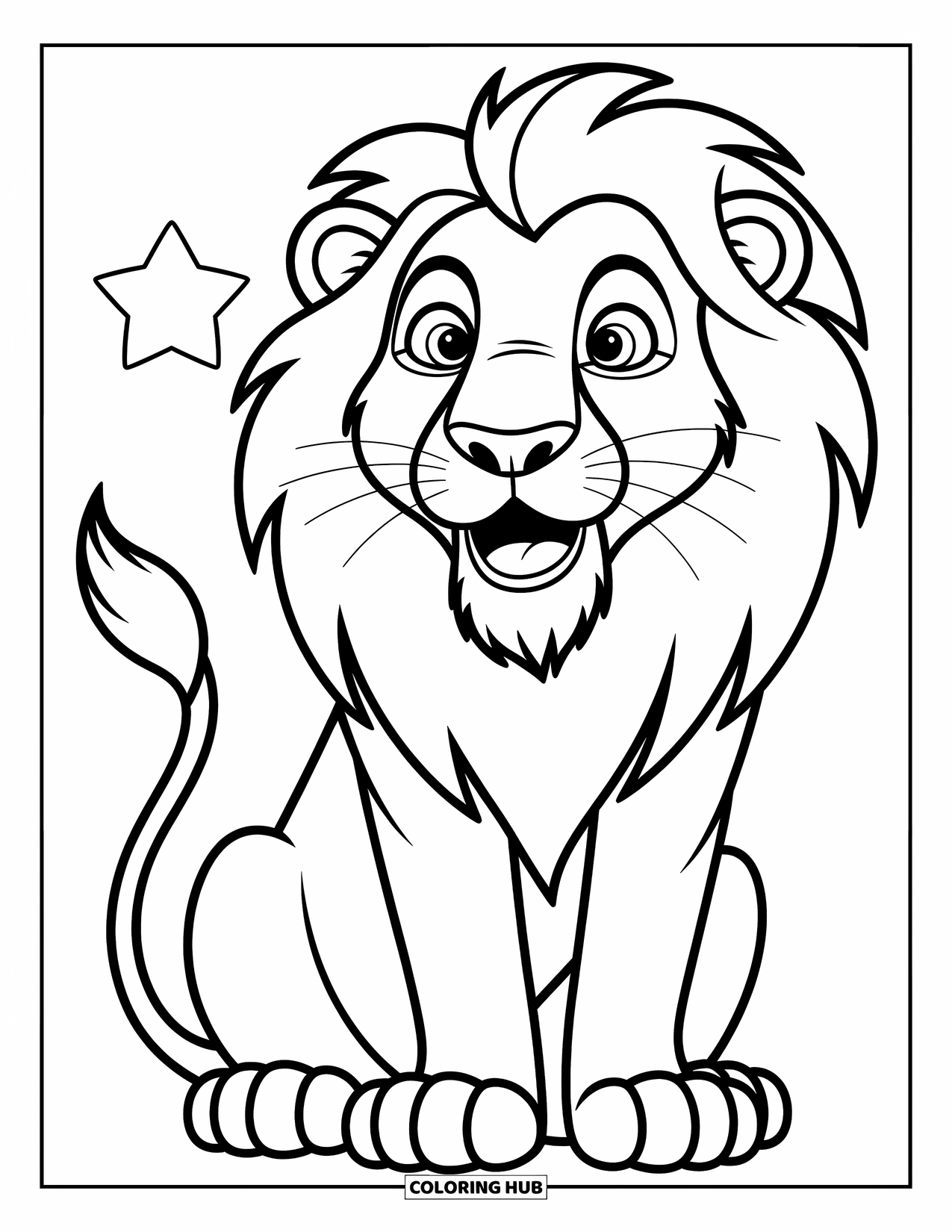
Coloring pages lion king function as multi-sensory developmental tools that directly support bilateral coordination, hand-eye synchronization, and sustained attention spans in early childhood learning environments. When children navigate complex lines and distinct character silhouettes—such as Simba, Nala, or Timon—they practice precise visual-motor integration and learn to modulate pressure applied to crayons, colored pencils, or safety markers. This level of focused creative practice aligns closely with comprehensive Worksheets designed to build foundational stamina. Furthermore, incorporating beloved animal kingdom narratives into daily centers lowers affective filters, reducing anxiety and encouraging reluctant learners to participate actively in fine-motor stations. Careful selection of printables featuring varied line thickness ensures that educators can effectively differentiate instruction based on individual developmental readiness.
Key Specifications and Breakdown
| Grade / Developmental Stage | Target Learning Skill | Instructional Strategy & Scaffolding |
|---|---|---|
| Pre-K / Ages 3-4 | Gross motor boundary control and wrist stability | Provide thick-line outlines and oversized jumbo crayons to minimize frustration and encourage palmar grasp transitions. |
| Kindergarten / Ages 5-6 | Precise pincer grip refinement and color staying | Utilize detailed character panels paired with guided Handwriting & Tracing borders for enhanced control. |
| Early Elementary / Ages 7+ | Shading, light blending, and storytelling sequence | Implement multi-character scene printables alongside creative writing prompts found within Teacher Resources. |
Targeted fine-motor interventions combined with engaging visual themes measurably improve sustained focus and motor control outcomes during early childhood development. — What Works Clearinghouse (IES)
Step-by-Step Practical Application and Guidelines
Implementing coloring pages lion king effectively requires a structured, multi-phase instructional approach that maximizes both engagement and developmental output. First, educators should introduce the printable sheet during whole-group instruction by discussing the characters, identifying dominant colors, and establishing explicit goals such as staying within defined borders or practicing light shading techniques. Second, learners transition to independent or small-group workstation settings where they select appropriate writing implements tailored to individual hand strength and dexterity levels. Third, facilitators conduct formative assessments by observing grip form, tracking accuracy, and prompting students to describe their artistic choices, thereby building expressive vocabulary. This structured methodology transforms a simple recreational worksheet into a comprehensive motor and cognitive learning session supported by diverse Learning Activities.
Common Challenges and How to Avoid Them
Over-reliance on unguided coloring can lead to rushed execution, diminished fine-motor focus, and improper pencil grip habits among early learners. To prevent fatigue and frustration, educators must curate sheets with varied line weights and avoid overly intricate backgrounds for younger children who lack the requisite wrist control. Another common pitfall involves treating the activity purely as busywork rather than an intentional motor intervention; instructors can easily avoid this by establishing specific design constraints, such as incorporating pattern repetition or requiring dual-handed stabilization. Pairing these graphic sheets with specialized Coloring Pages collections ensures consistent progression from simple geometric boundaries to complex organic character shapes.
💬 Frequently Asked Questions
Explore More Early Learning and Classroom Resources on Knowalla
Enhance daily instructional planning and early childhood development strategies by exploring the extensive collection of educational printables available on Knowalla. From foundational motor skill worksheets to engaging thematic activities, educators and parents can access thousands of high-value resources designed to inspire young learners and support holistic classroom success.
Printable Coloring Page Previews